
Lodge at Wanstead Grove, October 2, 1828 — History & Facts
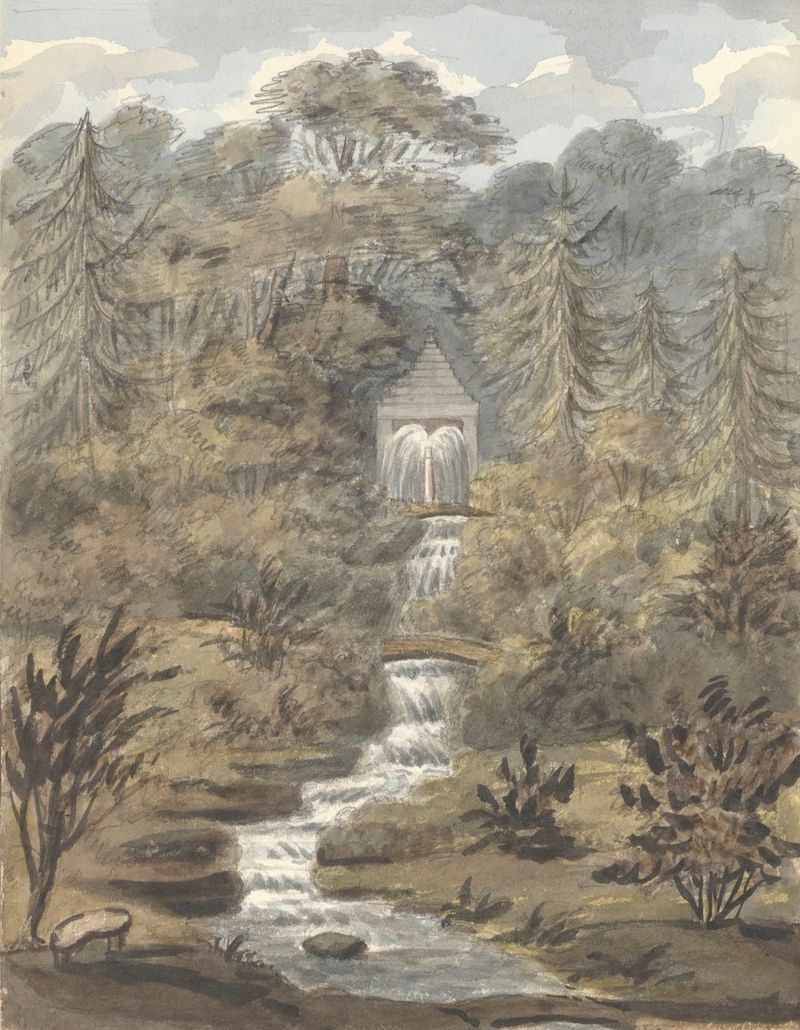
Can beauty exist without sorrow? In Lodge at Wanstead Grove, Anne Rushout invites us to ponder the interplay of time and emotion through her meticulous brushwork. Look to the center of the canvas where a majestic lodge stands beneath a canopy of autumn leaves, their fiery hues contrasting with the muted greens of the sprawling landscape. Notice how the light filters through the branches, illuminating the tranquil facade of the structure, creating a serene yet somewhat somber atmosphere. The deliberate choice of warm colors evokes a nostalgic sense of fleeting moments, as if the viewer is peering into a memory, while the meticulous detailing of the foliage draws your gaze outward to the expanse of nature surrounding the lodge. Delve deeper, and you’ll discover the subtle narrative woven into the scene.
The contrast between the vibrant fall colors and the quiet, almost melancholic stillness presents a reflection on the passage of time—how beauty inevitably fades. The lodge, with its sturdy presence, seems to embody both permanence and impermanence, serving as a reminder of the stories it holds within. Each leaf, each shadow hints at the cycle of life, suggesting that although the season shifts, the essence of beauty endures, intertwined with the bittersweet nature of existence. In 1828, Rushout painted this piece while living in England, a time when Romanticism was influencing the art world with its focus on emotion and nature.
Amidst the political and social changes of the era, she found solace in depicting serene landscapes that echoed her internal struggles. This work reflects her desire to capture not just the physical beauty of the world, but the emotional resonance of time’s passage—a contemplation that remains timeless.
More Artworks by Anne Rushout
Browse all →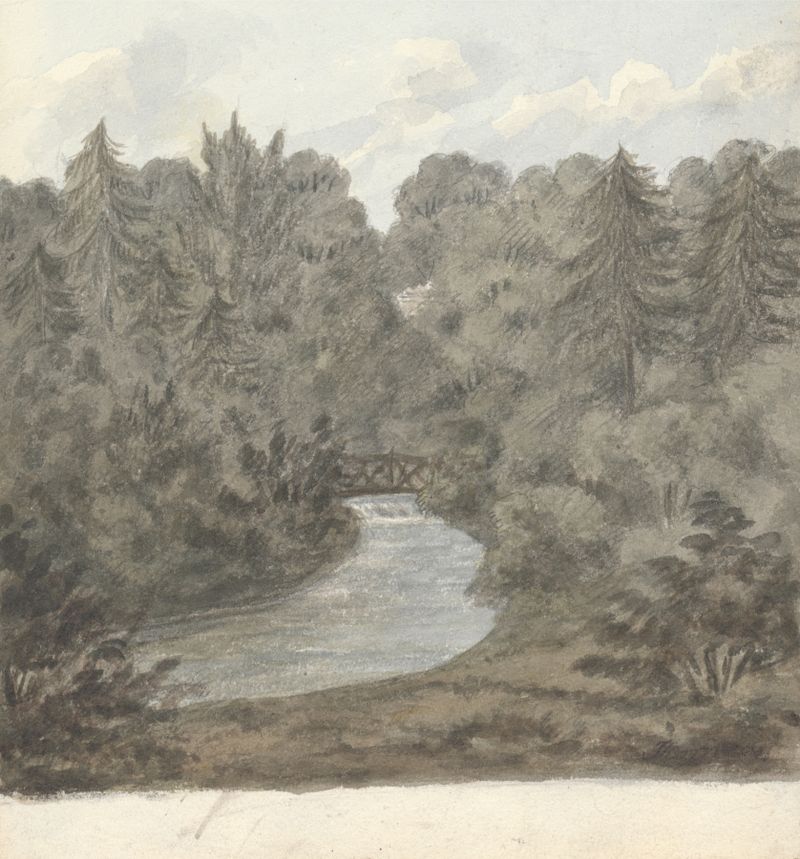
Thornery Pool, Sezincote
Anne Rushout
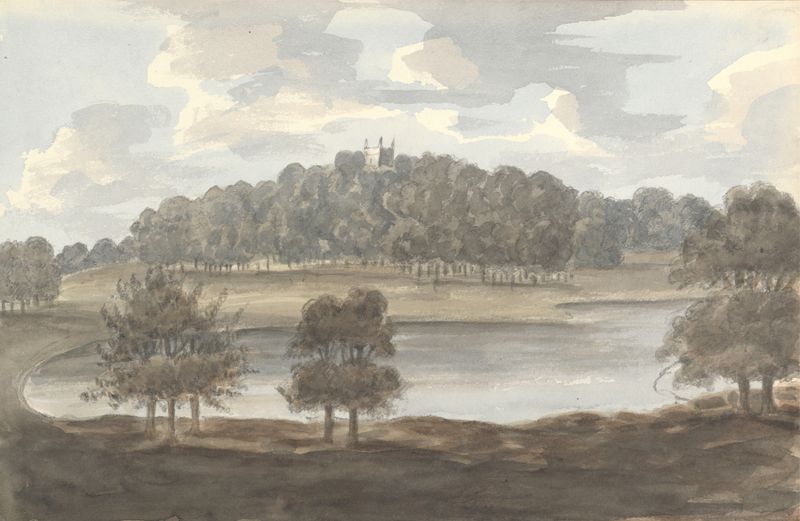
Holkham, August 1824
Anne Rushout

Grove Cottage, Wanstead May 18th, 1825
Anne Rushout
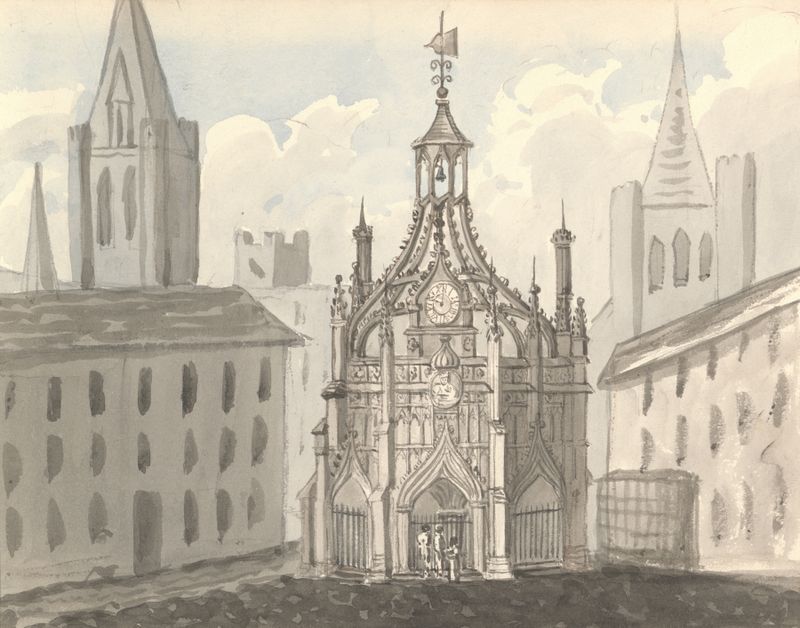
From Inn at Chichester, July 1828
Anne Rushout
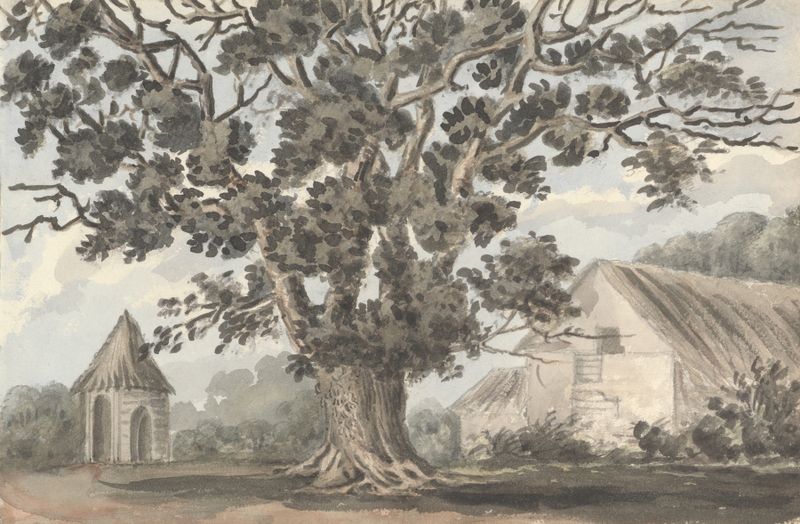
Queen Elizabeth’s Oak near Finborough Hall
Anne Rushout

Holkham, August 1824
Anne Rushout
Temple and Falls, Sezincote
Anne Rushout

From Flower Garden, Wanstead Grove
Anne Rushout

From Window at Eastnor Castle, Gloucestershire Beacon, September 28, 1829
Anne Rushout

From Portico at Wanstead Grove, May 24, 1825
Anne Rushout





