Lopende koe — History & Facts
In the quietude of Lopende koe, a seemingly serene pastoral scene belies a deeper undercurrent of violence, suggesting the fragility of peace amidst nature’s harsh realities. Look to the center of the canvas where a solitary cow strides forward, its sturdy form contrasting with the delicate brushstrokes of the surrounding landscape. Notice how the muted earth tones of browns and greens envelop the beast, evoking a natural harmony that feels both comforting and tense. The soft, golden light bathes the cow, illuminating its strong musculature, yet casting shadows that whisper of struggle and the weight of existence. The juxtaposition of the animal's proud stance against the rural backdrop hints at a narrative beyond mere pastoral beauty.
The placement of dark shadows and the sharp lines of foliage suggest the remnants of untold histories—perhaps the violence of hunters or the harshness of survival. Each brushstroke raises questions: what has this cow endured? What truths lie hidden in the quiet of this idyllic scene? In 1644, Nicolaes Pietersz Berchem was immersed in the Dutch Golden Age, a time when genre painting flourished alongside the exploration of natural landscapes. This period was marked by a quest for beauty, yet beneath the surface, there simmered an awareness of turmoil—both personal and societal.
Berchem’s works from this time reflect an artist grappling with the complexities of life, capturing not only the allure of nature but also the darker sentiments that linger in its shadows.
More Artworks by Nicolaes Pietersz Berchem
Browse all →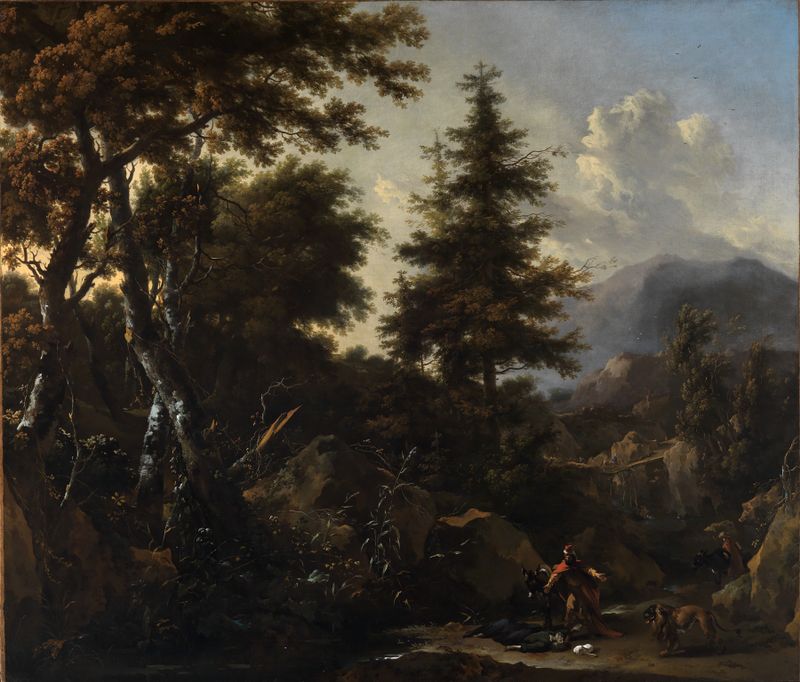
Schlucht im Bergwald mit alttestamentlicher Staffage
Nicolaes Pietersz Berchem
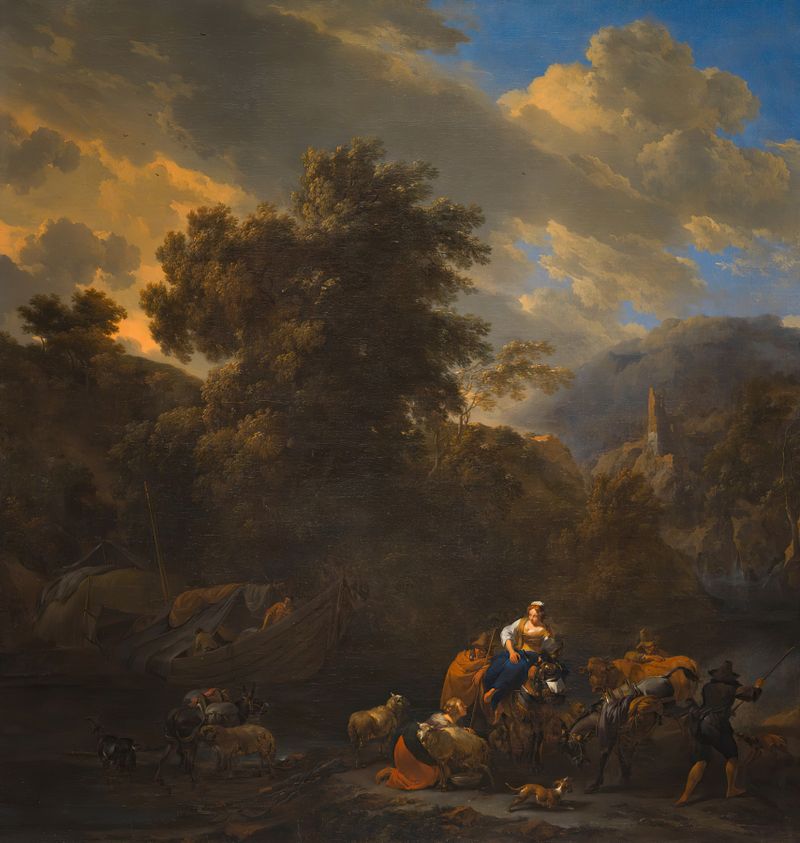
Italianate Landscape with Figures and Pack Animals on the Banks of a River
Nicolaes Pietersz Berchem
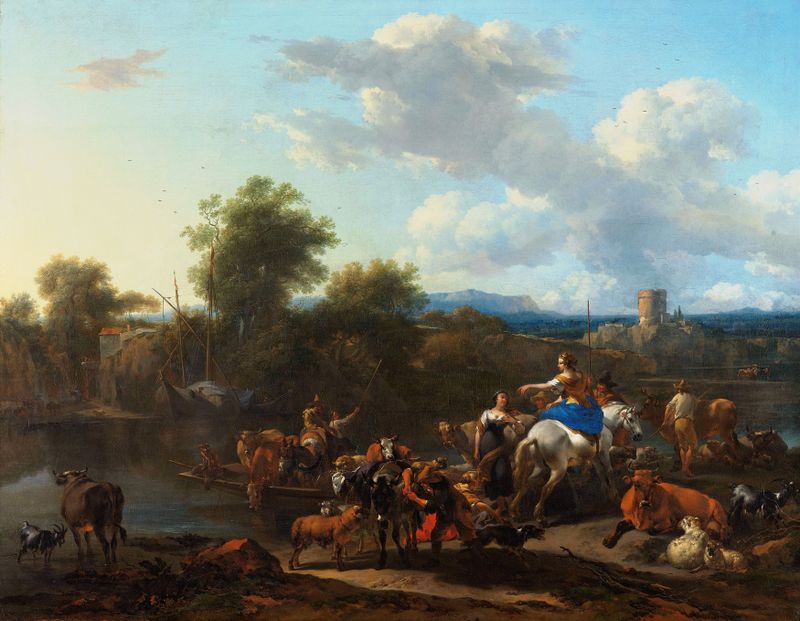
The Cattle Ferry
Nicolaes Pietersz Berchem
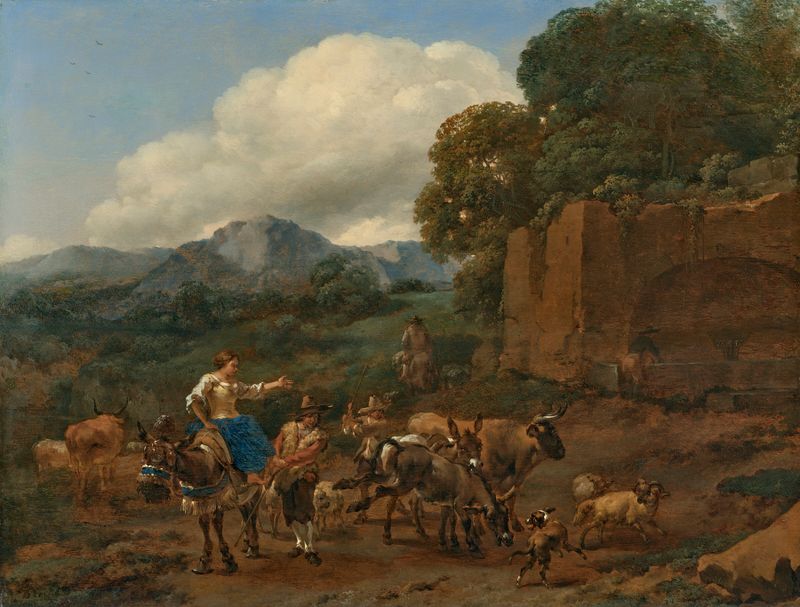
An Italianate landscape with a shepherdess on a mule and a shepherd, herding cattle, sheep, donkeys and dogs on a mountain track next to ruins
Nicolaes Pietersz Berchem
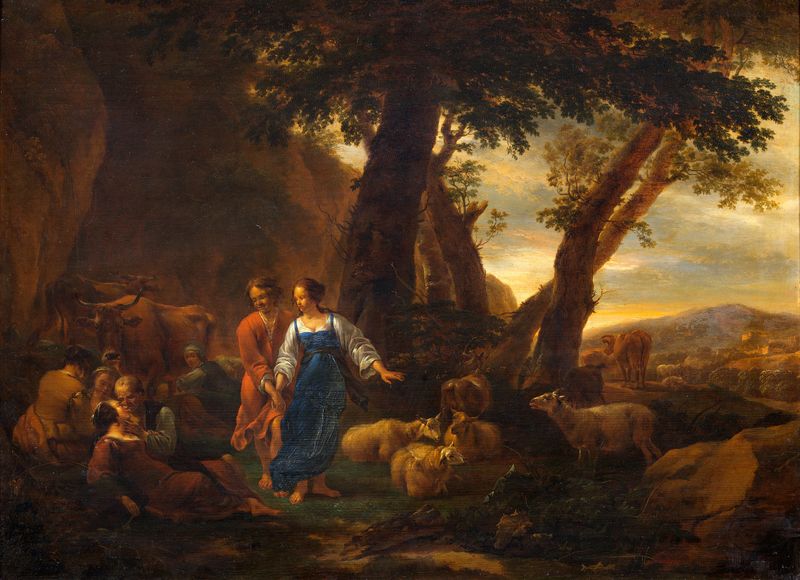
Landscape with Peasants and Cattle
Nicolaes Pietersz Berchem
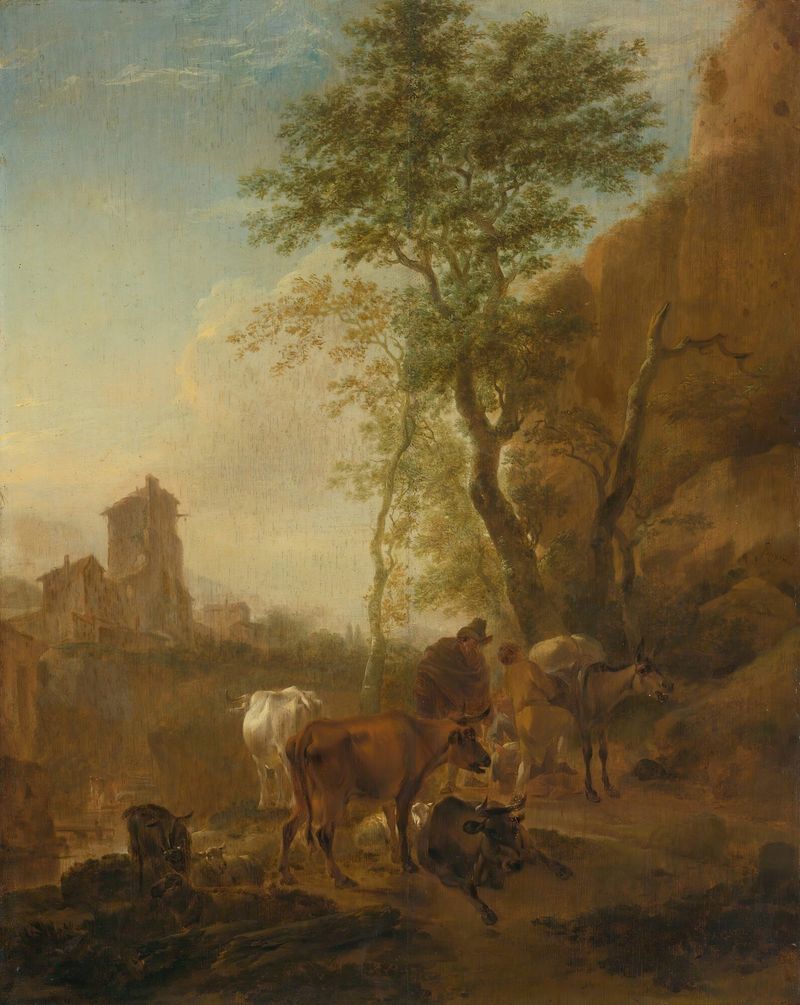
Italianate Landscape With Cows
Nicolaes Pietersz Berchem
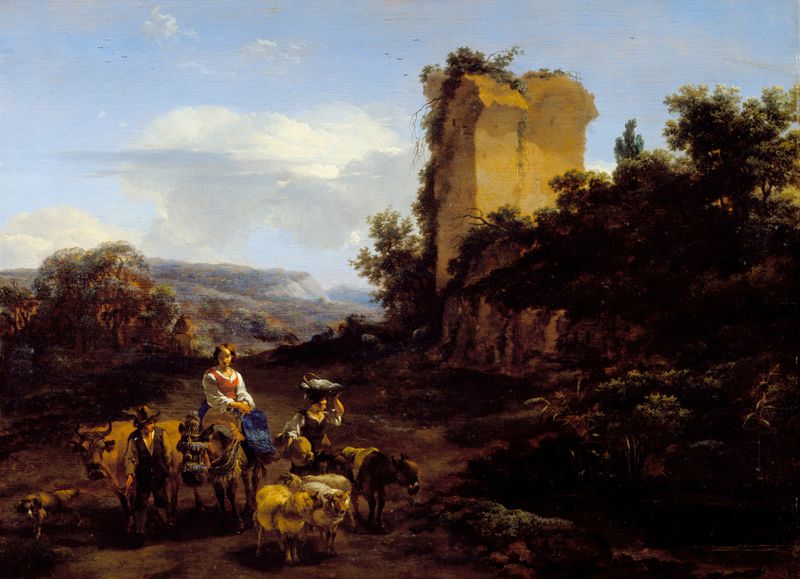
Landscape with Ruins and Travelers
Nicolaes Pietersz Berchem
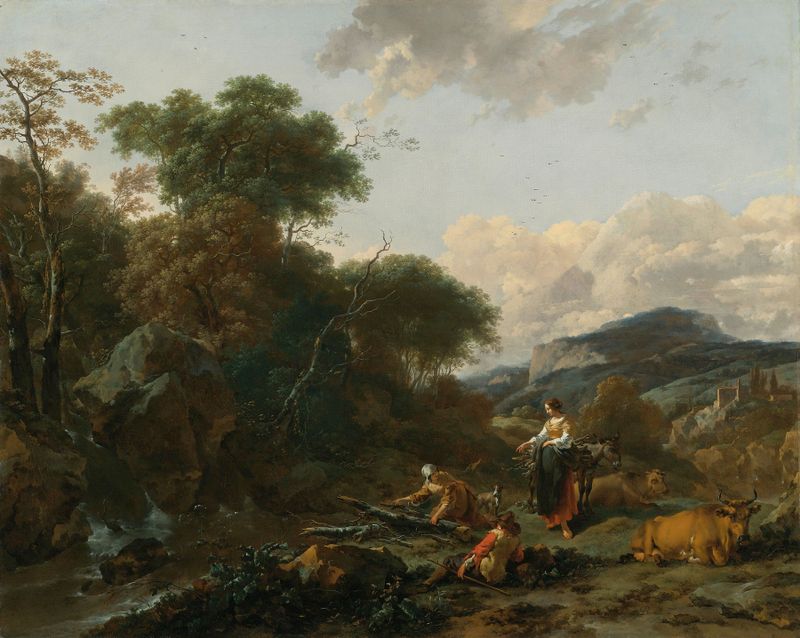
A Landscape With Figures
Nicolaes Pietersz Berchem
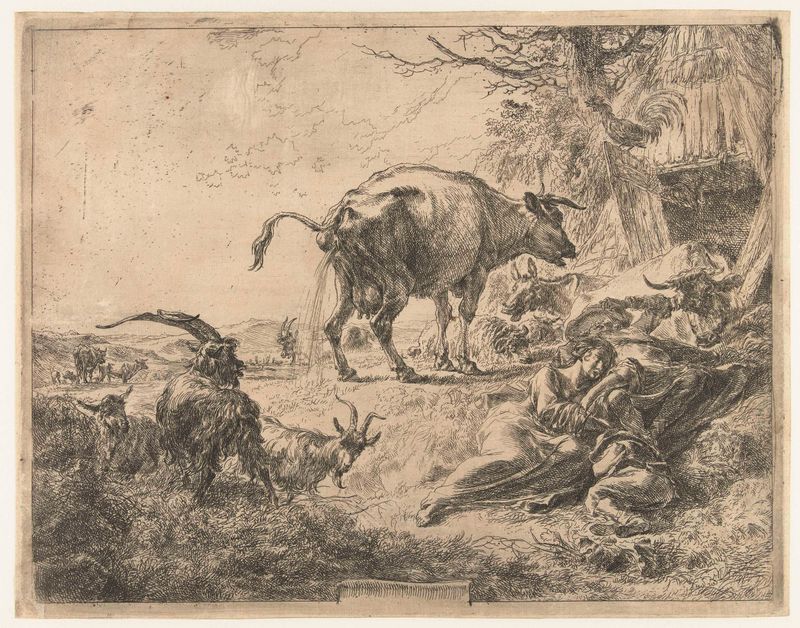
Slapende herdersfamilie en rustend vee
Nicolaes Pietersz Berchem
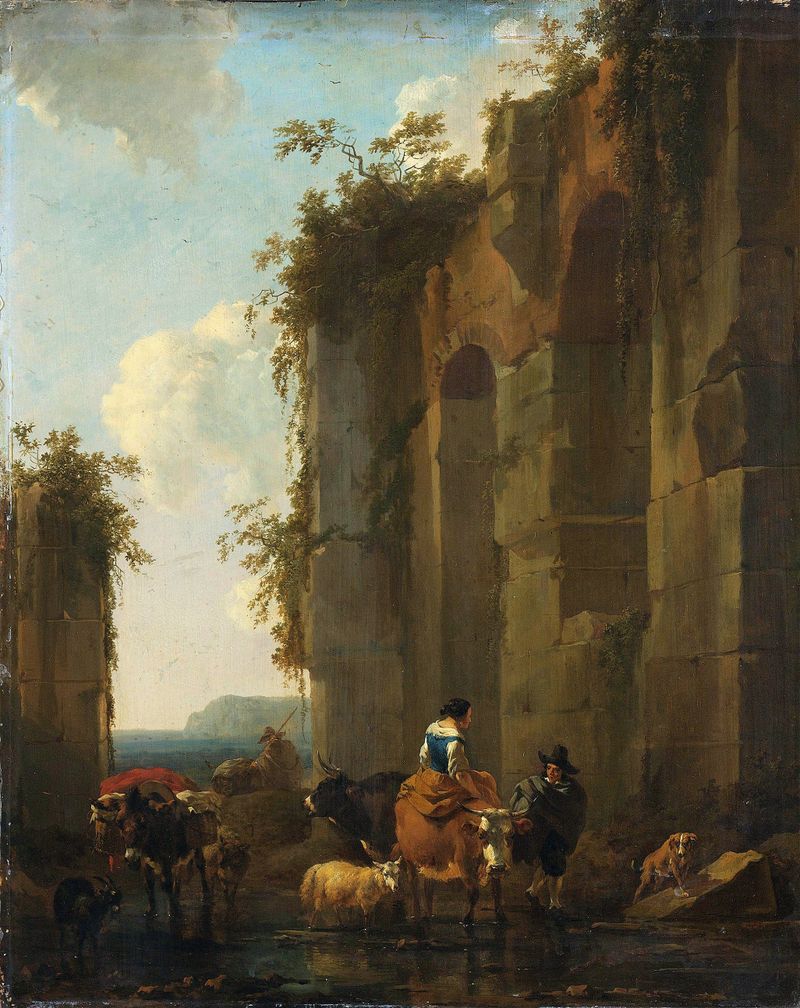
Ruins in Italy
Nicolaes Pietersz Berchem