
Lord Gwydir’s, Near the Capel Carig Road, September 1830 — History & Facts
When did color learn to lie? In Lord Gwydir’s, Near the Capel Carig Road, September 1830, the canvas suggests a deceptive serenity, inviting viewers to explore the space between reality and illusion. Look to the horizon where the soft blues of the sky bend seamlessly into the muted greens of the landscape. The gentle brushstrokes create a delicate haze, blending the trees and hills into a dreamlike vision. Notice how the light filters through the leaves, casting dappled shadows that dance across the foreground.
The composition foregrounds a winding road that beckons the viewer further into this enigmatic realm, while the subtle palette evokes a sense of nostalgia, each hue a whisper of time passed. Yet beneath this tranquil surface lies a tension—a void that speaks to the transience of nature. The path, though inviting, suggests a journey without a clear destination. The juxtaposition of the lush scenery and the looming shadows hints at an unseen narrative, perhaps the interplay between the passage of time and the permanence of the landscape.
Each brushstroke captures a fleeting moment, urging contemplation on what has been lost or gained in the process of observing beauty. In 1830, Anne Rushout painted this work during a period of artistic exploration and romanticism in England. The countryside was a subject of increasing interest among artists as they sought inspiration in the sublime beauty of nature. Amidst social and political upheaval, works like this reflected a growing desire to escape into the pastoral, capturing both the allure and the ephemeral qualities of the natural world.
More Artworks by Anne Rushout
Browse all →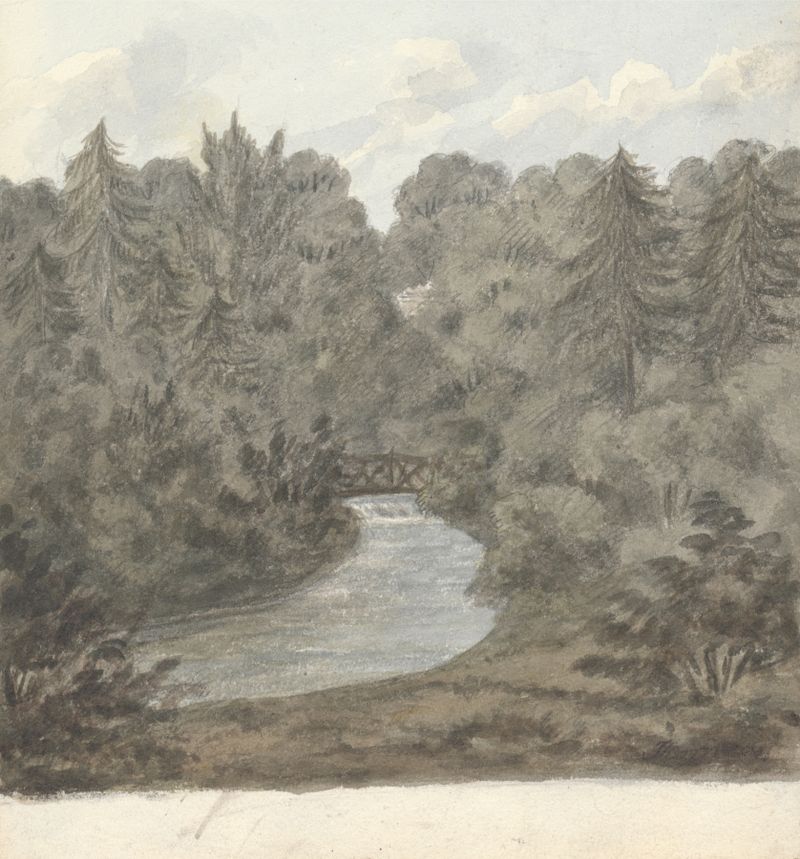
Thornery Pool, Sezincote
Anne Rushout
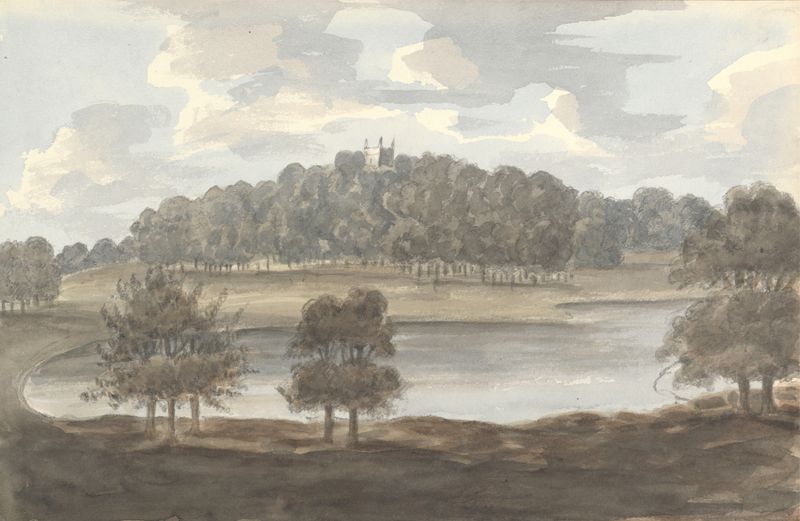
Holkham, August 1824
Anne Rushout

Grove Cottage, Wanstead May 18th, 1825
Anne Rushout
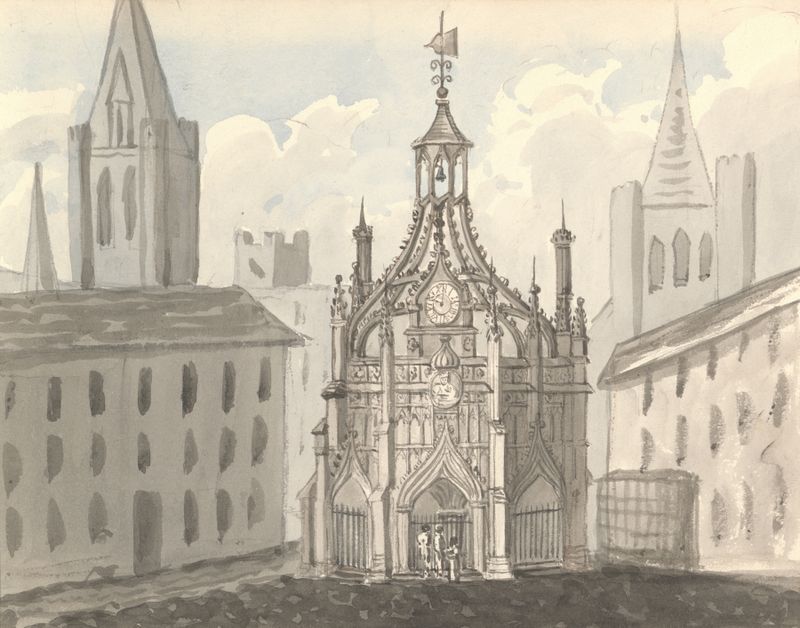
From Inn at Chichester, July 1828
Anne Rushout
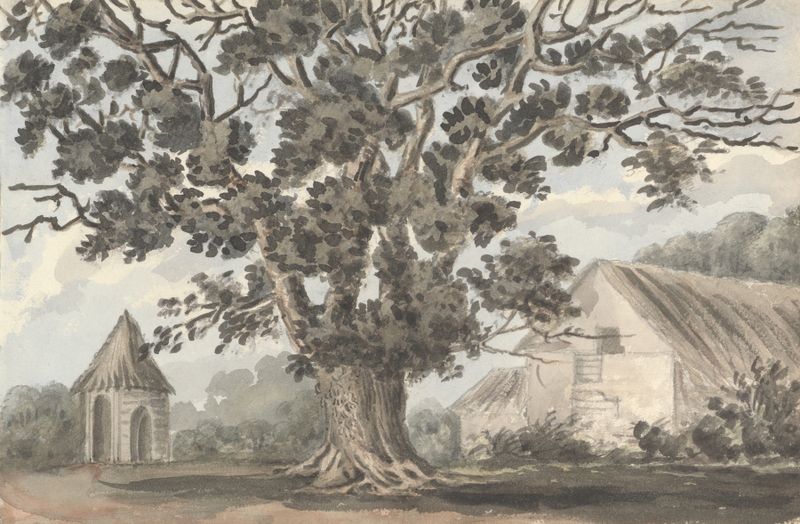
Queen Elizabeth’s Oak near Finborough Hall
Anne Rushout

Holkham, August 1824
Anne Rushout
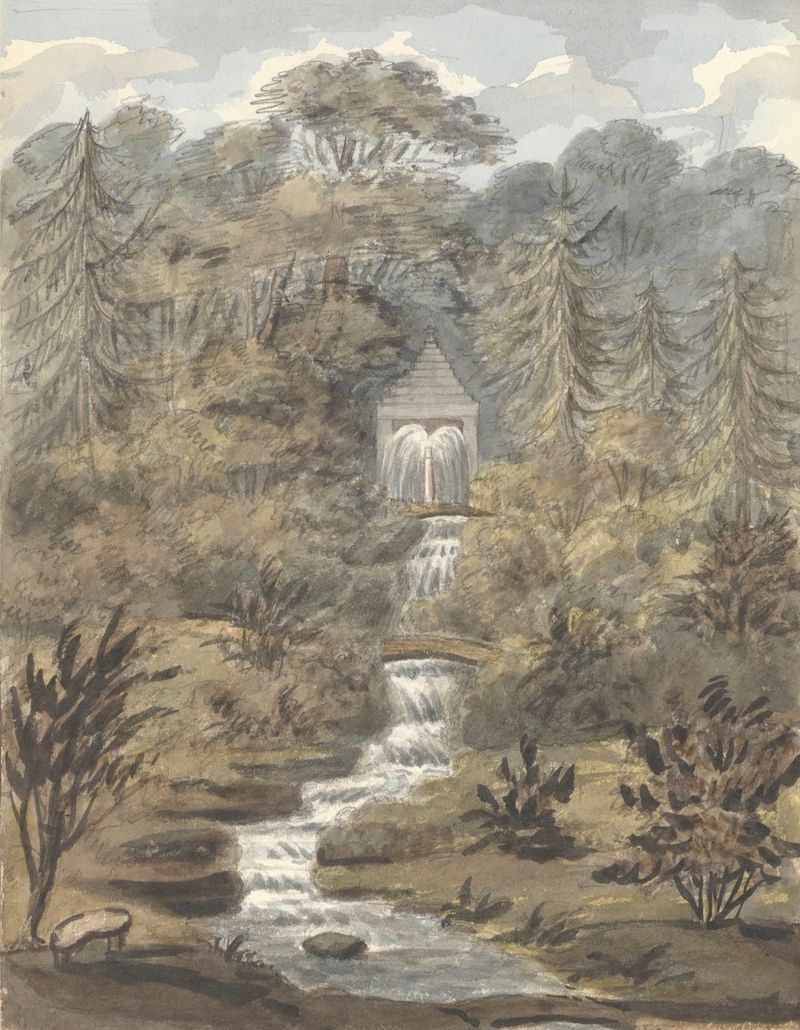
Temple and Falls, Sezincote
Anne Rushout

From Flower Garden, Wanstead Grove
Anne Rushout

From Window at Eastnor Castle, Gloucestershire Beacon, September 28, 1829
Anne Rushout

From Portico at Wanstead Grove, May 24, 1825
Anne Rushout





