
L’Oservateur boche — History & Facts
Who listens when art speaks of silence? In the stillness of L’Oservateur boche, the weight of absence hangs heavy, a fragile balance between presence and void. Focus on the central figure, a lone observer, clad in muted tones that blend seamlessly into the shadowy background. Notice how the light subtly caresses the edges of his silhouette, illuminating his pensive gaze while casting the rest of his form into obscurity. The texture of the canvas adds a tactile dimension, emphasizing the weariness etched into his features.
This careful interplay of light and dark guides our eyes to the solitary figure, inviting contemplation of his silent vigil. Digging deeper, the painting evokes themes of isolation and the burden of observation. The observer’s stance suggests a passive witness to an unfolding narrative, perhaps a commentary on the tumultuous political climate of the time. The muted palette conjures a sense of melancholy, while the absence of surrounding figures amplifies the sense of fragility in existence.
Such contrasts challenge us to reflect on the nature of seeing and not being seen, of being present yet profoundly alone. Created in 1914, L’Oservateur boche emerged during a period of rapid change in Europe, as World War I loomed on the horizon. Auguste Louis Lepère, influenced by the burgeoning movements of modernism, sought to capture the emotional weight of societal upheaval through his work. The painting reflects not only personal introspection but also the pervasive anxiety of a world on the brink of chaos, marking a significant moment in art history.
More Artworks by Auguste Louis Lepère
Browse all →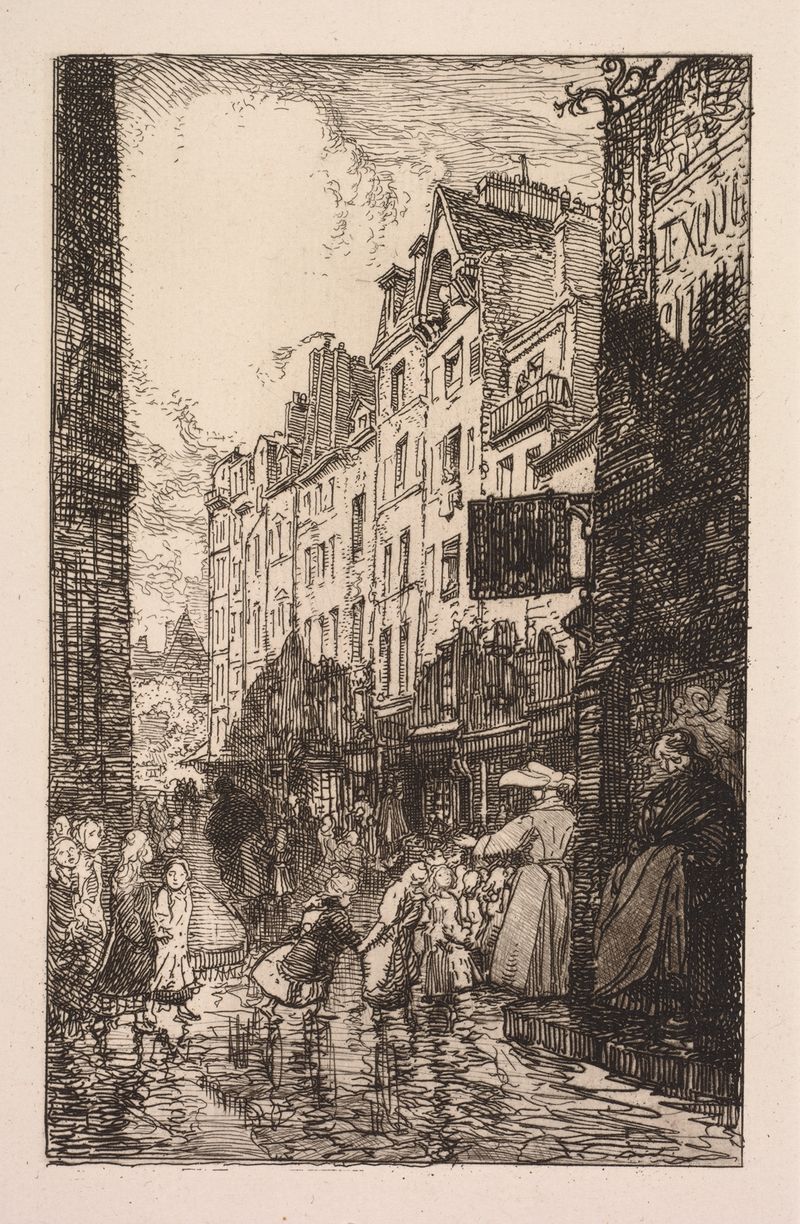
La Rue des Prêtres Saint-Séverin
Auguste Louis Lepère
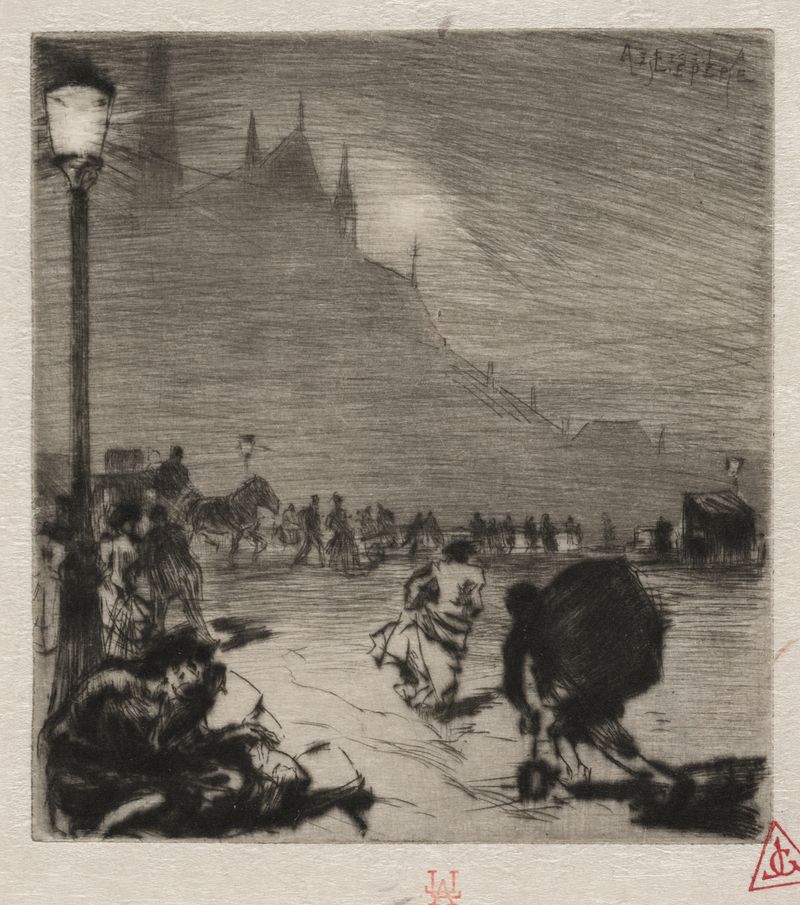
Au Coin du Pont-aux-Doubles
Auguste Louis Lepère
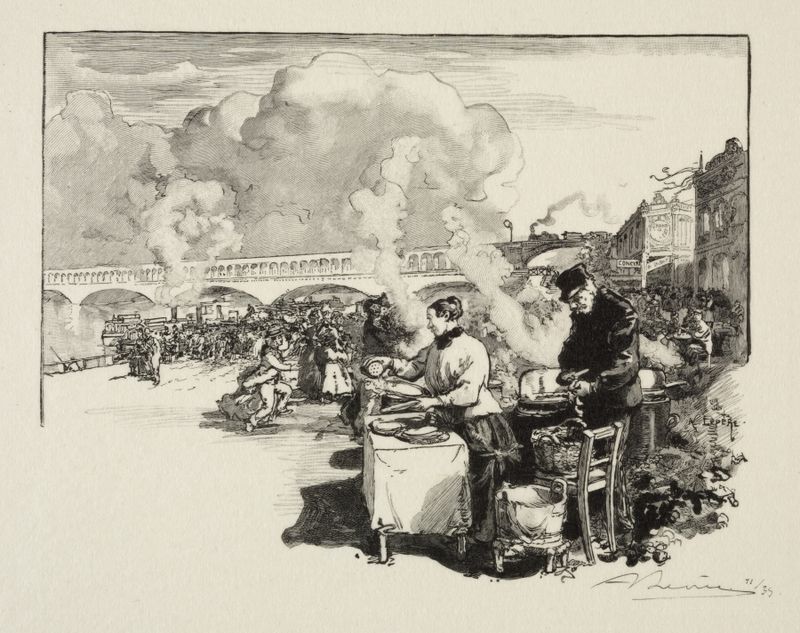
Debarcadère des bateaux-omnibus
Auguste Louis Lepère

La Seine, au quai de la Rapée
Auguste Louis Lepère
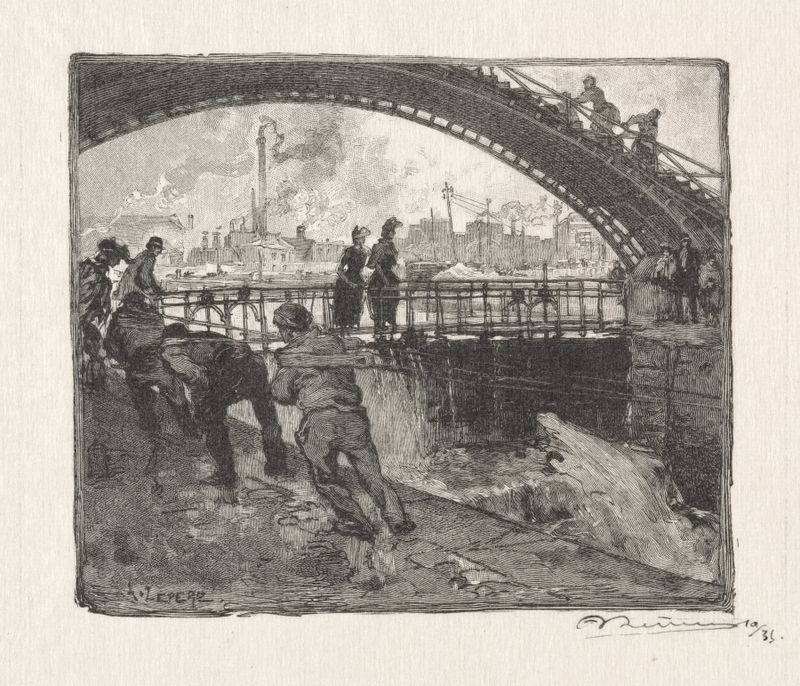
L’Ecluse du Canal St. Martin
Auguste Louis Lepère

Le Boulevard Montmartre, le Soir
Auguste Louis Lepère

Une Chasse au Mont Gérard
Auguste Louis Lepère
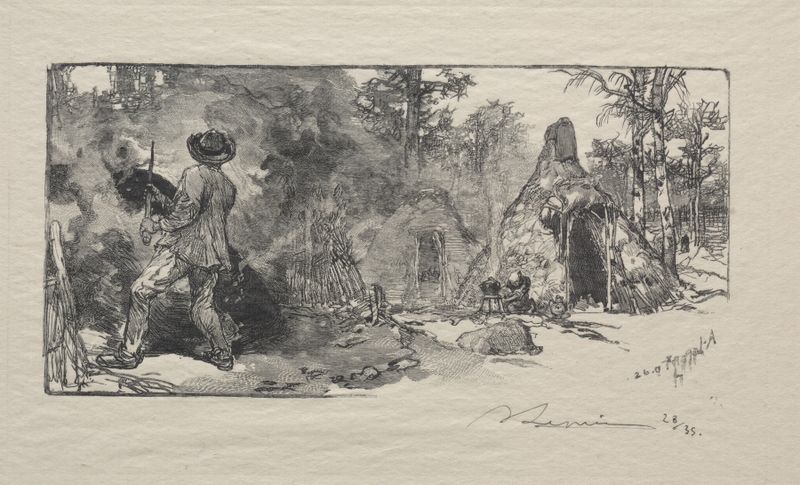
Les Charbonniere
Auguste Louis Lepère
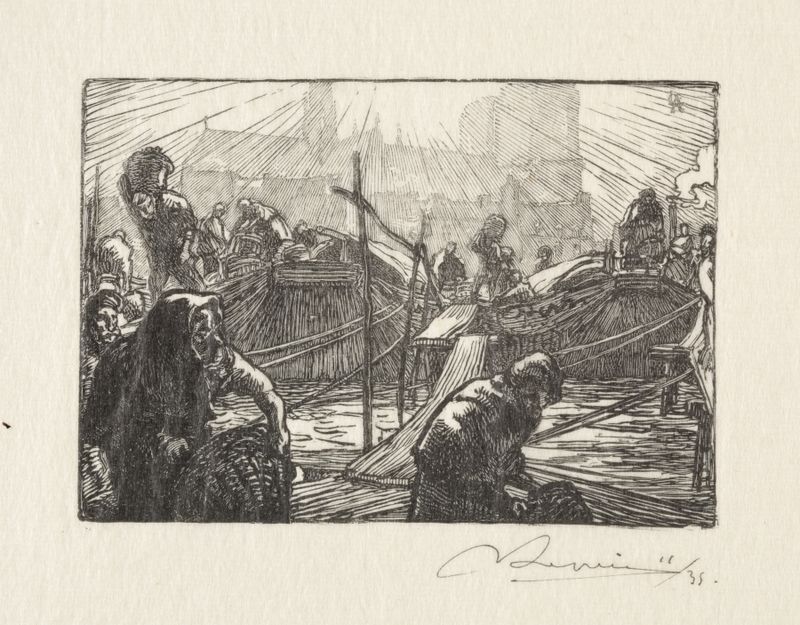
Notre Dame vue du Marché aux pommes
Auguste Louis Lepère

Le Palais des Arts Liberaux, Intèrieur
Auguste Louis Lepère





