
Lotz — History & Facts
Who listens when art speaks of silence? In the stillness of Lotz, Auguste Louis Lepère invites us to embrace the ecstasy of quietude, where every detail resonates with an unspoken depth. Look to the center of the composition, where the delicate interplay of light and shadow breathes life into the figures. Notice how the warm hues embrace the foreground, drawing your eye to the solitary figure immersed in contemplation. The careful strokes create a textured surface that captures the essence of reflective pause, while the cool backdrop evokes a sense of distance, amplifying the emotional weight of solitude. The juxtaposition of the intimate foreground and the expansive, almost suffocating background embodies a profound tension.
The figure seems caught between the warmth of personal experience and the cold, vast world that surrounds them. This contrast holds a whisper of universal yearning—a desire for connection in moments of isolation, a longing that resonates across time. Each brushstroke adds to the narrative of ecstasy found in silence, suggesting that even in solitude, there is a vibrant inner life teeming with emotion. Painted in 1900, Lotz emerged during a period of significant artistic exploration in France, where traditional boundaries were being challenged.
Lepère, known for his mastery in printmaking and painting, was deeply engaged with the themes of modern life. At this time, he was forging his unique aesthetic, capturing the nuances of everyday moments, while the art world was slowly shifting towards the modernist movements that embraced abstraction and individual expression.
More Artworks by Auguste Louis Lepère
Browse all →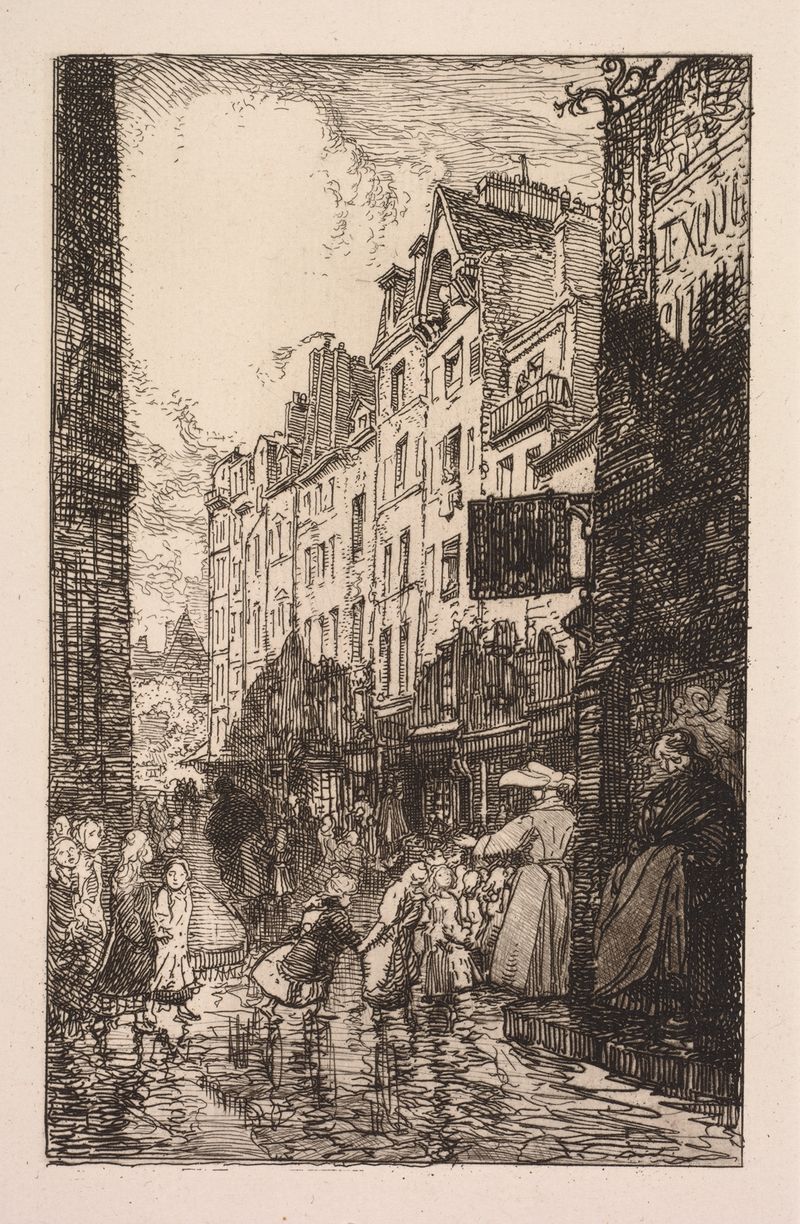
La Rue des Prêtres Saint-Séverin
Auguste Louis Lepère
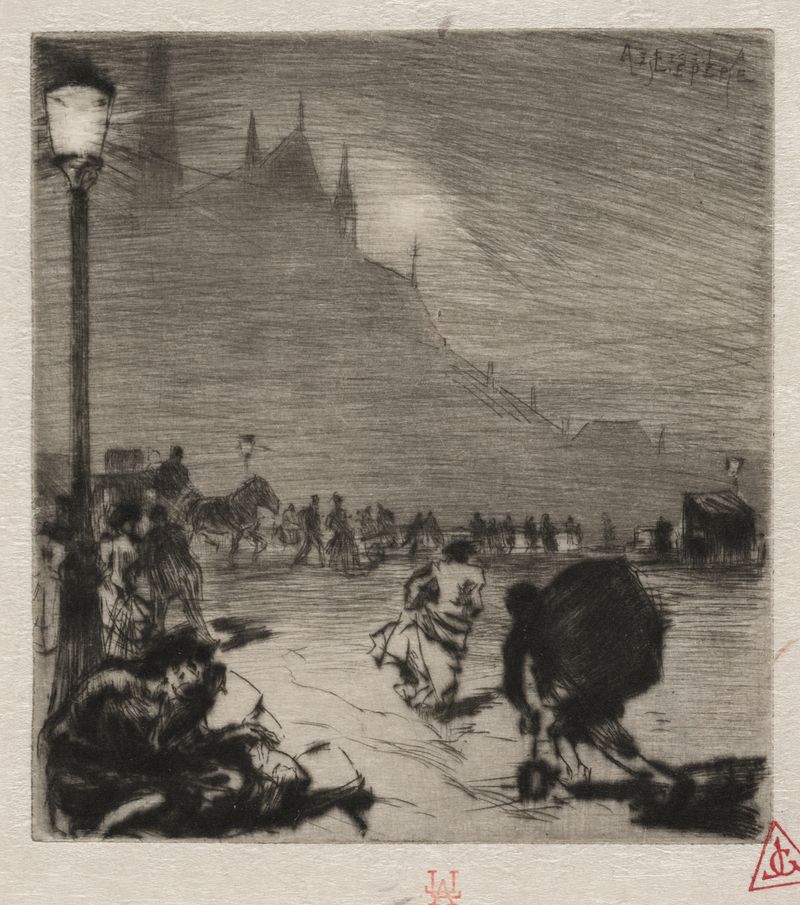
Au Coin du Pont-aux-Doubles
Auguste Louis Lepère
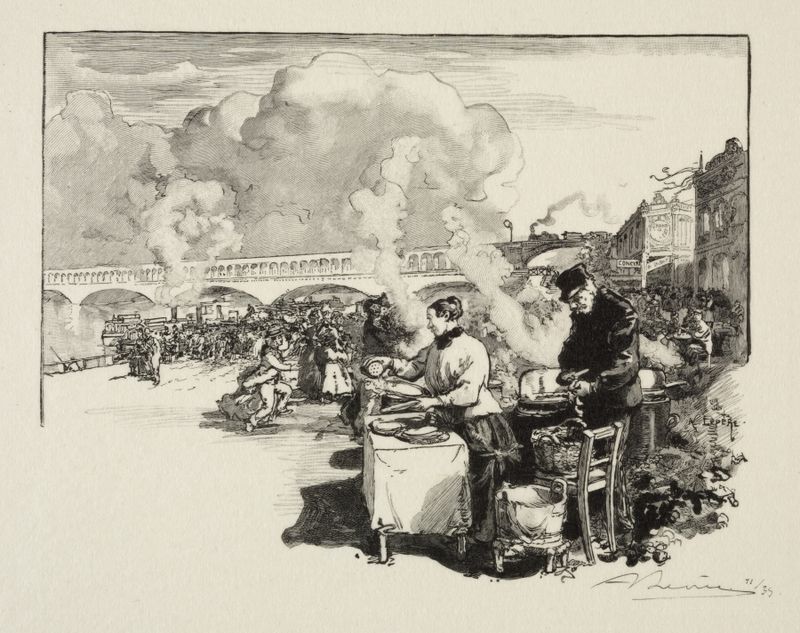
Debarcadère des bateaux-omnibus
Auguste Louis Lepère

La Seine, au quai de la Rapée
Auguste Louis Lepère
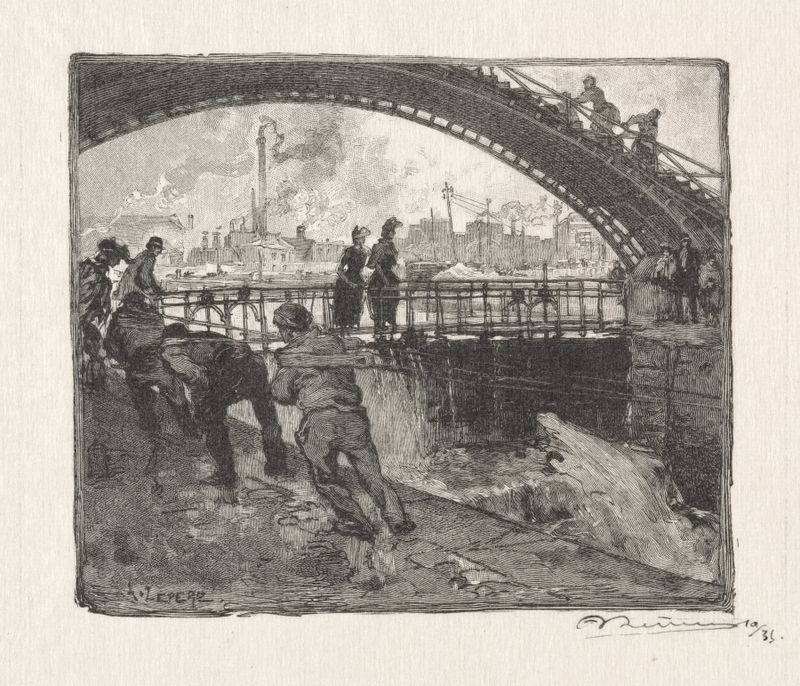
L’Ecluse du Canal St. Martin
Auguste Louis Lepère

Le Boulevard Montmartre, le Soir
Auguste Louis Lepère

Une Chasse au Mont Gérard
Auguste Louis Lepère
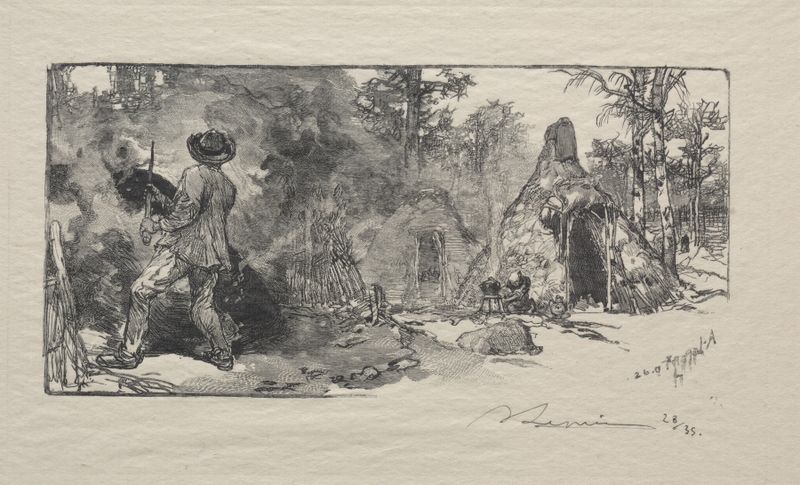
Les Charbonniere
Auguste Louis Lepère
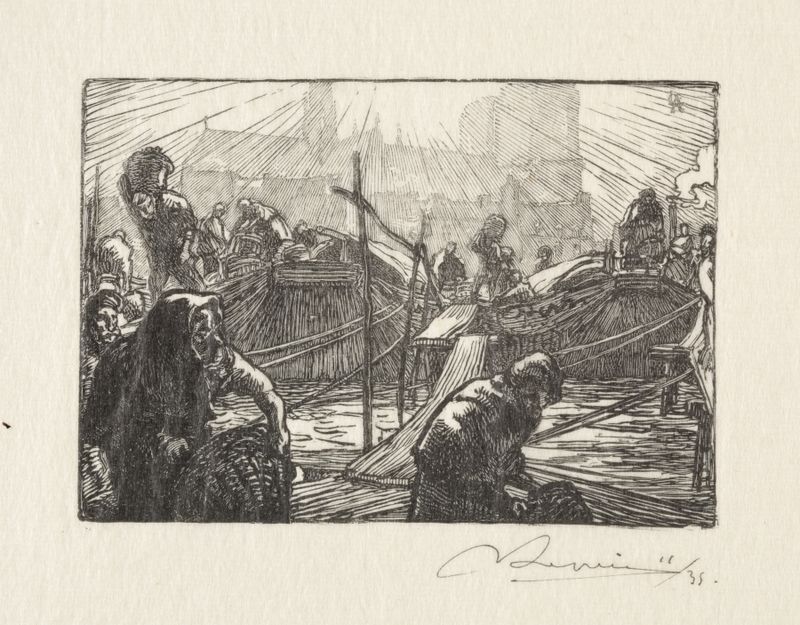
Notre Dame vue du Marché aux pommes
Auguste Louis Lepère

Le Palais des Arts Liberaux, Intèrieur
Auguste Louis Lepère





