Lotzwil — History & Facts
In the world of art, this truth resonates deeply, revealing the dual nature of our human experience—beauty intertwined with struggle. Look to the center of the canvas, where intricate golden patterns emerge against a backdrop of deep, muted hues. The richness of the gold contrasts with the somber tones, beckoning the viewer to explore the layers beneath the surface. Notice how the textures vary, some smooth and reflective, while others are coarse and rough, inviting you to consider the complexity of emotion in every brushstroke.
The composition draws the eye inward, creating a sense of intimacy and introspection. As you delve deeper, observe the subtle interplay of light and shadow, suggesting a tension between hope and despair. The glimmering gold may symbolize aspirations or dreams, yet its incorporation into a darker setting evokes the weight of unfulfilled desires. This duality prompts reflection on how we often mask our pain with beauty, crafting façades to conceal our truths, which resonates on both a personal and universal level. During the time Jakob Samuel Weibel created this piece, the art world was navigating through significant changes, with movements shifting toward abstraction and expression.
Working in a period marked by social upheaval, Weibel's exploration of beauty and pain reflects both his personal experiences and the broader societal context, where art became a vessel for confronting uncomfortable truths. The essence of his work lies in this profound search for meaning amidst chaos, capturing the human condition in all its complexities.
More Artworks by Jakob Samuel Weibel
Browse all →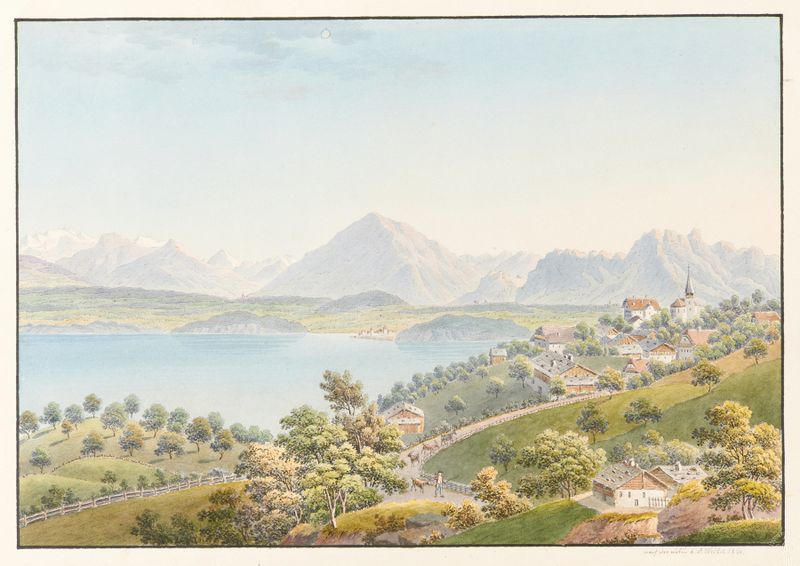
Vue dessiné depuis le Village de Sigriswil, audessus du Lac de Thoune
Jakob Samuel Weibel
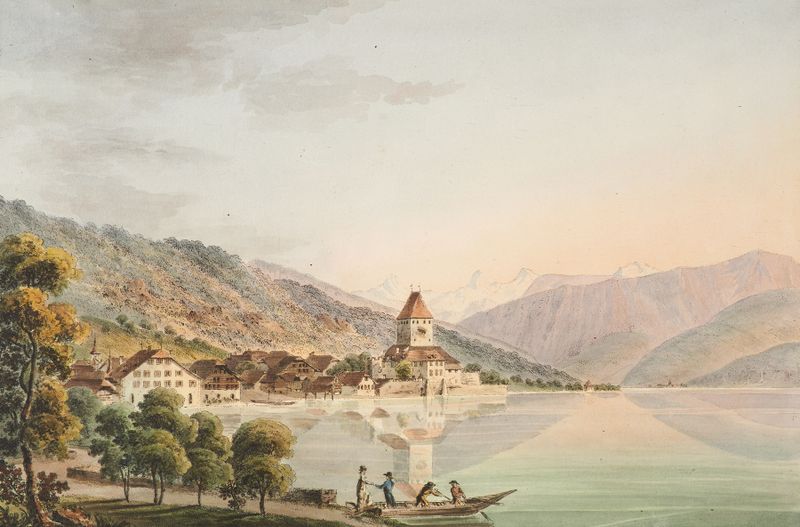
Vûe du Chateau d’Oberhofen au Lac de Thoune
Jakob Samuel Weibel
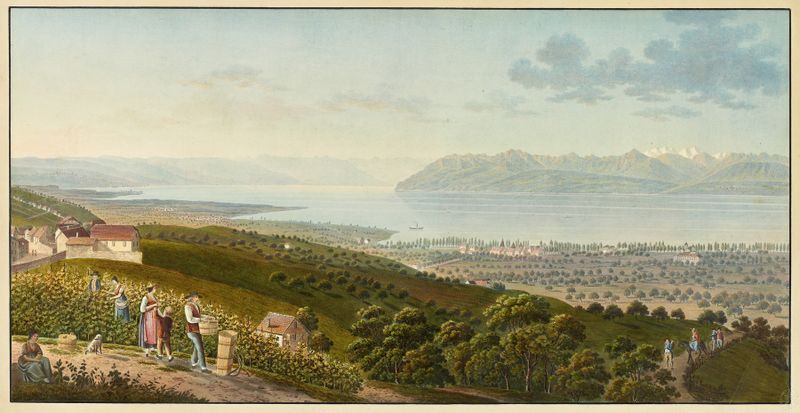
Vue genérale du Lac de Geneve
Jakob Samuel Weibel
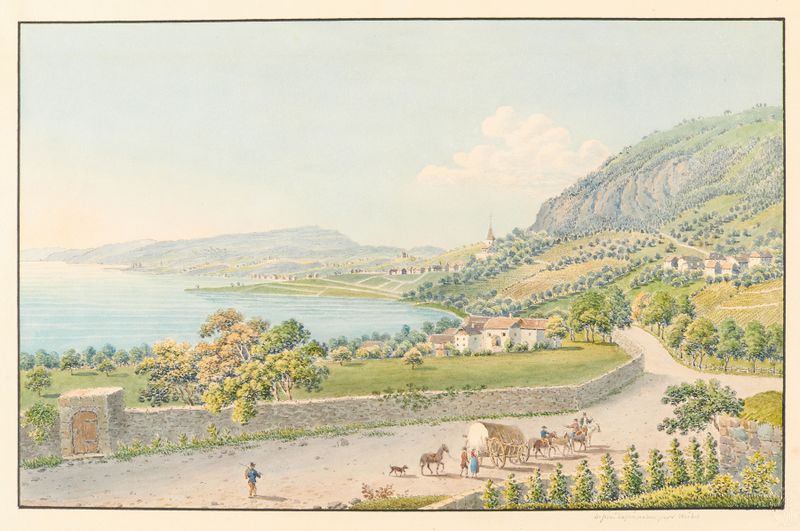
Vue des environs de Montreux et de Clarens
Jakob Samuel Weibel
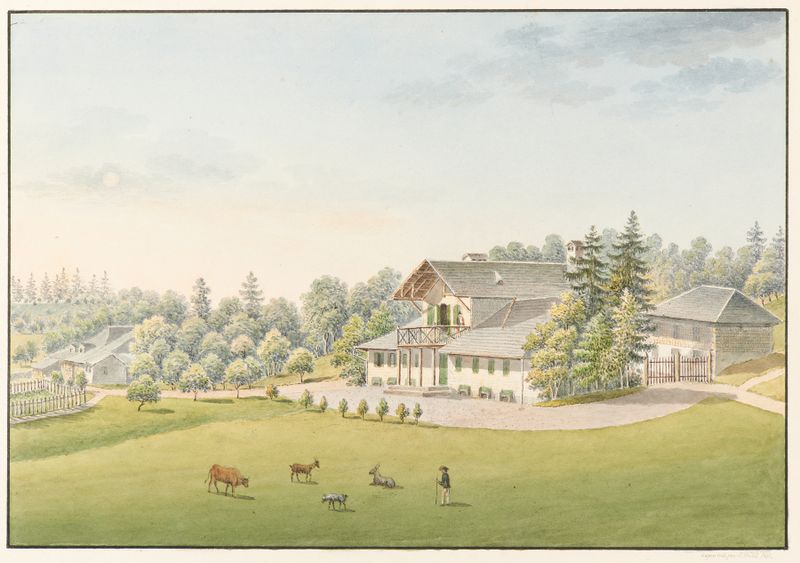
Vue du nouveau Châlet de Vernand
Jakob Samuel Weibel
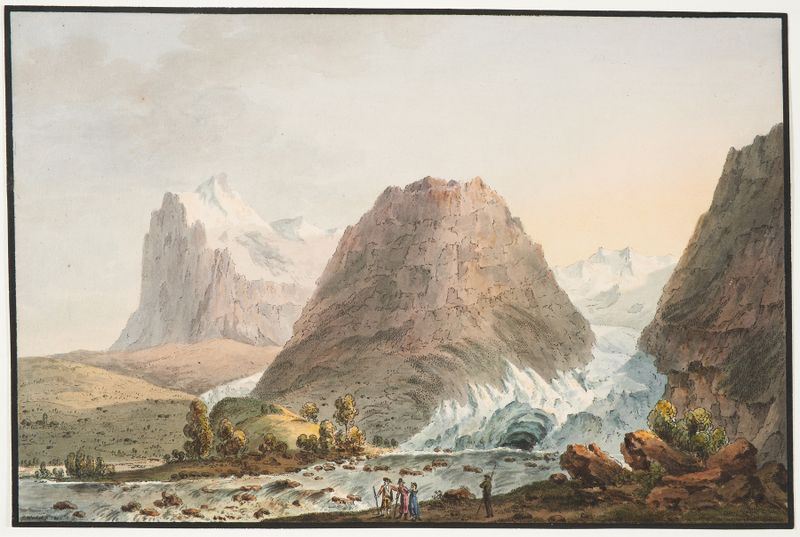
Vûe des Glacieres de Grindelwald
Jakob Samuel Weibel
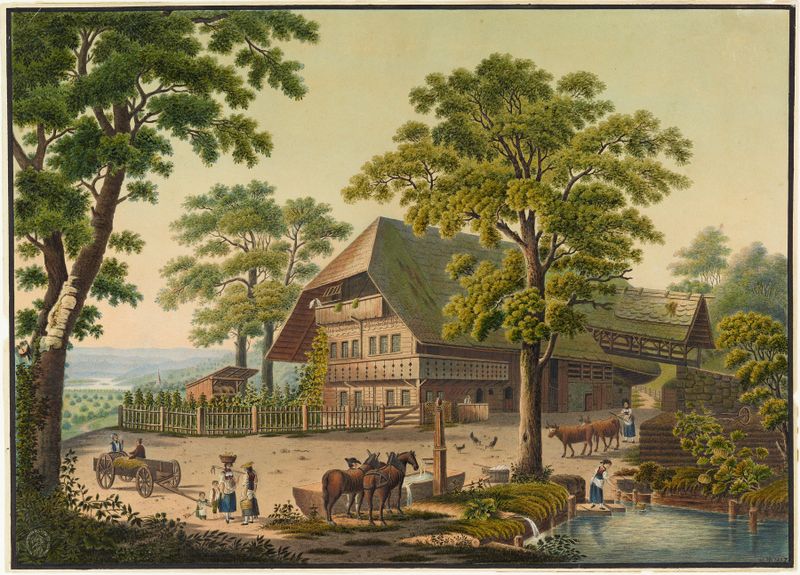
Maison de paysan près Wichtrach
Jakob Samuel Weibel
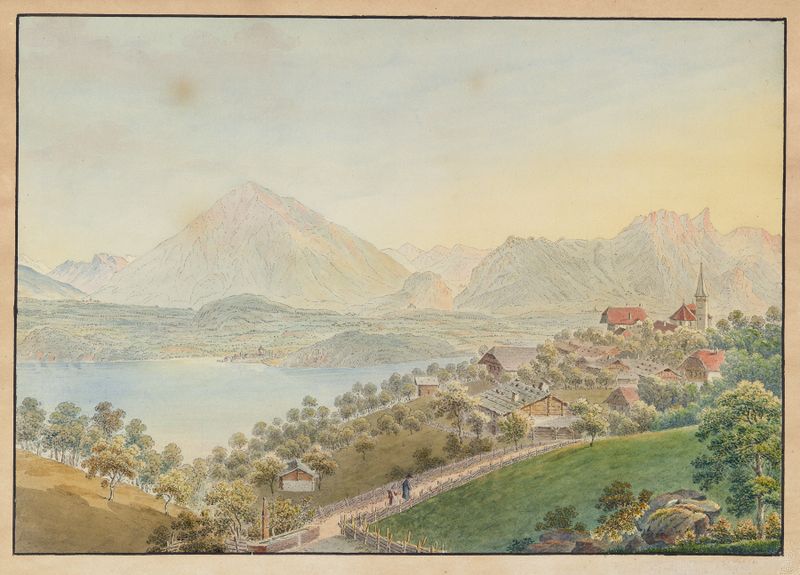
Ansicht von Sigriswil mit Niesen und Thunersee
Jakob Samuel Weibel
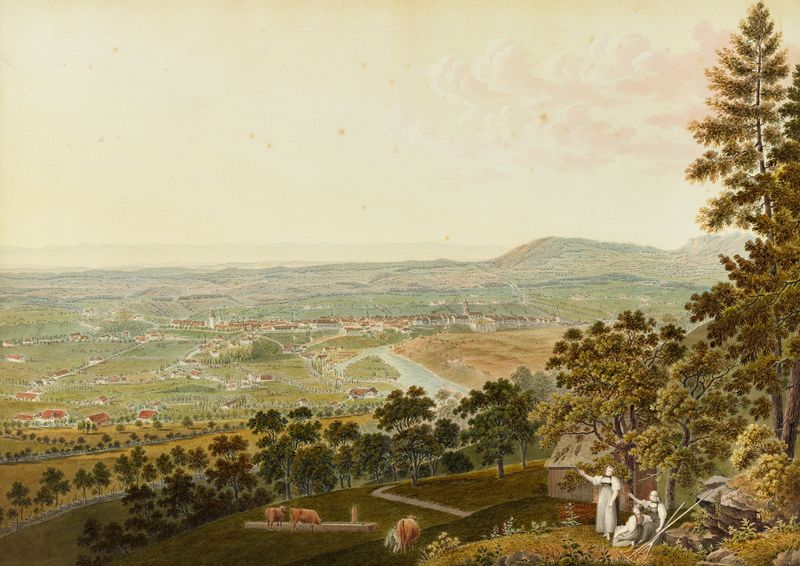
Ansicht Berns und der Aare vom Gurten aus
Jakob Samuel Weibel

Lausanne Ville capitale du Canton de Vaud
Jakob Samuel Weibel