
Louis Sparre — History & Facts
What first catches the eye in this portrait is the way the sitter’s gaze seems to retreat inward, as if the artist has caught him in the midst of a private reckoning. The face emerges from a dense weave of crosshatched lines, each stroke building the shadows that press in around the head and deepen the furrowed brow. The cropped hair and heavy mustache anchor the image in a particular moment of late nineteenth-century masculinity, while the downward glance and set mouth suggest a mind preoccupied.
The light, so sparingly used, falls across the forehead and cheekbones, drawing attention to the sitter’s expression rather than his surroundings, which dissolve into darkness. Every etched line feels deliberate, as if the artist is not just recording a likeness, but probing for something beneath the surface. Created in 1896, this work belongs to a period when portraiture in northern Europe was shifting from the grand, formal commissions of the past to more intimate, psychological studies. Artists like Axeli Gallen-Kallela—whose name is attached to this piece in the Gallen-Kallela Museum—were exploring new ways to capture personality and presence, often turning to friends, fellow artists, or themselves as subjects.
The late nineteenth century saw the rise of etching and drawing as vehicles for these explorations, valued for their immediacy and honesty. While history has kept few traces of the specific circumstances behind this portrait, its survival in the museum’s collection invites us to linger on the intensity of its gaze, and to imagine the world of ideas and ambitions that shaped both artist and sitter.
More Artworks by Axeli Gallen-Kallela
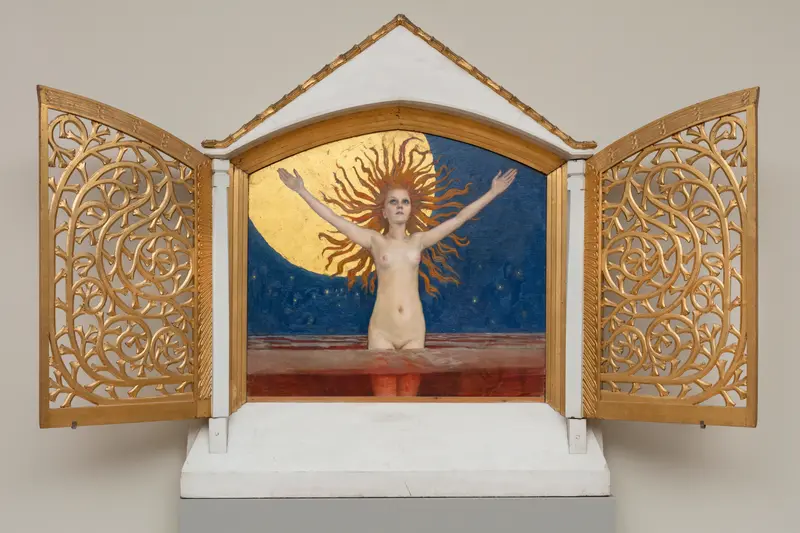
Ad Astra
Axeli Gallen-Kallela
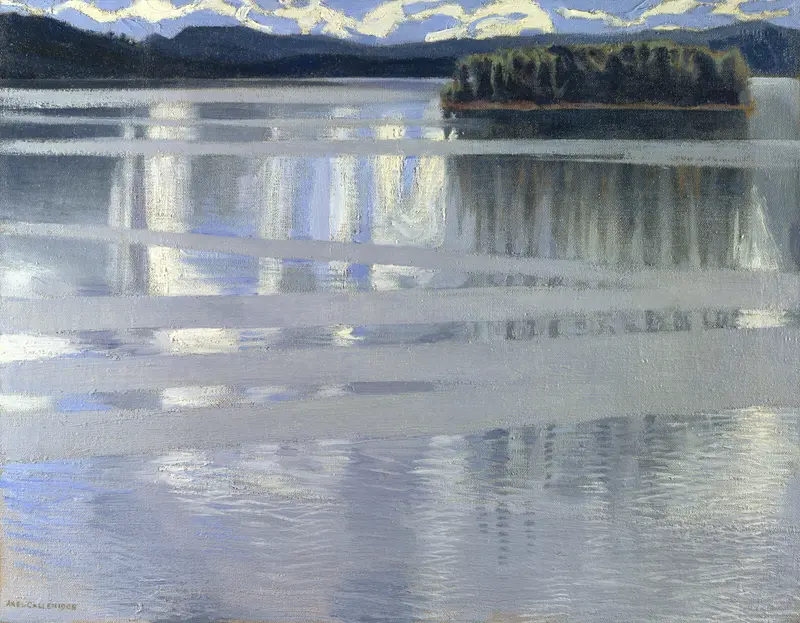
Lake Keitele
Axeli Gallen-Kallela
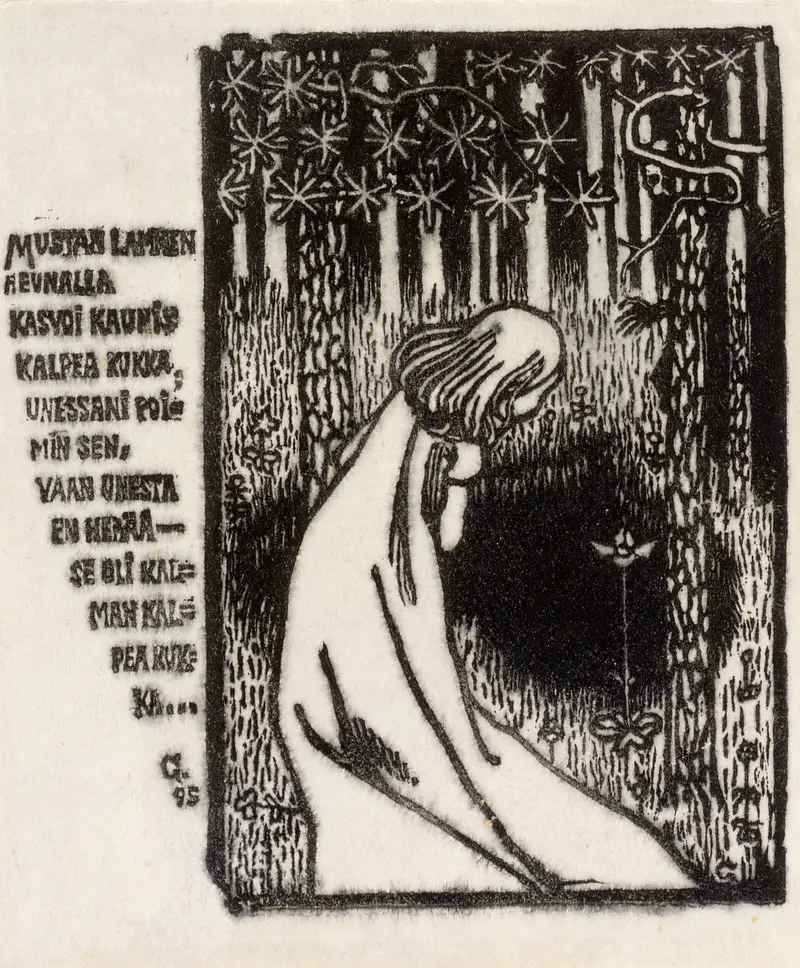
Flower of Death
Axeli Gallen-Kallela
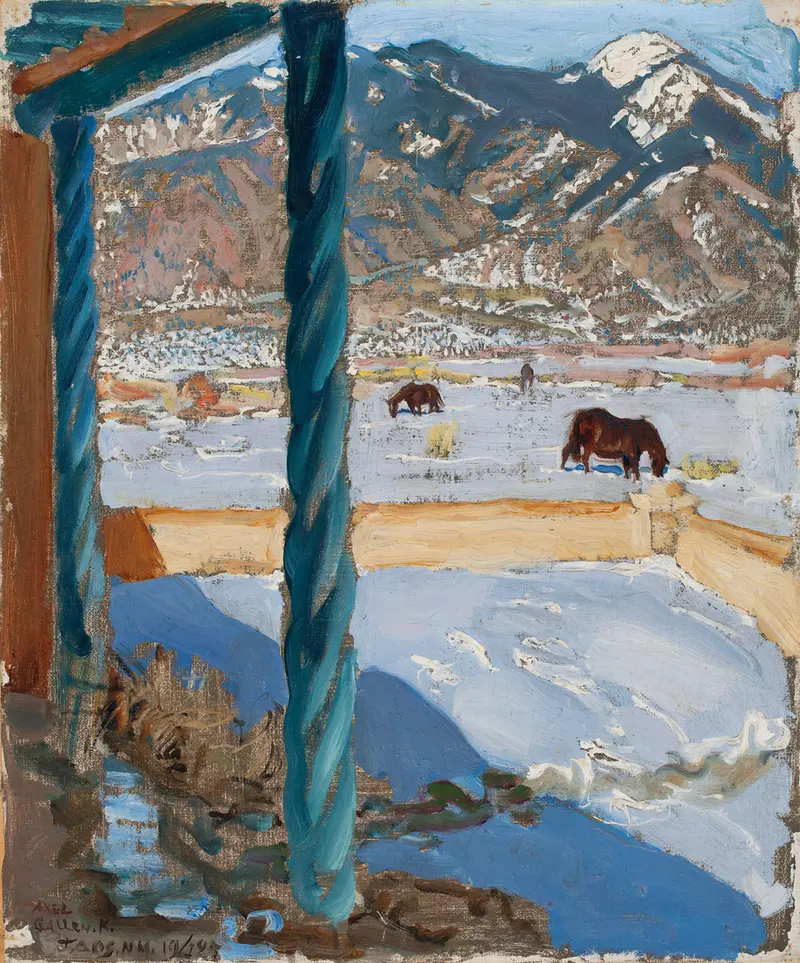
Taos Home in Sunlight
Axeli Gallen-Kallela
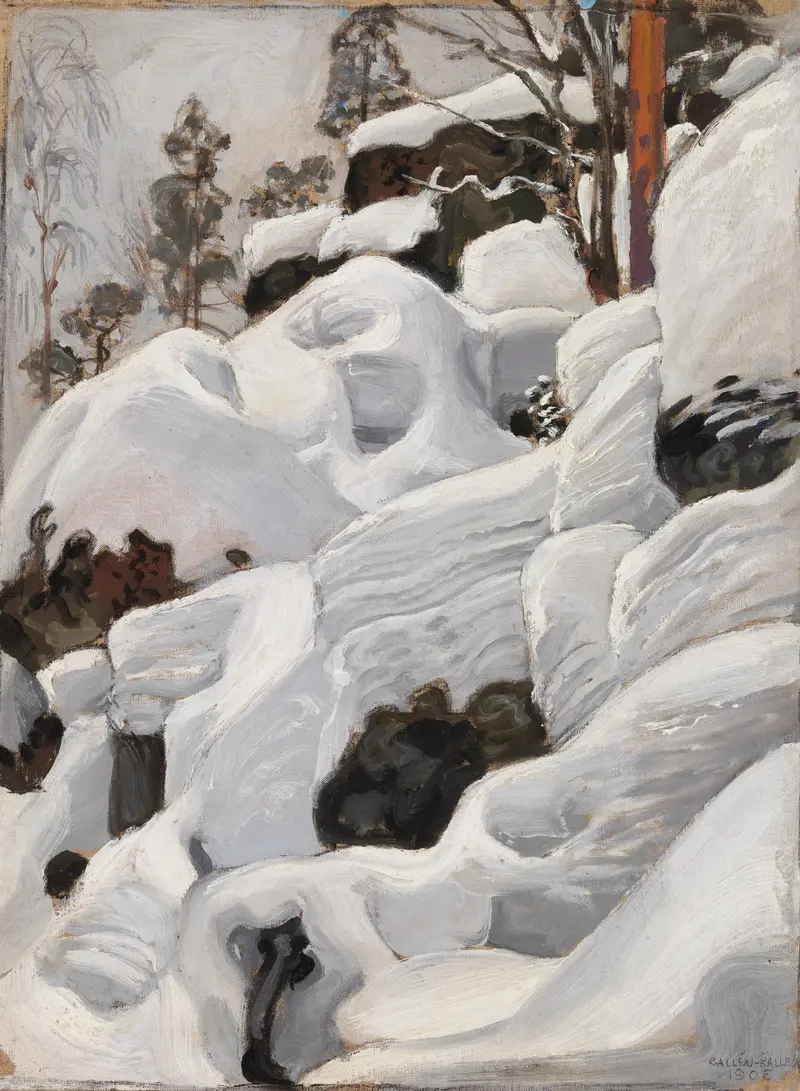
Lair of the Lynx
Axeli Gallen-Kallela
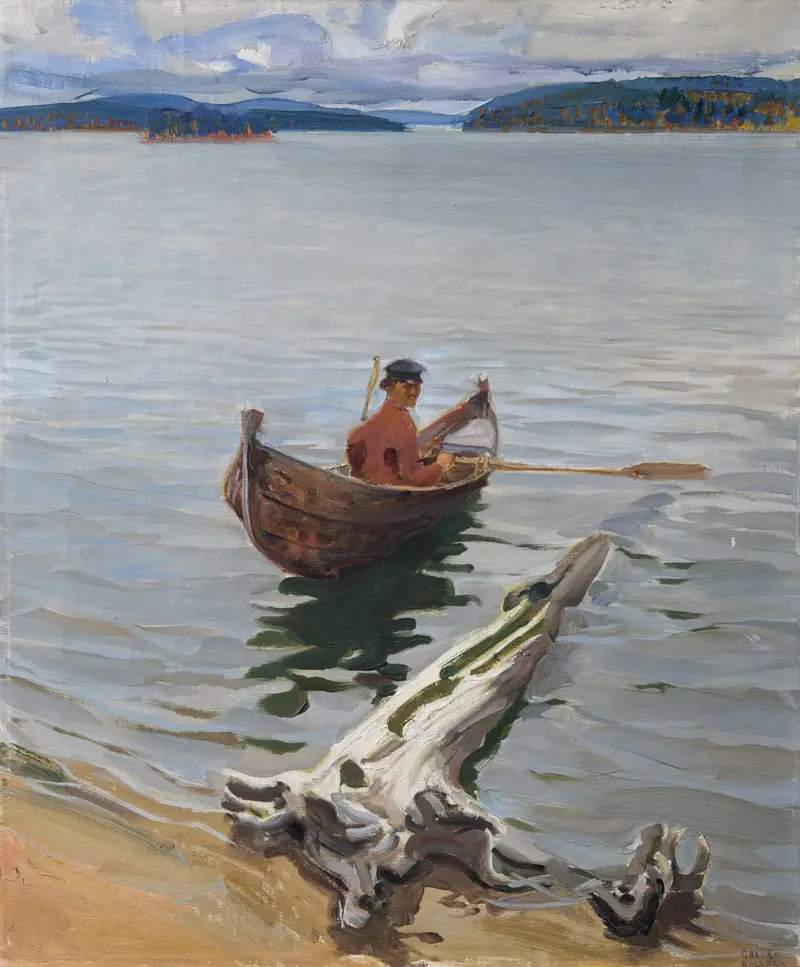
Rower on the Lake
Axeli Gallen-Kallela
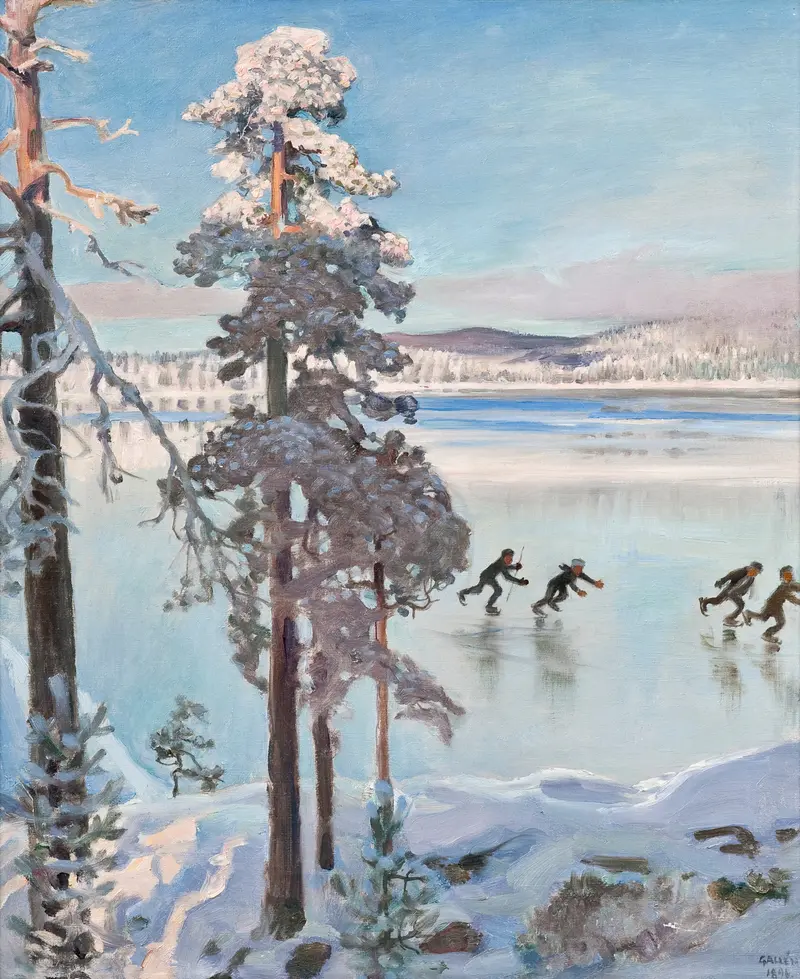
Skaters near the Shore of Kalela
Axeli Gallen-Kallela
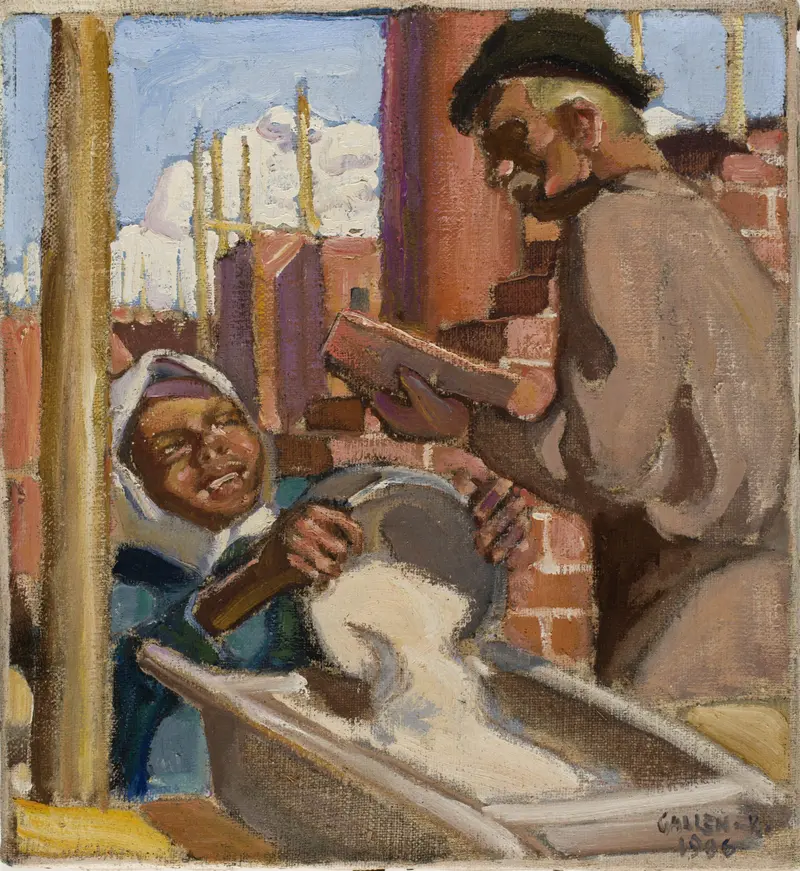
The Building
Axeli Gallen-Kallela
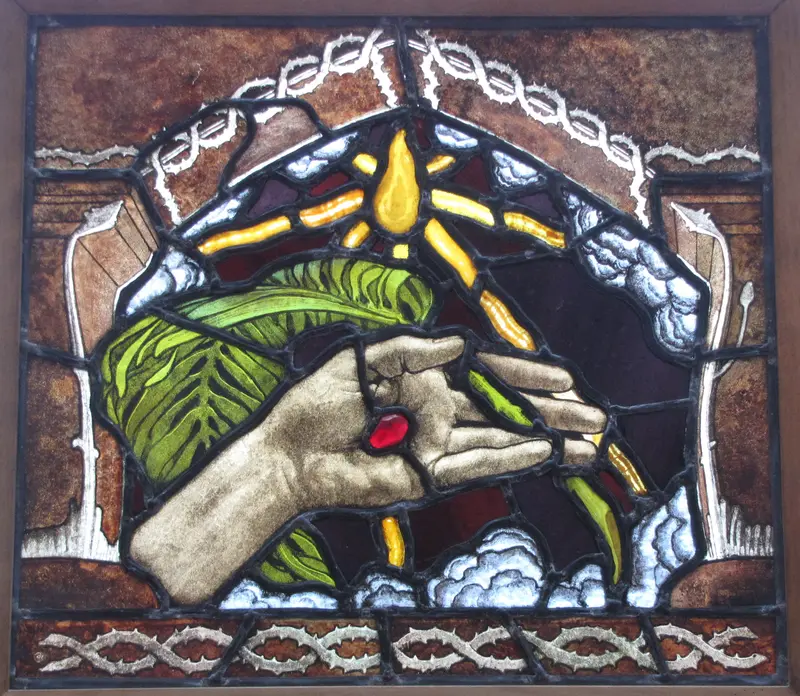
The Hand of Christ
Axeli Gallen-Kallela
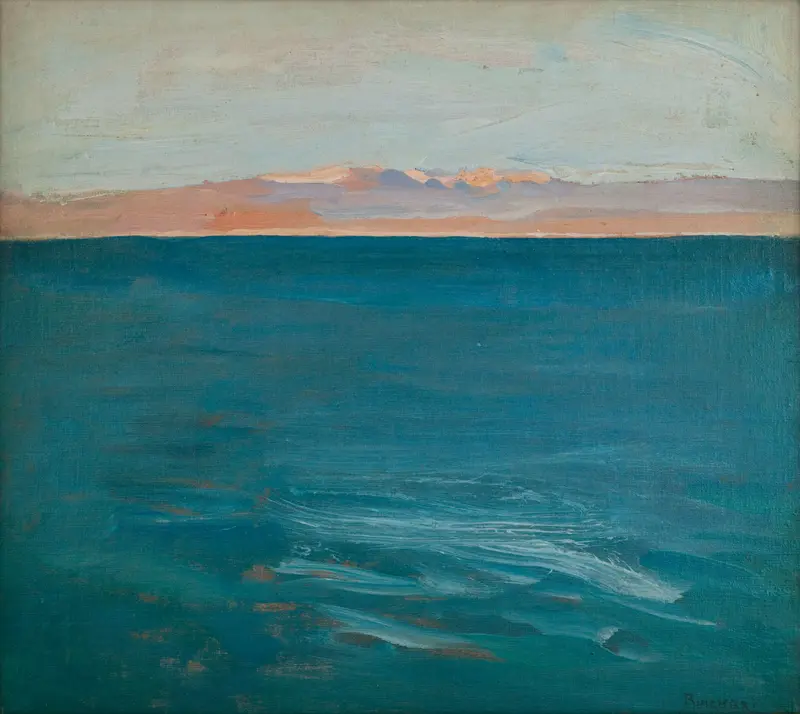
Red Sea, Suez
Axeli Gallen-Kallela





