
Lair of the Lynx — History & Facts
What grips the eye first in Lair of the Lynx is the way snow itself becomes the main character, draped in sculptural folds across the rocks and hollows. The surface is restless, almost alive: thick, swirling brushstrokes carve out the snow’s weight and texture, while dark earth and stone peek through like secrets beneath a blanket. The trees stand half-submerged, their trunks and branches etched with quick, decisive lines, suggesting both the stillness and the latent energy of the winter forest.
There are no footprints or signs of life—only the possibility of a hidden presence, as if the lynx’s lair is both invitation and warning, its occupant unseen but imagined just out of frame. Painted in 1906, this work by Akseli Gallen-Kallela belongs to a moment when Finnish artists were turning to their native landscapes for inspiration, seeking to capture not just scenery but a sense of national identity and myth. The absence of any animal or human figure in this version—one of several studies of the lynx’s lair—focuses attention on the wildness and solitude of the Nordic winter. Such paintings were often made for collectors or public institutions eager to celebrate the untamed beauty of Finland, at a time when the country was asserting its cultural independence.
The painting’s bold, almost abstract forms invite viewers to linger, searching for the hidden lynx or simply to marvel at how snow and silence can shape a world.
More Artworks by Axeli Gallen-Kallela
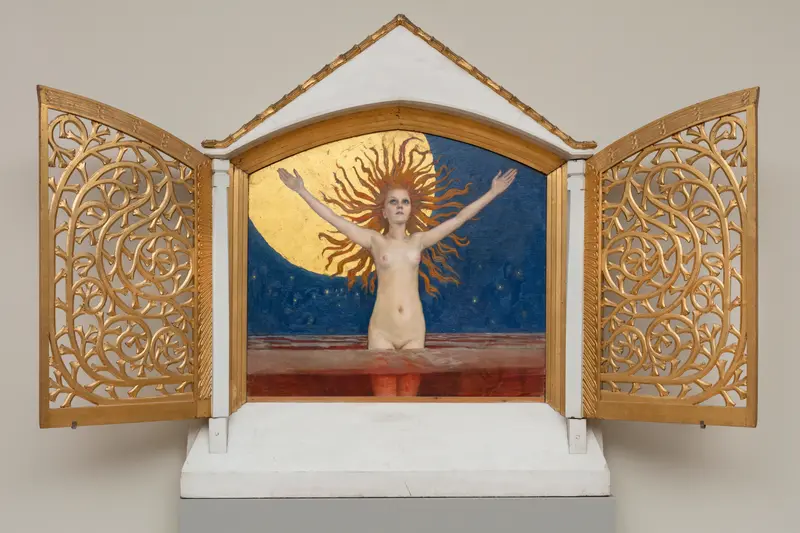
Ad Astra
Axeli Gallen-Kallela
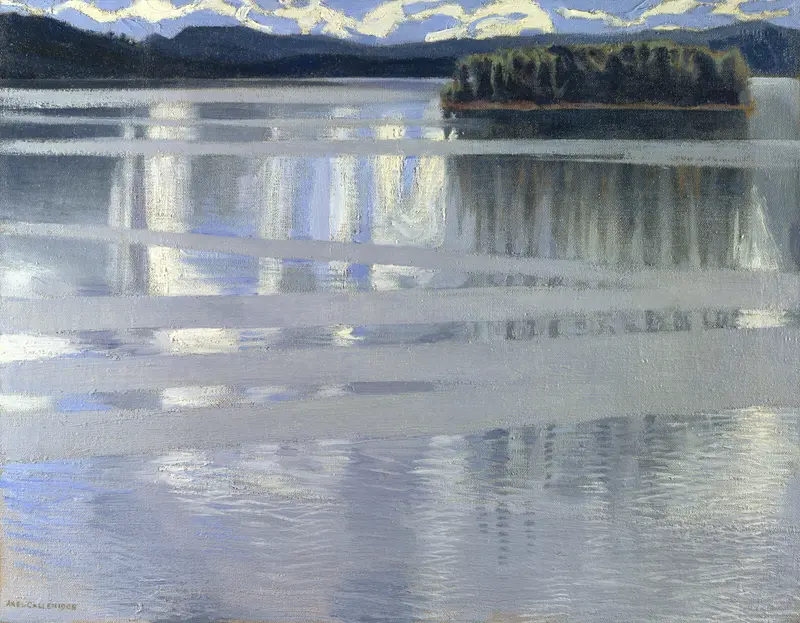
Lake Keitele
Axeli Gallen-Kallela
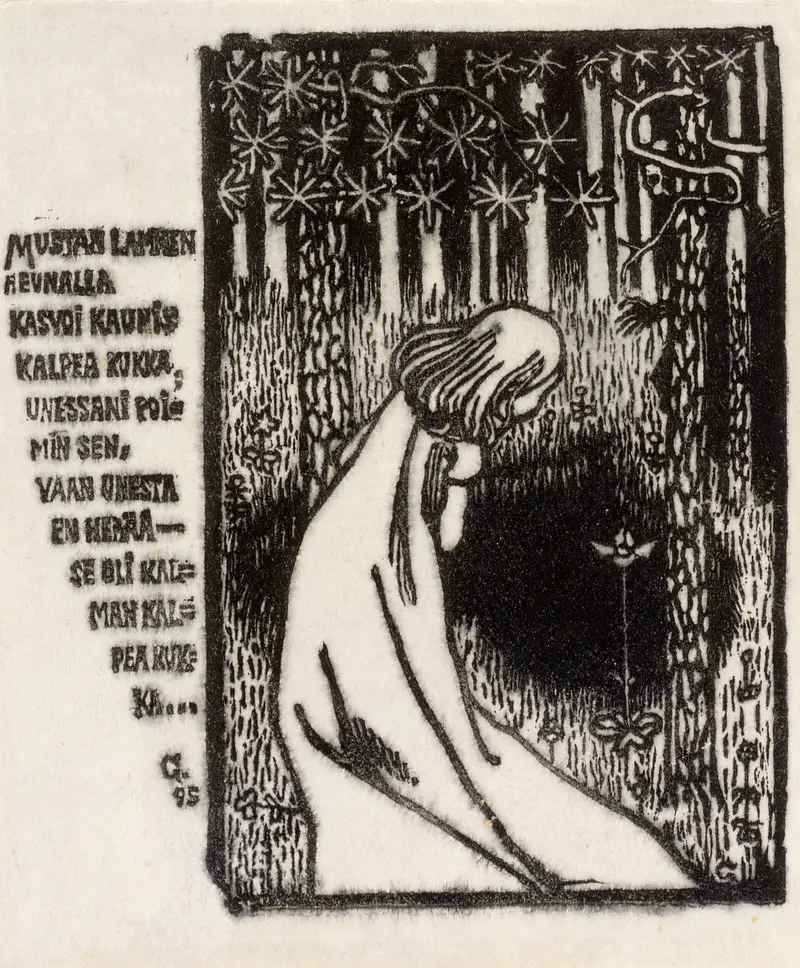
Flower of Death
Axeli Gallen-Kallela
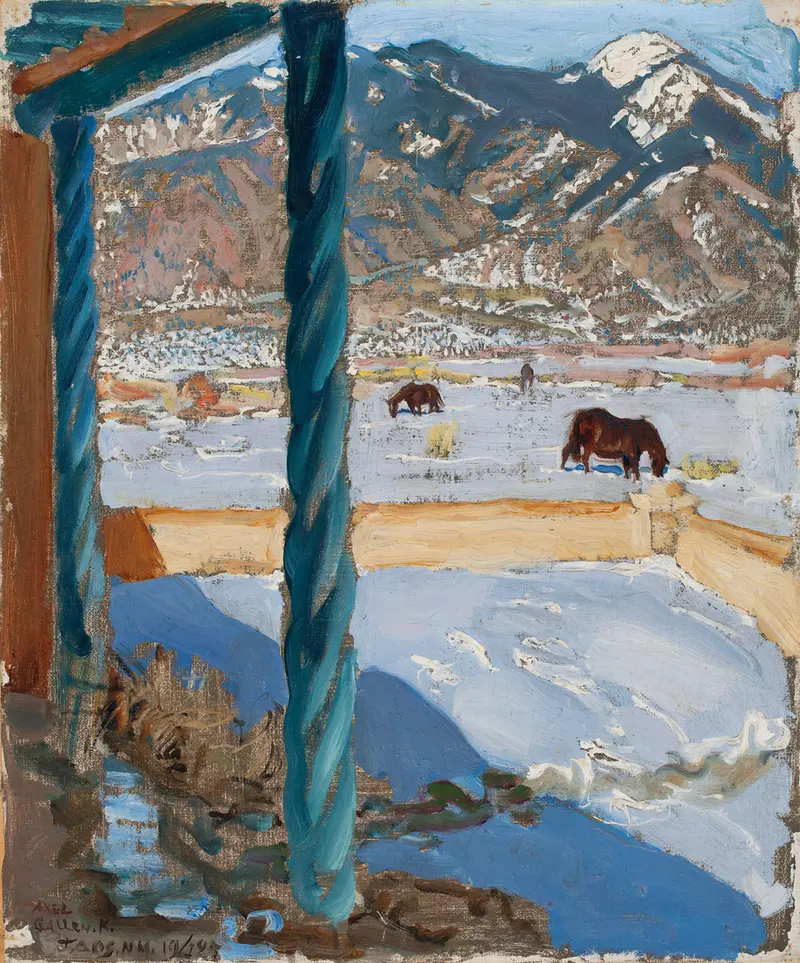
Taos Home in Sunlight
Axeli Gallen-Kallela
Louis Sparre
Axeli Gallen-Kallela
Rower on the Lake
Axeli Gallen-Kallela
Skaters near the Shore of Kalela
Axeli Gallen-Kallela
The Building
Axeli Gallen-Kallela
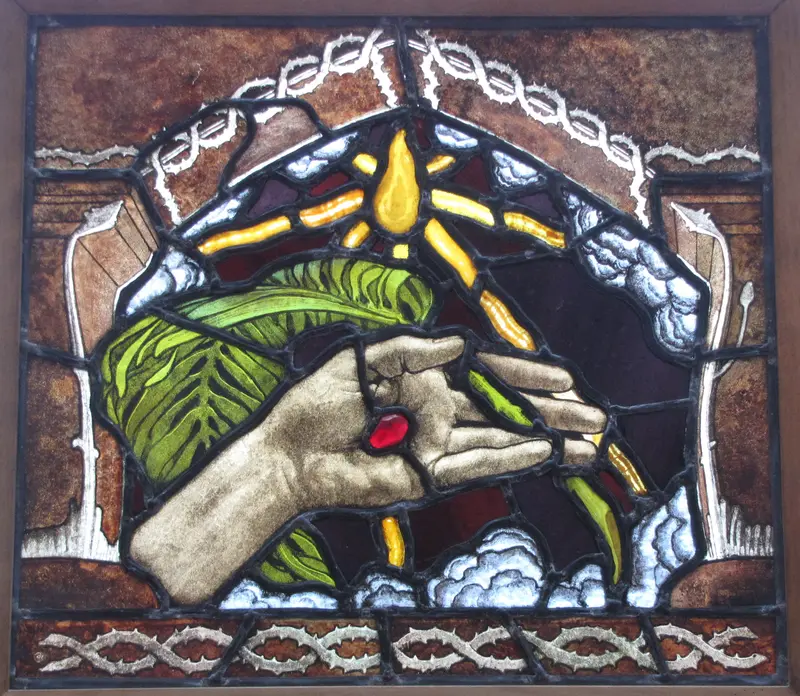
The Hand of Christ
Axeli Gallen-Kallela
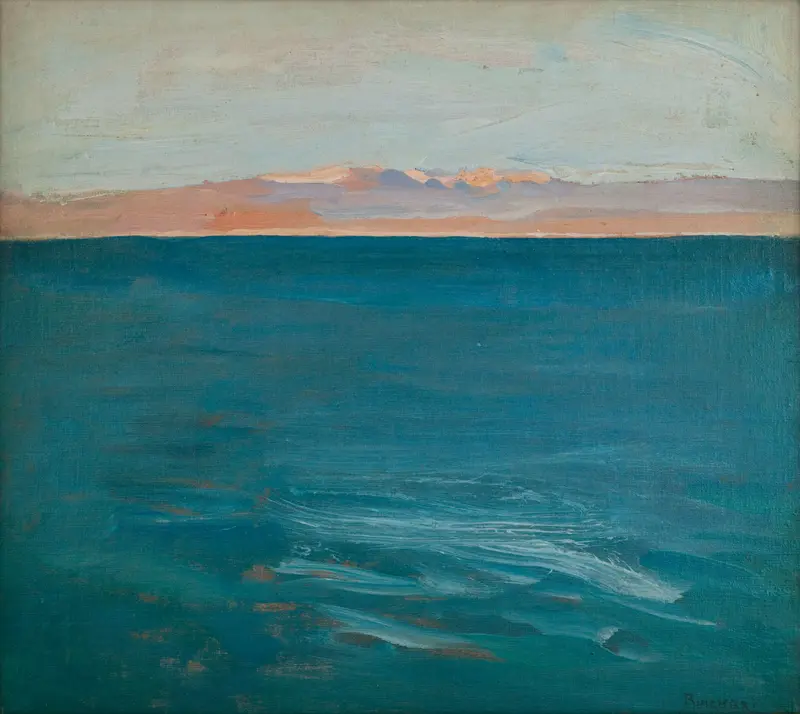
Red Sea, Suez
Axeli Gallen-Kallela
More Landscape Art

Starry Night
Vincent van Gogh

View of Delft
Johannes Vermeer

Water Lilies
Claude Monet

The Grand Canal, Venice, looking north-west from the Ca' Corner to the Ca' Contarini degli Scrigni, with the campanile of Santa Maria della Carità
Canaletto

Windsor Castle
Canaletto

The Grand Canal looking North-East from the Palazzo Dolfin-Manin to the Rialto Bridge
Canaletto