
The Hand of Christ — History & Facts
A single hand dominates the scene, emerging from a swirl of green leaves and curling clouds, its palm marked by a vivid red wound. The stained glass glows with an internal light, drawing the eye first to that wound—an unmistakable sign of sacrifice—then upward to the golden rays and teardrop-shaped flame that crown the composition. The hand’s gesture is gentle, almost offering, suspended between blessing and vulnerability.
Every line and color seems chosen to heighten this moment of tension: the lush green leaf cradles the hand like a mantle, while the radiant yellow arcs above suggest both halo and sun, fusing the earthly and the divine in a single, luminous instant. Created in 1897, The Hand of Christ by Axeli Gallen-Kallela belongs to a period when religious imagery was being reimagined across Europe. The late nineteenth century saw artists turning to stained glass not only for churches but as a symbol of spiritual renewal, blending medieval craft with modern sensibilities. Though little is recorded about this particular work’s commission or journey, its survival in a private collection hints at the enduring power such images held for viewers seeking meaning in a rapidly changing world.
The combination of bold color, sacred iconography, and natural motifs invites us to linger, searching for our own reflection in the glass.
More Artworks by Axeli Gallen-Kallela
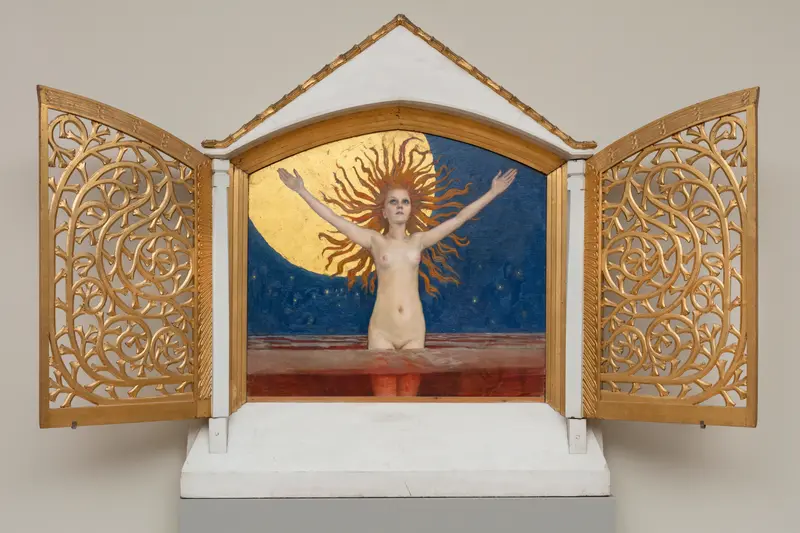
Ad Astra
Axeli Gallen-Kallela

Lake Keitele
Axeli Gallen-Kallela
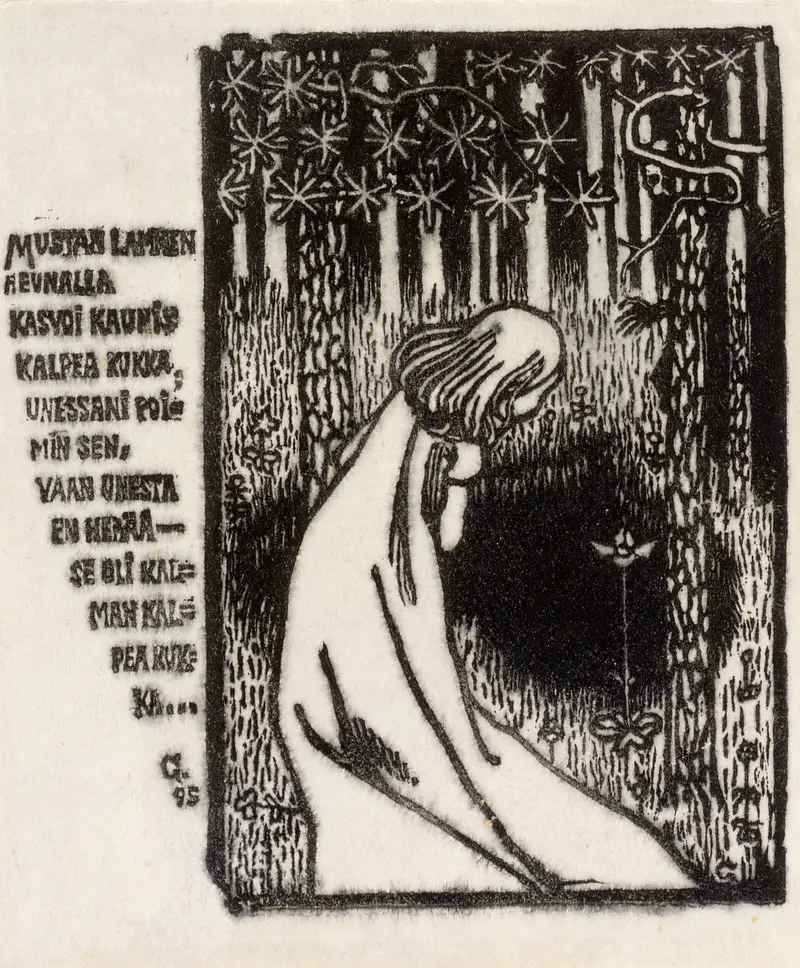
Flower of Death
Axeli Gallen-Kallela
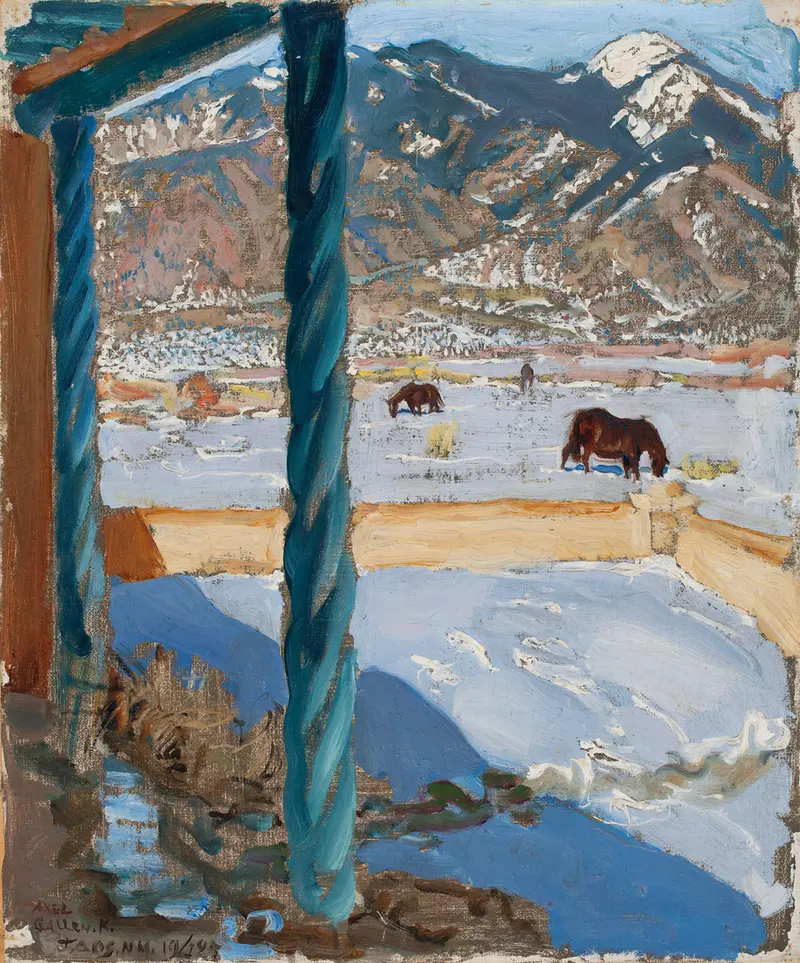
Taos Home in Sunlight
Axeli Gallen-Kallela
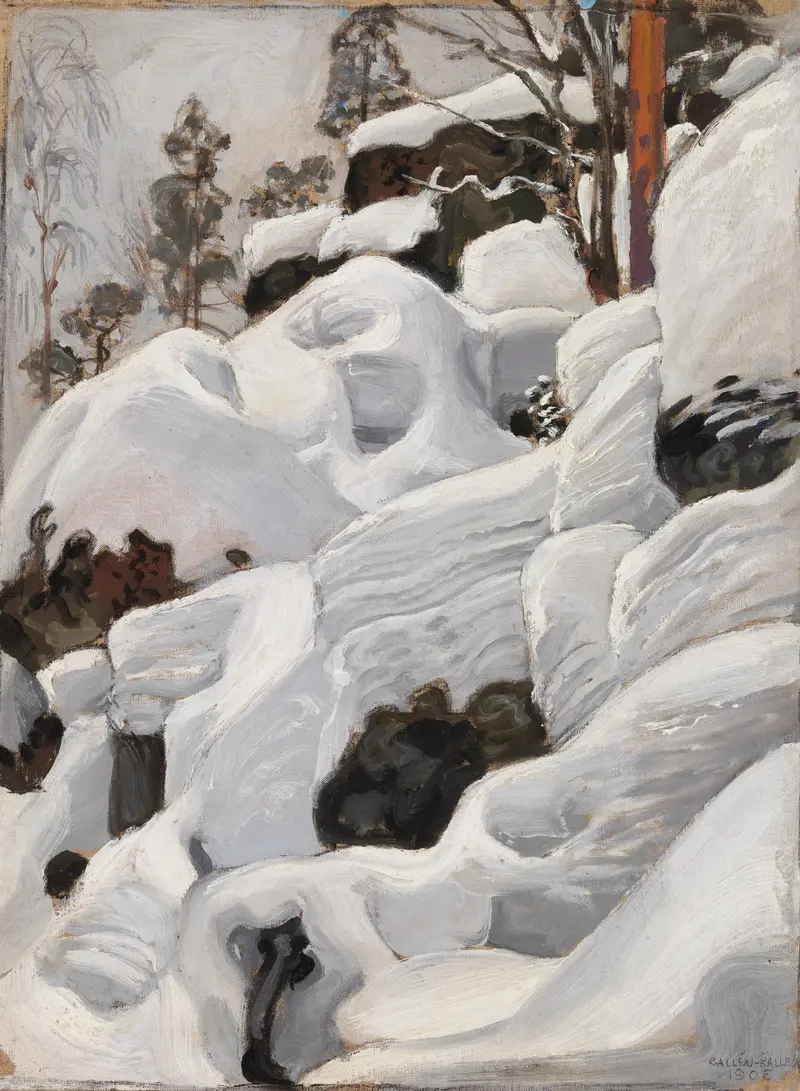
Lair of the Lynx
Axeli Gallen-Kallela
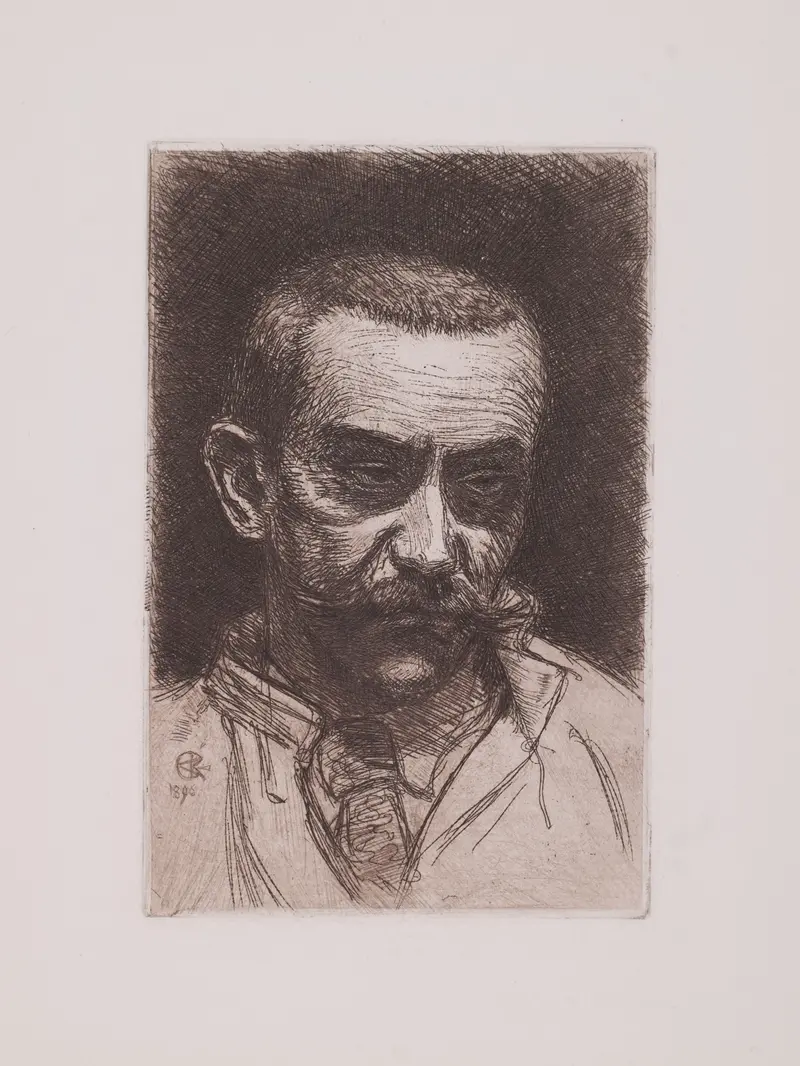
Louis Sparre
Axeli Gallen-Kallela
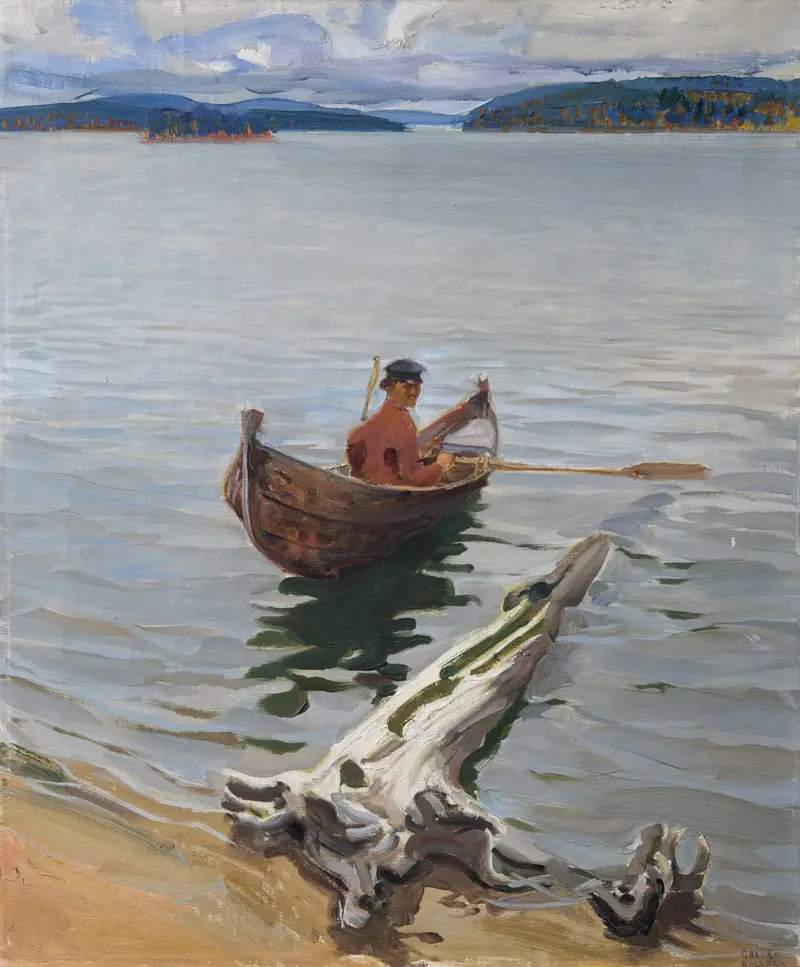
Rower on the Lake
Axeli Gallen-Kallela

Skaters near the Shore of Kalela
Axeli Gallen-Kallela
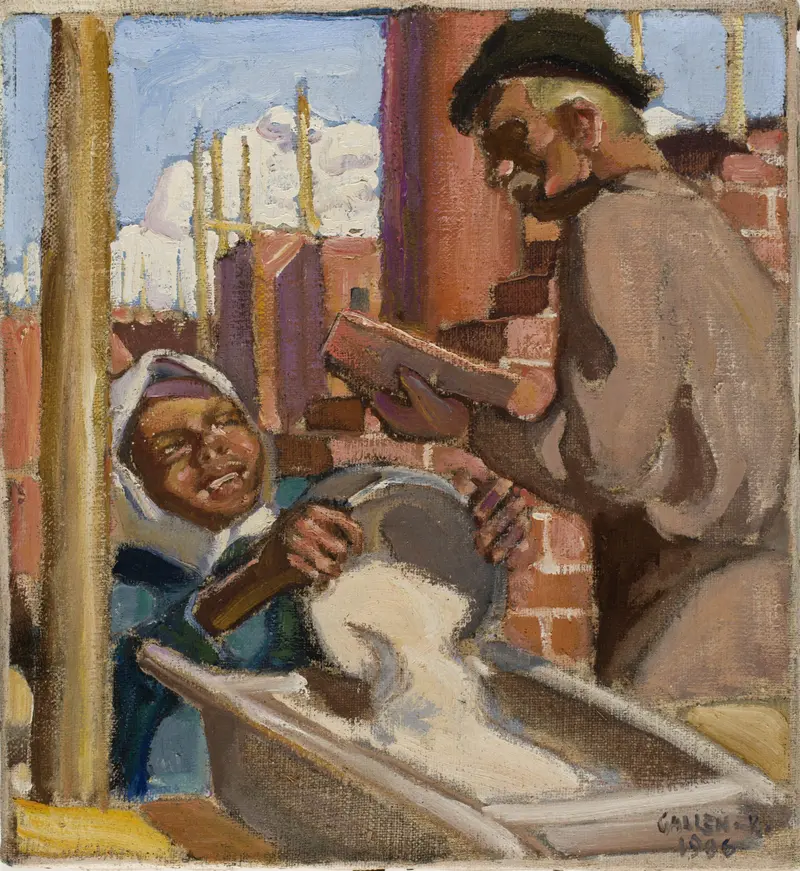
The Building
Axeli Gallen-Kallela
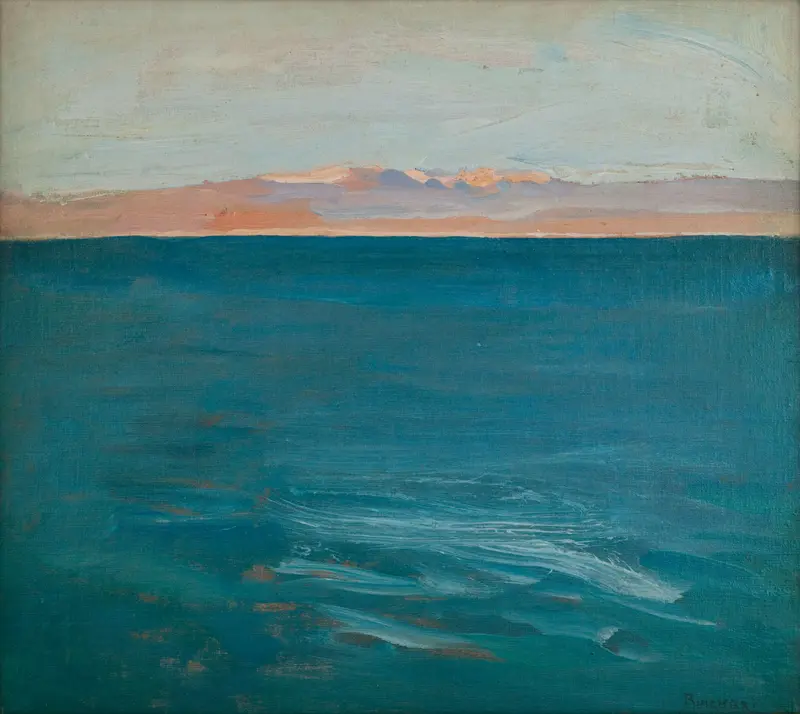
Red Sea, Suez
Axeli Gallen-Kallela





