
Low Tide and Evening Star — History & Facts
When did color learn to lie? In the twilight of perception, hues dance between reality and illusion, inviting our hearts to question what is truly before us. Look to the horizon, where the muted blues and silvery grays blend seamlessly, evoking the gentle transition from day to night. The shimmering water reflects these colors, creating a textured play that seems to ripple with life, while the stillness of the beach anchors the scene. Notice how the brushstrokes convey not just the physical contours of the shoreline, but the essence of movement itself—each wave caught in a moment of retreat, a symphony of ebbing tides. Delve deeper, and you’ll find contrasts that heighten the emotional pull.
The evening star glimmers with pristine clarity, a solitary beacon against the vastness of the dimming sky. It symbolizes hope amid a world that revels in the uncertainty of dusk. The soft gradients of color bring a sense of serenity, yet the tension of impending night lingers, suggesting that beauty often resides in transience.
The movement of the tide speaks to both loss and renewal, encapsulating the perpetual cycle of existence. In 1888, Short was immersed in the late Victorian art scene, a time when impressionism was beginning to weave its way into the fabric of British painting. Living in England, he was influenced by the changing perceptions of color and light, embracing a style that would bridge traditional techniques and the burgeoning avant-garde movements. This work reflects not only his mastery of landscape but also the broader artistic dialogues of his era.
More Artworks by Sir Frank Short
Browse all →
Morning Haze in Chichester Harbor
Sir Frank Short
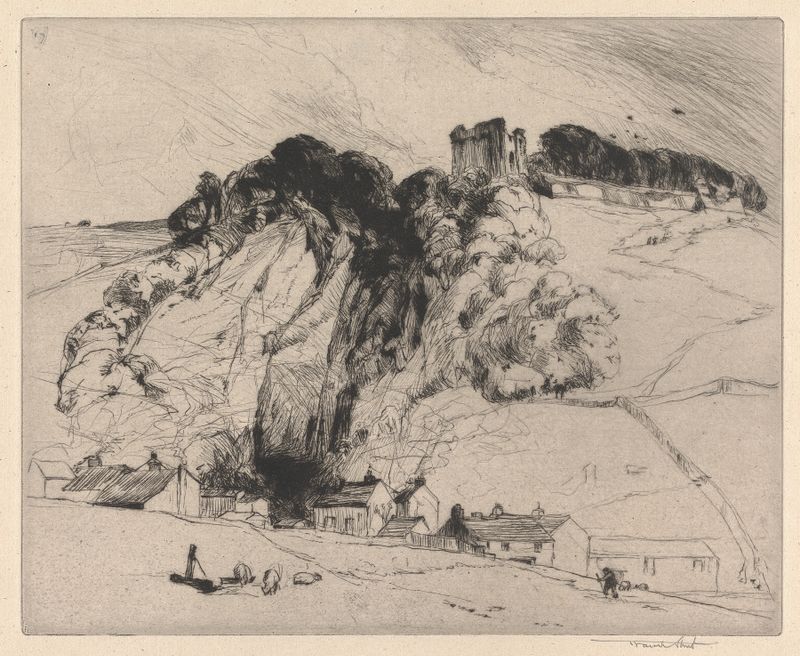
Peveril’s Castle, Derbyshire
Sir Frank Short
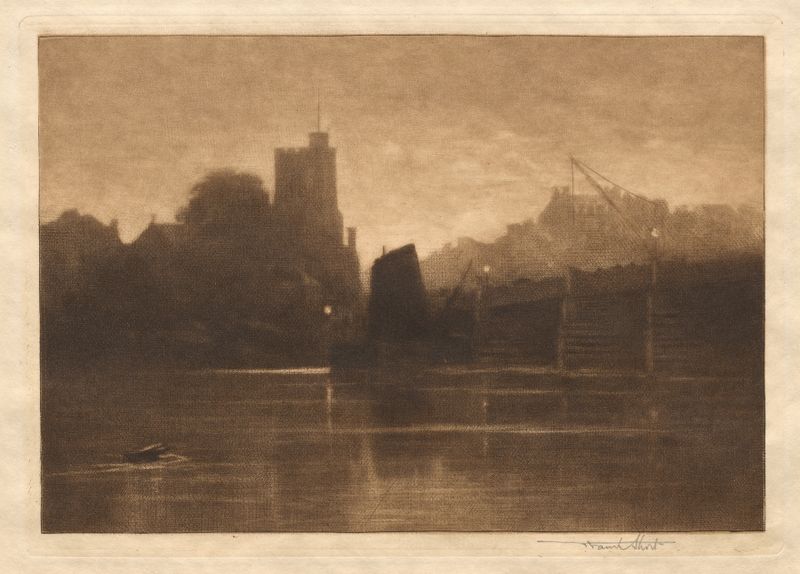
Ebb Tide, Putney Bridge
Sir Frank Short
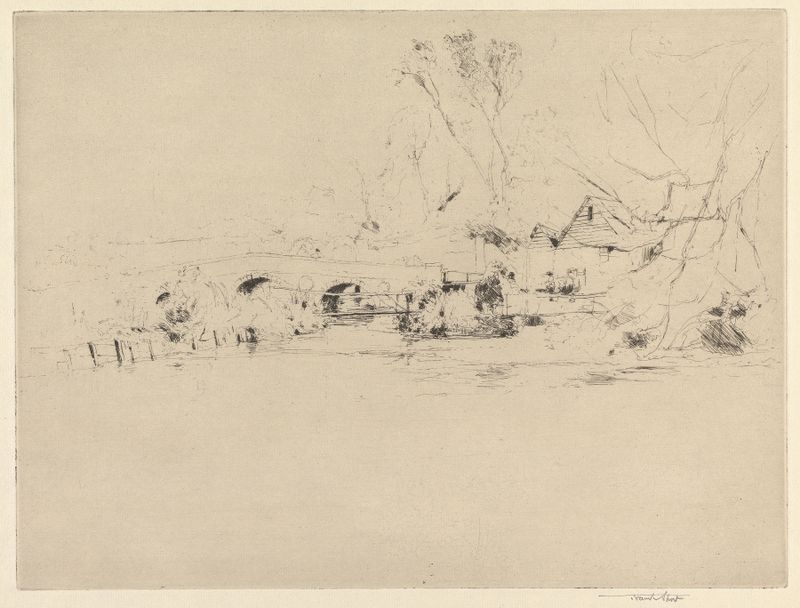
Old Mill on the Wandle, at Mitcham
Sir Frank Short

Moonlight on the Medway at Chatham
Sir Frank Short

Parkgate
Sir Frank Short
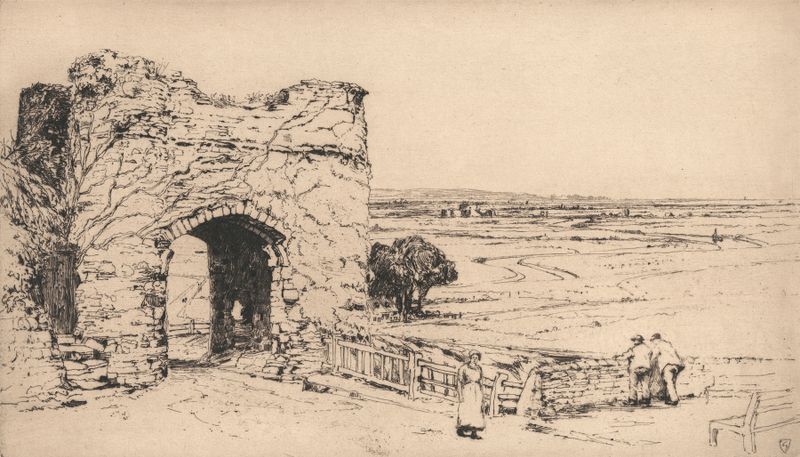
The Strand Gate, Winchelsea
Sir Frank Short

Bridgenorth
Sir Frank Short
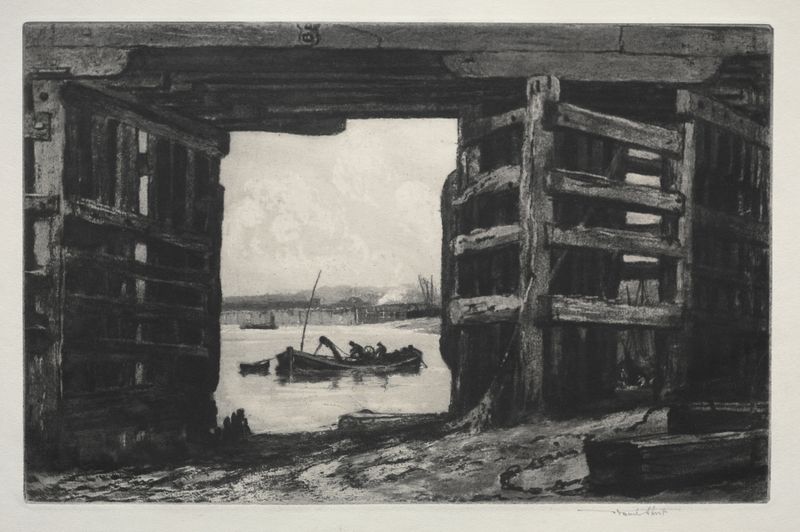
A Span of Old Battersea Bridge
Sir Frank Short

The Rope Walk, Spittal Bridge Whitby
Sir Frank Short





