
Lower Thornery, Sezincote, 1824 — History & Facts
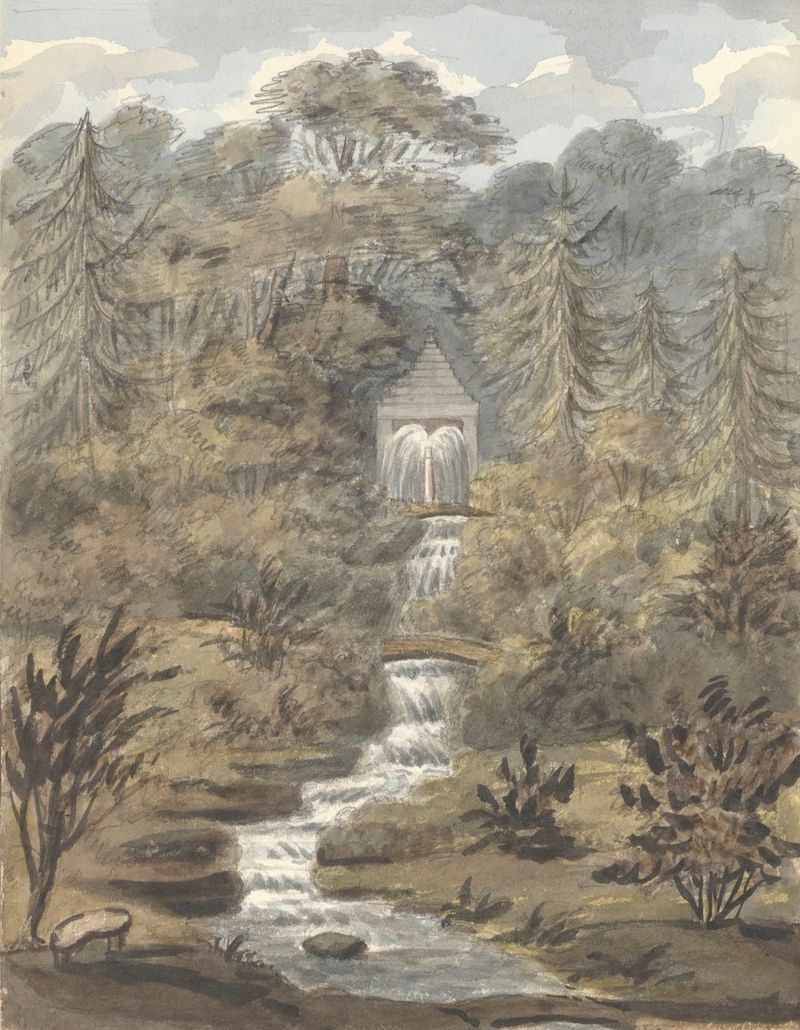
What if silence could speak through light? In Anne Rushout's Lower Thornery, Sezincote, the canvas resonates with an echo of loss, where every brushstroke whispers stories of lingering absence. Look to the gentle foreground, where the undulating hills cradle the vibrant greens of the landscape. The eye is drawn to the delicate interplay of light and shadow, as rays filter through a mist of atmospheric hues. The warm ochres and cool blues blend seamlessly, creating a tranquil yet haunting environment.
Observe how the composition is anchored by a distant structure, almost obscured, inviting contemplation on what once thrived in this idyllic setting. Beneath the serene surface lies a profound emotional tension. The subtle gradients of color suggest a world caught between memory and oblivion, while the distant shadows evoke a sense of yearning. The painting captures the ephemeral quality of nature, reminding us of the inevitability of change and the stories that fade into the background.
Each brushstroke may seem languid, yet they pulse with the weight of unsaid farewells. In 1824, Rushout painted this work during a transitional period in her life, as she navigated the complexities of personal loss and the shifting tides of the British art world. The Romantic movement was taking root, emphasizing feelings and the sublime in nature, and Rushout's commitment to these ideals positioned her among the few women artists of her time, blending emotional depth with observational prowess.
More Artworks by Anne Rushout
Browse all →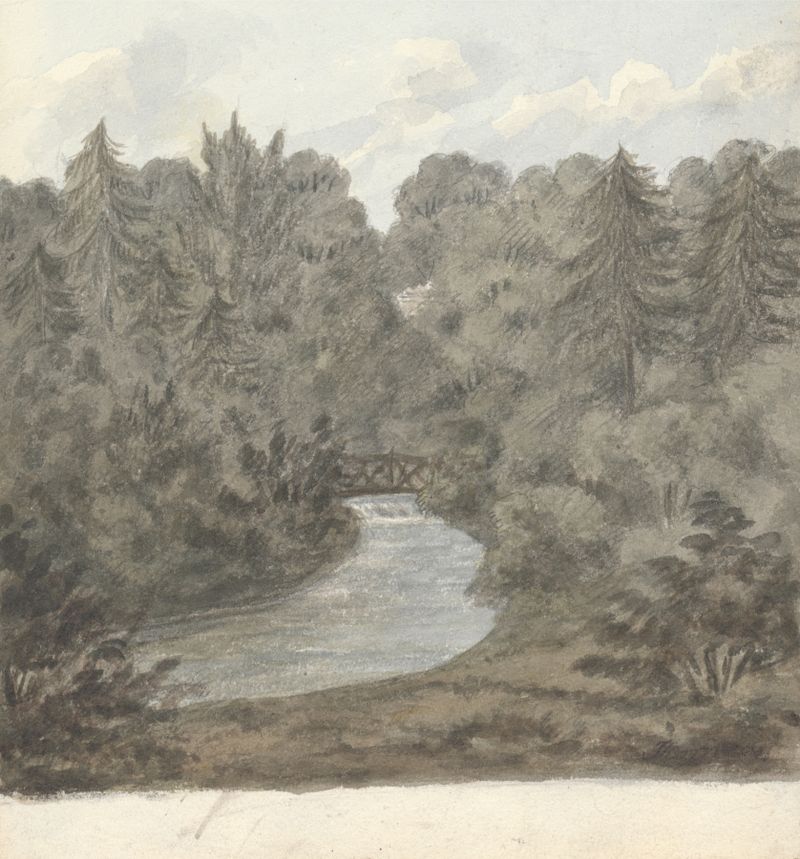
Thornery Pool, Sezincote
Anne Rushout
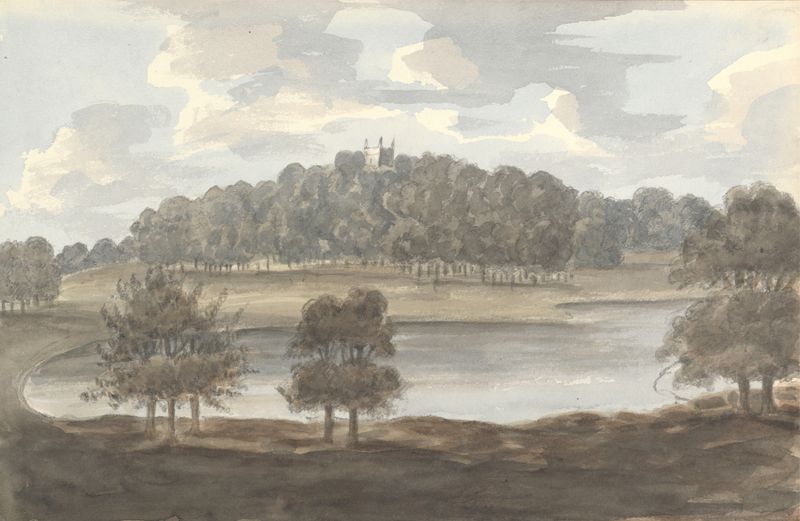
Holkham, August 1824
Anne Rushout

Grove Cottage, Wanstead May 18th, 1825
Anne Rushout
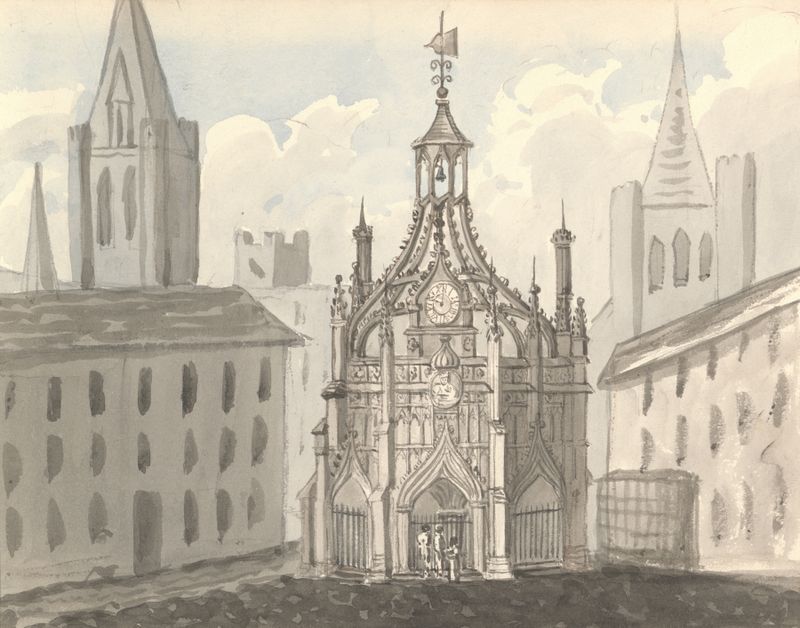
From Inn at Chichester, July 1828
Anne Rushout
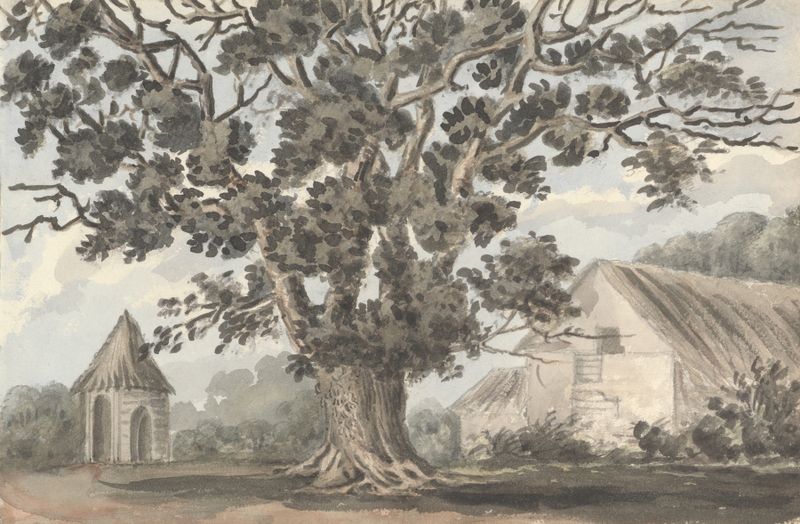
Queen Elizabeth’s Oak near Finborough Hall
Anne Rushout

Holkham, August 1824
Anne Rushout
Temple and Falls, Sezincote
Anne Rushout

From Flower Garden, Wanstead Grove
Anne Rushout

From Window at Eastnor Castle, Gloucestershire Beacon, September 28, 1829
Anne Rushout

From Portico at Wanstead Grove, May 24, 1825
Anne Rushout





