
L’étang — History & Facts
Can paint confess what words never could? In L’étang, the essence of fragility is captured in the delicate interplay between nature and stillness, asking us to pause and reflect. Look to the center of the composition, where a tranquil pond lies like a mirror, its surface gently disturbed by the soft caress of a breeze. Surrounding this reflective pool, lush greenery embraces the scene, with silvery light dancing upon the leaves, revealing a rich palette of greens and muted earth tones. The brushwork, fluid yet precise, invites the viewer to draw closer as it evokes a serene sense of place, drawing the eye to the subtle interactions of light and shadow. In the layers of this landscape, hidden meanings emerge—a tension between the vibrant life of the surrounding flora and the tranquil, almost melancholic, surface of the water.
This contrast may symbolize the fragility of existence, where beauty is fleeting, capturing a moment that feels both serene and transient. Each brushstroke conveys a silent narrative, inviting contemplation of nature's delicate balance and the passage of time. Charles-Louis Houdard completed this piece in 1898 while living in France, a period marked by a burgeoning interest in naturalism and the interplay of light in art. Houdard sought to capture the essence of his surroundings through a lens that reflected both beauty and contemplation, contributing to the late 19th-century movement that emphasized a connection to the natural world.
During this time, artists were increasingly exploring how to express emotional depth through landscapes, and L’étang stands as a testament to that endeavor.
More Artworks by Charles-Louis Houdard
Browse all →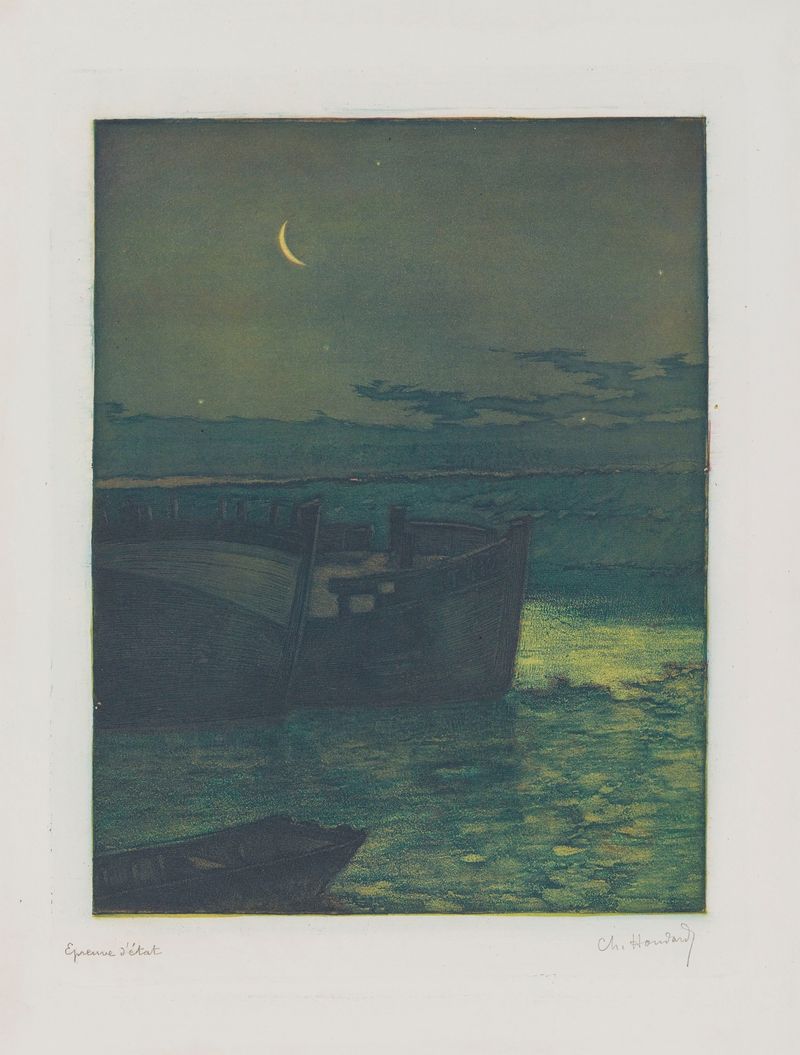
Epaves, navire échoué au clair de lune
Charles-Louis Houdard
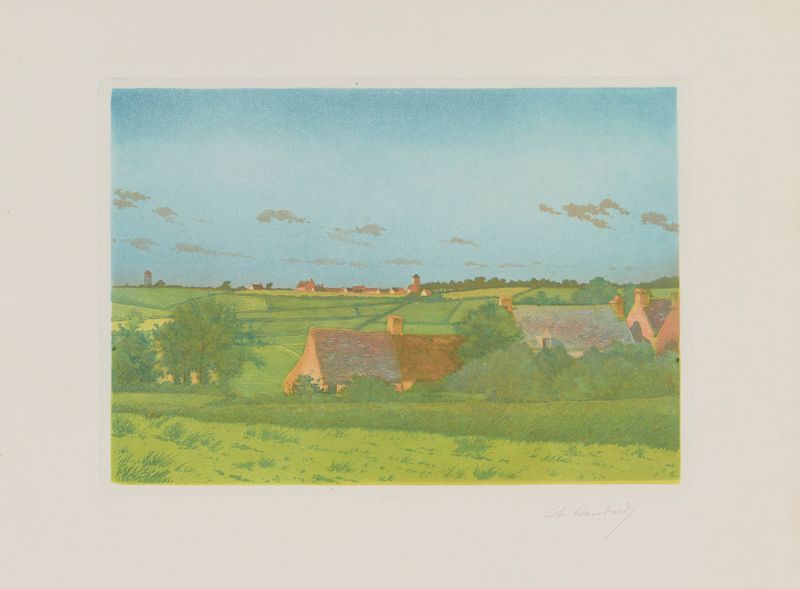
Les hauteurs de Crozon, Finistère
Charles-Louis Houdard
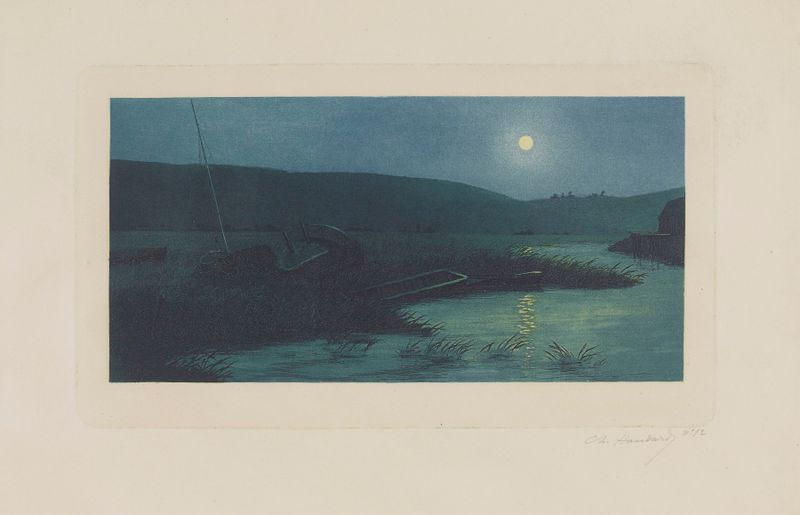
Clair de lune sur la Bresle
Charles-Louis Houdard
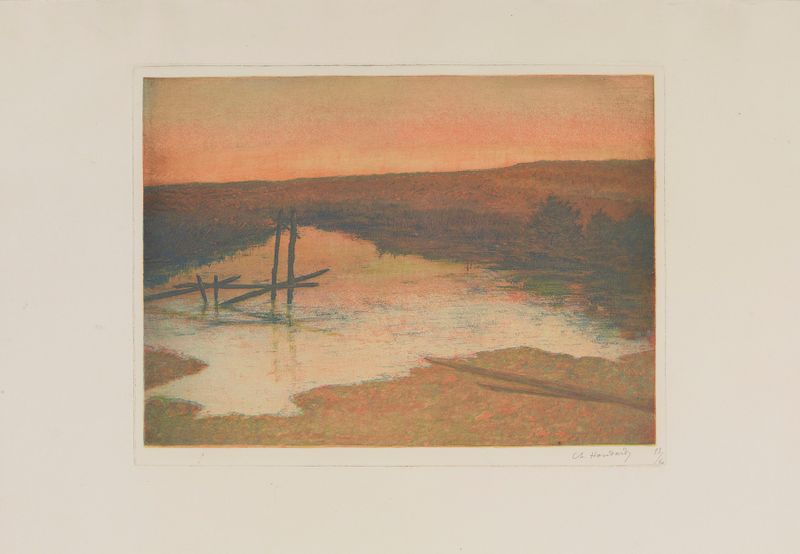
L’étang du moulin à Sémide
Charles-Louis Houdard
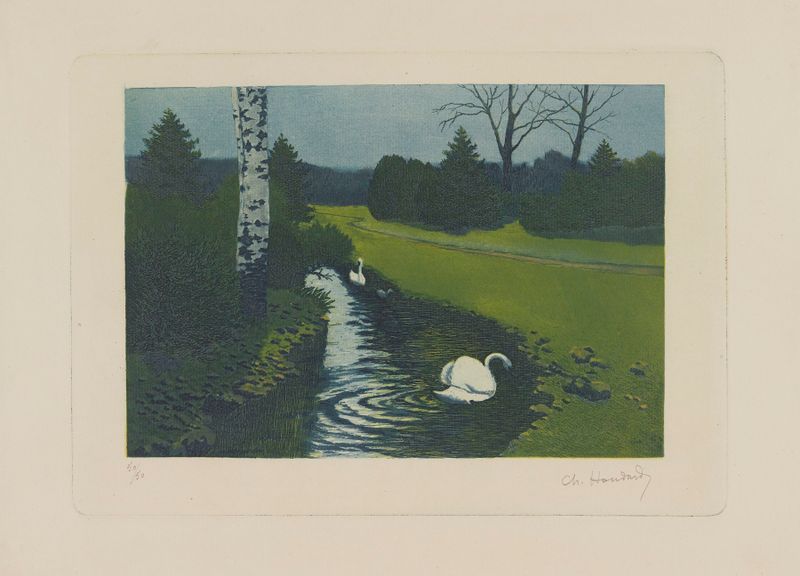
Au bois, cygnes sur un ruisseau
Charles-Louis Houdard
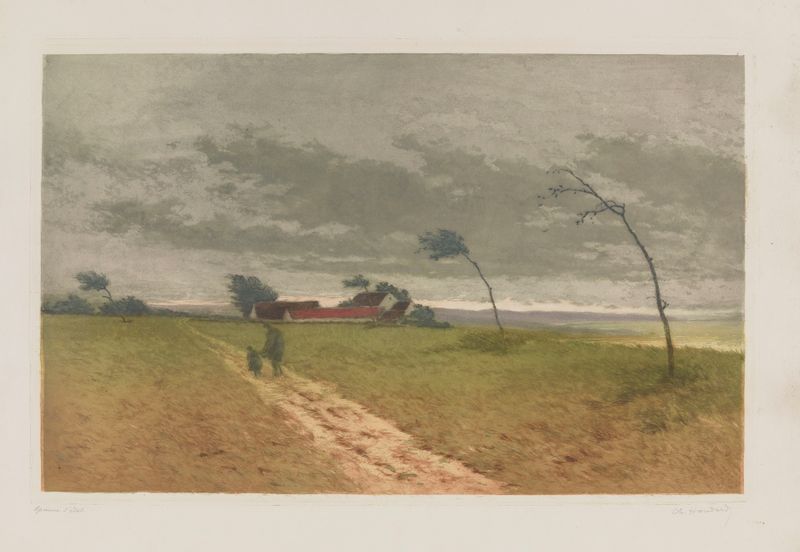
La rafale, plaine sous l’orage
Charles-Louis Houdard
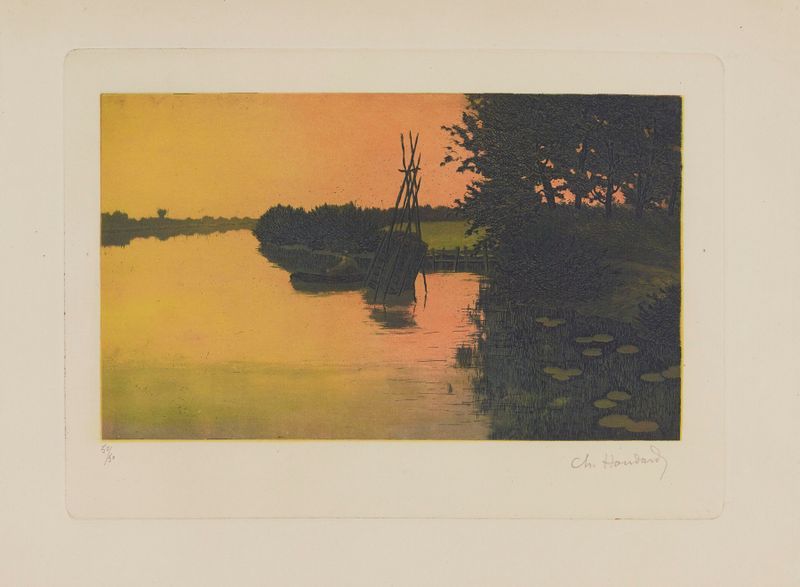
L’Oise à Précy
Charles-Louis Houdard
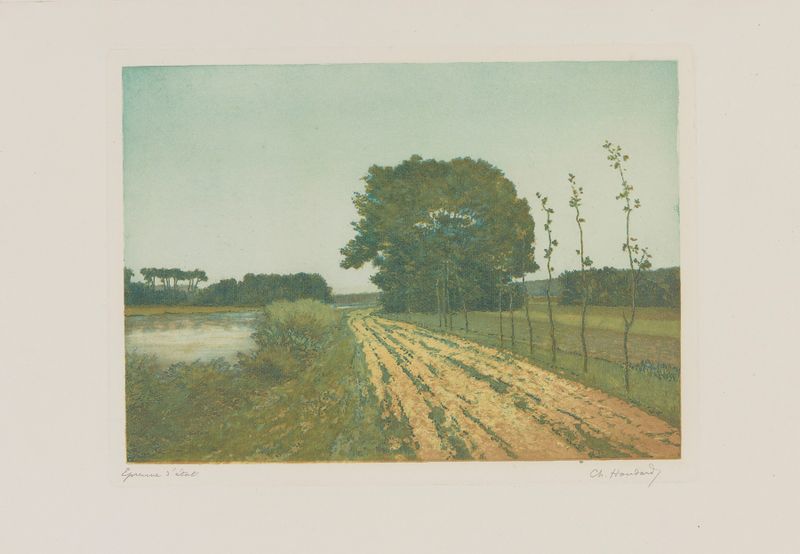
La route abandonnée
Charles-Louis Houdard
Moulins à Dordrecht
Charles-Louis Houdard
Villa d’Este, Tivoli, le rond-point
Charles-Louis Houdard





