
L’étang à l’arbre penché — History & Facts
Where does light end, and longing begin? In L’étang à l’arbre penché, a silvery calm envelops the viewer, drawing them into a world where nature and reflection intertwine seamlessly. Look to the left at the graceful curve of the weeping willow, its branches cascading toward the tranquil waters below. The play of light dances upon the surface, creating a harmony of soft greens and gentle blues that invites the eye to linger. Notice how the careful brushstrokes capture a sense of natural serenity, while the contrasting shadowy areas hint at the deeper mysteries that lie beneath the surface.
Each element in the composition, from the subtle ripples in the water to the delicate foliage, is a testament to the artist's mastery in blending reality with reflection. As you observe more closely, consider the emotional undertones of solitude and contemplation that this painting evokes. The stillness of the scene echoes a longing that is both personal and universal. The willow leans in, almost as if whispering secrets to the water, suggesting a profound connection to the past and the passage of time.
This interplay of light and shadow not only reflects the landscape but also acts as a mirror for the soul, inviting introspection amid the natural beauty. Created between 1865 and 1870, this piece represents a significant era for Jean-Baptiste-Camille Corot, who was deepening his exploration of landscape painting. During this period, France was experiencing tremendous social and artistic shifts, as the Impressionist movement began to take shape. Corot, already renowned for his plein air works, continued to influence the next generation of artists by blending realism with an ethereal quality, which is poignantly evident in this serene portrayal of nature.
More Artworks by Jean-Baptiste-Camille Corot
Browse all →
View of Genoa
Jean-Baptiste-Camille Corot
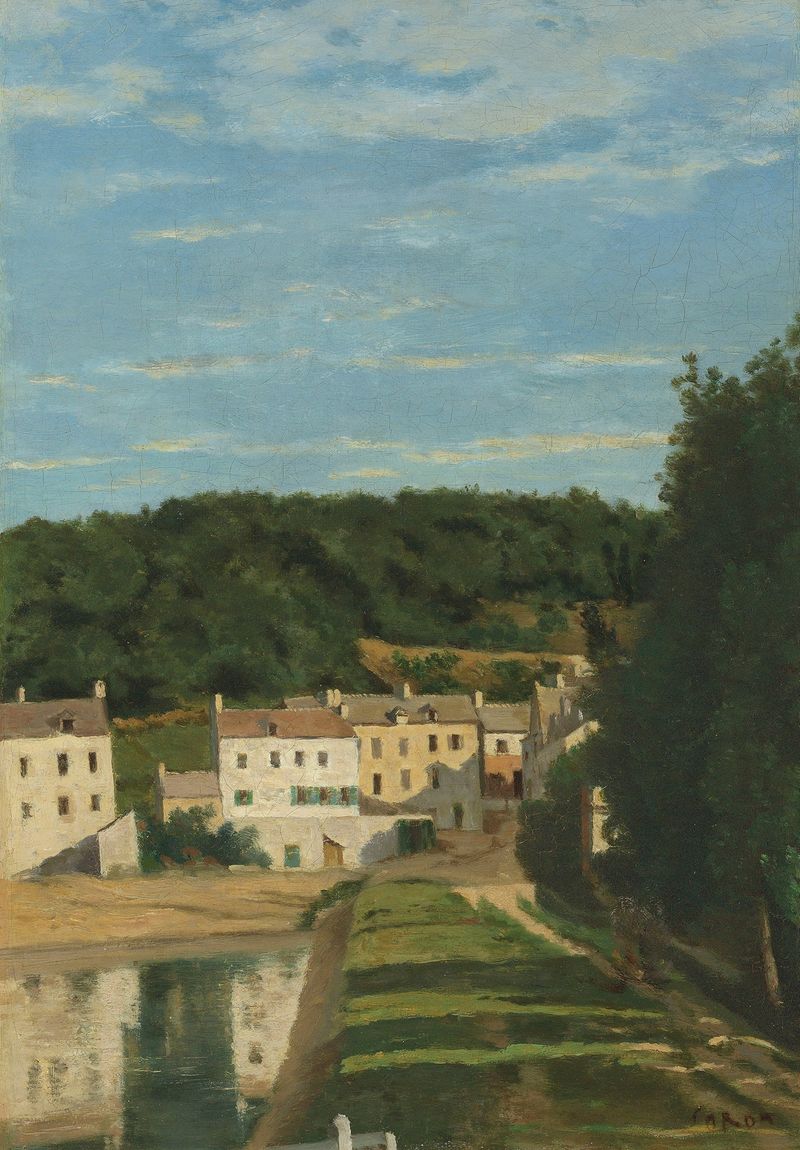
Les Maisons Cabassud À Ville D’avray
Jean-Baptiste-Camille Corot

La solitude. Souvenir de Vigen (Limousin)
Jean-Baptiste-Camille Corot
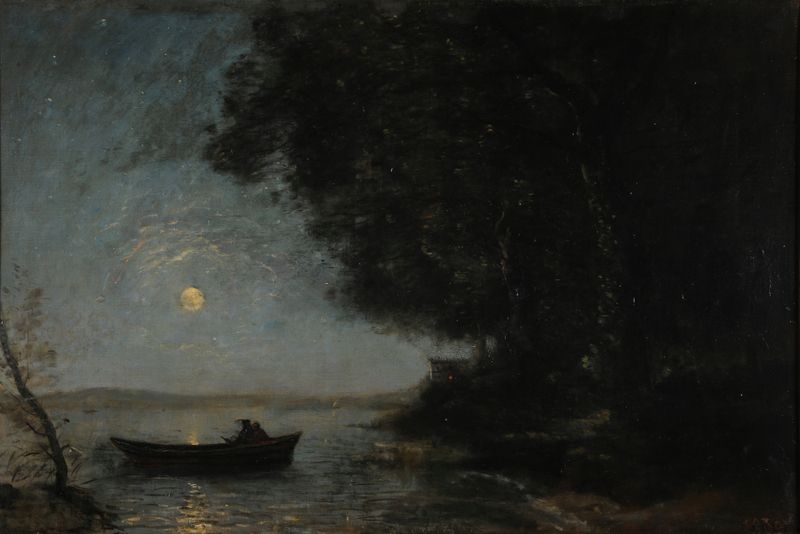
Le lac ; effet de nuit
Jean-Baptiste-Camille Corot
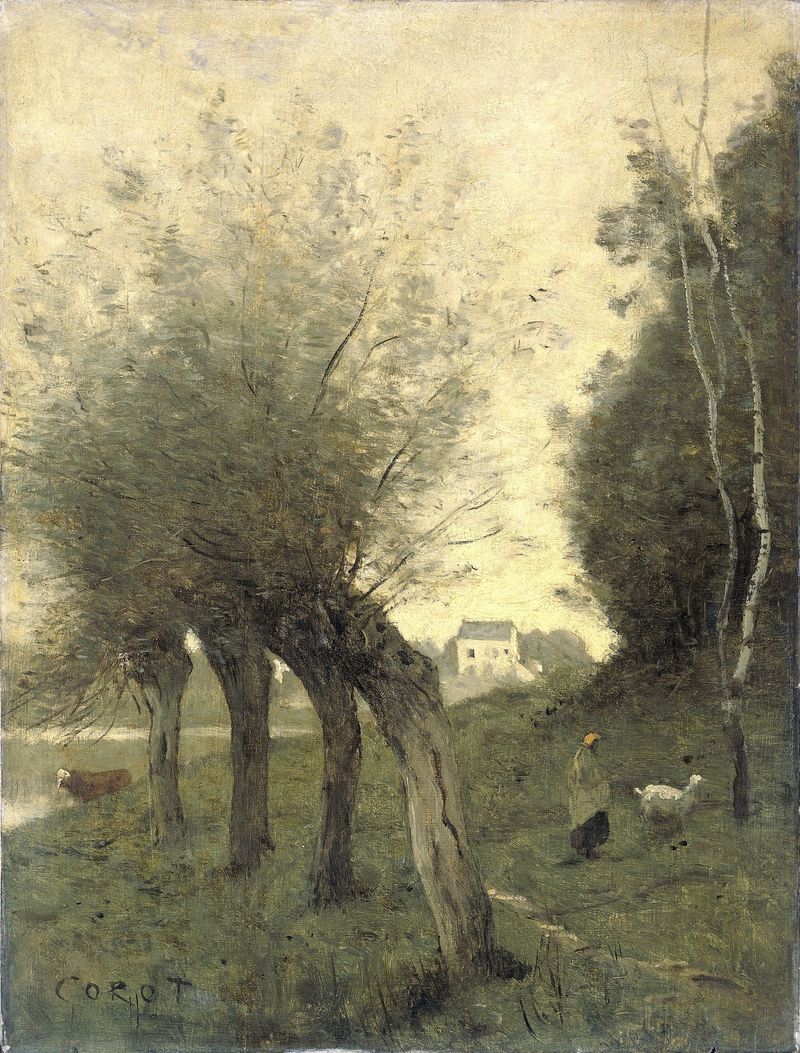
Landscape with Pollard Willows
Jean-Baptiste-Camille Corot
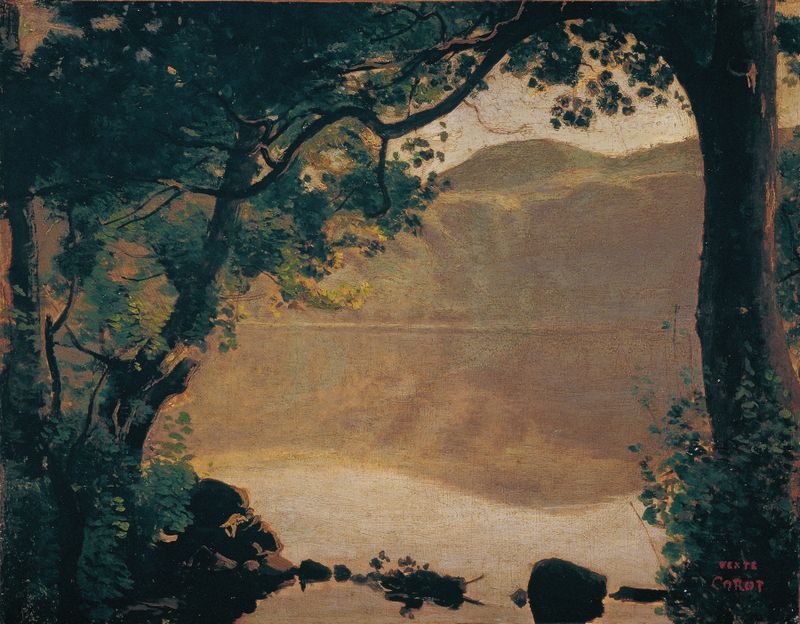
Der Nemisee
Jean-Baptiste-Camille Corot
Les Étangs De Ville D’avray
Jean-Baptiste-Camille Corot
Pond in the Woods
Jean-Baptiste-Camille Corot
Ville D’avray; L’abreuvoir Des Chevaux
Jean-Baptiste-Camille Corot
Le vallon au cavalier
Jean-Baptiste-Camille Corot





