
Lucerne — History & Facts
In the delicate strokes of shimmering golds and deep blues, an unsettling harmony emerges. The tension of madness seeps through the apparent serenity, inviting the observer into a realm where beauty and chaos intertwine. Look to the center, where a tranquil lake reflects the fragile hues of twilight. The gentle ripples of water contrast with the jagged peaks surrounding it, creating a visual dichotomy that resonates.
Notice how the light dances upon the surface, casting shimmering illusions that hint at hidden depths—both literal and metaphorical. The soft brushwork invokes a sense of movement, whispering of a world on the brink, where perfection is but a fleeting facade. Delve deeper into the composition, and you’ll find that the juxtaposition of the serene landscape against the turbulent sky suggests a struggle between hope and despair. The rich, dark clouds loom ominously, as though harboring secrets of madness just beyond the horizon.
This tension between elements evokes an emotional complexity, where the viewer is compelled to confront the uneasy coexistence of beauty and turmoil. Created during a period of personal reflection, the artist captured Lucerne amidst a fluctuating world, likely in the late 19th century, when Romanticism was giving way to a new sense of modernity. Jacottet’s life was marked by both triumphs and challenges, and this work encapsulates his exploration of the intricate relationship between nature and the human psyche, mirroring the broader artistic shifts of his time.
More Artworks by Jean Jacottet
Browse all →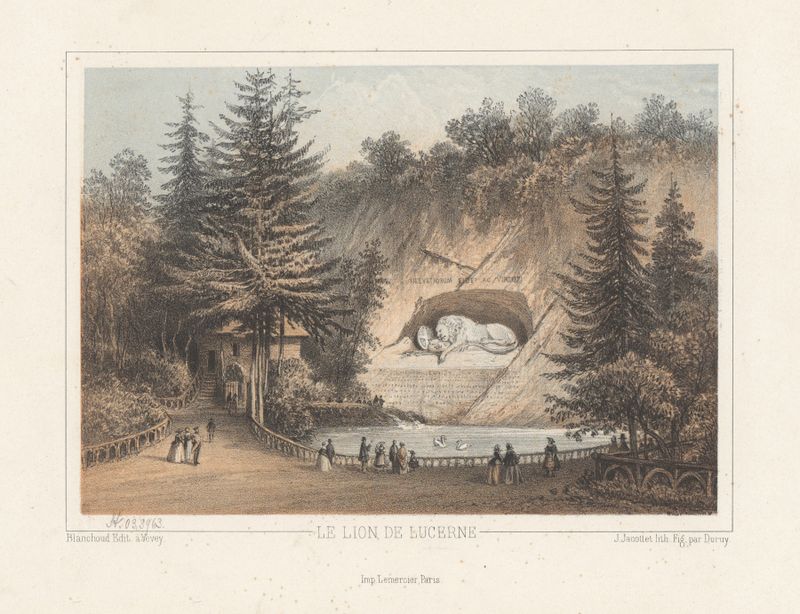
Le lion de Lucerne
Jean Jacottet
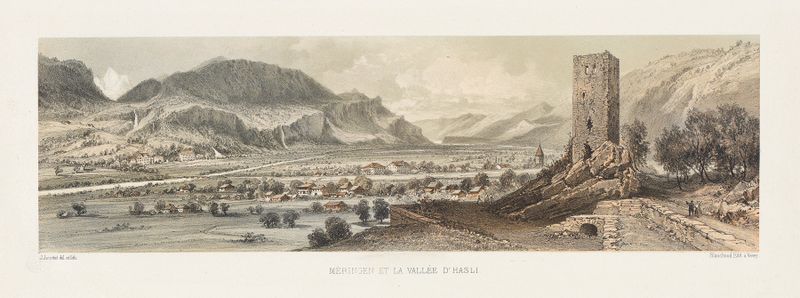
Méringen et la vallée d’Hasli
Jean Jacottet
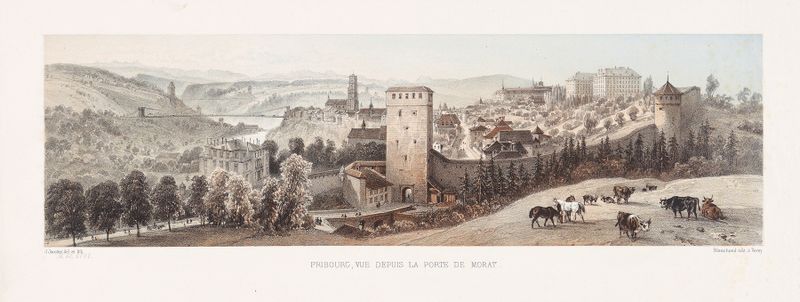
Fribourg, vue depuis la porte de Morat
Jean Jacottet
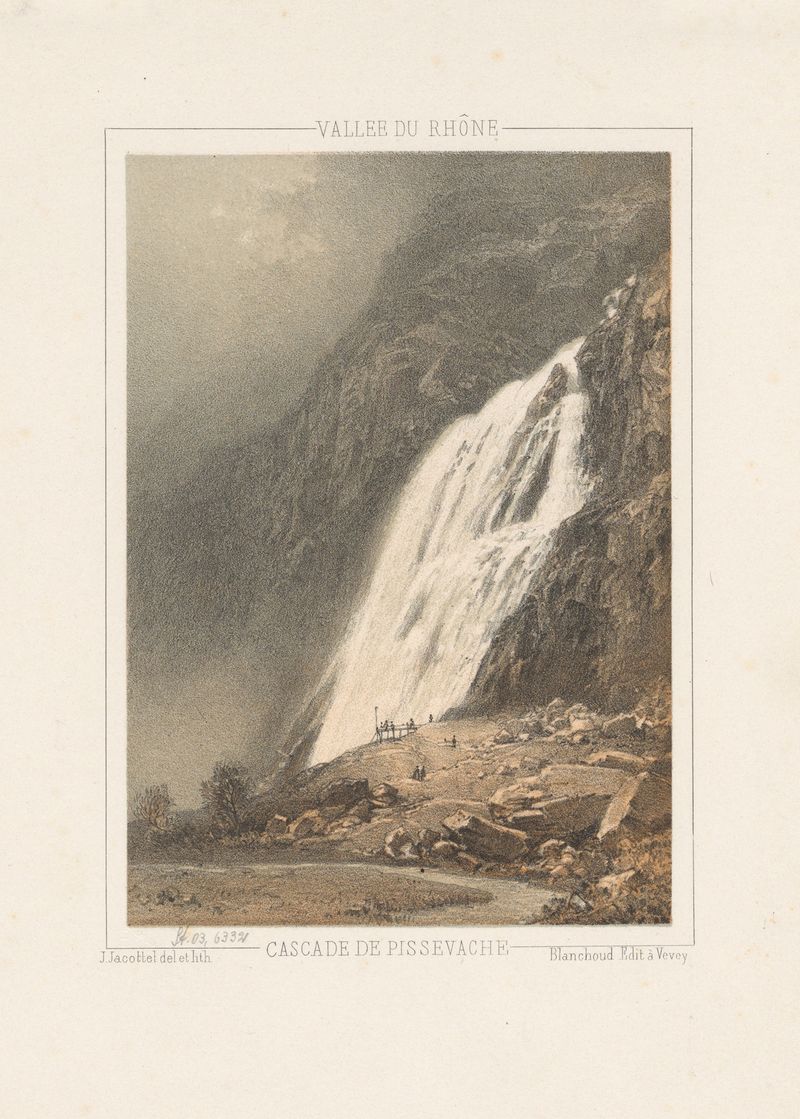
Cascade de Pissevache
Jean Jacottet
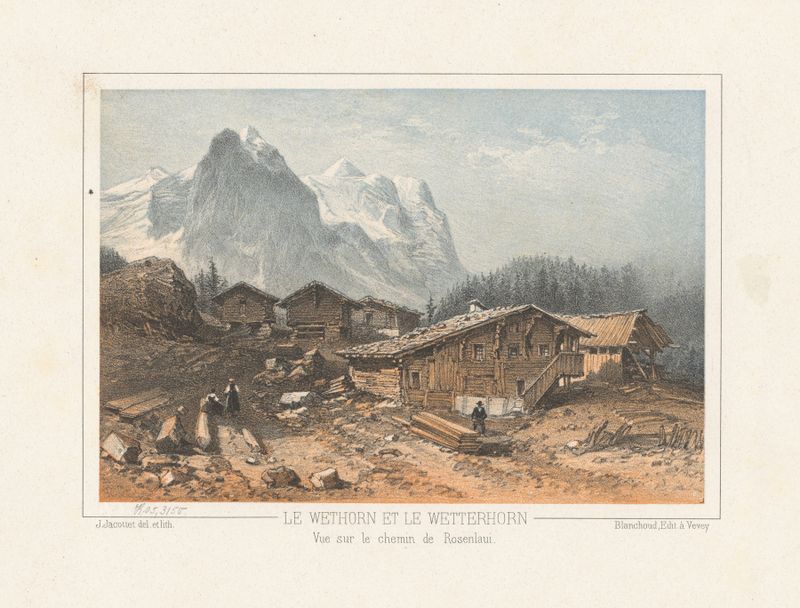
Le Wethorn et le Wetterhorn Vue sur le chemin de Rosenlaui
Jean Jacottet
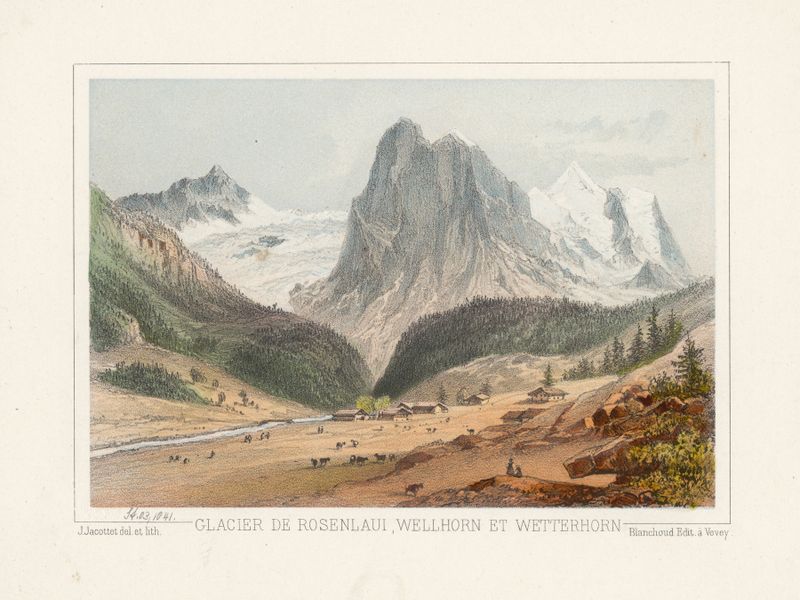
Glacier de Rosenlaui, Wellhorn et Wetterhorn
Jean Jacottet
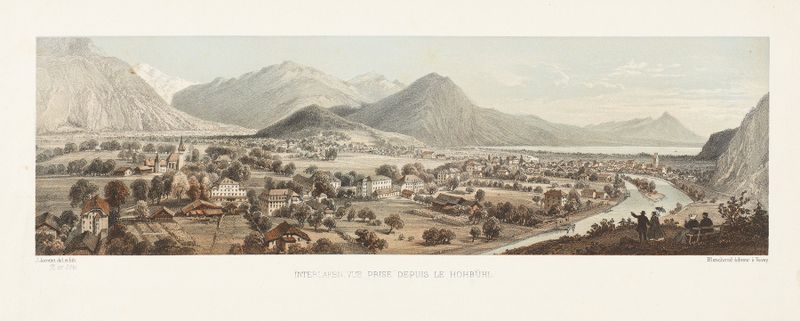
Interlaken, vue prise depuis le Hohbühl
Jean Jacottet
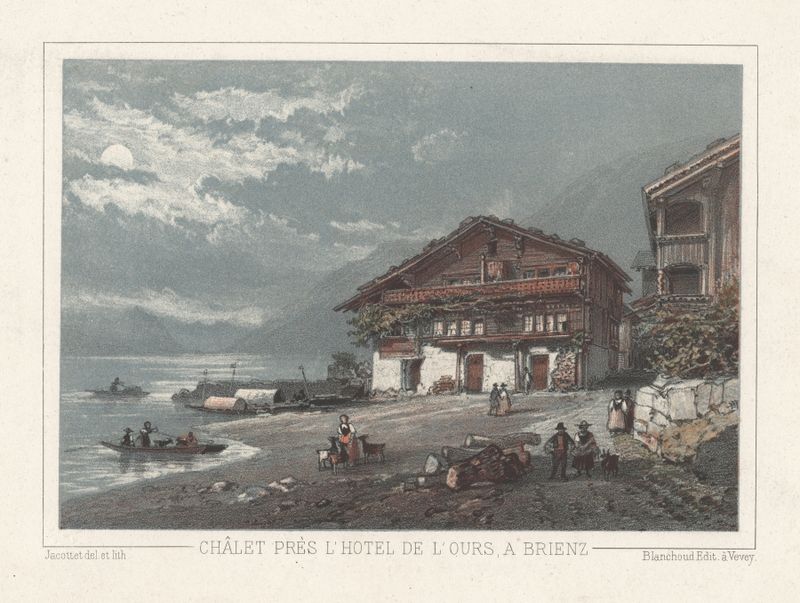
Châlet près l’Hotel de l’Ours, a Brienz
Jean Jacottet
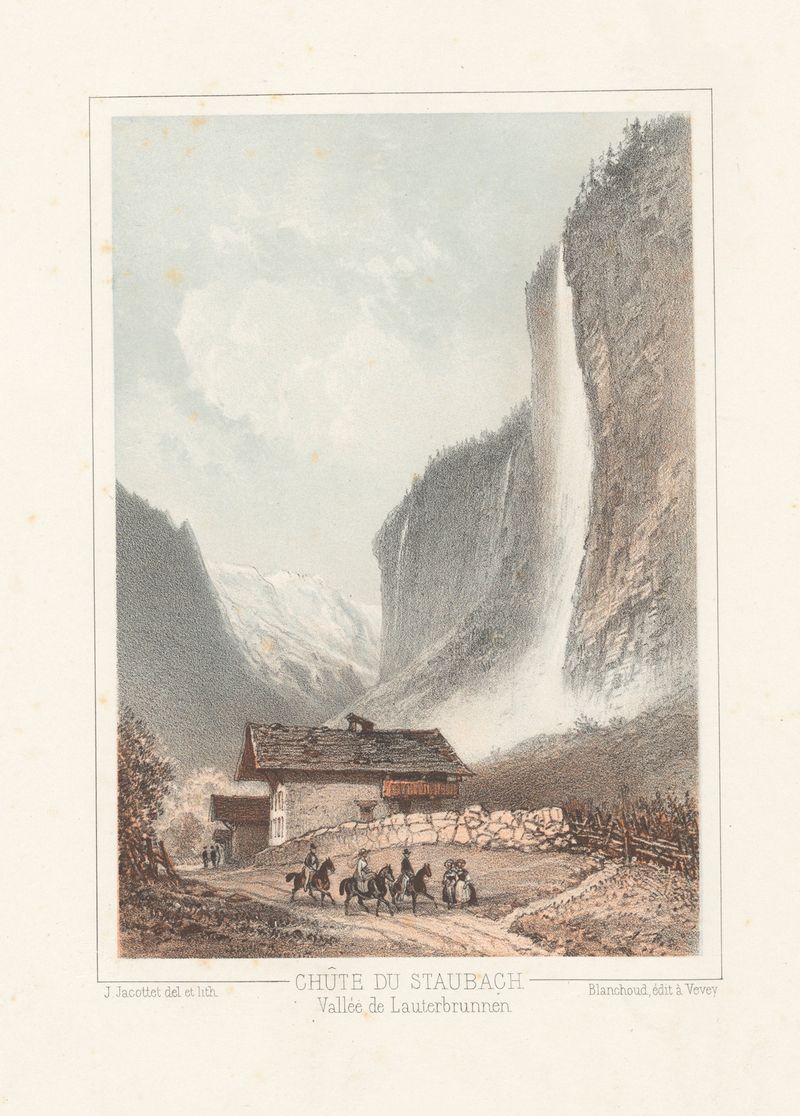
Chûte du Staubach Vallée de Lauterbrunnen
Jean Jacottet
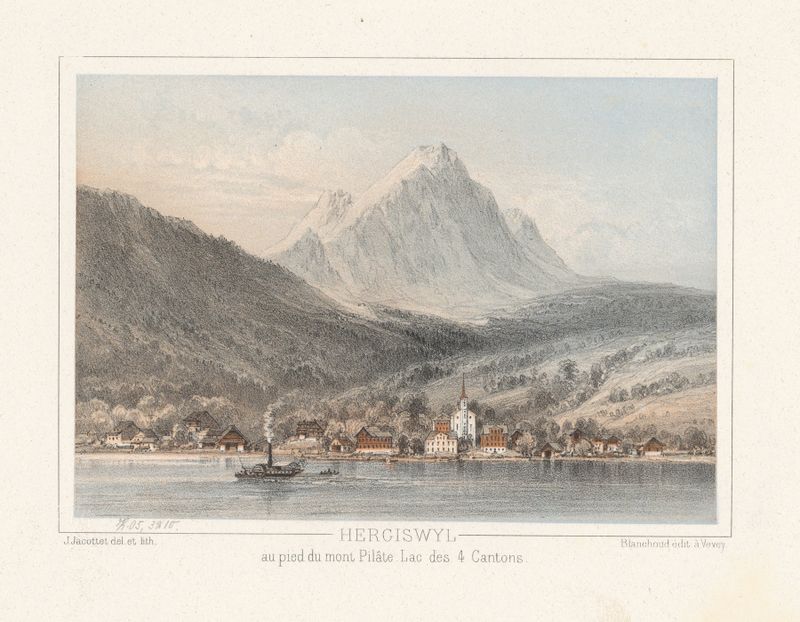
Hergiswyl au pied du mont Pilâte. Lac des 4 Cantons
Jean Jacottet





