
Ludlow Castle, Shropshire — History & Facts
Who listens when art speaks of silence? In Ludlow Castle, Shropshire, a serene landscape unfolds, echoing the whispers of nature and time. This canvas invites us to ponder the divine interconnection between humanity and the world surrounding us. Look to the center at the imposing silhouette of Ludlow Castle, its battlements softened by the mist of dawn. The edges of the structure dissolve into an ethereal haze, suggesting a dialogue between the tangible and the celestial.
Notice how the palette—gentle blues and warm ochres—meld together, defining a harmonious atmosphere that envelops the setting. The light seems to cascade from an unseen source, illuminating the castle and casting a tranquil glow upon the river below, drawing our gaze and anchoring our thoughts. Delve deeper, and you’ll find emotional tensions within the tranquil beauty: the starkness of the castle against the soft, flowing landscape hints at the transience of power and the permanence of nature. The interplay of shadow and light evokes a sense of divine presence, as if history itself breathes life into the scene.
Each brushstroke conveys not only physical form but also an ethereal quality that speaks to the viewer's spirit, evoking contemplation of time, legacy, and the divine amidst earthly confines. In a quiet period of his career, Turner painted this masterpiece around the late 18th or early 19th century, during a time when Romanticism began to influence perceptions of nature and human existence. Residing in London yet often drawn to the countryside, he sought to capture the sublime beauty of England’s landscapes. This work reflects his deepening engagement with light and atmosphere, shaping the evolution of landscape painting during a transformative moment in art history.
More Artworks by Joseph Mallord William Turner
Browse all →
Dort or Dordrecht- The Dort Packet-Boat from Rotterdam Becalmed
Joseph Mallord William Turner
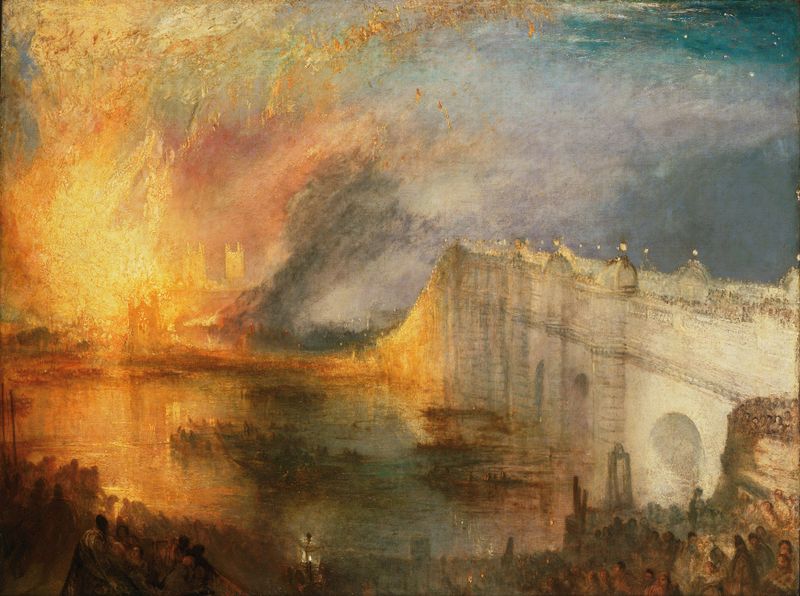
The Burning of the Houses of Lords and Commons, October 16, 1834
Joseph Mallord William Turner
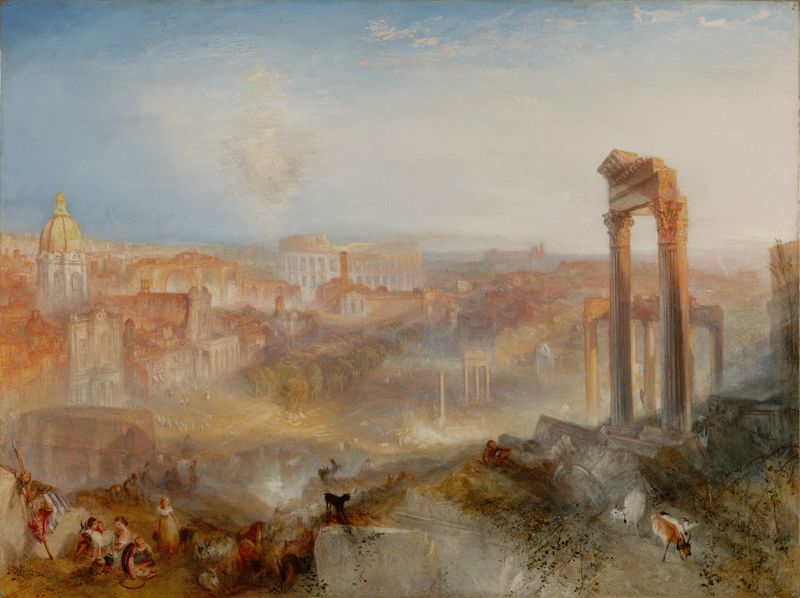
Modern Rome – Campo Vaccino
Joseph Mallord William Turner
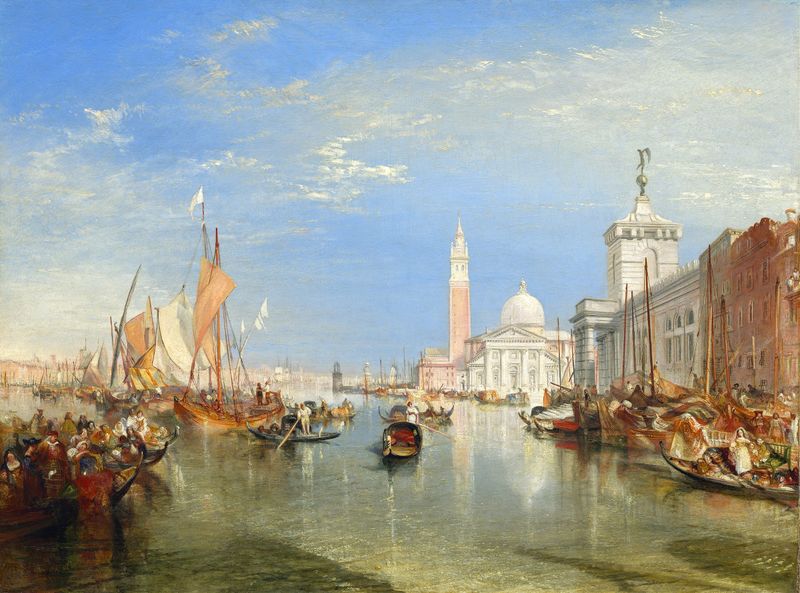
Venice – The Dogana and San Giorgio Maggiore
Joseph Mallord William Turner

The Burning of the Houses of Lords and Commons, 16 October 1834
Joseph Mallord William Turner
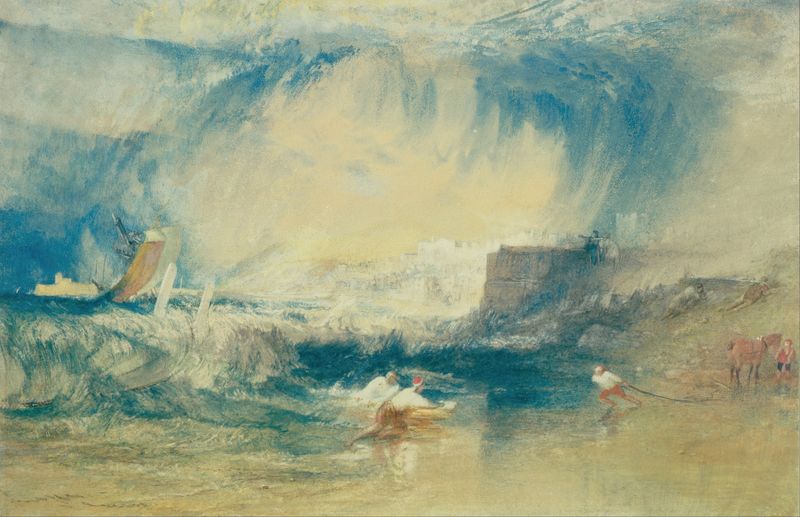
Lyme Regis, Dorsetshire, England
Joseph Mallord William Turner
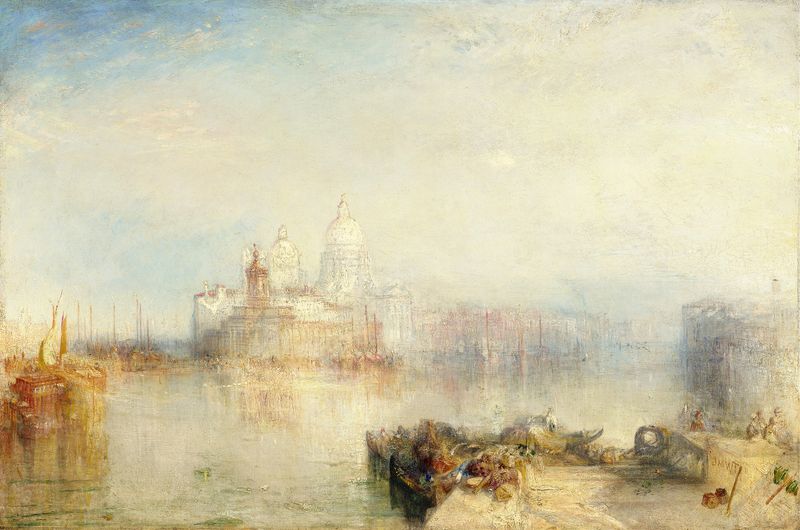
The Dogana and Santa Maria della Salute, Venice
Joseph Mallord William Turner
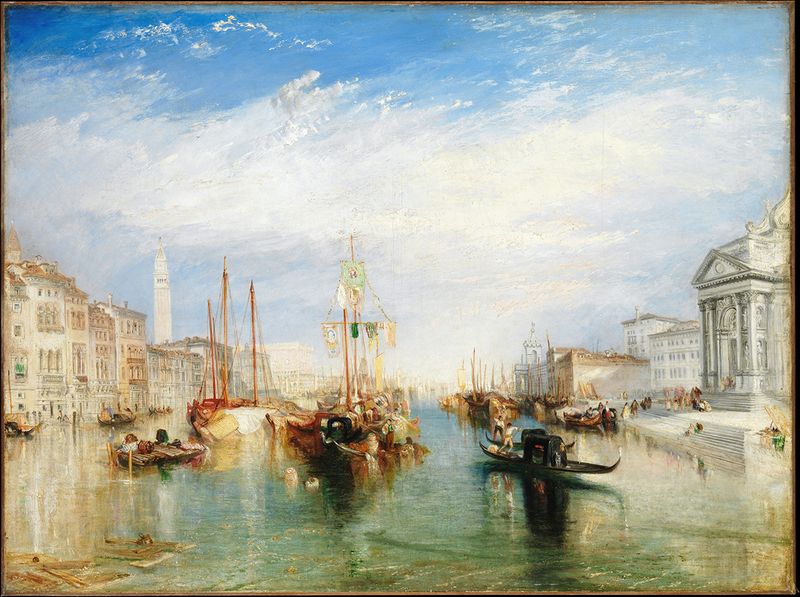
Venice, from the Porch of Madonna della Salute
Joseph Mallord William Turner
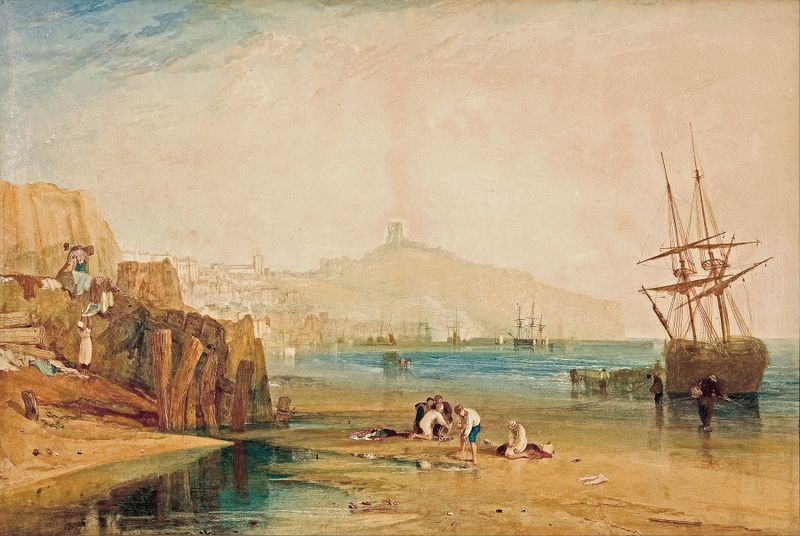
Scarborough town and castle; morning; boys catching crabs
Joseph Mallord William Turner
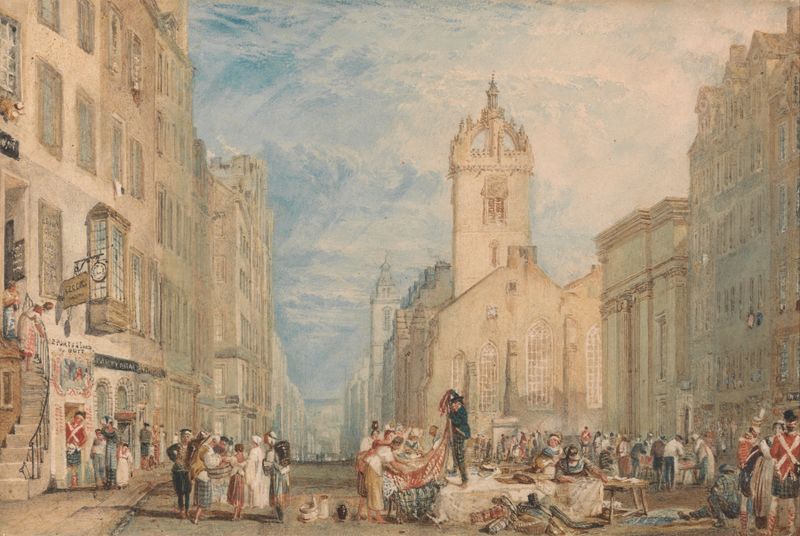
High Street, Edinburgh
Joseph Mallord William Turner





