
Lulworth Castle, Dorset — History & Facts
Where does light end, and longing begin? Lulworth Castle, Dorset beckons us to explore this delicate boundary, a haunting exploration of space, memory, and the passage of time. Look to the sweeping horizon, where the soft blue sky meets the subtle hues of the land. Turner’s delicate brushstrokes convey an ethereal quality, allowing light to dissolve boundaries and blend seamlessly into the landscape. The castle, though prominent, exists almost as a ghost among the rolling hills, bathed in a warm, golden glow that evokes a sense of nostalgia.
Notice how earthy tones subtly punctuate the greenery, grounding the scene yet juxtaposing the ephemeral nature of the light. The contrast between the solid structure of the castle and the fluidity of the surrounding environment embodies a tension between permanence and transience. Each stroke seems to hold a story, whispering of the lives that once animated its halls and the inevitable passage of time that leaves them quiet. The fleeting light suggests a moment of reflection, urging the viewer to contemplate loss—not just of a place, but of the memories that linger in its shadow. In 1820, Turner created this work during a period of artistic evolution, embracing romanticism and the sublime in his landscapes.
His focus was shifting toward capturing atmospheric effects, which mirrored his personal struggles and the broader changes in society. The age of industrialization loomed, threatening the tranquility of the pastoral, and in Lulworth Castle, he immortalizes both beauty and the inevitability of change.
More Artworks by Joseph Mallord William Turner
Browse all →
Dort or Dordrecht- The Dort Packet-Boat from Rotterdam Becalmed
Joseph Mallord William Turner
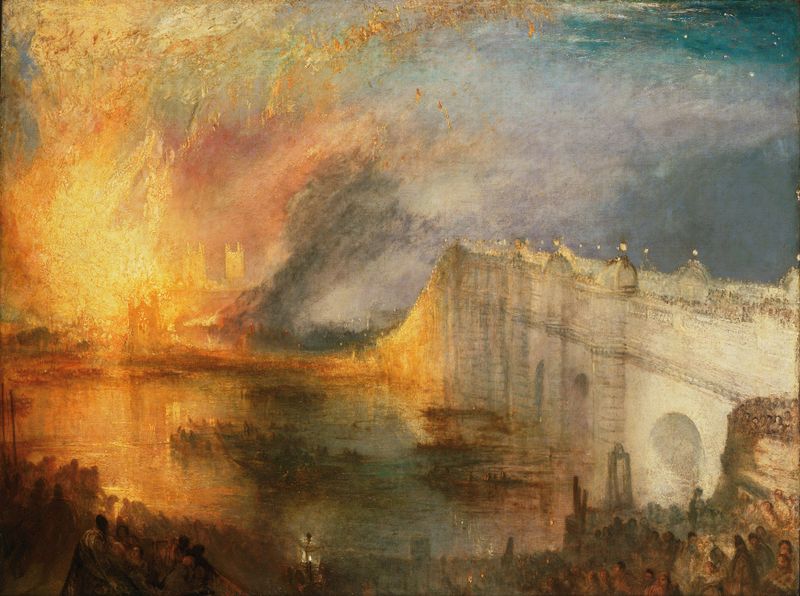
The Burning of the Houses of Lords and Commons, October 16, 1834
Joseph Mallord William Turner
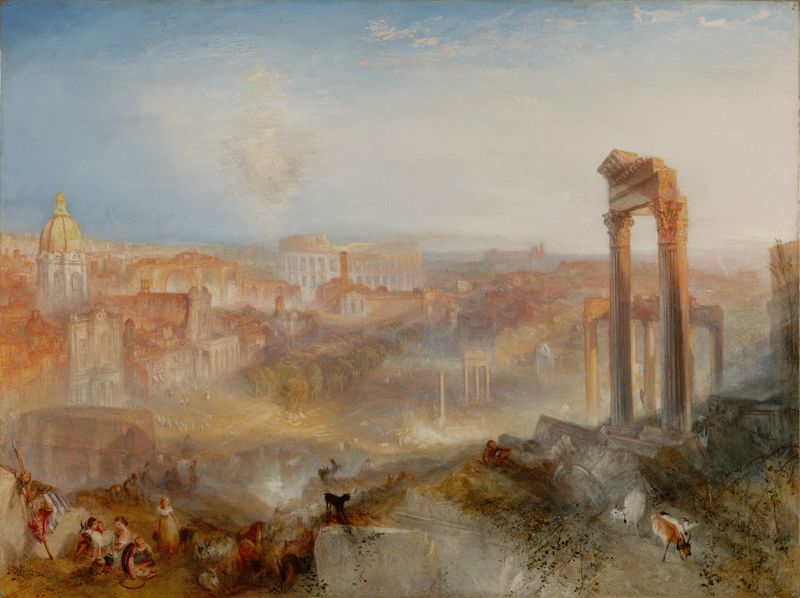
Modern Rome – Campo Vaccino
Joseph Mallord William Turner
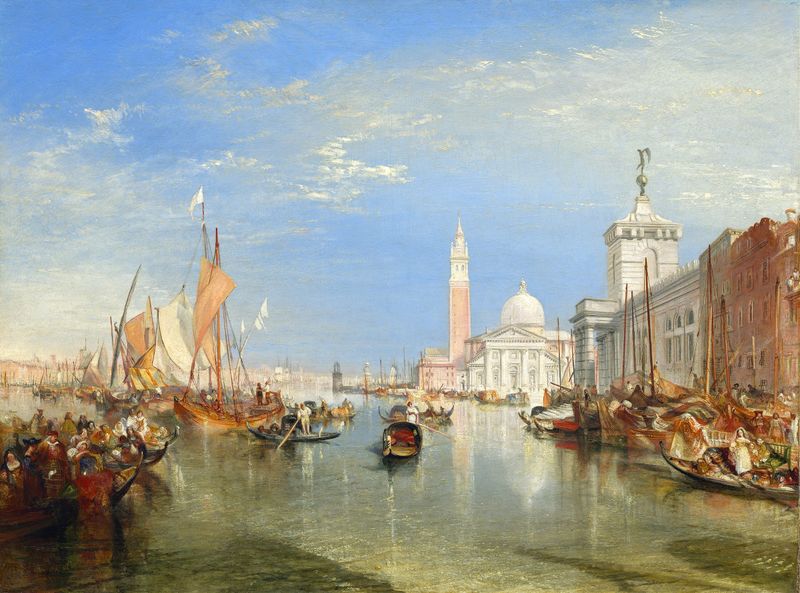
Venice – The Dogana and San Giorgio Maggiore
Joseph Mallord William Turner

The Burning of the Houses of Lords and Commons, 16 October 1834
Joseph Mallord William Turner
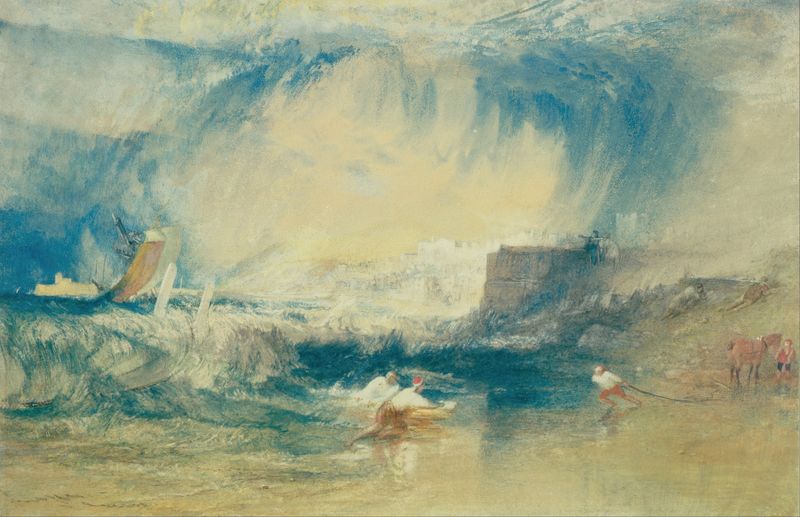
Lyme Regis, Dorsetshire, England
Joseph Mallord William Turner
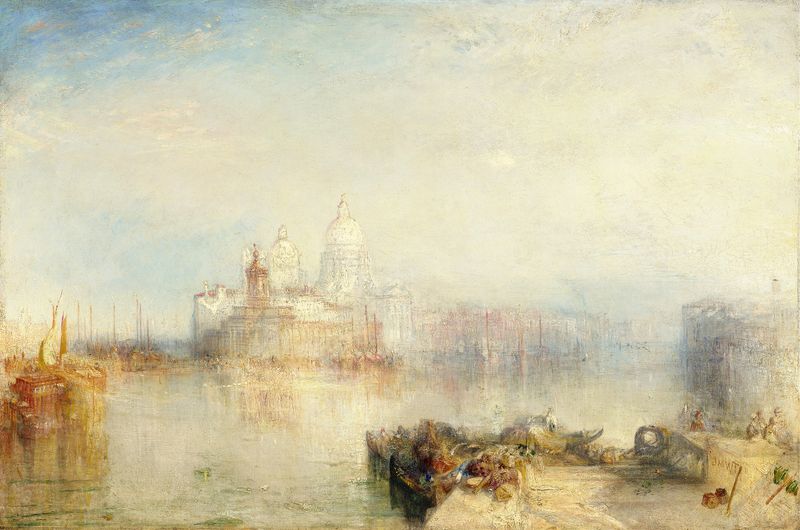
The Dogana and Santa Maria della Salute, Venice
Joseph Mallord William Turner
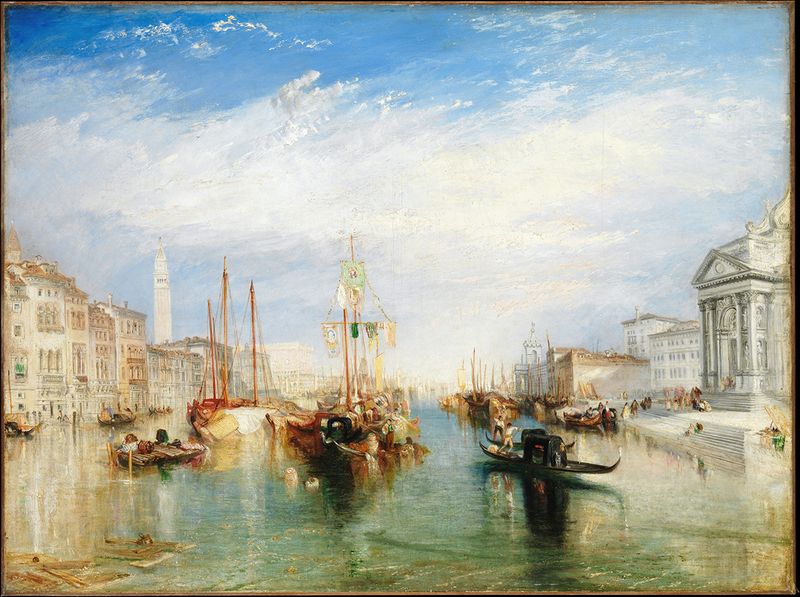
Venice, from the Porch of Madonna della Salute
Joseph Mallord William Turner
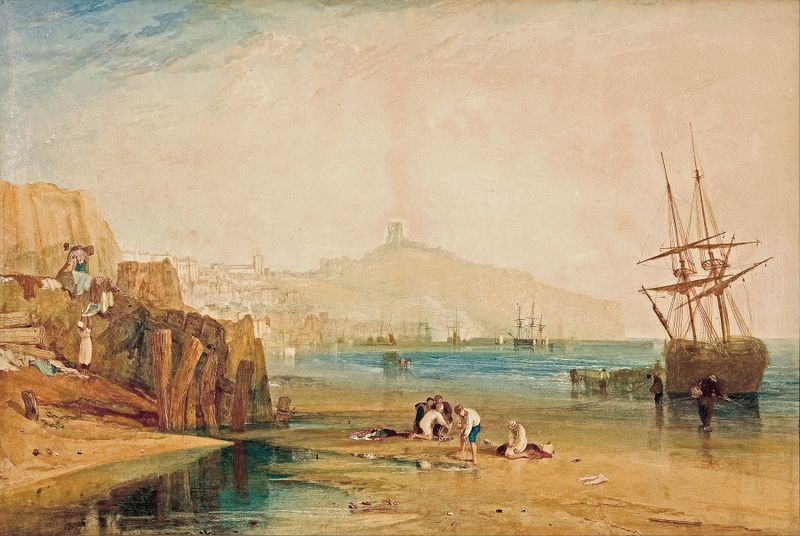
Scarborough town and castle; morning; boys catching crabs
Joseph Mallord William Turner
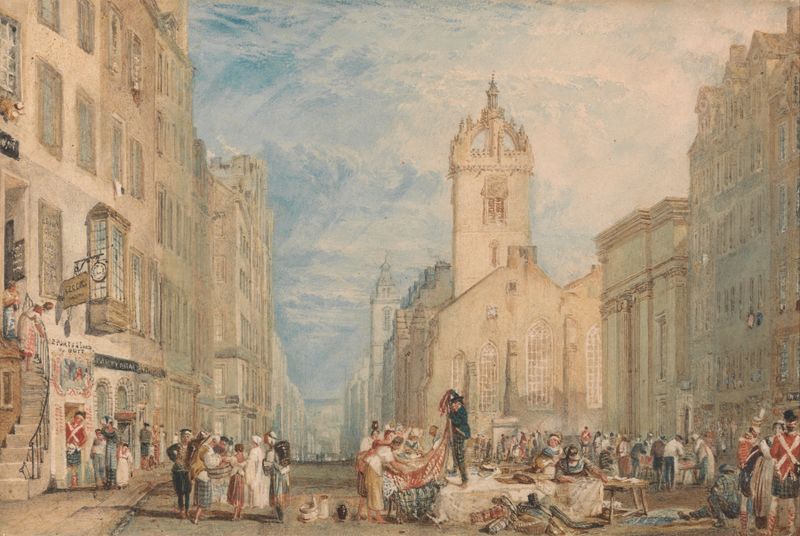
High Street, Edinburgh
Joseph Mallord William Turner





