
Maaltijd te Bethanië — History & Facts
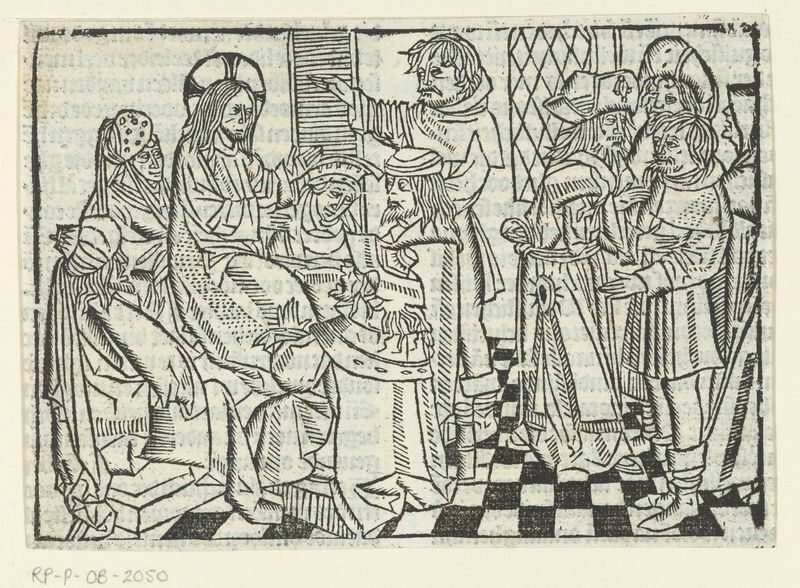
In the stillness of a moment captured, the weight of unspoken emotions hangs in the air, inviting reflection and introspection. Look to the left at the figure seated at the table, their downcast gaze a poignant contrast to the vibrant colors that surround them. Notice how the golden hues of the banquet spread warmth, yet the deep shadows creep into corners, hinting at an underlying melancholy. The meticulous detail in the drapery and the carefully arranged food draws one’s eye and evokes a sense of abundance, while the expressions of the figures suggest a deeper, unarticulated yearning. Here, the masterful interplay of light and shadow not only enhances the physicality of the banquet but also symbolizes the duality of joy and sorrow.
The tension between the richly embroidered tablecloth and the somber countenance of the guests creates a narrative of longing and reflection, revealing layers of human experience that resonate with us in silent communion. It becomes apparent that the beauty of the feast cannot mask the ache of their solitude. Created in 1503, this piece emerged from the bustling cultural environment of Delft, where the artist was influenced by the burgeoning Renaissance ideals and the intricate realism that defined the era. It was a time marked by both innovation in art and deep religious introspection, as society grappled with the complexities of human emotion amidst the backdrop of spiritual inquiry.
More Artworks by Master of Delft
Browse all →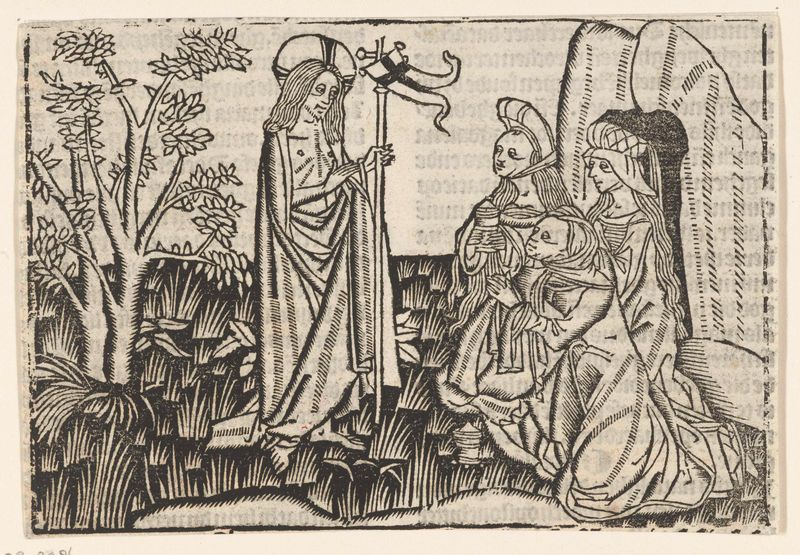
Christus verschijnt aan de drie Maria's
Master of Delft
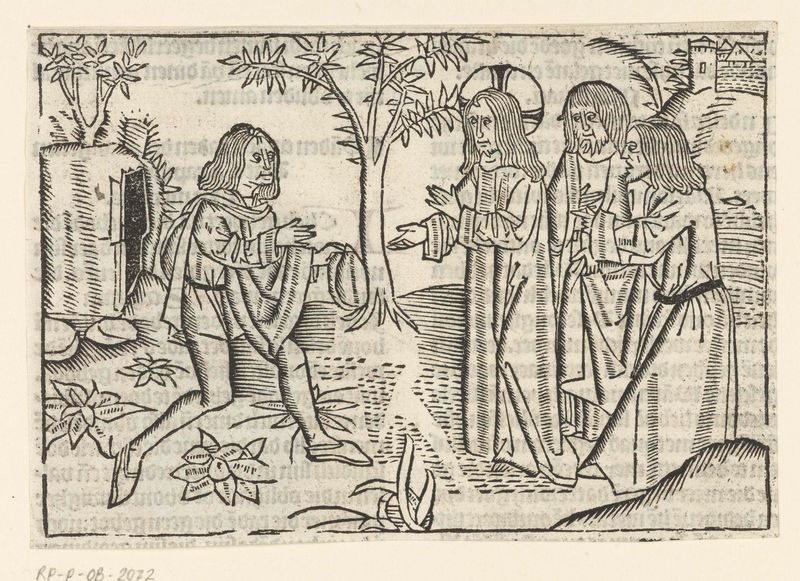
Christus en de rijke jongeling
Master of Delft
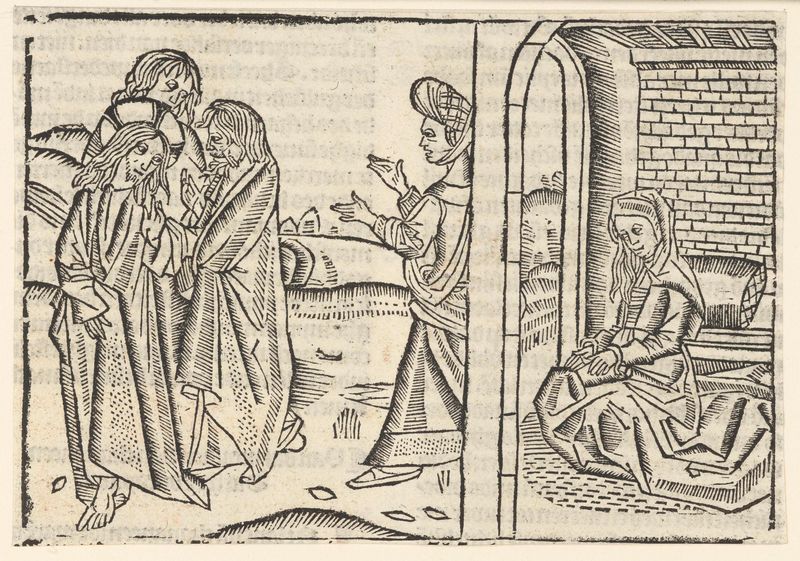
Christus en de Kanaänitische vrouw
Master of Delft
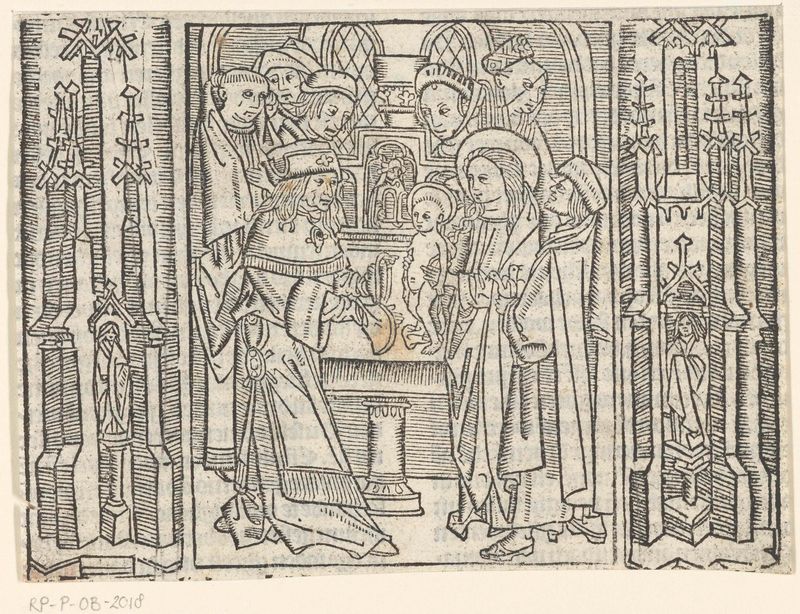
Presentatie van Christus in de tempel
Master of Delft
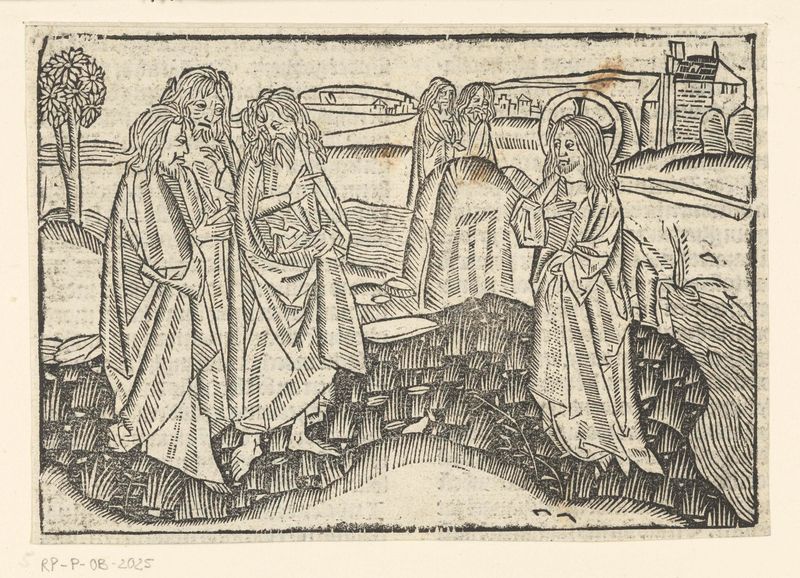
Christus kiest zijn eerste discipelen
Master of Delft
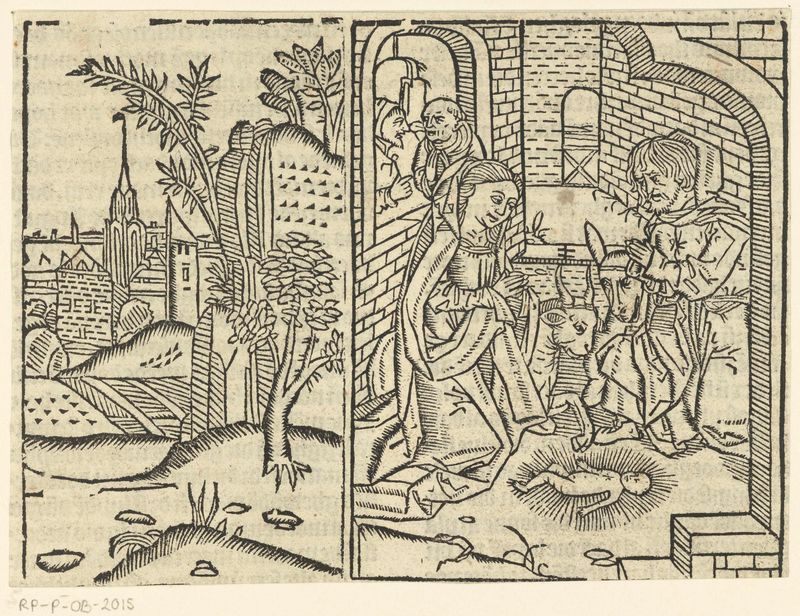
Geboorte van Christus
Master of Delft
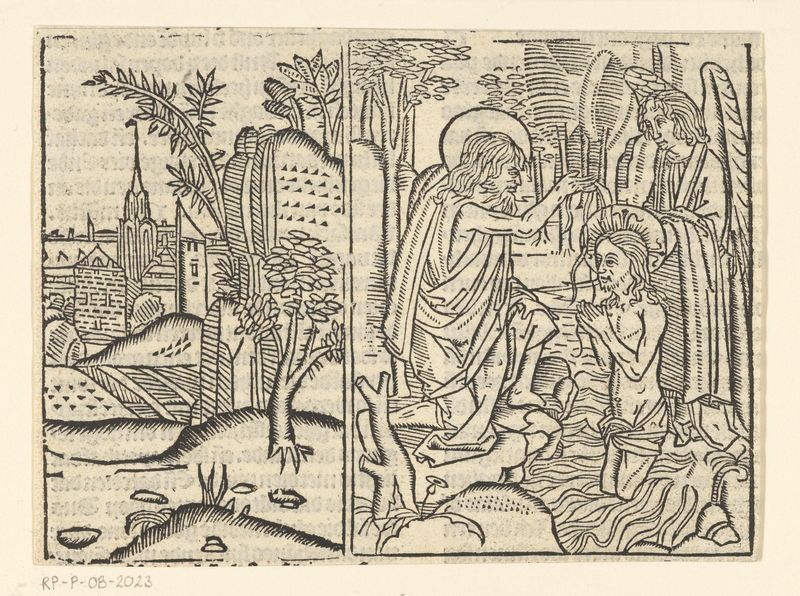
De doop van Christus in de Jordaan
Master of Delft
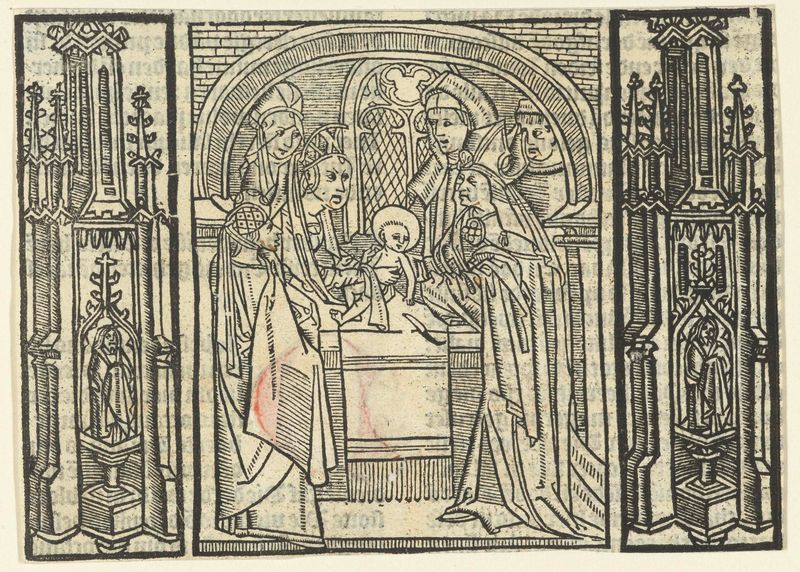
Besnijdenis van Christus
Master of Delft
Christus geneest de man met een verdorde hand
Master of Delft
De Farizeeërs willen Christus stenigen
Master of Delft
More Religious Art
Browse all →
The Return of the Prodigal Son
Rembrandt van Rijn

The Garden of Earthly Delights
El Bosco

Count Orgaz’ funeral
El Greco

The Hundred Guilder Print: the central piece with Christ preaching, the plate arched
Rembrandt van Rijn

The Descent from the Cross
Rogier van der Weyden

The return of the prodigal son
Rembrandt van Rijn