
Macbeth, paysage (Macbeth, Landscape) — History & Facts
This profound reflection invites us to consider the delicate dance between memory and reality intertwined within the canvas of life. Focus on the serene, muted landscape, where soft greens and browns meld together to form a natural harmony. In the foreground, the gentle curves of the hills cradle a calm, reflective body of water, drawing the viewer’s gaze into its depths. Notice how wisps of fog weave through the trees, creating an ethereal veil that both obscures and reveals the scene, compelling us to peer deeper into the layers of truth hidden beneath the surface. The juxtaposition of light and shadow plays a pivotal role in this work, where the sun breaks with a timid glow, illuminating the foliage while casting long shadows, whispering secrets of the past.
The mixture of serene beauty and an undercurrent of melancholy evokes a sense of contemplation, as if nature holds a mirror to the human condition. Each brushstroke serves as a reminder of the fleeting nature of time, urging us to confront our own truths amidst the ambivalence of existence. During the late 1850s, the artist found himself immersed in a world of evolving artistic ideals, as he painted Macbeth, paysage in France. This period was marked by a departure from the grand historical narratives of earlier times, embracing instead the simpler, yet profound beauty of nature.
Corot, influenced by the Barbizon school’s emphasis on realism, was exploring new approaches to light and atmosphere, which would later shape the Impressionists’ vision.
More Artworks by Jean-Baptiste-Camille Corot
Browse all →
View of Genoa
Jean-Baptiste-Camille Corot
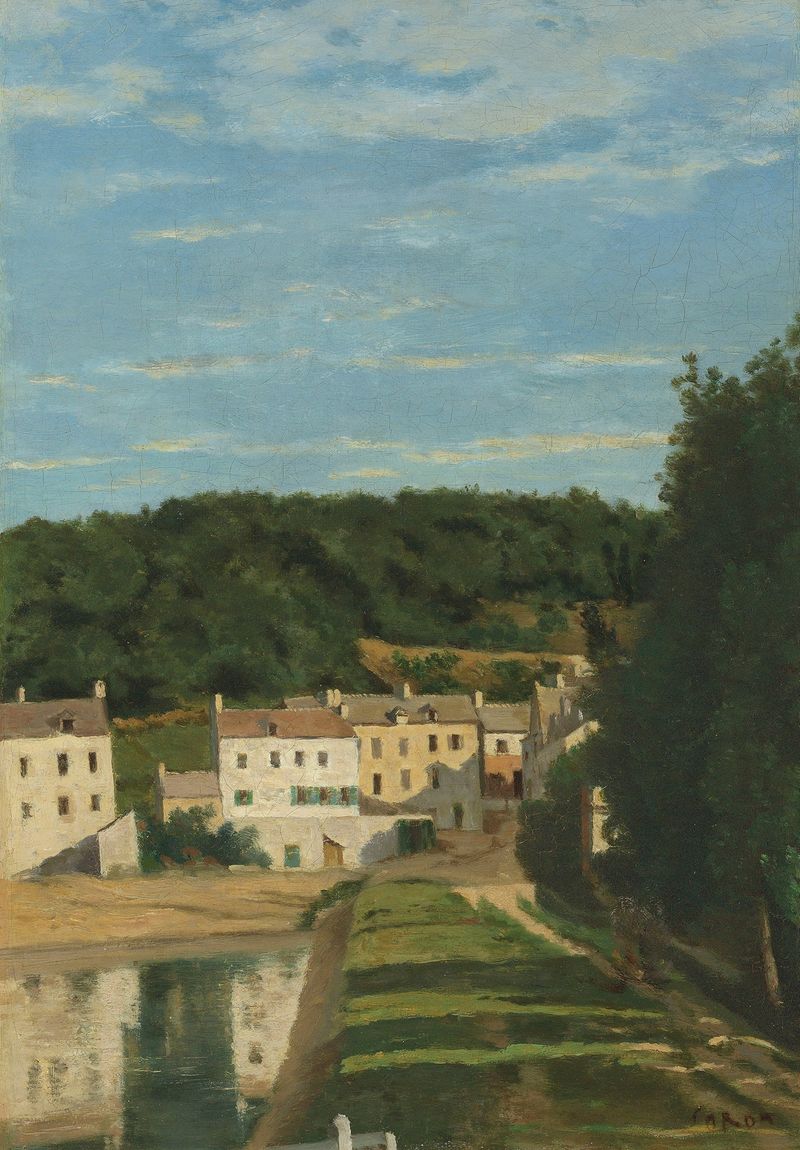
Les Maisons Cabassud À Ville D’avray
Jean-Baptiste-Camille Corot

La solitude. Souvenir de Vigen (Limousin)
Jean-Baptiste-Camille Corot
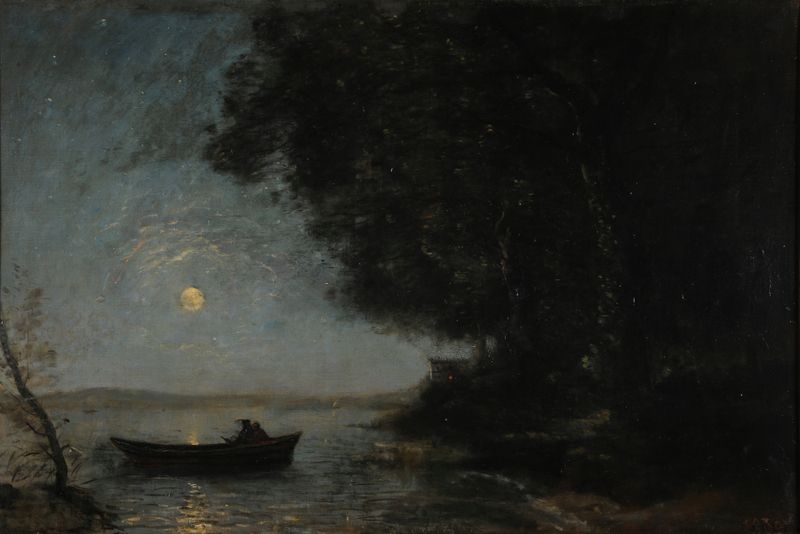
Le lac ; effet de nuit
Jean-Baptiste-Camille Corot
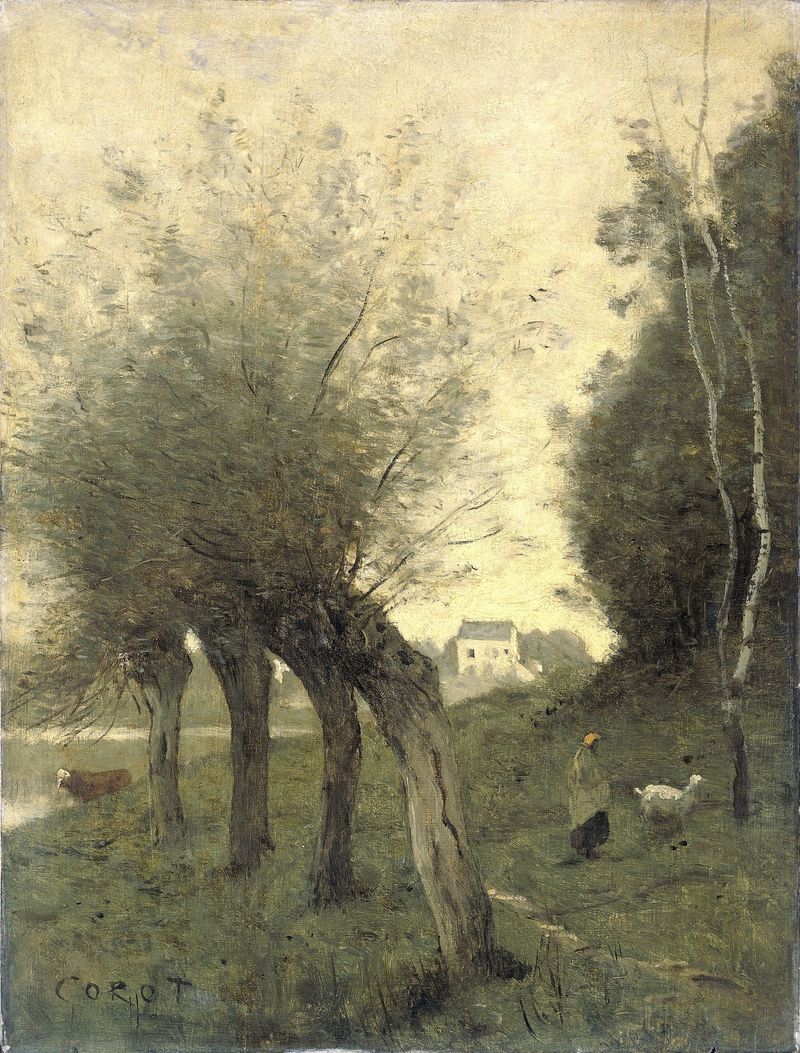
Landscape with Pollard Willows
Jean-Baptiste-Camille Corot
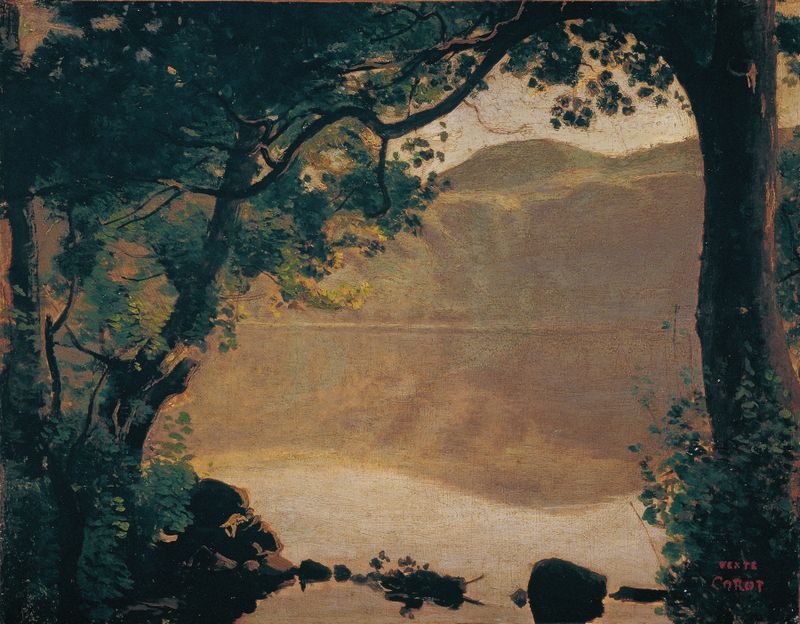
Der Nemisee
Jean-Baptiste-Camille Corot
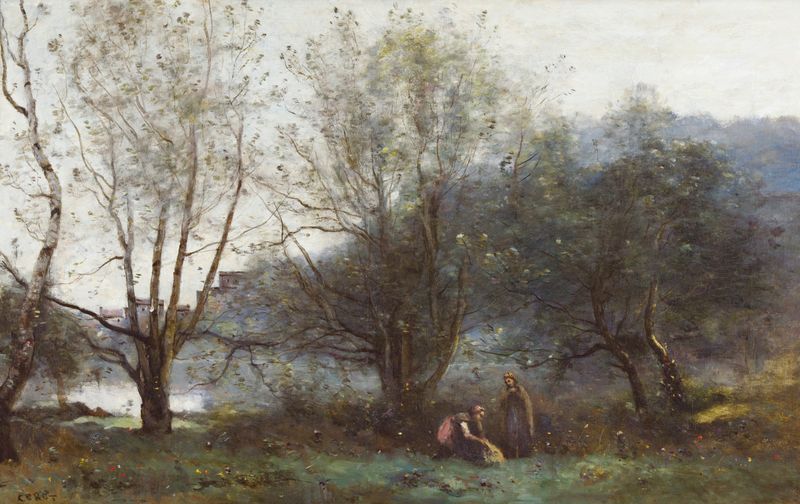
Les Étangs De Ville D’avray
Jean-Baptiste-Camille Corot
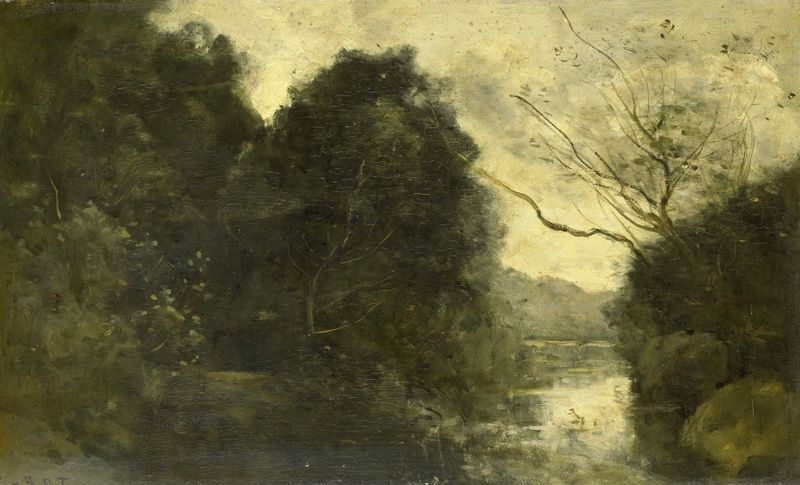
Pond in the Woods
Jean-Baptiste-Camille Corot
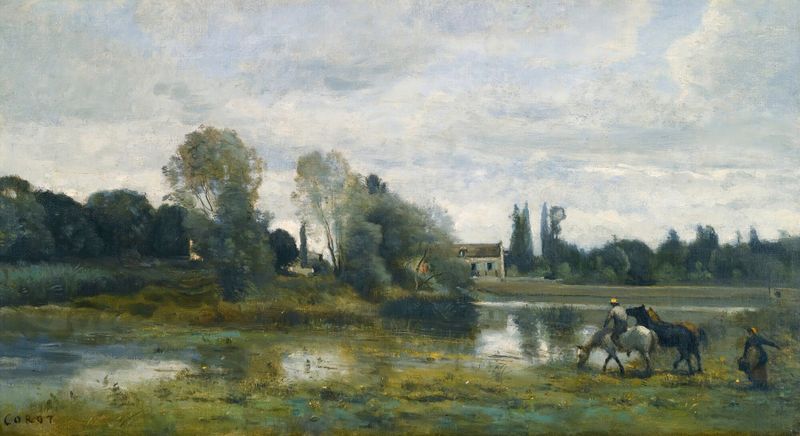
Ville D’avray; L’abreuvoir Des Chevaux
Jean-Baptiste-Camille Corot
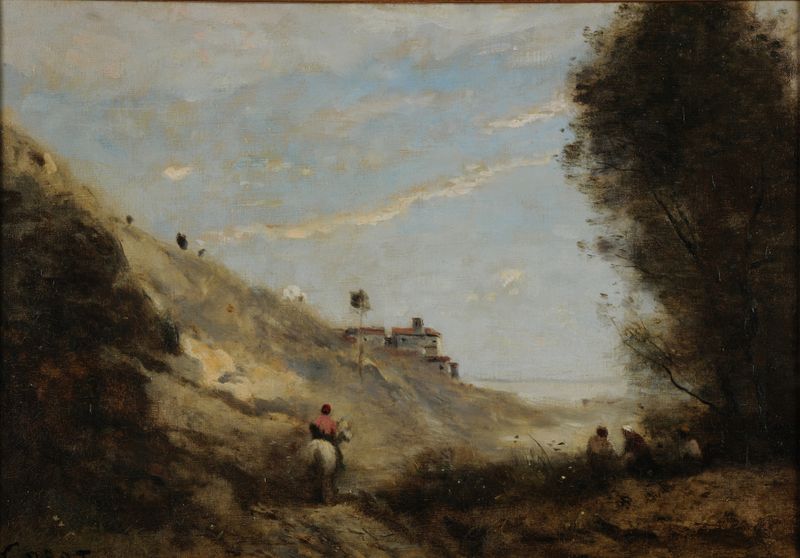
Le vallon au cavalier
Jean-Baptiste-Camille Corot





