
Maćko Borkowic, sketch — History & Facts
In 1358, Maćko Borkowic, a powerful Polish noble, met a grim fate: walled up alive in the dungeon of Opatów Castle on the order of King Casimir III the Great. This shocking episode, a rare case of political execution by immurement in Polish history, fascinated later generations for its drama and cruelty. Nearly five centuries later, Jan Matejko—the grand chronicler of Poland’s past—was drawn to the story, producing this sketch in 1873 as part of his lifelong project to capture pivotal moments of national history. Matejko’s sketch freezes the moment of Maćko’s final defiance: the nobleman, shackled and gaunt, faces his captors with a mixture of pride and resignation.
The heavy chains that bind him symbolize not only his physical captivity but also the consequences of rebellion against royal authority. The stark light falling on Maćko’s face isolates him from the shadowy figures of his jailers, heightening the sense of isolation and impending doom. Unlike Rembrandt’s meditative prisoners or Delacroix’s theatrical martyrs, Matejko’s Maćko is caught in a moment of psychological tension, his fate sealed yet his spirit unbroken. The precise medium of this sketch remains uncertain, as does its intended use—whether as a study for a larger painting or a standalone work.
It forms part of a series of preparatory works by Matejko exploring medieval Polish history, a theme that dominated his career and cemented his reputation as Poland’s national painter. Today, the sketch is valued not only for its artistry but also as a window into Matejko’s creative process, offering insight into how he transformed raw historical episodes into enduring images. Its current location is not widely documented, but it continues to circulate in scholarly discussions of Matejko’s historical imagination.
More Artworks by Jan Matejko
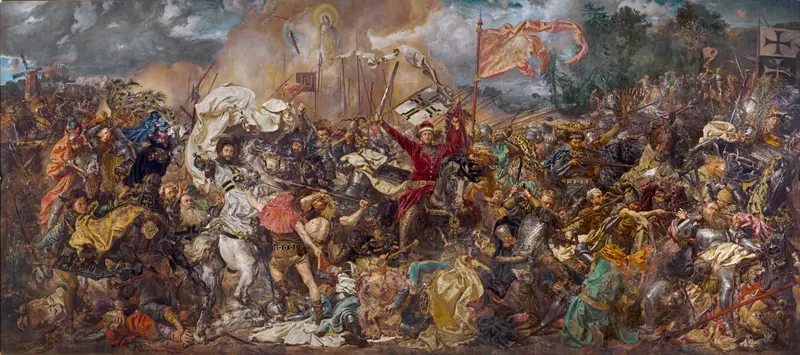
Battle of Grunwald
Jan Matejko

Stańczyk
Jan Matejko

Battle of Raclawice
Jan Matejko
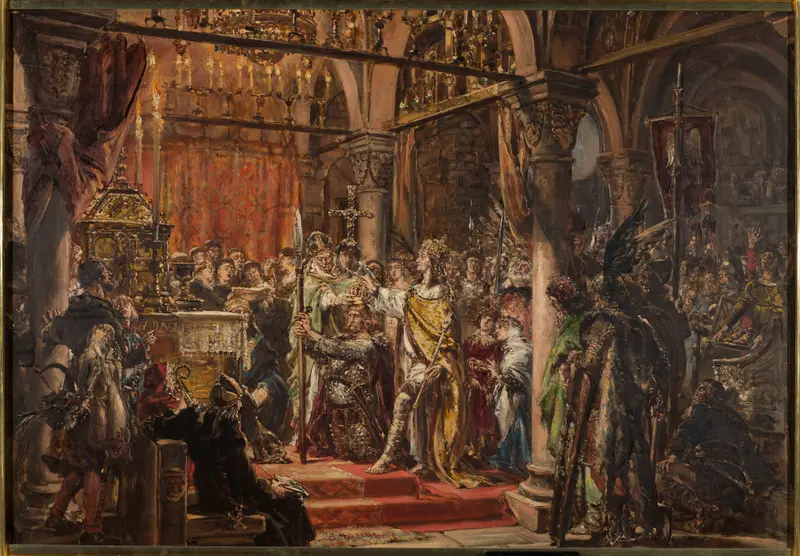
Coronation of the First King, 1001 AD, from the series “History of Civilization in Poland”
Jan Matejko
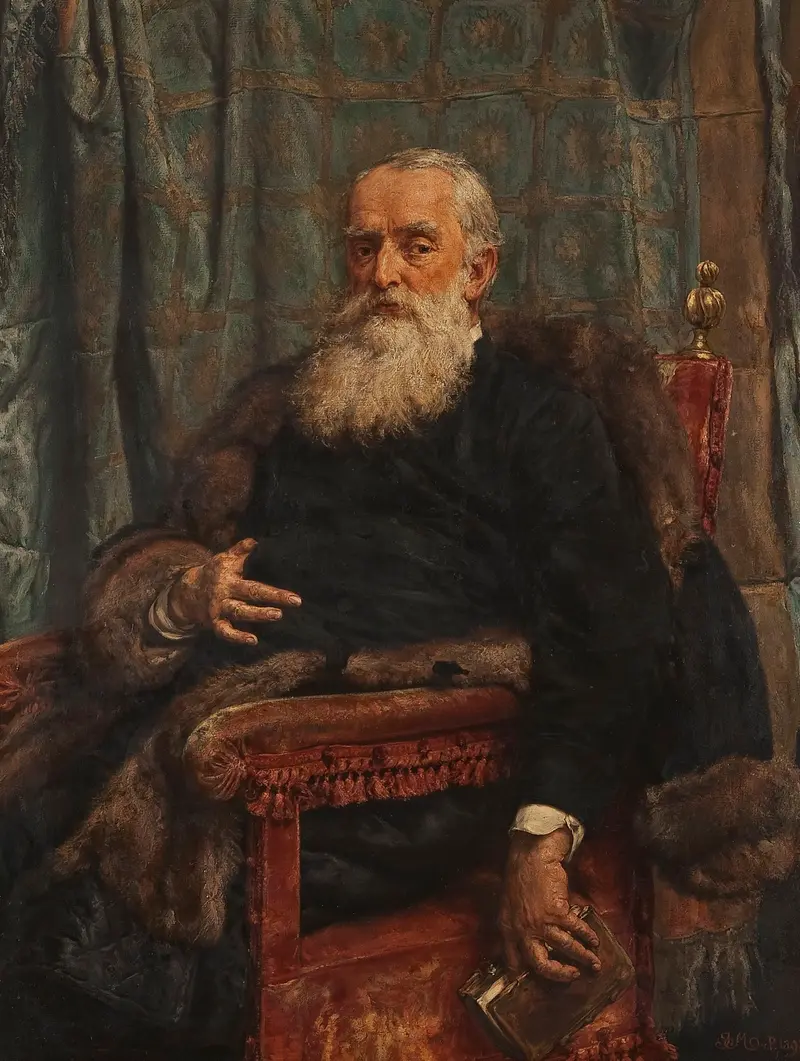
Portrait of Henryk Krajewski
Jan Matejko
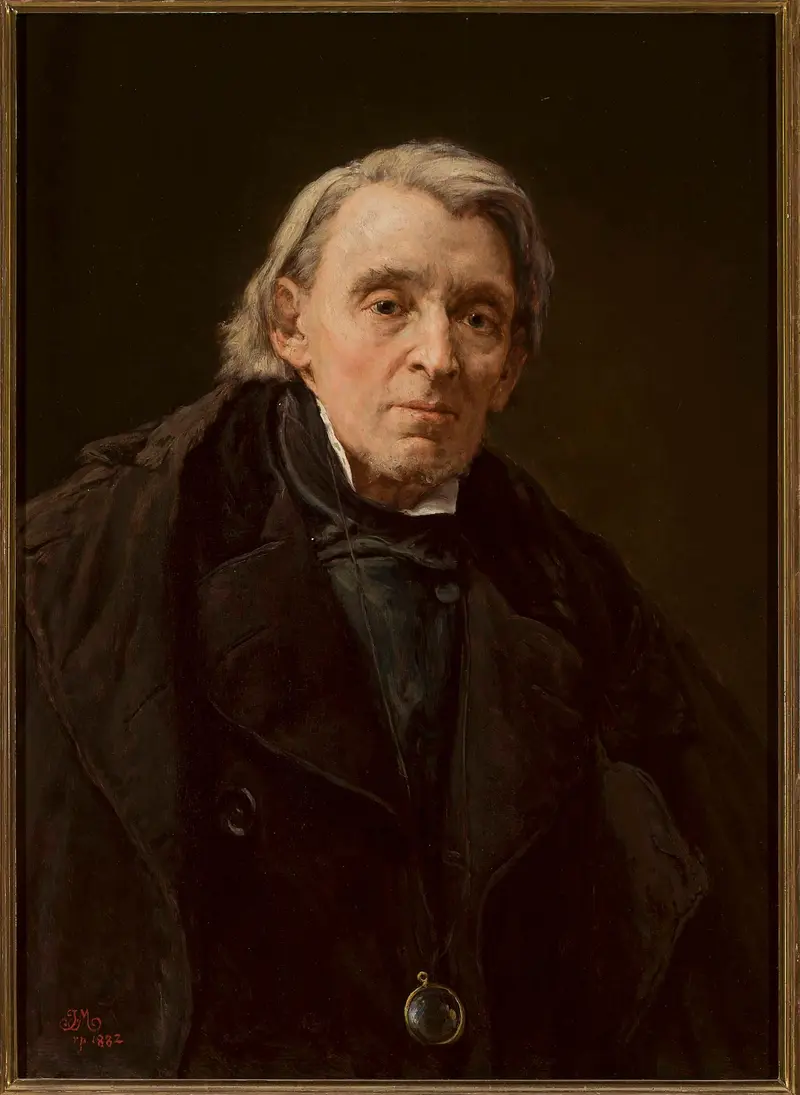
Portrait of Karol Podlewski
Jan Matejko
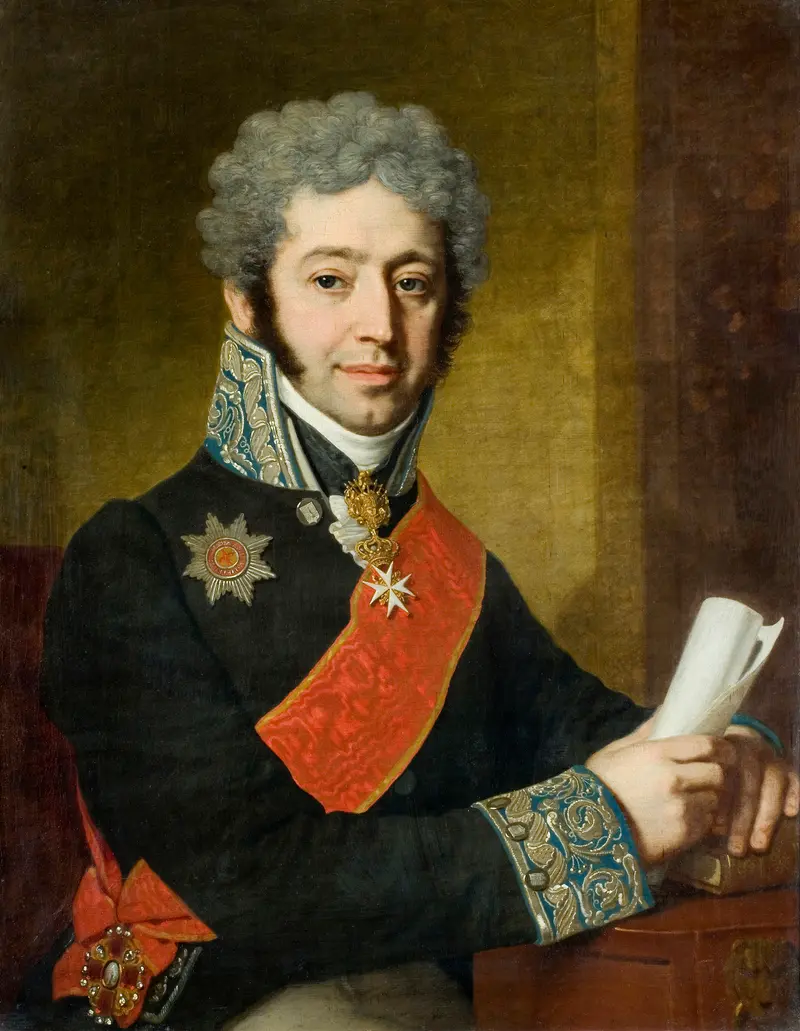
Portrait of Potocki and Poninski
Jan Matejko
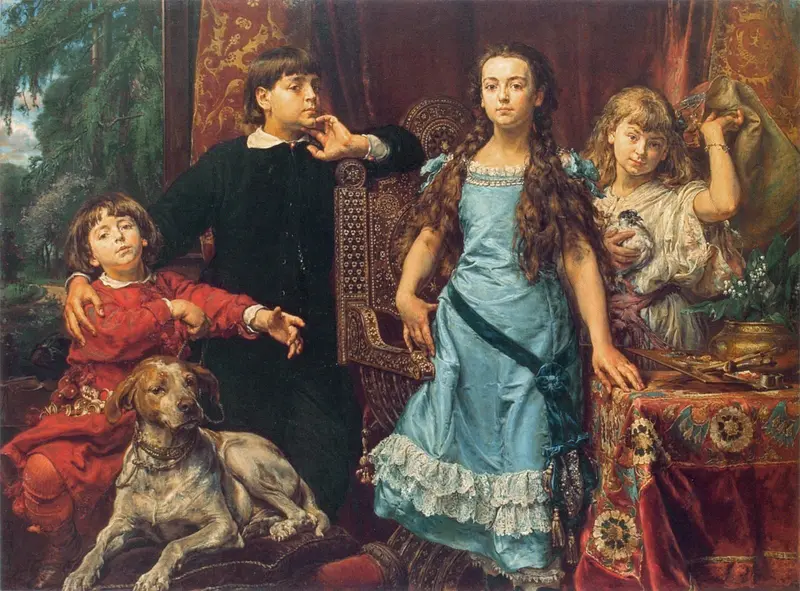
Portrait of the artist's four children
Jan Matejko
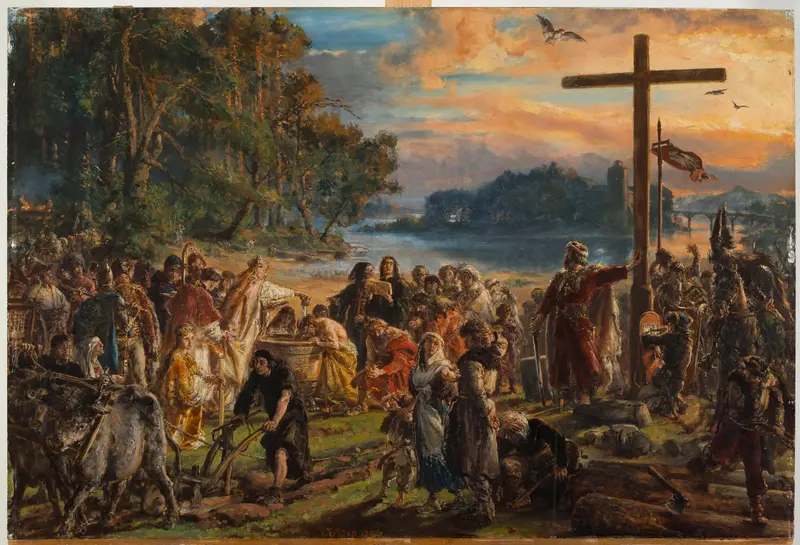
Introduction of Christianity in Poland
Jan Matejko
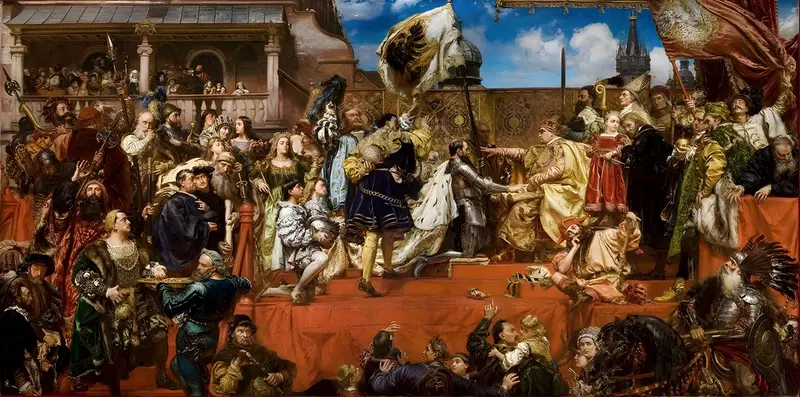
Prussian Homage
Jan Matejko





