
Madeira — History & Facts
What secret hides in the quiet of the canvas? A palpable sense of obsession ripples beneath the tranquil surface of Madeira, inviting the viewer to unravel its mysteries. Look to the center, where a lone ship—small yet determined—sails under a stretch of sky that seems to pulse with life. The artist's deft brushwork captures the subtle interplay of light and shadow, illuminating the pristine waters with hues of deep blue and gentle green. Notice how the clouds gather above, their soft whites blending seamlessly into a vibrant cerulean, evoking both serenity and impending change.
This delicate balance of color and form draws the eye in, hinting at the emotional undercurrents that lie just beneath the surface. The ship, while a solitary figure, embodies a sense of yearning that transcends its physical presence. Its steady progress through the undulating waves speaks to the human spirit’s relentless pursuit of dreams, an echo of obsession that resonates through the vastness of the ocean. Observe the horizon, where sea meets sky—a boundary both inviting and elusive, symbolizing the tension between aspiration and reality.
In this juxtaposition, the viewer may sense the struggles inherent in chasing one’s desires, reinforcing the painting’s emotional depth. During the creation of Madeira in 1779, Samuel Davis was deeply engaged with the burgeoning Romantic movement, which emphasized emotion and the sublime in nature. Working within the context of England’s maritime explorations, he sought to convey not just landscapes, but the profound feelings they inspired. The artwork emerged amid a period of personal and artistic development, as the world around him grappled with the expansive allure of the sea and the obsessions that drive human endeavor.
More Artworks by Samuel Davis
Browse all →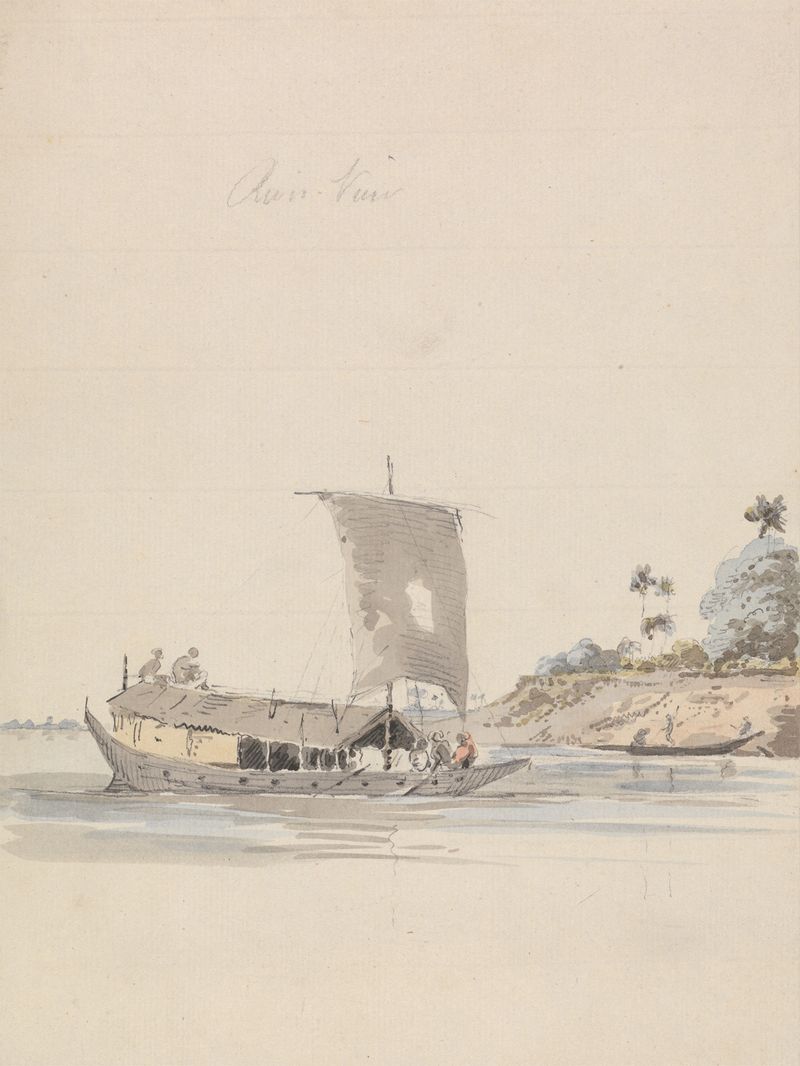
River View with a Junk (near Rajmahal)
Samuel Davis
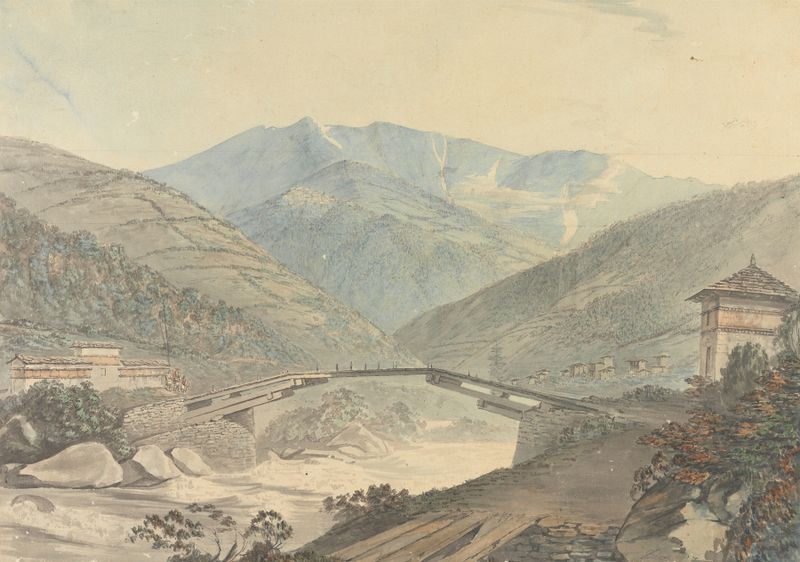
View near Tassisudon [Tashicho Dzong] in Bhutan
Samuel Davis
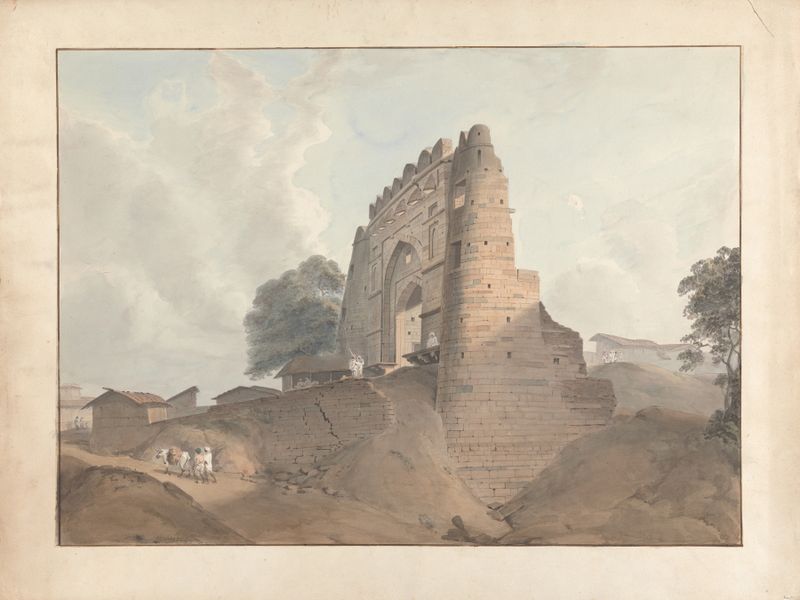
Gate of the Old Fort at Old Benares
Samuel Davis
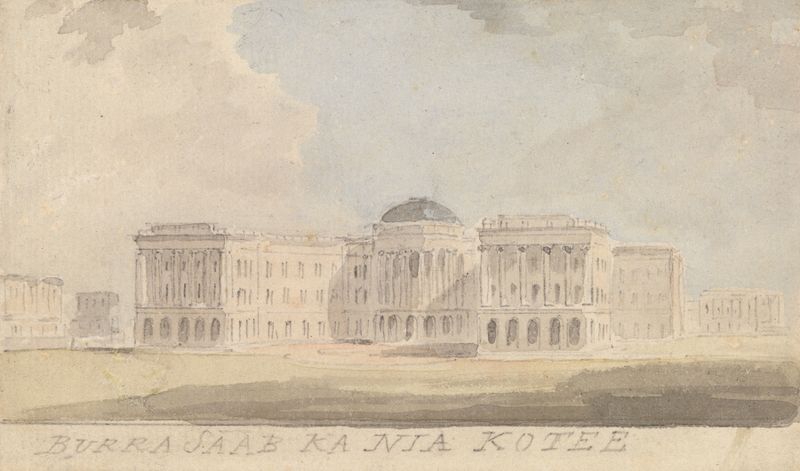
New Government House at Calcutta
Samuel Davis
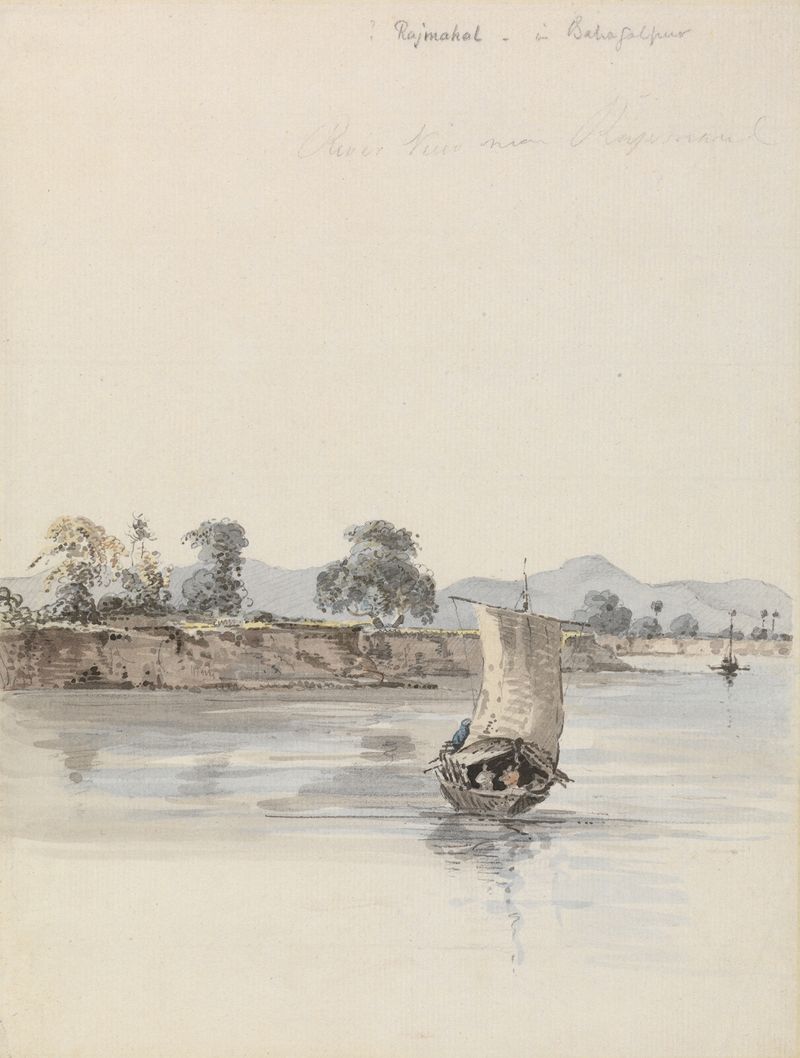
River View near Rajmahal
Samuel Davis
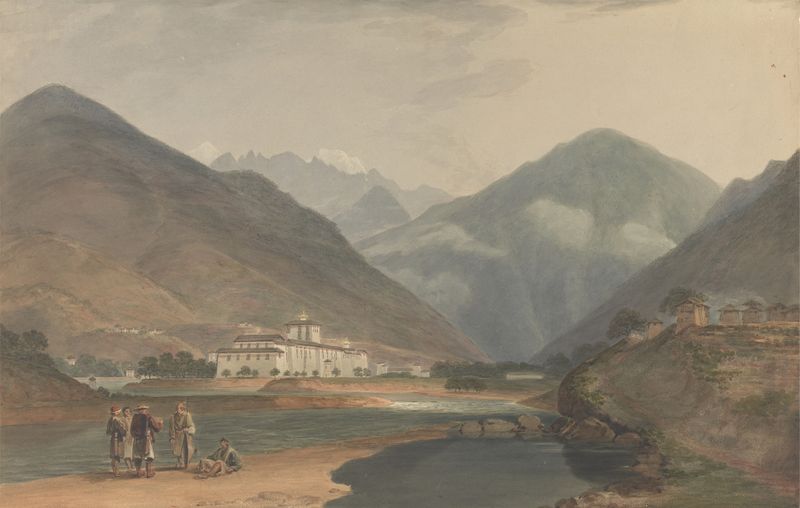
The Former Winter Capital of Bhutan at Punakha Dzong
Samuel Davis
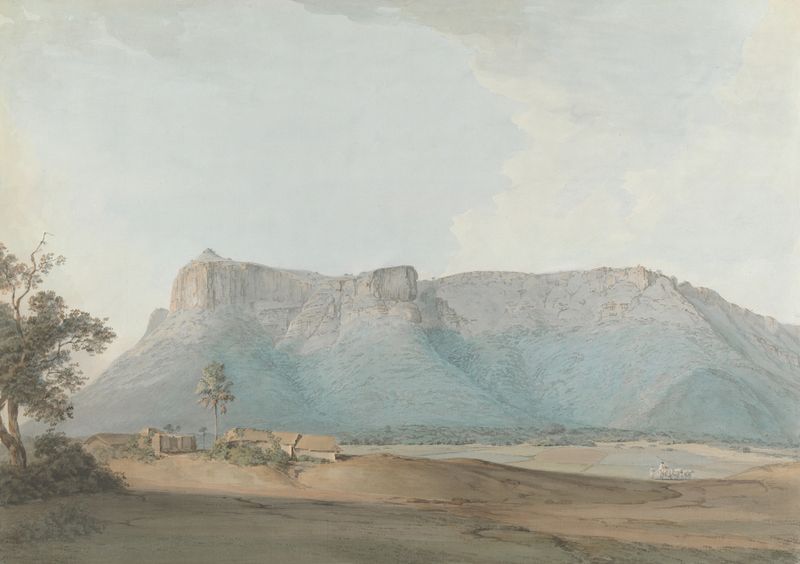
Rhotas from Akberpore
Samuel Davis
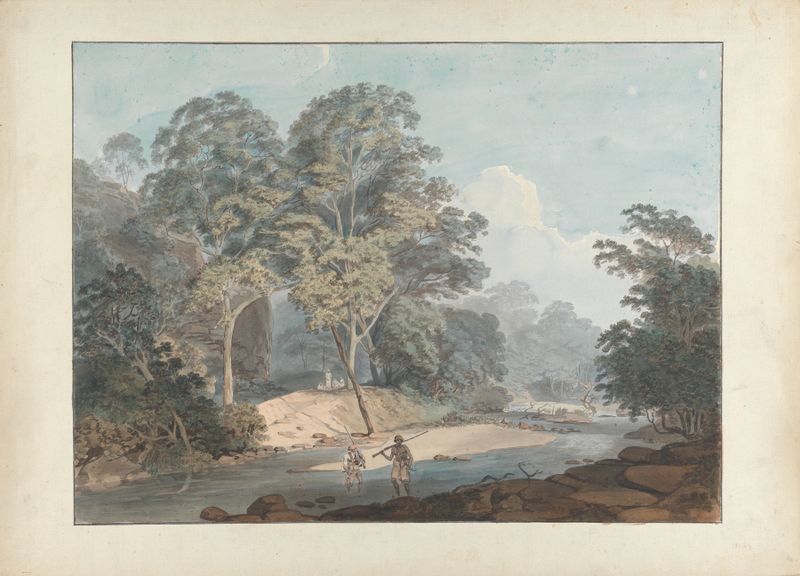
Rocky River Scene with Sepoys
Samuel Davis
West Country Town by a River
Samuel Davis
The Annual Resort of Hindoos to Mundar Hill near Bhagulpore [Bhagalpur]
Samuel Davis





