Discover insights about this artwork
Madhouse — History & Facts
In Madhouse, Francisco de Goya presents a chaotic scene filled with dark, muted colors. The figures appear disheveled and distressed, capturing the turmoil of mental illness. The setting is a dimly lit room, enhancing the sense of confinement and despair.
This unsettling atmosphere invites viewers to confront the harsh realities of mental health. The painting is characterized by Goya's use of oil on canvas, which allows for rich textures and deep shadows. The brushwork is expressive, contributing to the emotional intensity of the scene. Viewers can observe the stark contrasts between light and dark, emphasizing the psychological struggle of the figures.
Goya's distinctive style is evident in the raw depiction of human emotion. Madhouse was created during a period when Goya was increasingly concerned with the themes of madness and suffering. This work reflects his interest in the human condition and the societal neglect of those with mental illness. Interestingly, Goya himself faced health issues later in life, which may have influenced his portrayal of madness.
The painting remains a powerful commentary on the stigma surrounding mental health.
More Artworks by Francisco de Goya
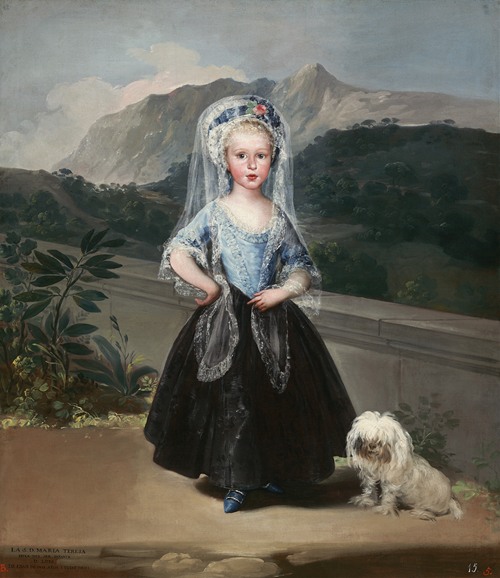
María Teresa de Borbón y Vallabriga,later Condesa de Chinchón
Francisco de Goya
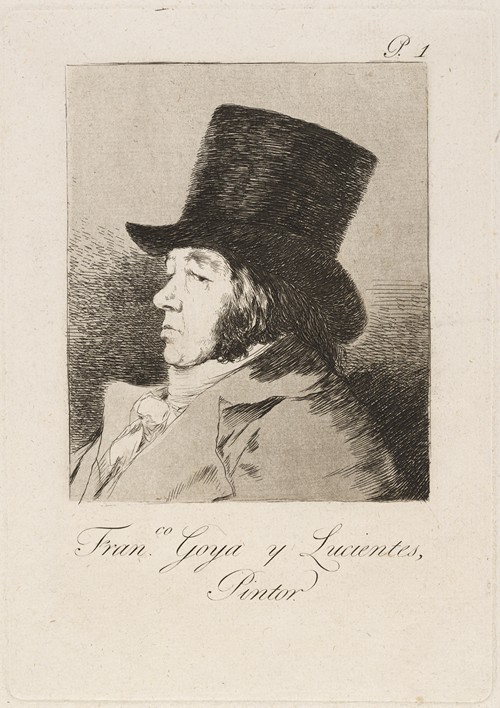
Francisco Goya y Lucientes, Pintor (Francisco Goya y Lucientes, painter)
Francisco de Goya
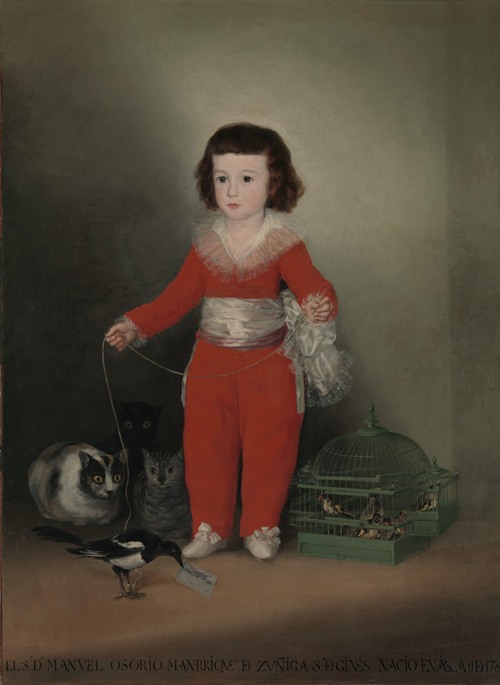
Manuel Osorio Manrique de Zuñiga (1784–1792)
Francisco de Goya
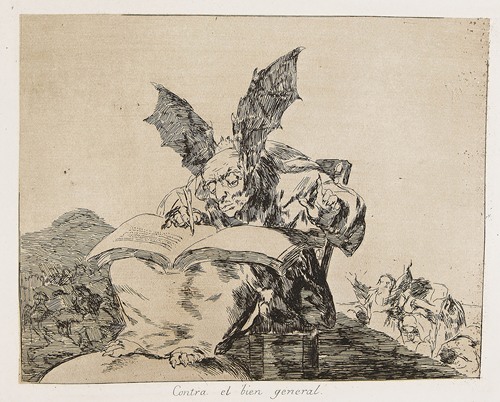
Los desastres de la guerra
Francisco de Goya
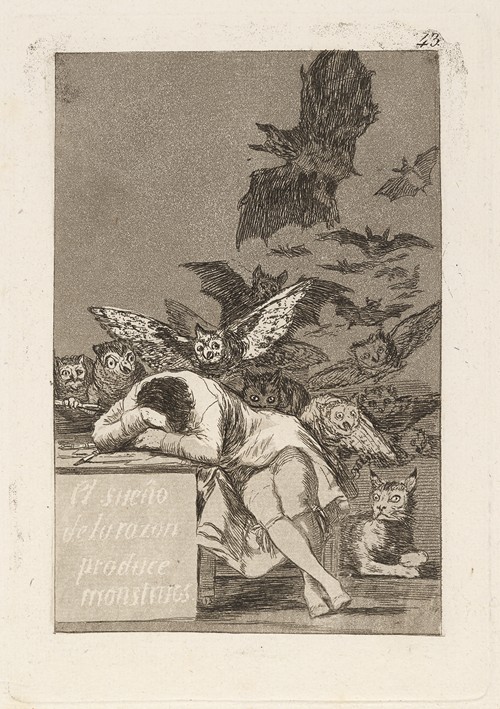
El sueño de la razon produce monstruos. (The sleep of reason produces monsters.)
Francisco de Goya
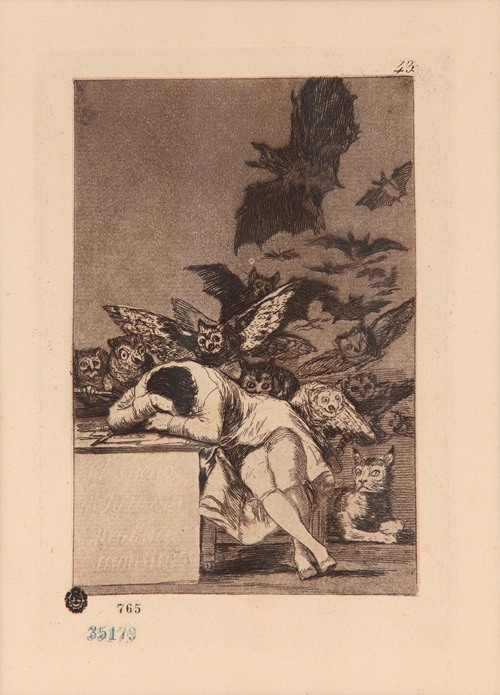
El sueño de la razon produce moustruos (Serie Caprichos)
Francisco de Goya
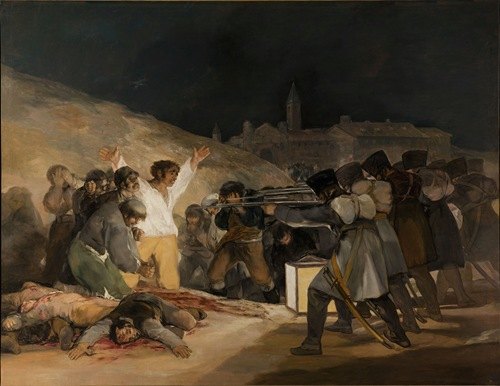
The Third of May
Francisco de Goya
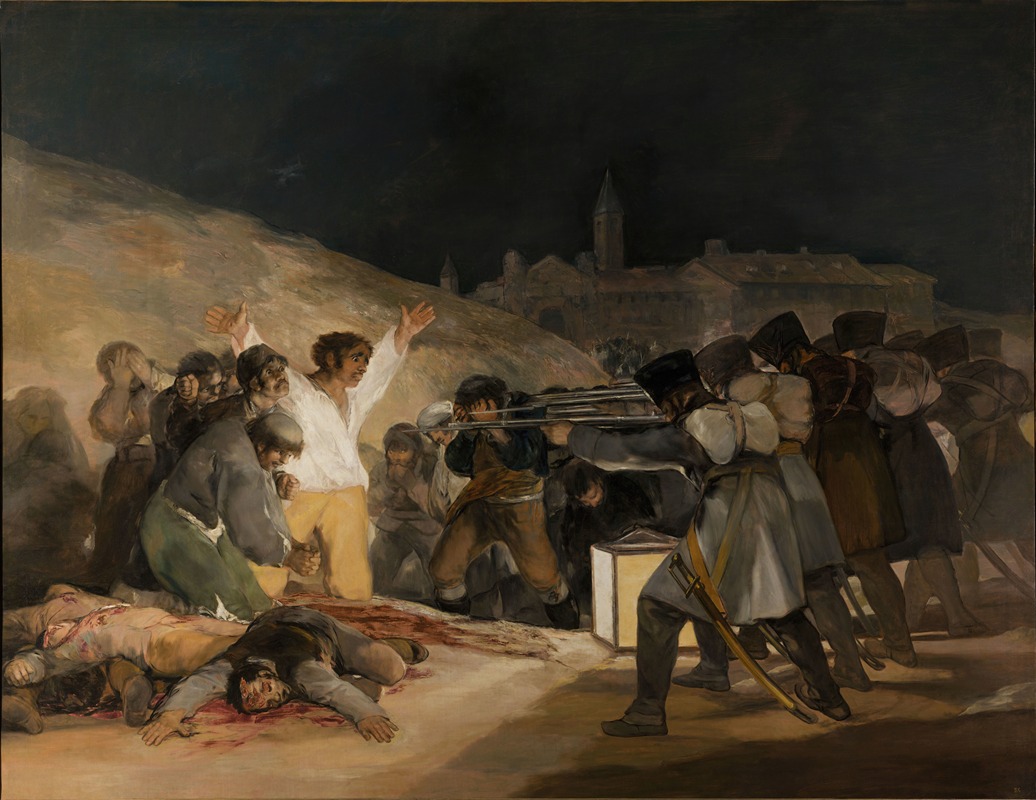
The Third of May 1808
Francisco de Goya
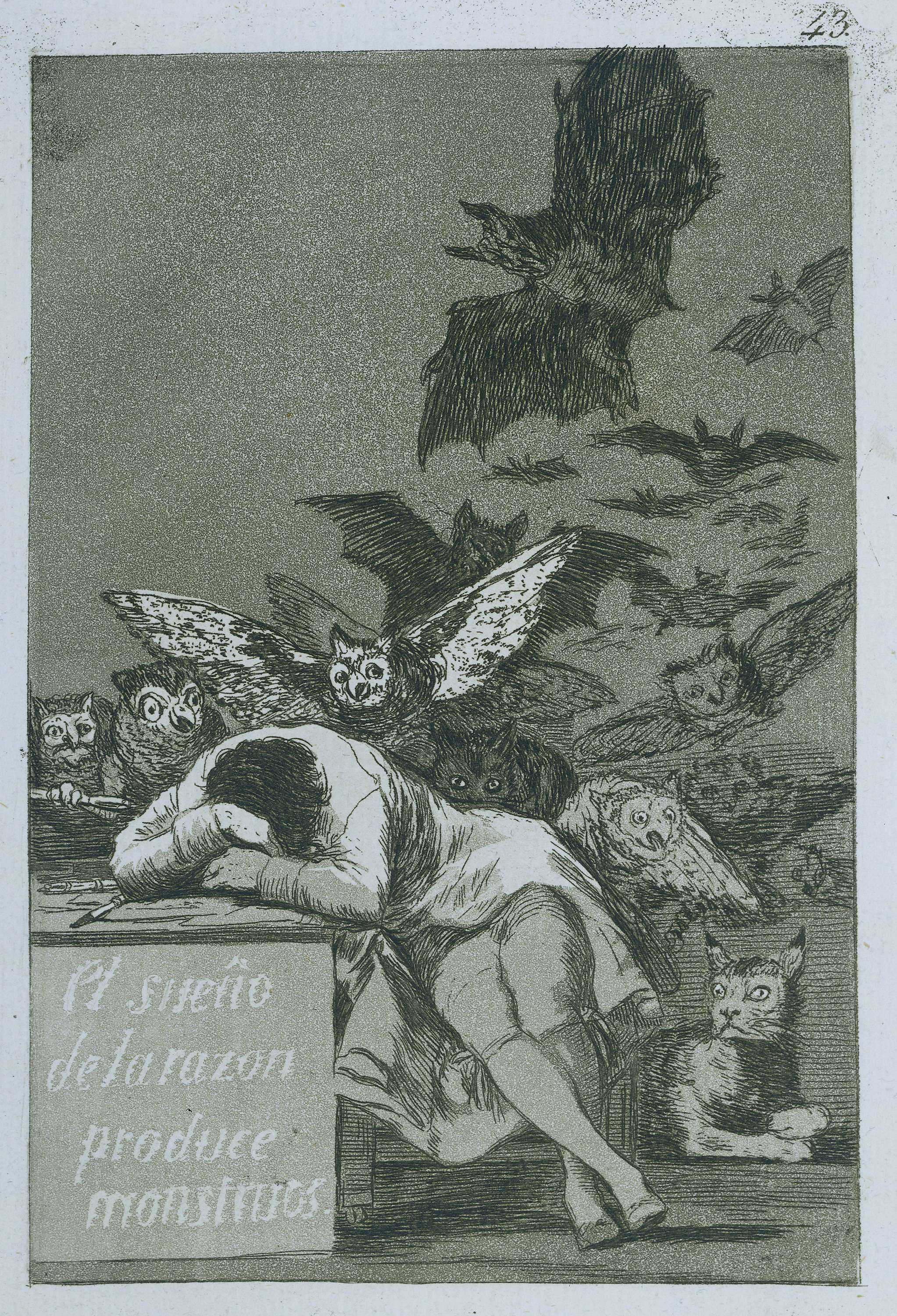
De slaap van de rede brengt monsters voort
Francisco de Goya
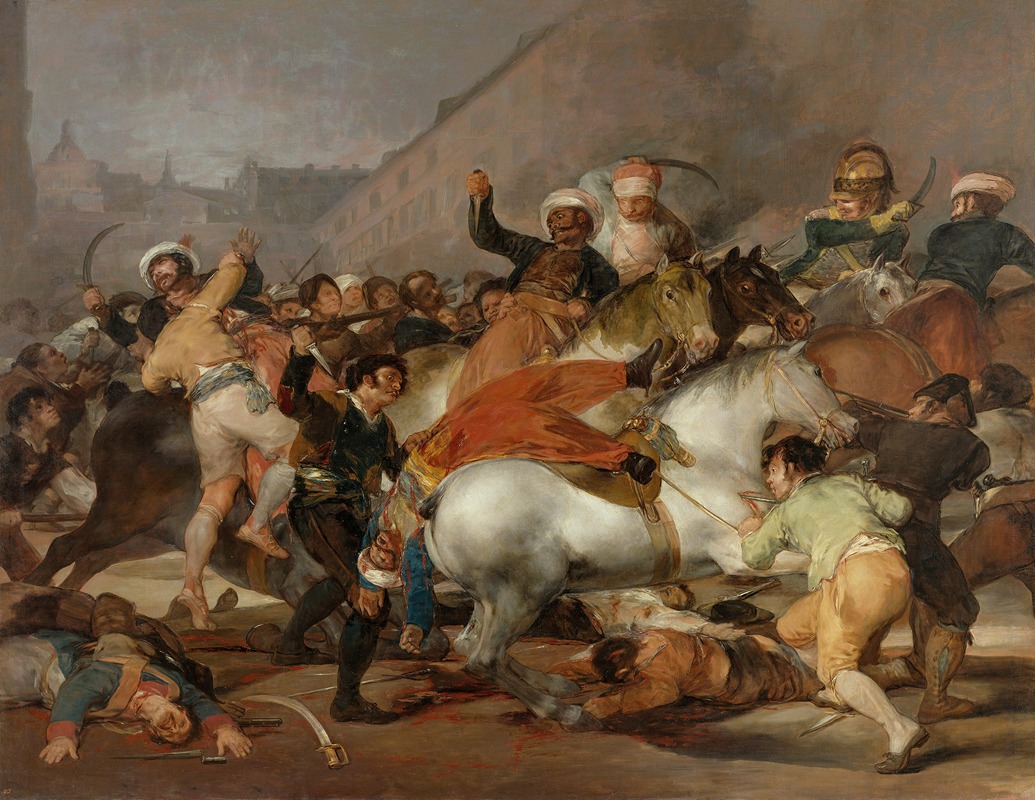
The Charge of the Mamelukes (1814)
Francisco de Goya