
Maison Au Bord De L’eau, Effet De Neige — History & Facts
The canvas doesn’t lie — it simply waits. What transformations lie hidden beneath its snowy veil? Focus first on the tranquil expanse of white that envelops the scene, drawing your eye towards the delicate outlines of the house nestled by the water's edge. The muted palette of blues and grays highlights the gentle contrast between the architecture and the surrounding environment.
Notice how soft, blurred edges create an ethereal quality, revealing the artist’s masterful technique of blending colors to evoke a sense of serene isolation. Beneath the surface of this winter landscape, an emotional tension unfolds. The stillness of the snow, while inviting, also suggests a quiet melancholy, as if nature holds its breath in anticipation of spring’s awakening. The house, shrouded in white, appears both a sanctuary and an island, reflecting a transient moment in time.
The interplay of light and shadow across the water hints at the duality of warmth and chill, drawing us into a contemplative state of transformation. Gustave Loiseau created this piece in 1920, during a period where he was deeply influenced by Impressionism, yet sought to carve out his own identity within the art world. Living in France, he found inspiration in the ever-changing landscapes around him, capturing the fleeting moments of beauty in nature. This painting encapsulates his innovative approach to color and light, as he worked to explore the emotional depths of everyday scenes.
More Artworks by Gustave Loiseau
Browse all →
Rue de village en Normandie
Gustave Loiseau
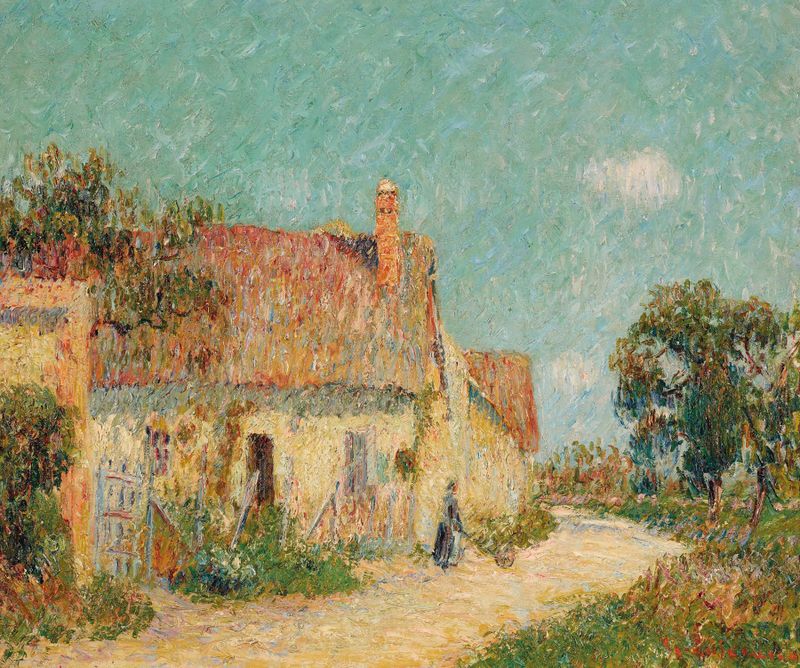
Chaumière en Normandie
Gustave Loiseau

Paysage d’Hiver à Chaponval
Gustave Loiseau
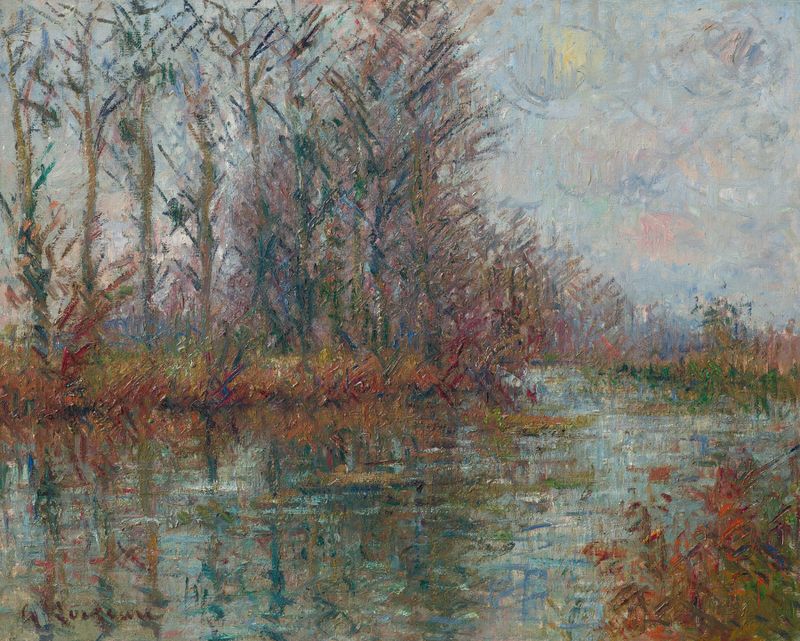
Tournant de rivière, L’Eure
Gustave Loiseau

Pont Marie, Paris
Gustave Loiseau

Le Bras De Mer
Gustave Loiseau

Le Pont Suspendu À Triel
Gustave Loiseau

Bord de la rivière
Gustave Loiseau
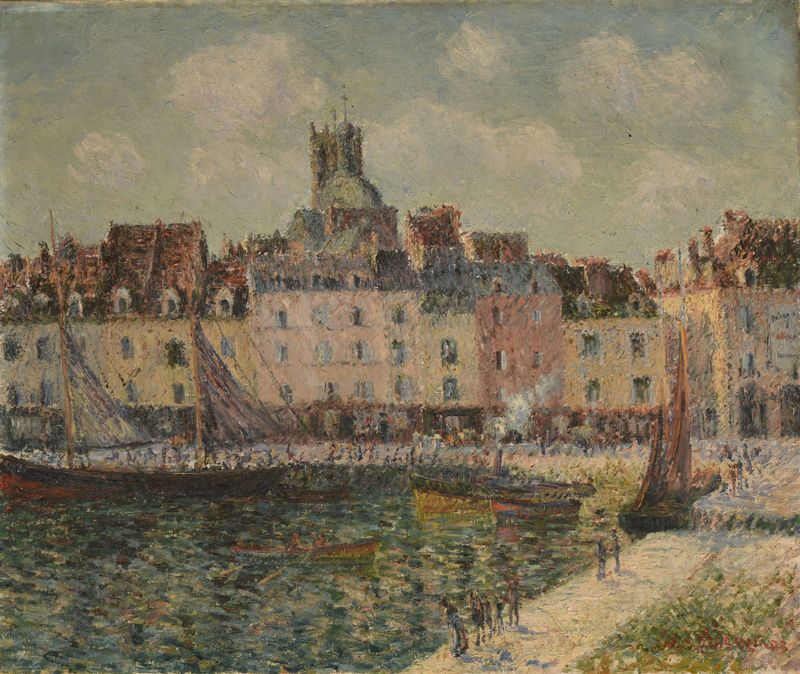
Le Quai Duquesne à Dieppe
Gustave Loiseau

Rocher la Teignouse, Cap Fréhel
Gustave Loiseau





