Maisons Rouges à Pont-Aven — History & Facts
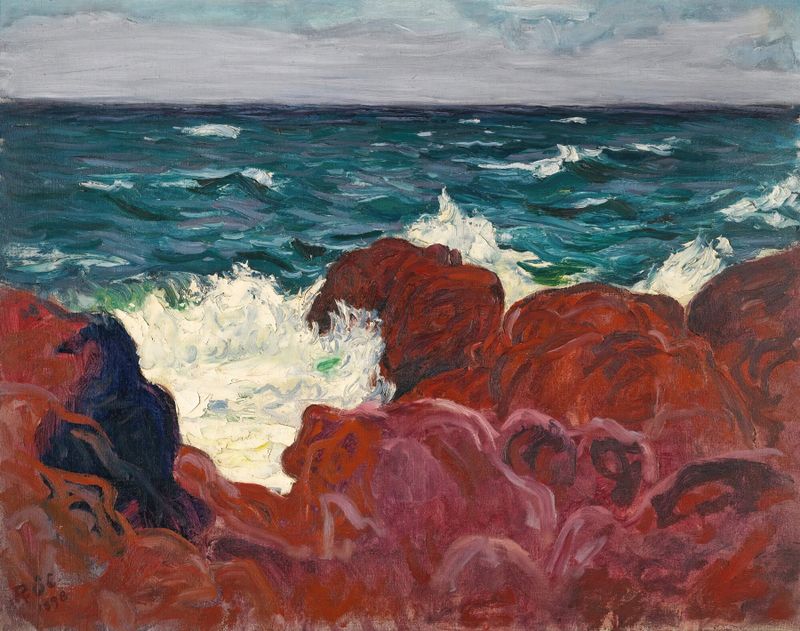
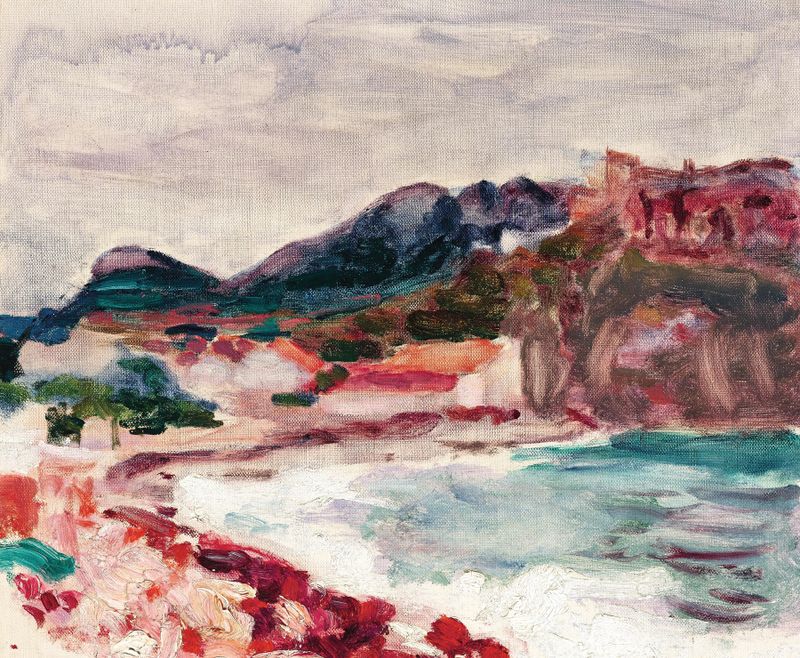
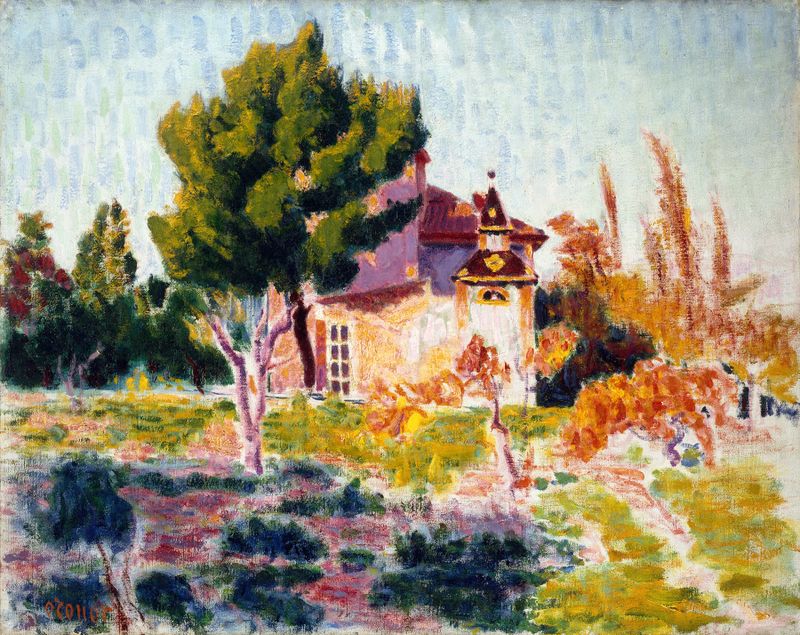
What if beauty was never meant to be finished? The muted expressions of the red houses stand steadfast, encased in a haunting solitude that lingers in the air, as if waiting for the world to take notice. First, direct your gaze to the vibrant reds that dominate the canvas. Notice how the structures rise from the earth like silent sentinels, their sharp angles softened by the gentle strokes of the brush. The play of light and shadow dances across the surfaces, lending a sense of depth that draws you closer, urging exploration of the scene.
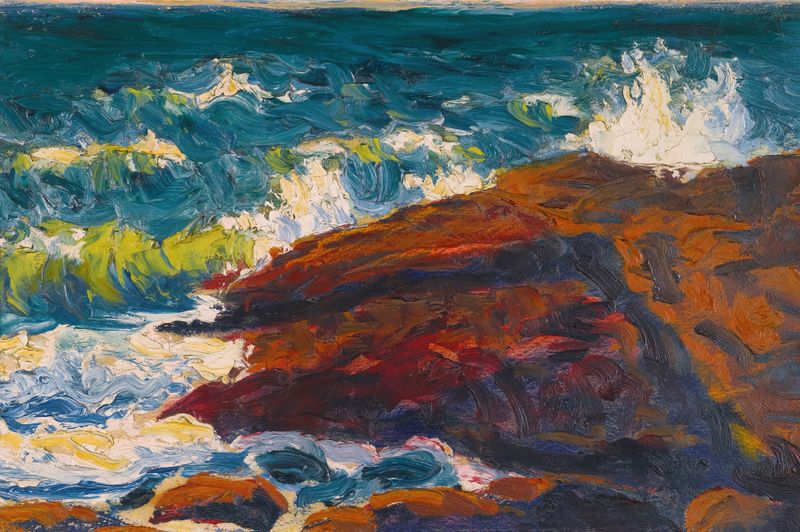
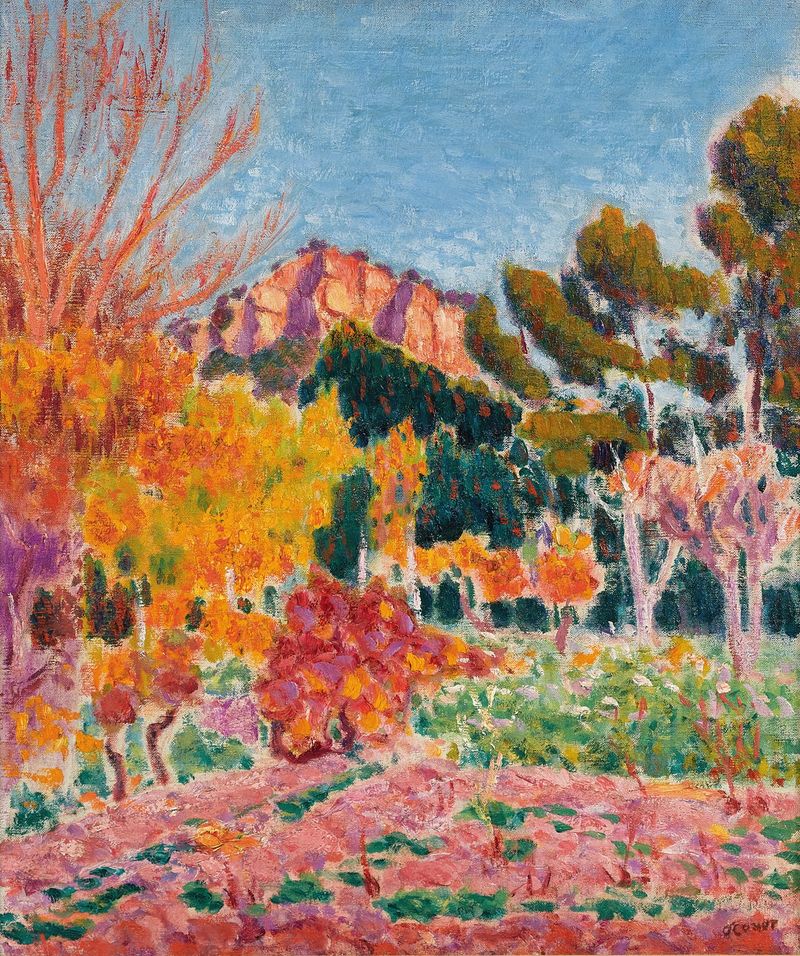
The surrounding landscape, with its subdued greens and browns, acts as a gentle whisper, urging the eye back to the homes, creating a focal point that echoes the isolation inherent within their walls. As you delve deeper, you can feel the emotional tension woven into the fabric of the piece. The juxtaposition of the vibrant reds against the muted background hints at a yearning for connection, yet the stillness evokes a profound sense of loneliness. Each house, while striking, seems to embody a story untold, suggesting not only physical isolation but an internal struggle, a longing for companionship that remains just out of reach. Roderic O'Conor painted this work between 1894 and 1895 in Pont-Aven, a small town in Brittany, France, known for attracting artists seeking inspiration from its rustic landscapes.
At this time, O'Conor was immersed in the vibrant world of Post-Impressionism, exploring color and form while navigating his own artistic identity. Amidst a burgeoning art movement, he captured not only the beauty but the profound solitude of existence, leaving us with a poignant reflection on our longing for connection.