The Bay — History & Facts
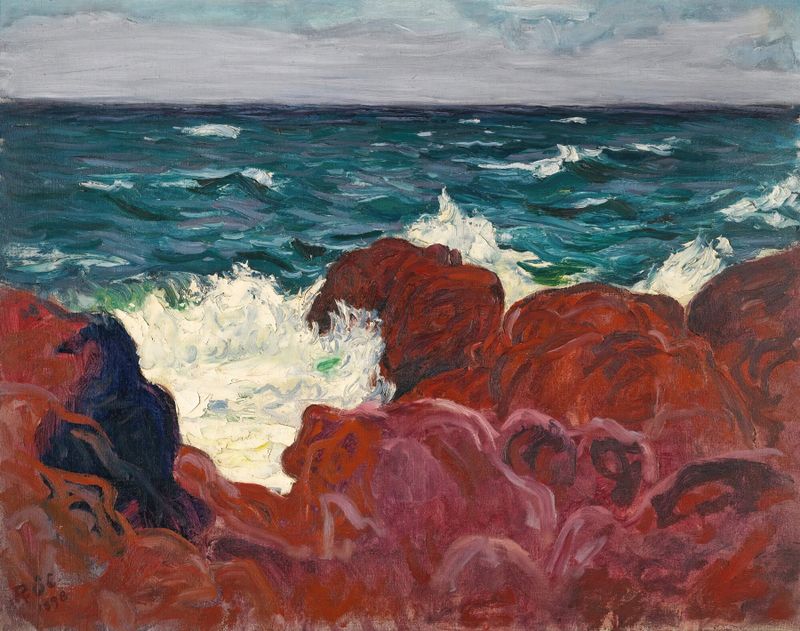
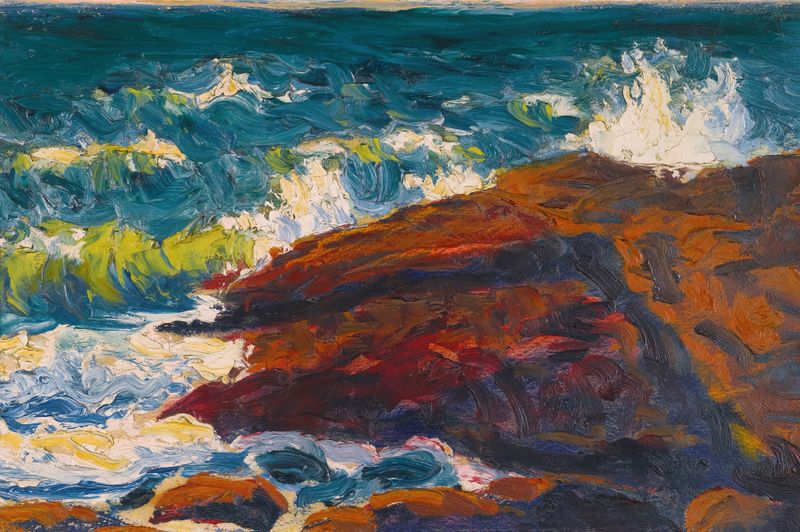
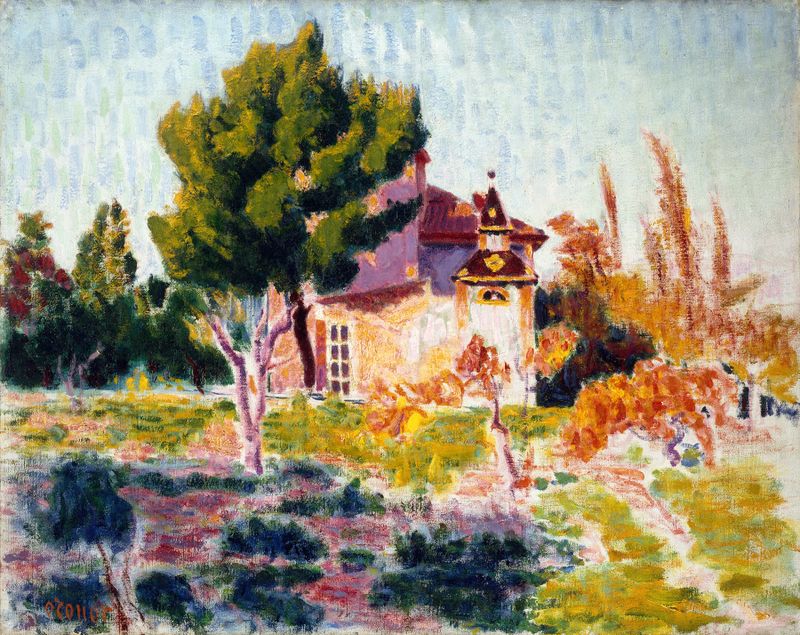
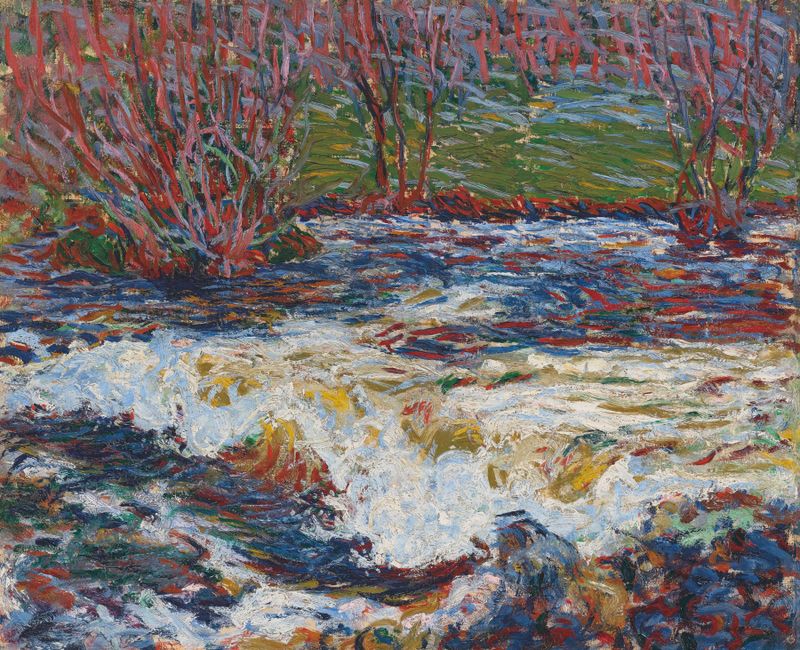
What if silence could speak through light? In The Bay, the interplay of luminous blues and muted earth tones evokes a deep sense of nostalgia, inviting us to ponder the memories tethered to this serene landscape. Look to the center where the calm waters stretch out, reflecting the sky’s soft embrace. The brushstrokes are fluid, each one a gentle caress, guiding your gaze across the canvas. Notice how the light dances on the surface, shimmering as if whispering secrets of the past.
The horizon, painted with a delicate gradient of shades, draws your eye upward, creating a sense of expansive quietude, while the foreground hints at a distant land with subtle, impressionistic details that ground the scene. As you explore further, the contrast between the tranquil bay and the shadowy land suggests an emotional depth. The stillness of water poses a stark juxtaposition to the ambiguous forms lurking along the shore, hinting at memories lost or unfulfilled. This duality invites contemplation—what stories lie in the silence, buried beneath the canvas? Each element speaks to a wistfulness, a yearning for connection that transcends time. In 1913, O'Conor was immersed in a period of artistic exploration in France, where he engaged with both Impressionism and Post-Impressionism.
During this time, the world was in the grip of change, with the looming shadows of war on the horizon. This painting reflects not only his personal meditations but also the broader cultural shifts, capturing a moment of fleeting beauty amidst an uncertain world.