The Rushing Stream — History & Facts
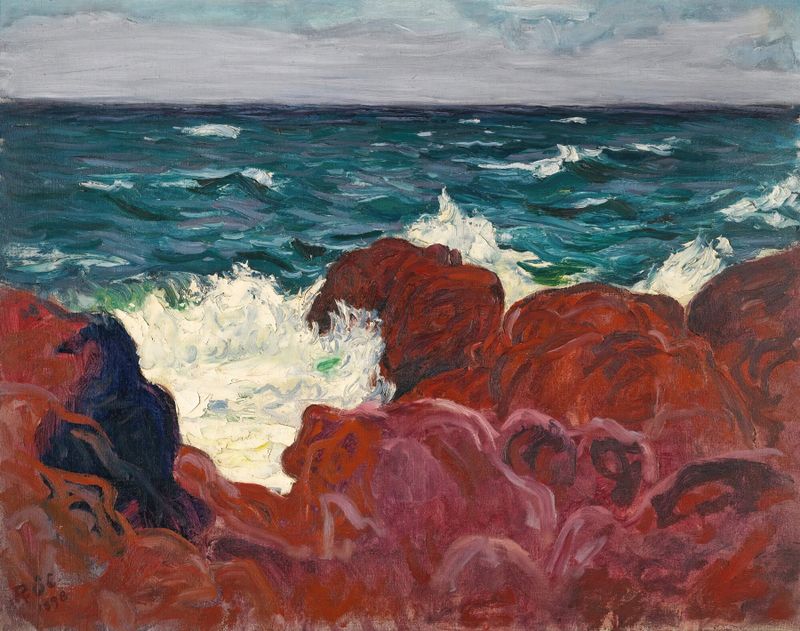
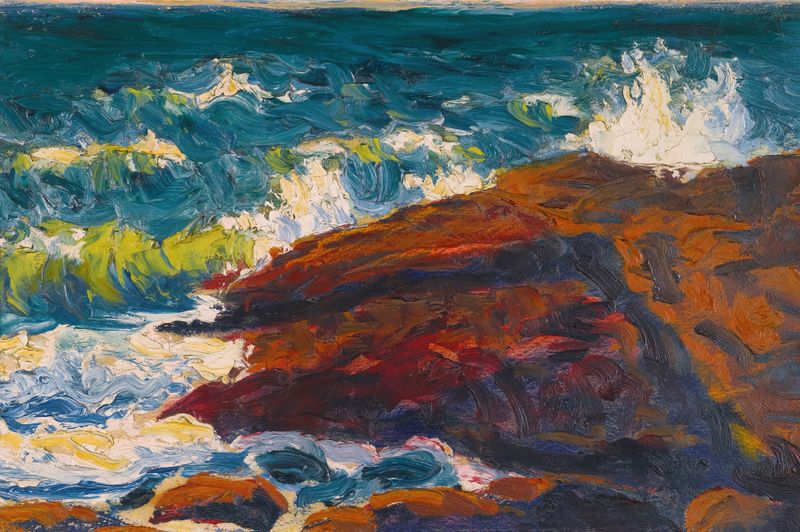
In moments of silence, creativity awakens, capturing the essence of life that often goes unnoticed. It is in this delicate balance between chaos and stillness that we find the heart of true artistry. Look to the center of the canvas, where the vibrant hues of green and blue swirl together to form the rushing water of the stream. The dynamic brushstrokes evoke a sense of movement, mimicking the flow of the stream as it cascades into the depths of the painting.
Notice how the sunlight dapples the water's surface, reflecting a spectrum of colors that breathe life into the scene. The surrounding foliage, rendered in rich earth tones, frames the stream, creating a harmonious balance between the vibrant water and the tranquil land. Beneath the surface, the painting reveals deeper connections to awakening. The swift current represents change, urging viewers to consider their own journeys and the forces that propel them forward.
The interplay of light and shadow evokes a tension between tranquility and tumult, suggesting that even in moments of serenity, life’s rush persists. Each stroke is intentional, inviting viewers to pause and reflect on both the beauty and the ephemeral nature of existence. In 1891-92, the artist created this work during his time in France, where he delved into the Impressionist movement. It was a period of innovation and exploration for him, allowing the expressive use of color and light to flourish.
As he navigated personal struggles and the evolving art scene, this piece emerged as a testament to his pursuit of capturing the soul of nature amidst the chaos of life.