
Malvarrosa — History & Facts
Is this a mirror — or a memory? In Malvarrosa, the shimmering surface of the water invites us to reflect on the ephemeral nature of time, evoking feelings of both emptiness and beauty. Look to the right at the gentle undulation of the waves, their cerulean blues mixing seamlessly with the soft, golden hues of the sand. The light dances across the canvas, illuminating the figures who walk along the shore, their silhouettes etched against the vibrant backdrop. Notice how Sorolla expertly captures the play of light—each brushstroke seems to flicker, conveying a sense of fleeting serenity that envelops the scene. Delve deeper into the composition and you'll find subtle contrasts that resonate with the viewer.
The figures, though present, appear almost ethereal, suggesting a disconnection from the surrounding beauty. Their posture—slightly hunched or with downcast gazes—hints at unspoken emotions, perhaps nostalgia or longing. The juxtaposition of lively colors against the muted tones of the figures underscores a theme of solitude amidst the vibrant world, inviting us to ponder the emptiness that can linger even in moments of joy. Sorolla painted Malvarrosa during a period of personal and artistic exploration.
Created in Spain during the early 20th century, the artist was deeply influenced by his coastal surroundings, capturing the essence of light and color that defined his work. This era saw emerging modernist movements, which Sorolla embraced, yet he remained deeply rooted in his Spanish identity, using the seascape to convey both the beauty of his homeland and the complexity of human experience.
More Artworks by Joaquín Sorolla
Browse all →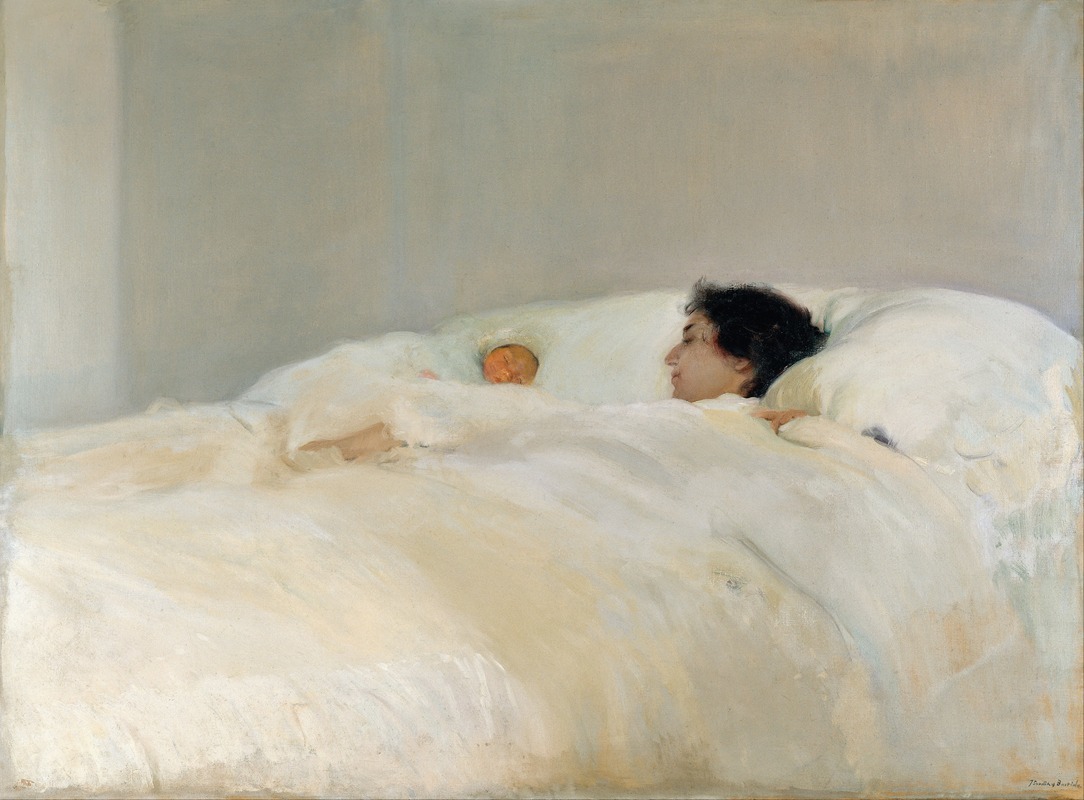
Mother
Joaquín Sorolla
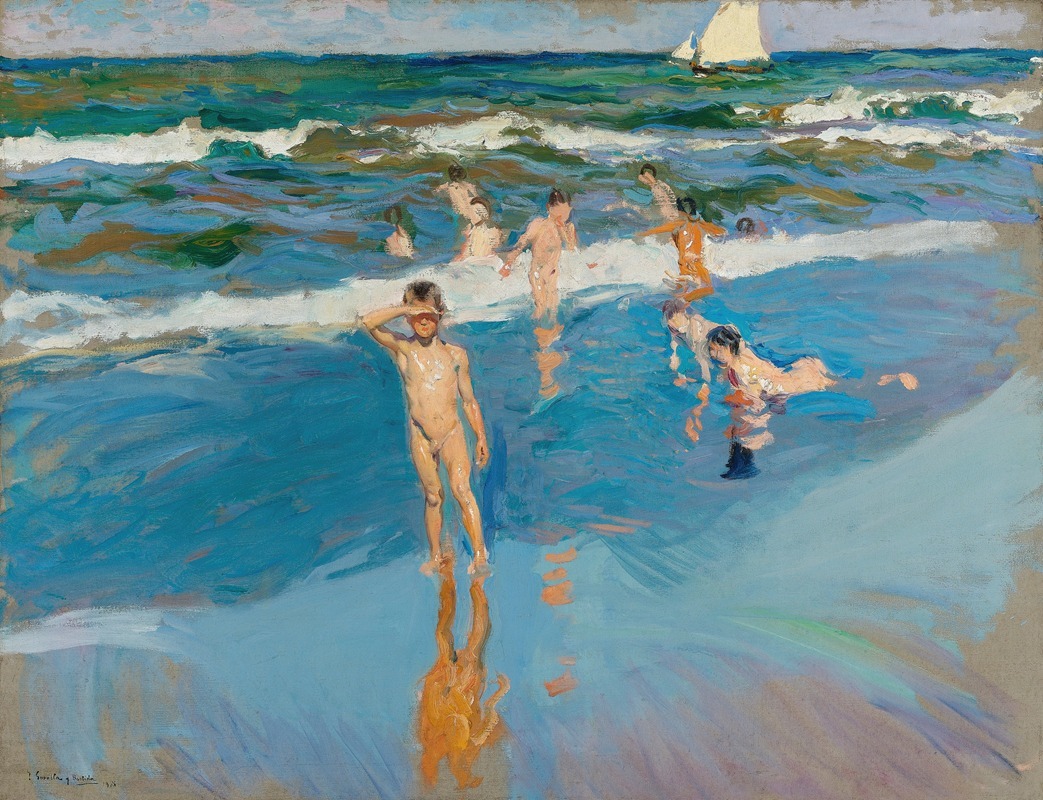
Children In The Sea, Valencia Beach
Joaquín Sorolla
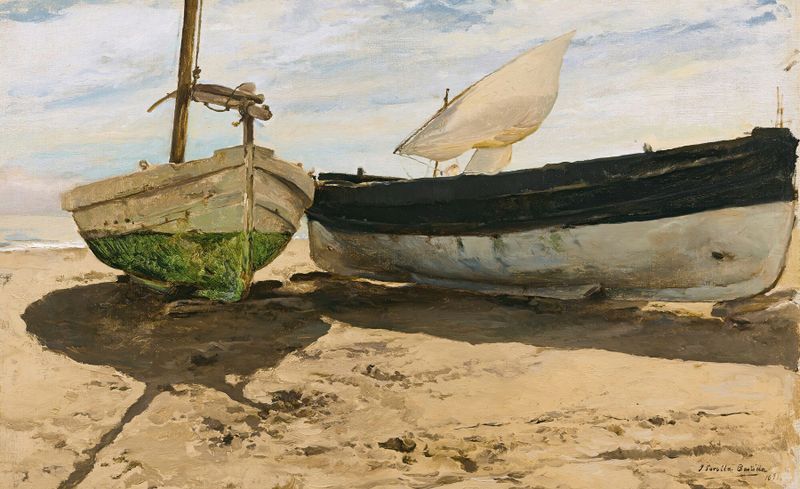
Fishing Boats On The Beach, Valencia
Joaquín Sorolla
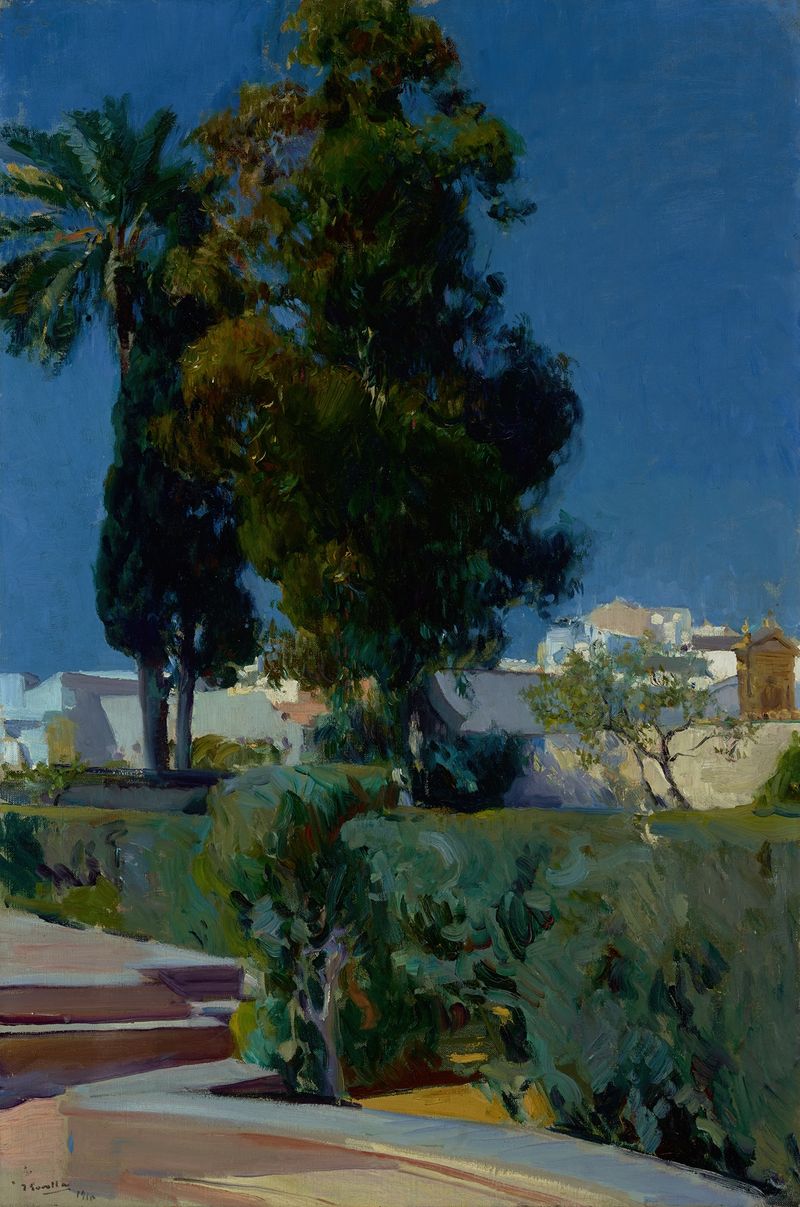
Corner of the Garden, Alcazar, Sevilla
Joaquín Sorolla
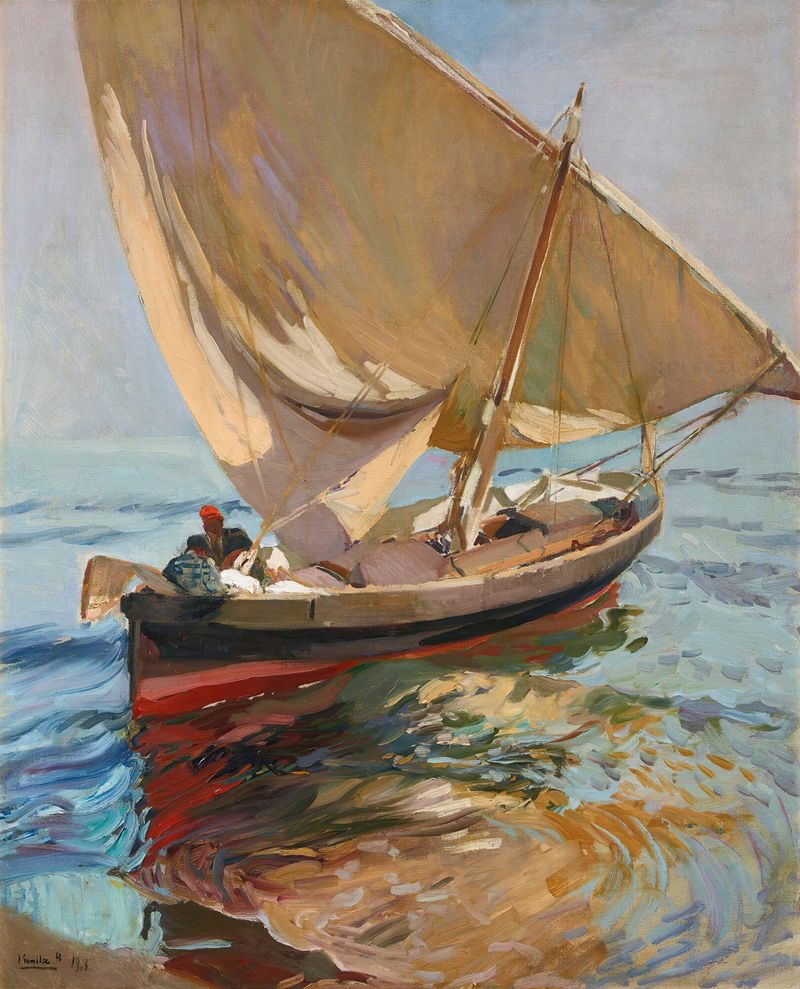
Camino De La Pesca. Valencia (Setting Out To Sea. Valencia)
Joaquín Sorolla
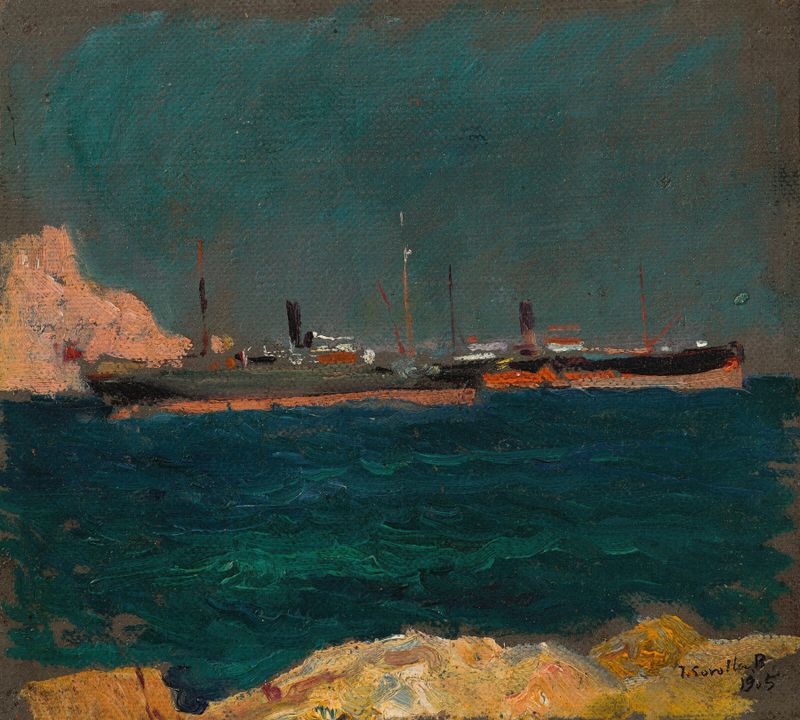
Puerto de Jávea (II)
Joaquín Sorolla
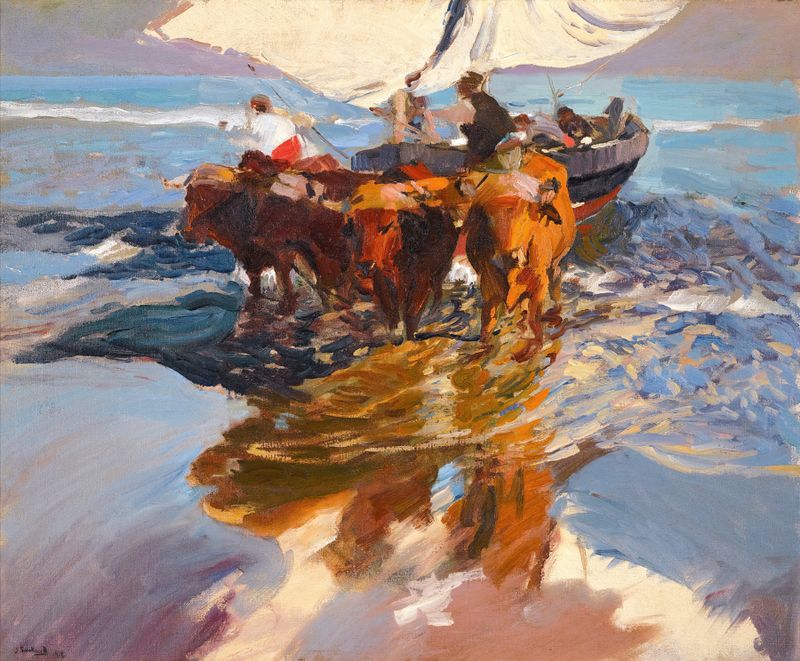
Vuelta De La Pesca. Playa De Valencia (The Return From Fishing, Valencia Beach)
Joaquín Sorolla
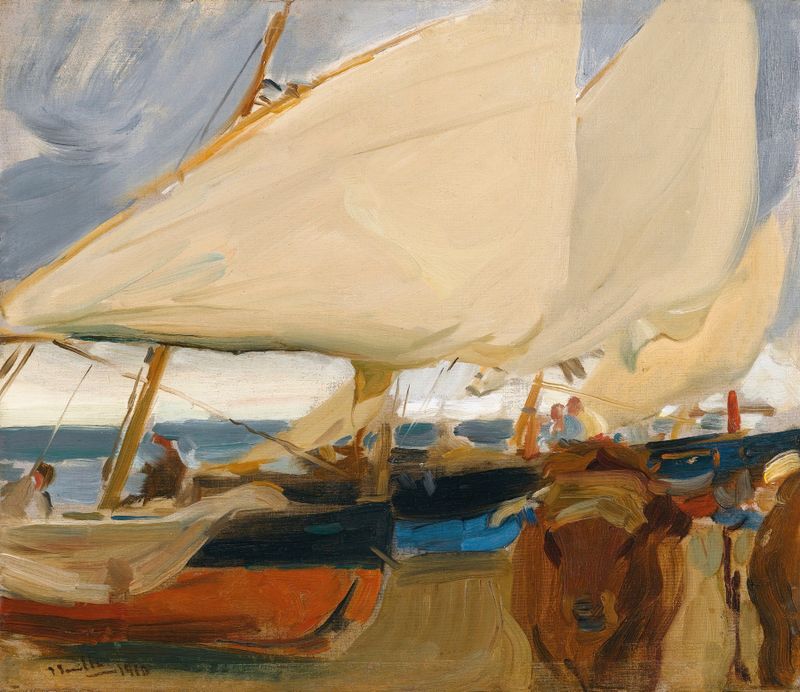
Playa De Valencia
Joaquín Sorolla
Monte Ulía, San Sebastián
Joaquín Sorolla
En la costa de Valencia
Joaquín Sorolla





