
Man door vrouw betrapt op overspel — History & Facts
In a world where secrets intertwine with desire, the act of betrayal weaves a haunting tapestry of nostalgia and pain. Look to the center where the figures entwine; a man and a woman caught in a moment steeped in both passion and guilt. The rich, earthy tones of the background contrast sharply with their vivid clothing, pulling the eye to their expressions—one of alarm, the other of desperation. Notice how the light subtly highlights the woman’s face, casting shadows that hint at the complexity of her emotions, while the man’s rigid posture conveys a tense awareness of their indiscretion. As you delve deeper, consider the symbolism of the couple’s positioning, suggesting a fleeting intimacy overshadowed by societal constraints.
The opulent details in their attire and the surrounding environment suggest a sundered world of privilege, complicating their passionate exchange with an unspoken layer of consequence. The painting captures not just a moment of infidelity, but a profound reflection on the consequences of desire set against the backdrop of societal norms. Hans Sebald Beham created this work in 1537 while living in Nuremberg, during a time when the Reformation was instigating significant shifts in moral and social values throughout Europe. This period of intense change influenced the artist’s focus on themes of love and betrayal, revealing how personal narratives were intricately woven into the broader fabric of societal transformations.
More Artworks by Hans Sebald Beham
Browse all →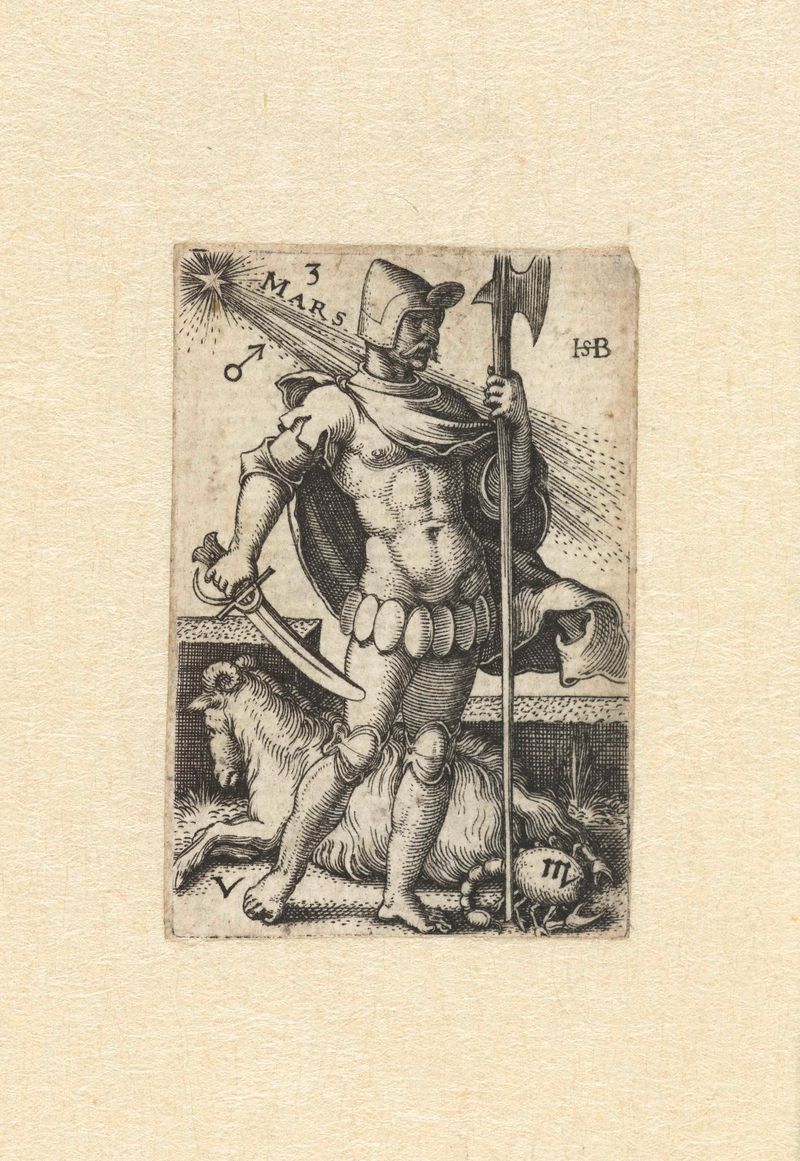
Mars met sterrenbeelden Ram en Schorpioen
Hans Sebald Beham

Achilles in gevecht met Hector
Hans Sebald Beham
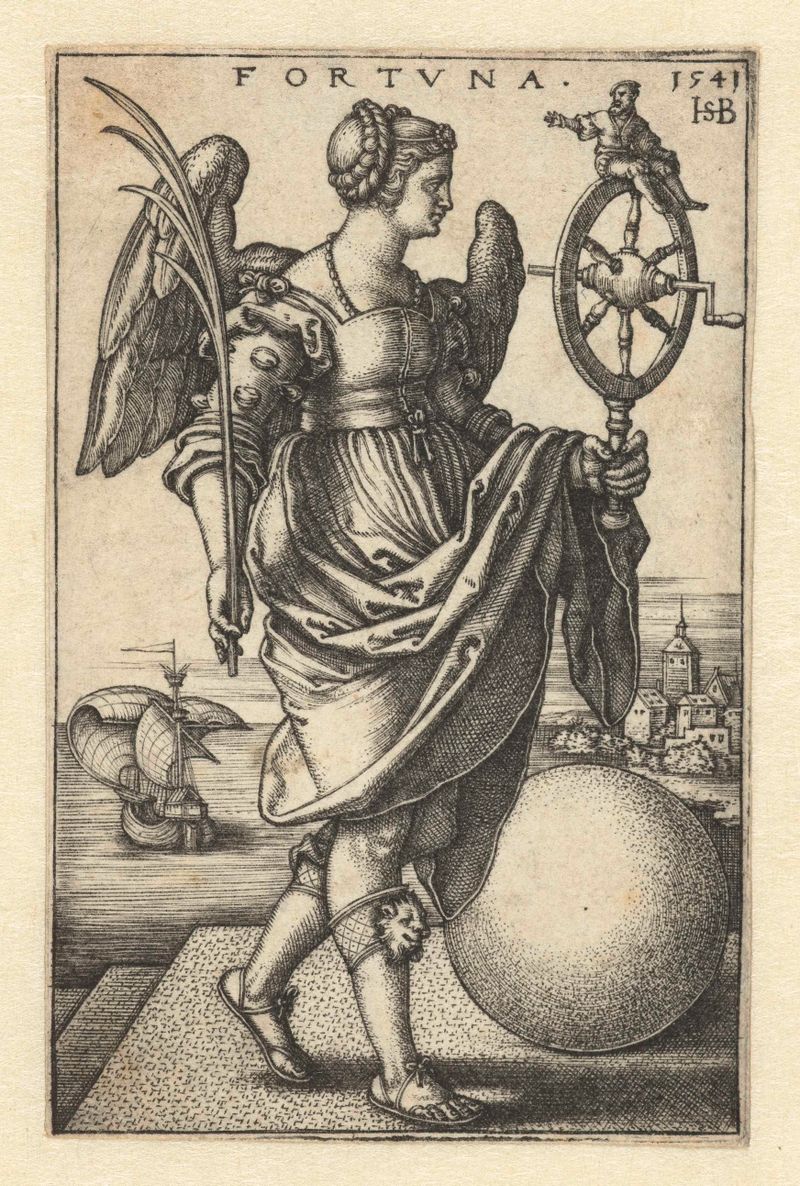
Fortuna
Hans Sebald Beham

Hercules worstelt met Antaeus
Hans Sebald Beham

Twee muzikanten met schalmey en doedelzak
Hans Sebald Beham

Voorzichtigheid (Prudentia)
Hans Sebald Beham

Hercules in gevecht met de Trojanen
Hans Sebald Beham
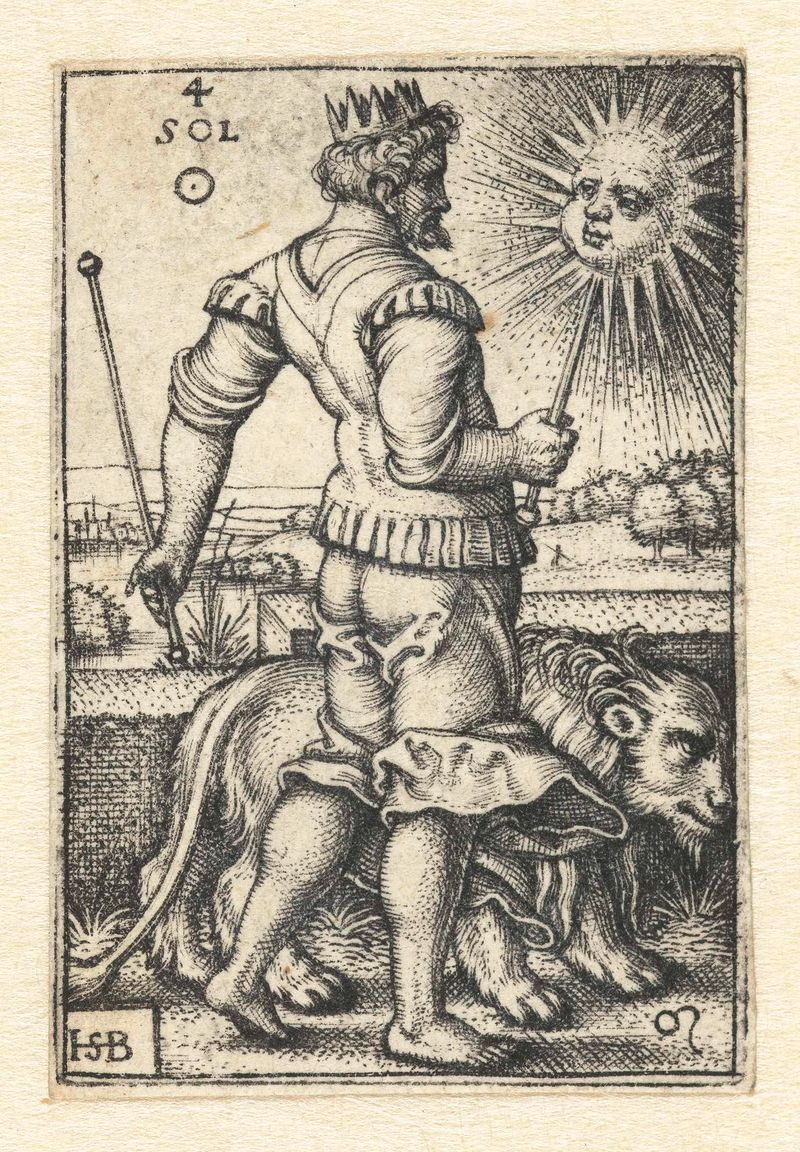
Apollo (Sol) met sterrenbeeld Leeuw
Hans Sebald Beham
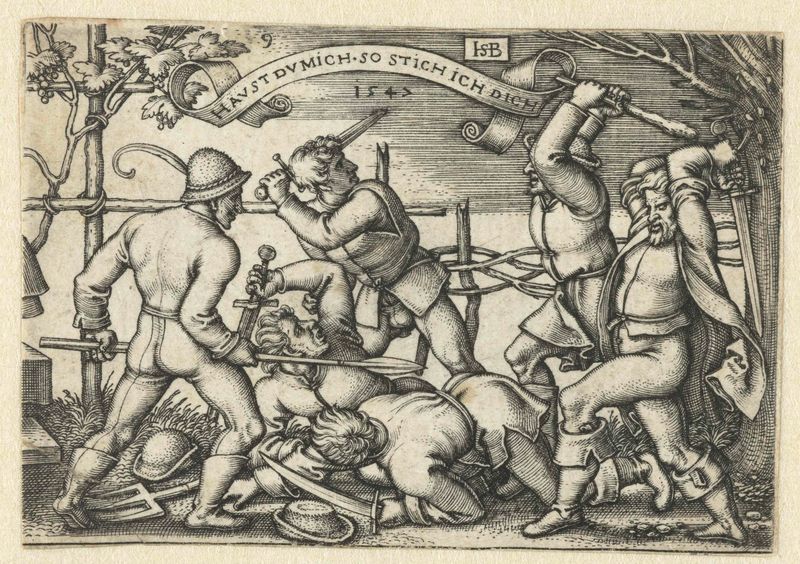
Vechtende boeren met zwaarden
Hans Sebald Beham
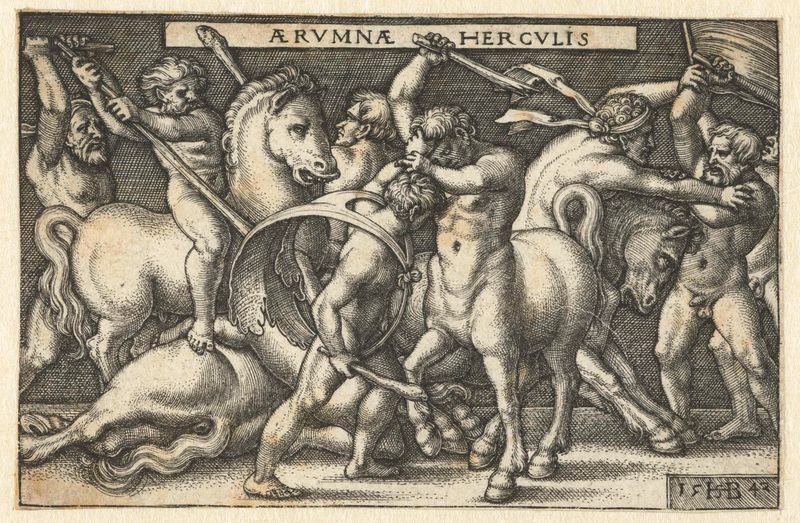
Hercules in gevecht met centaurs
Hans Sebald Beham





