
Marcoussis, La Mare Aux Vaches — History & Facts
When did color learn to lie? This question lingers in the mind, echoing the complex interplay of reality and desire captured in the canvas before us. Here, the artist immerses us in a world where the vibrancy of nature flirts with the unspoken yearnings of the soul, inviting contemplation with every brushstroke. Focus on the lush greenery that sprawls across the canvas, spilling onto the surface with an almost palpable richness. The vivid blues of the water beckon to our gaze, while golden hues dance in the light, teasing the edges of the scene.
Look closely at the tranquil surface, where the reflections create a delicate interplay, suggesting that there is more beneath the serene exterior than what meets the eye. Each stroke reveals the artist's meticulous attention to detail, creating a harmonious blend of colors that breathe life into the landscape. Yet, beneath the idyllic surface lies a tension between reality and aspiration. The shimmering water acts as a mirror, reflecting not just the surroundings but also the deeper yearnings of the viewer, symbolizing a longing for connection with nature and the self.
The juxtaposition of light and shadow hints at an elusive truth, suggesting that desire often casts a veil over reality. There is a yearning for beauty, but also a recognition that it is fleeting and often unattainable. This work emerged from the hand of Corot during a period when he was deeply engaged in exploring the themes of nature and emotion. Painted in the mid-19th century, it reflects the artist's desire to capture the essence of the landscape while also embracing the influences of Romanticism.
At this time, he was navigating his own artistic evolution, responding to the changing tides of the French art scene, which was beginning to embrace impressionistic elements that would soon define modern art.
More Artworks by Jean-Baptiste-Camille Corot
Browse all →
View of Genoa
Jean-Baptiste-Camille Corot
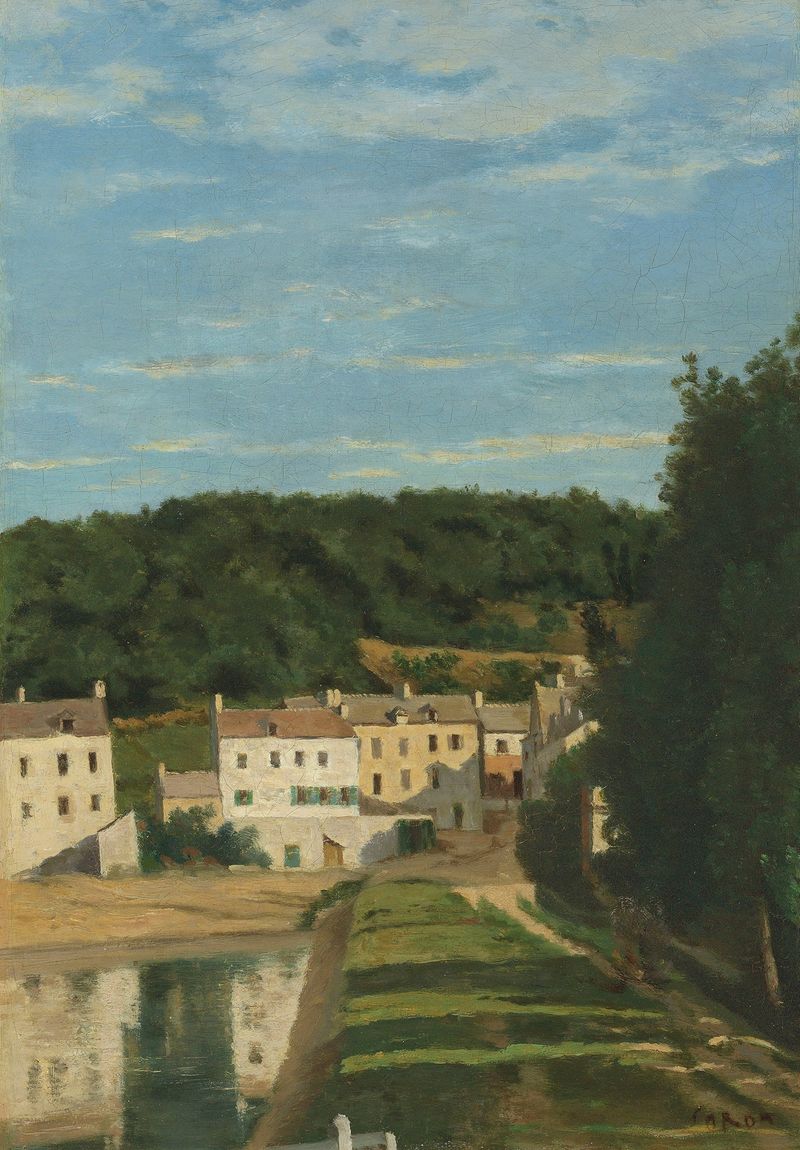
Les Maisons Cabassud À Ville D’avray
Jean-Baptiste-Camille Corot

La solitude. Souvenir de Vigen (Limousin)
Jean-Baptiste-Camille Corot
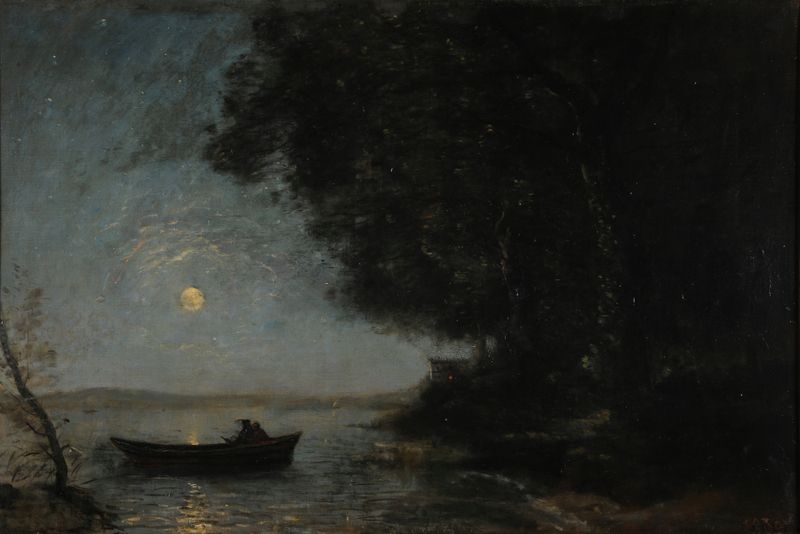
Le lac ; effet de nuit
Jean-Baptiste-Camille Corot
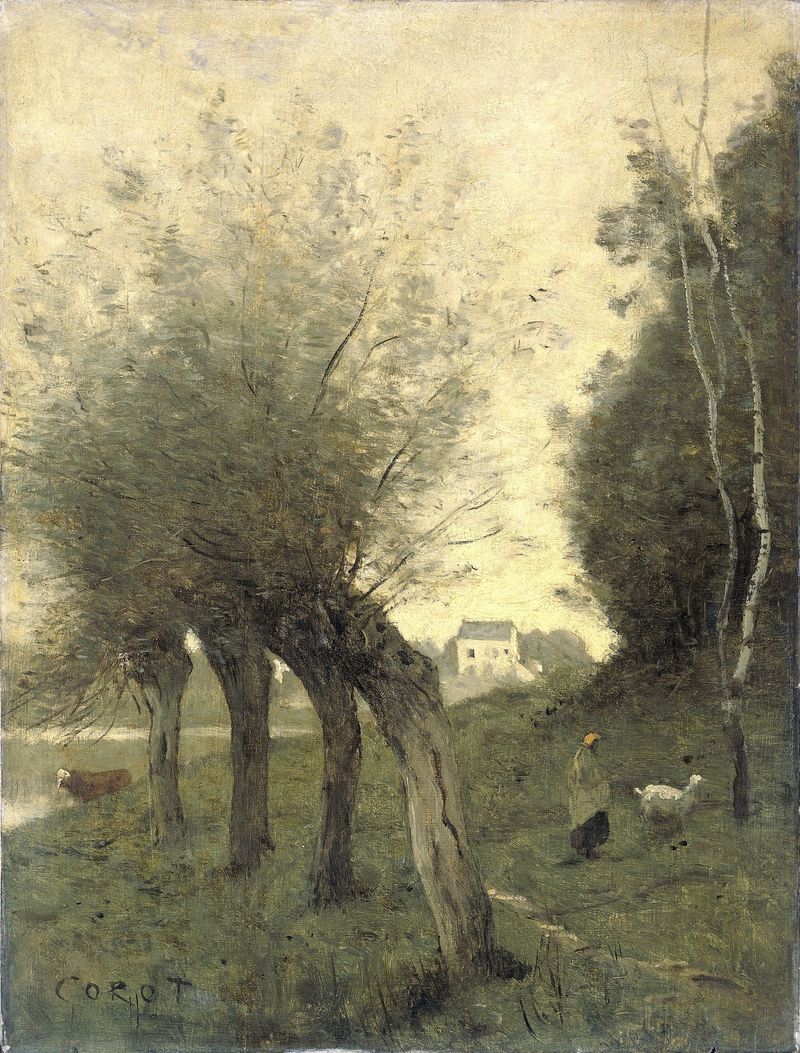
Landscape with Pollard Willows
Jean-Baptiste-Camille Corot
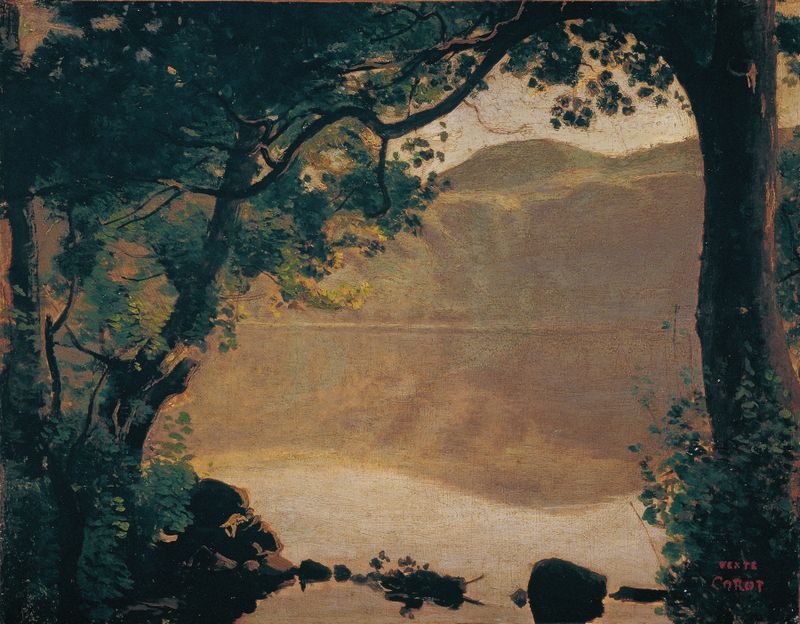
Der Nemisee
Jean-Baptiste-Camille Corot
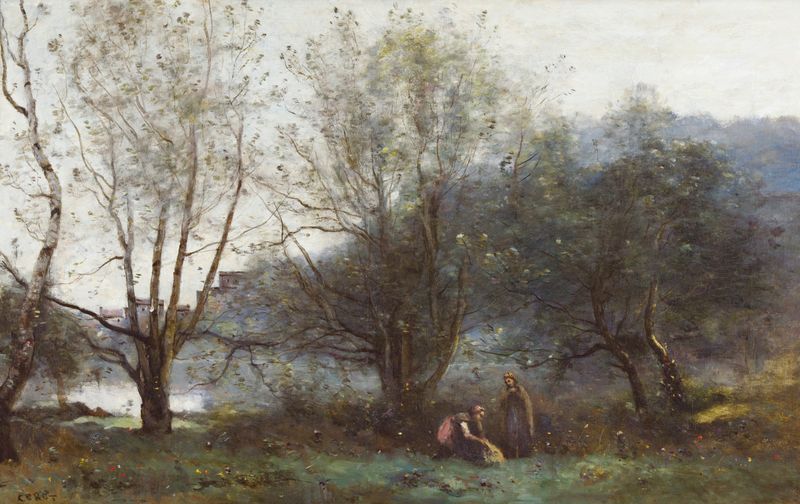
Les Étangs De Ville D’avray
Jean-Baptiste-Camille Corot
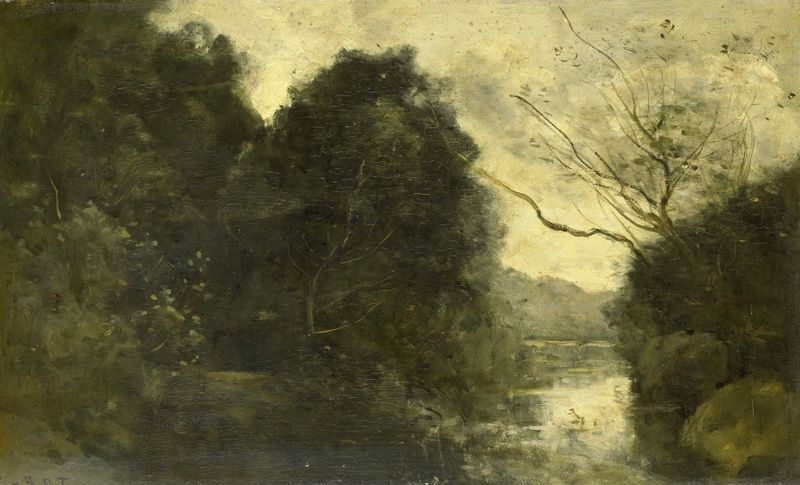
Pond in the Woods
Jean-Baptiste-Camille Corot
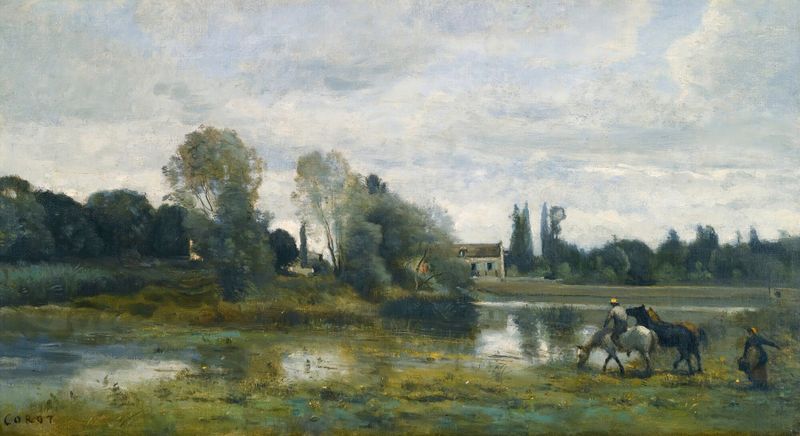
Ville D’avray; L’abreuvoir Des Chevaux
Jean-Baptiste-Camille Corot
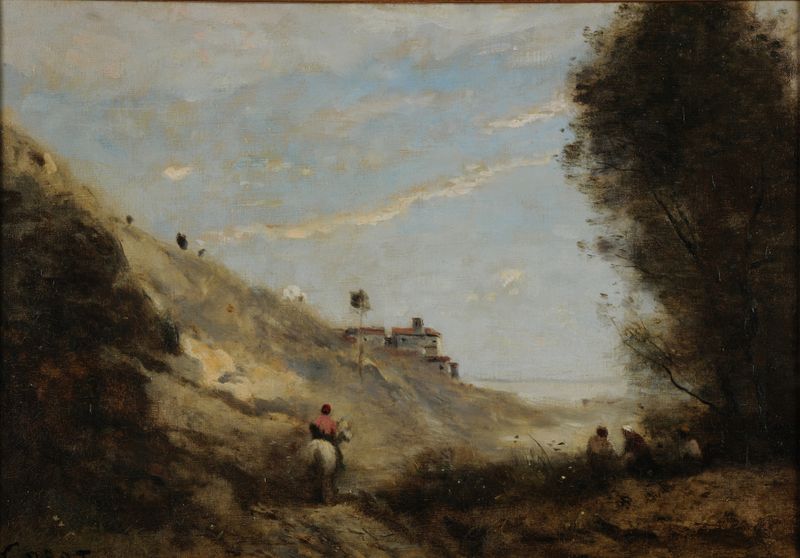
Le vallon au cavalier
Jean-Baptiste-Camille Corot





