
Marcoussis – Les Vaches Au Pâturage — History & Facts
In the gentle embrace of nature, the fleeting moments of life unfold, urging us to reflect on the inevitable passage of time. Look to the left at the serene figures of cows grazing, their forms rendered in soft, fluid strokes that blend harmoniously with the lush green backdrop. Notice how the light filters through the trees, kissing the animals’ coats with warmth while casting delicate shadows on the ground. The artist employs a muted palette, with soft greens and earthy browns, creating an atmosphere of tranquility that invites the viewer to pause and breathe alongside the pastoral scene. Delve deeper into the work, and you’ll uncover an undercurrent of tension.
The cows, seemingly at peace, symbolize the cycle of life and death, each grazing moment a reminder of mortality’s quiet presence. The idyllic setting contrasts with this notion, as the lush pastures could easily become a fleeting paradise, easily lost to time. The stillness of the scene carries an echo of the ephemeral, revealing the constant interplay between life’s beauty and its inevitable end. During the late 19th century, Corot created this piece amidst a transformative period in the art world.
His exploration of light and atmosphere placed him at the forefront of the Barbizon School, which sought to capture the raw essence of nature. As he painted, the movement towards realism was taking shape, and Corot’s devotion to landscape represented a poignant commentary on the relationship between humanity and the natural world, a theme that resonates profoundly in Marcoussis – Les Vaches Au Pâturage.
More Artworks by Jean-Baptiste-Camille Corot
Browse all →
View of Genoa
Jean-Baptiste-Camille Corot
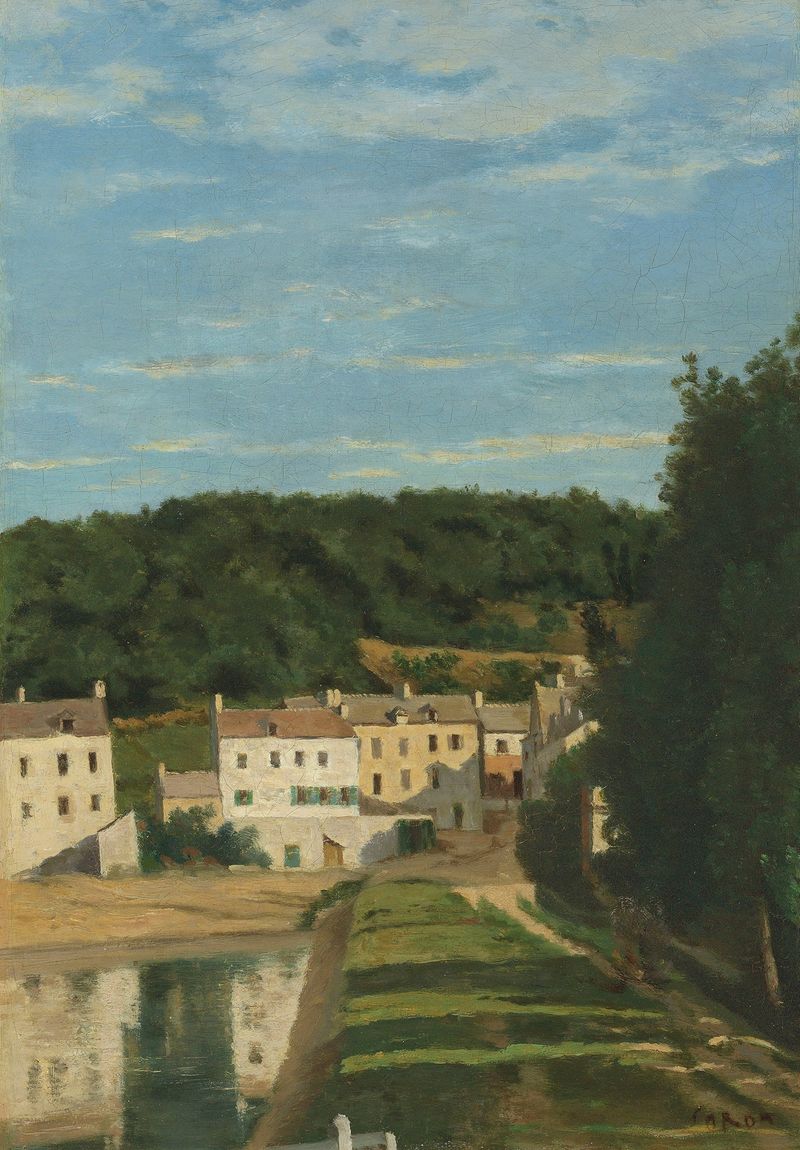
Les Maisons Cabassud À Ville D’avray
Jean-Baptiste-Camille Corot

La solitude. Souvenir de Vigen (Limousin)
Jean-Baptiste-Camille Corot
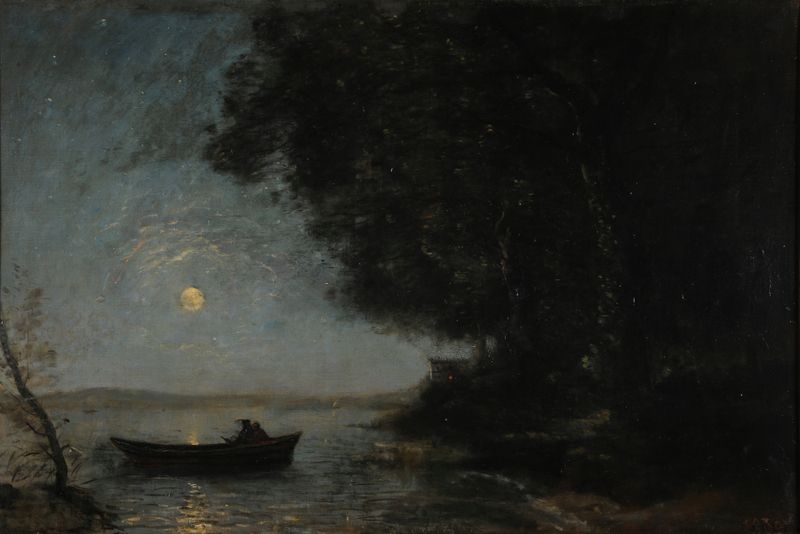
Le lac ; effet de nuit
Jean-Baptiste-Camille Corot
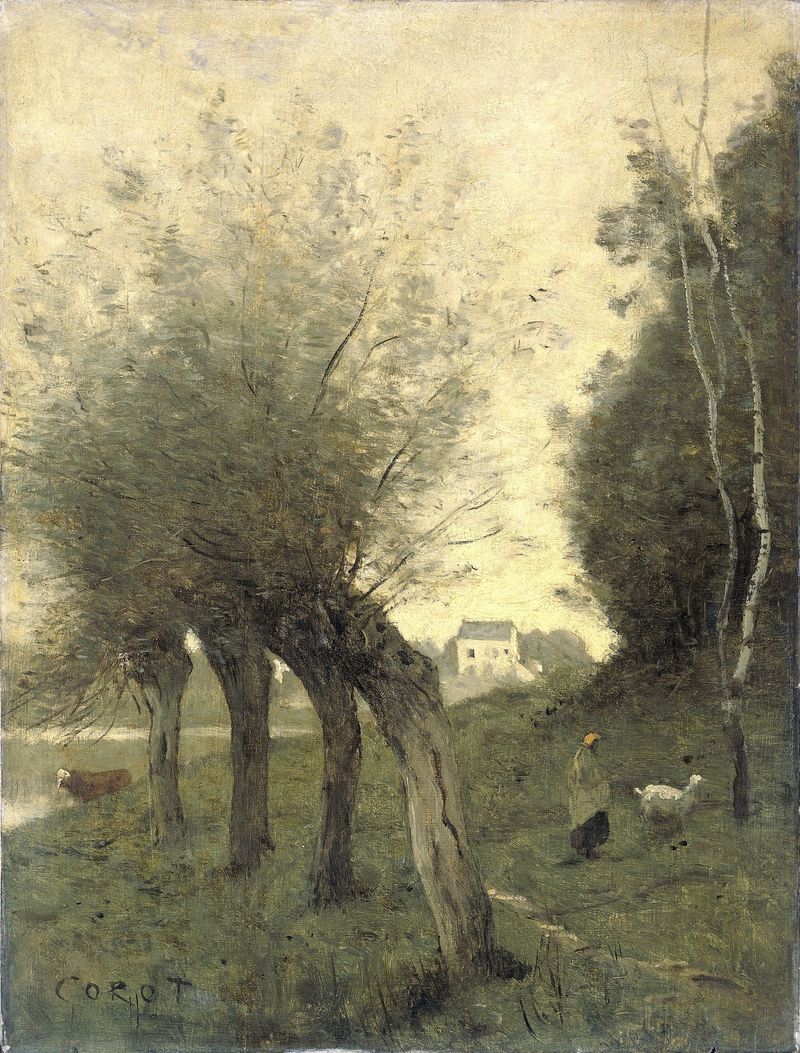
Landscape with Pollard Willows
Jean-Baptiste-Camille Corot
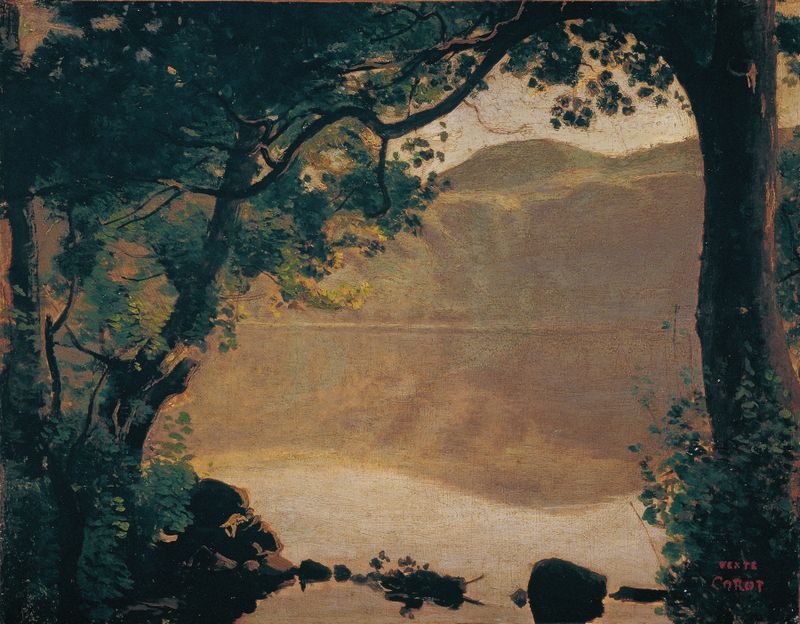
Der Nemisee
Jean-Baptiste-Camille Corot
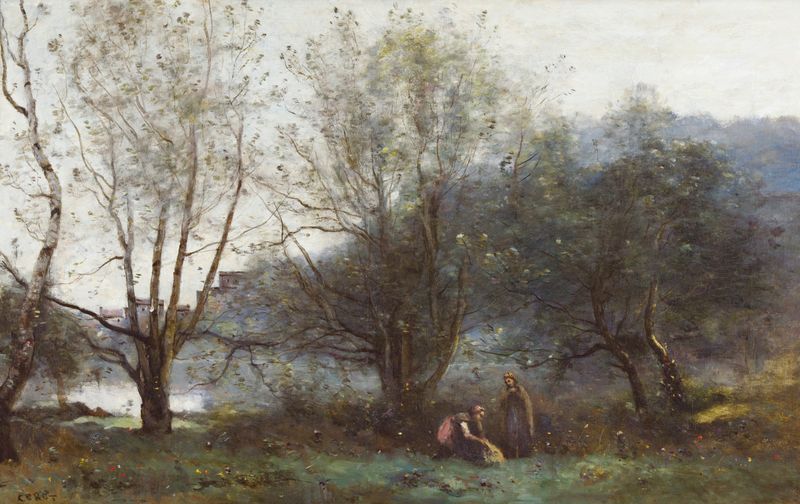
Les Étangs De Ville D’avray
Jean-Baptiste-Camille Corot
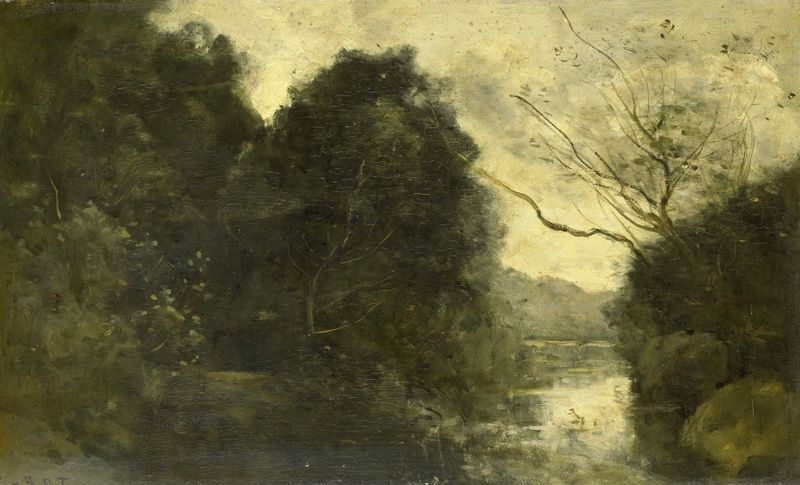
Pond in the Woods
Jean-Baptiste-Camille Corot
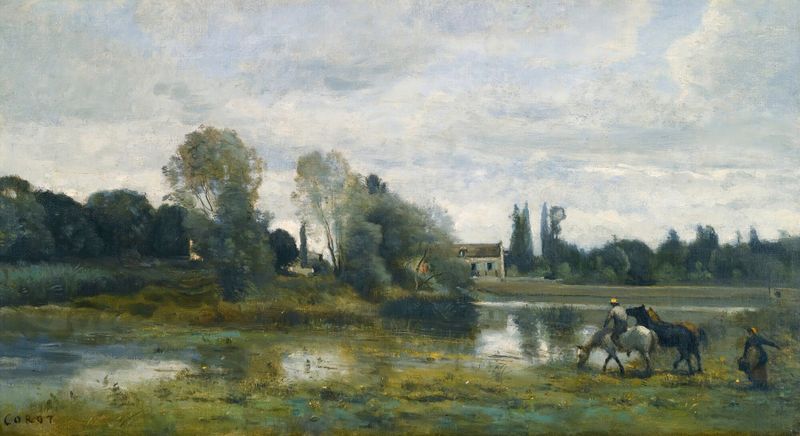
Ville D’avray; L’abreuvoir Des Chevaux
Jean-Baptiste-Camille Corot
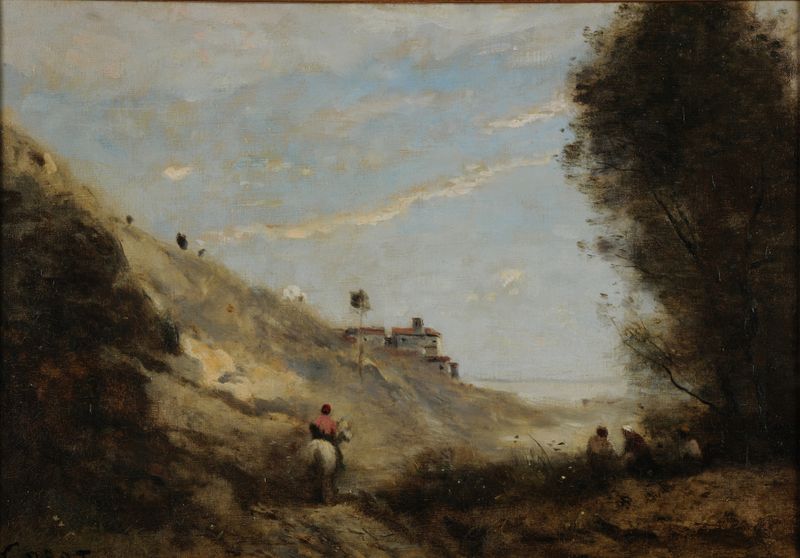
Le vallon au cavalier
Jean-Baptiste-Camille Corot





