
Maria als koningin der engelen — History & Facts
Did the painter know this moment would outlive them? In a world that fades like whispers, Maria als koningin der engelen stands as a testament to the enduring power of memory and divinity. Focus on the serene expression of the Virgin Mary at the center of the composition; her calm demeanor draws you into her presence. Notice how the soft light illuminates her delicate features, creating a halo effect that symbolizes purity. The flowing robes, richly adorned with intricate patterns, contrast beautifully with the muted background, guiding your gaze to her outstretched hands, cradling the infant Christ.
Its meticulous detailing and vibrant colors not only showcase Dürer’s technical prowess but also serve to elevate the sacred moment to one of celestial significance. As you delve deeper, consider the interplay between the figures surrounding Mary; the angels, each with unique expressions, collectively embody the eternal watchfulness of heaven. The delicate gesture of one angel, pointing towards Mary, invites contemplation on the nature of intercession and maternal strength. The contrast between their ethereal forms and the grounded presence of Mary reveals a profound emotional depth, suggesting that while celestial beings surround her, it is her humanity that resonates most deeply. In 1518, amidst the vibrant artistic movements of the Northern Renaissance, Dürer found himself at a pivotal moment in his career.
He was grappling with the philosophical currents of his time, including the interplay of faith and humanism, which heavily influenced his work. This painting, created in Nuremberg, reflects both a personal yearning for transcendence and the broader cultural embrace of spiritual themes, ensuring that his work would echo through time.
More Artworks by Albrecht Dürer
Browse all →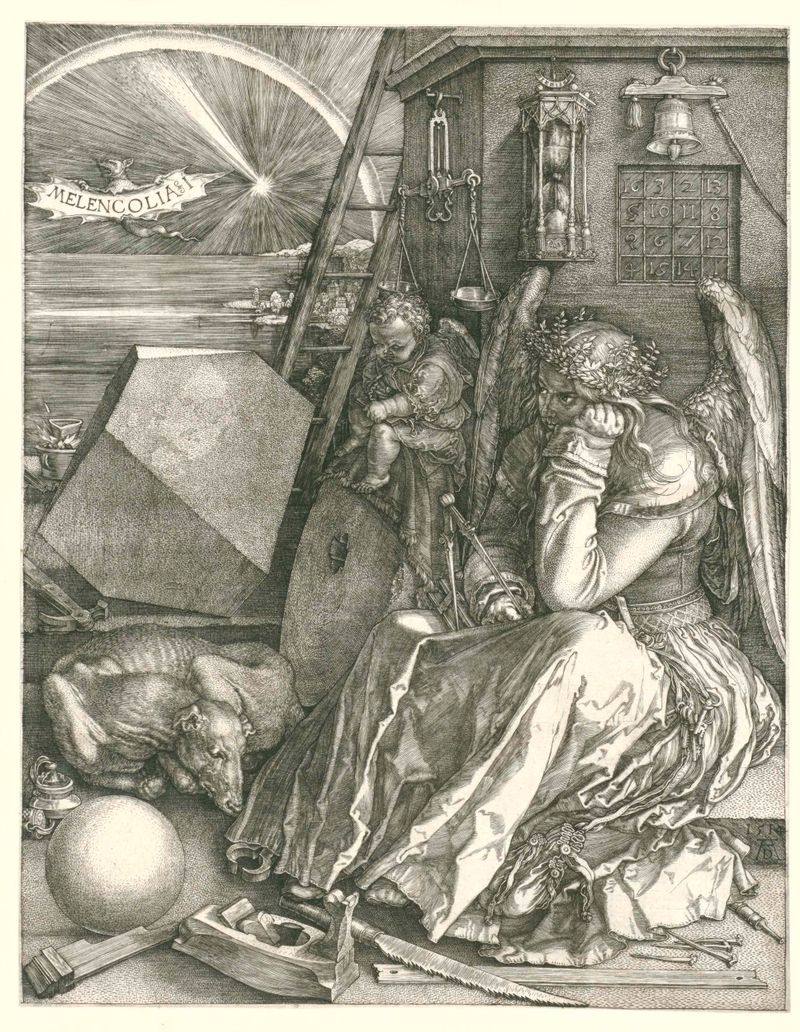
Melancholia
Albrecht Dürer
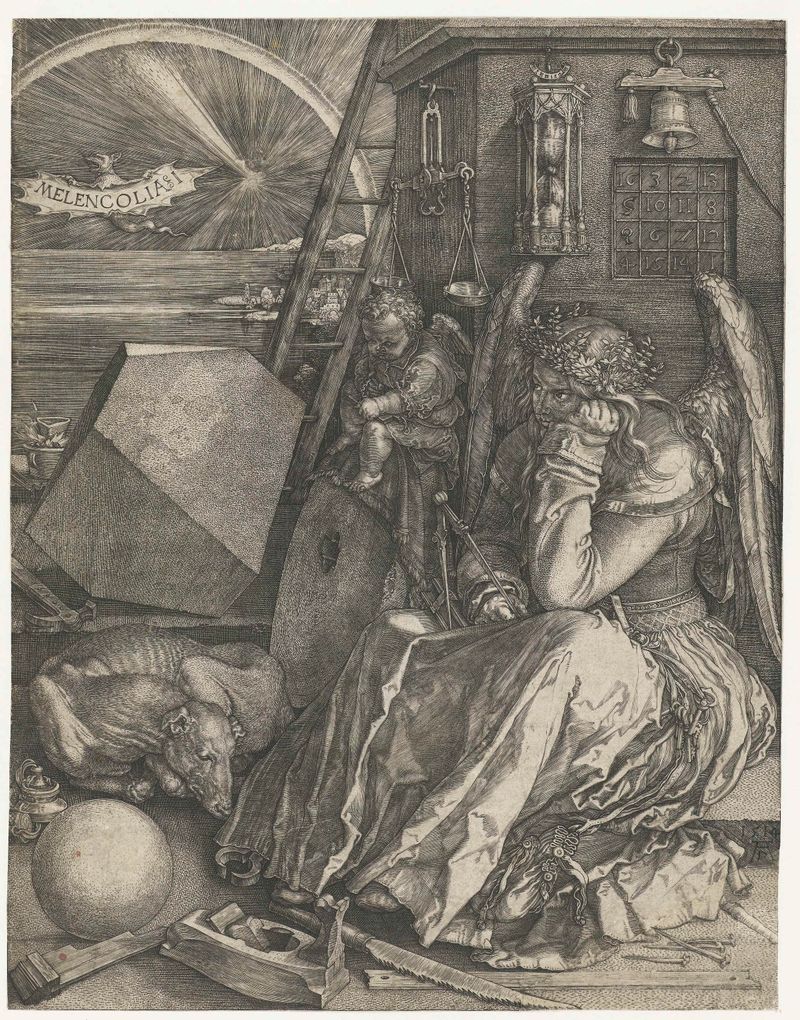
Melancholie
Albrecht Dürer
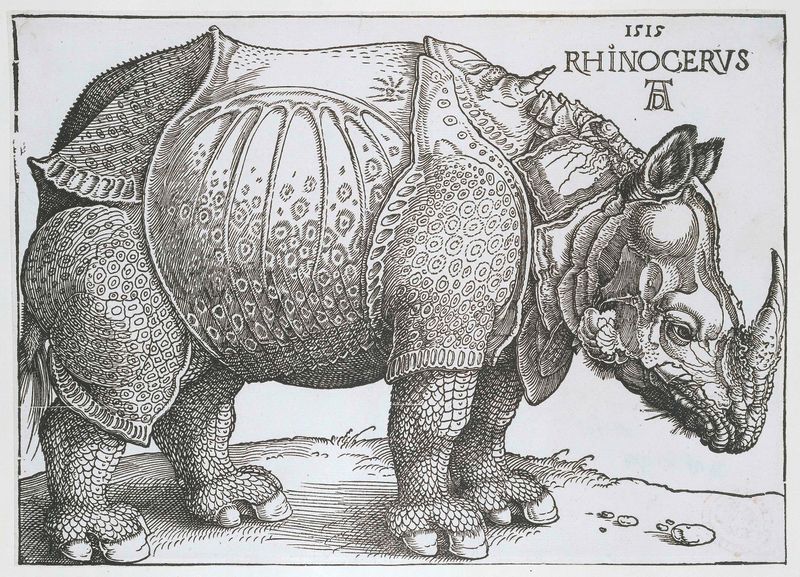
Neushoorn
Albrecht Dürer
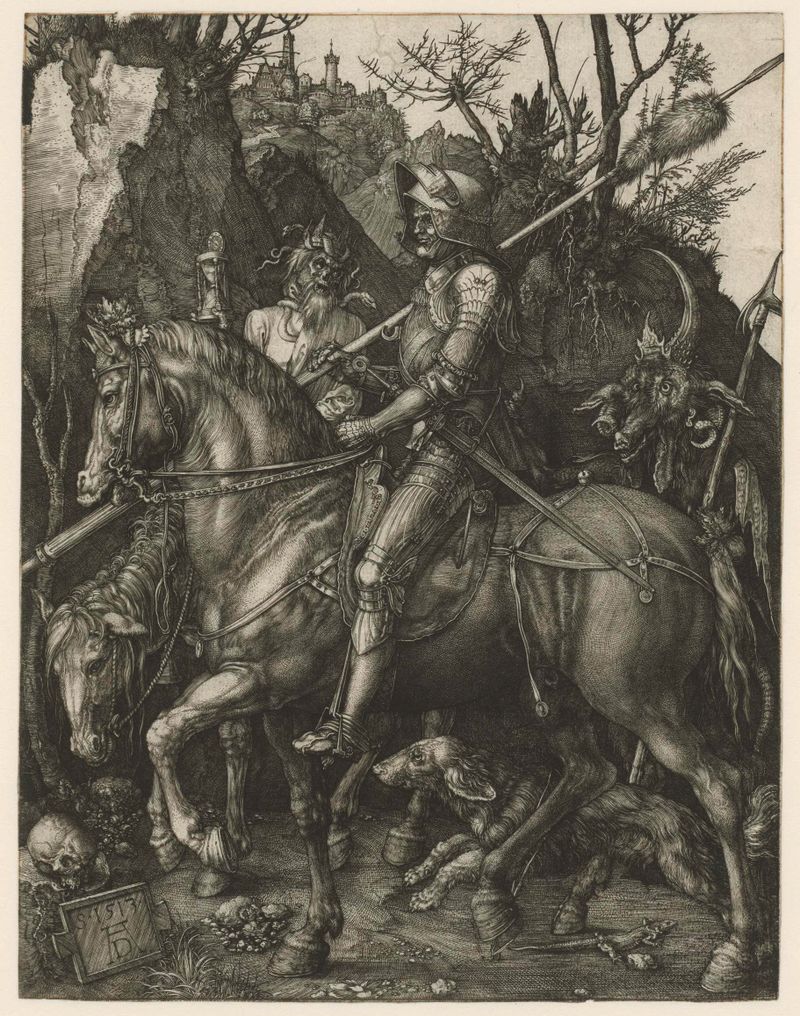
Knight, Death, and the Devil
Albrecht Dürer

De vier ruiters van de apocalyps
Albrecht Dürer

De vier ruiters van de apocalyps
Albrecht Dürer
De Heilige Hiëronymus in zijn studeervertrek
Albrecht Dürer
De Heilige Hiëronymus in zijn studeervertrek
Albrecht Dürer
De apocalyptische vrouw en de zevenkoppige draak
Albrecht Dürer
Adam en Eva
Albrecht Dürer
More Religious Art
Browse all →
The Return of the Prodigal Son
Rembrandt van Rijn

The Garden of Earthly Delights
El Bosco

Count Orgaz’ funeral
El Greco

The Hundred Guilder Print: the central piece with Christ preaching, the plate arched
Rembrandt van Rijn

The Descent from the Cross
Rogier van der Weyden

The return of the prodigal son
Rembrandt van Rijn