
Maria met het Christuskind op een hekje — History & Facts
What if silence could speak through light? In Maria met het Christuskind op een hekje, the delicate interplay of illumination and shadow whispers the profound weight of existence and its transience. Look to the right at Mary, whose serene expression captures a moment of gentle contemplation. The soft light bathes her in a divine glow, drawing the viewer’s gaze to her tender embrace of the Christ Child. Notice how the meticulously rendered textures of her garment juxtapose the smooth, youthful skin of the infant, highlighting a poignant contrast between age and innocence.
Each stroke of paint reveals the artist's precision and devotion to detail, creating an intimate connection between mother and child that transcends time. Deeper still, one can perceive the underlying themes of mortality woven through their expressions. The subtle tension in Mary’s gaze hints at the weight of her future, aware of both the joys and sorrows that await. The fence, an unusual yet significant element, suggests a division between the earthly and the divine, a boundary that reflects the fragility of life itself.
It is here that Dürer evokes a sense of longing, underscoring the ephemeral nature of human existence and the eternal hope found in faith. In 1526, Albrecht Dürer created this moving piece during a time of both personal and societal change in Nuremberg. The artist was grappling with his own mortality, having experienced the loss of loved ones. The Renaissance was flourishing, and Dürer's keen interest in blending Northern European realism with Italian influences is evident in this work, showcasing his mastery of composition and emotional depth.
More Artworks by Albrecht Dürer
Browse all →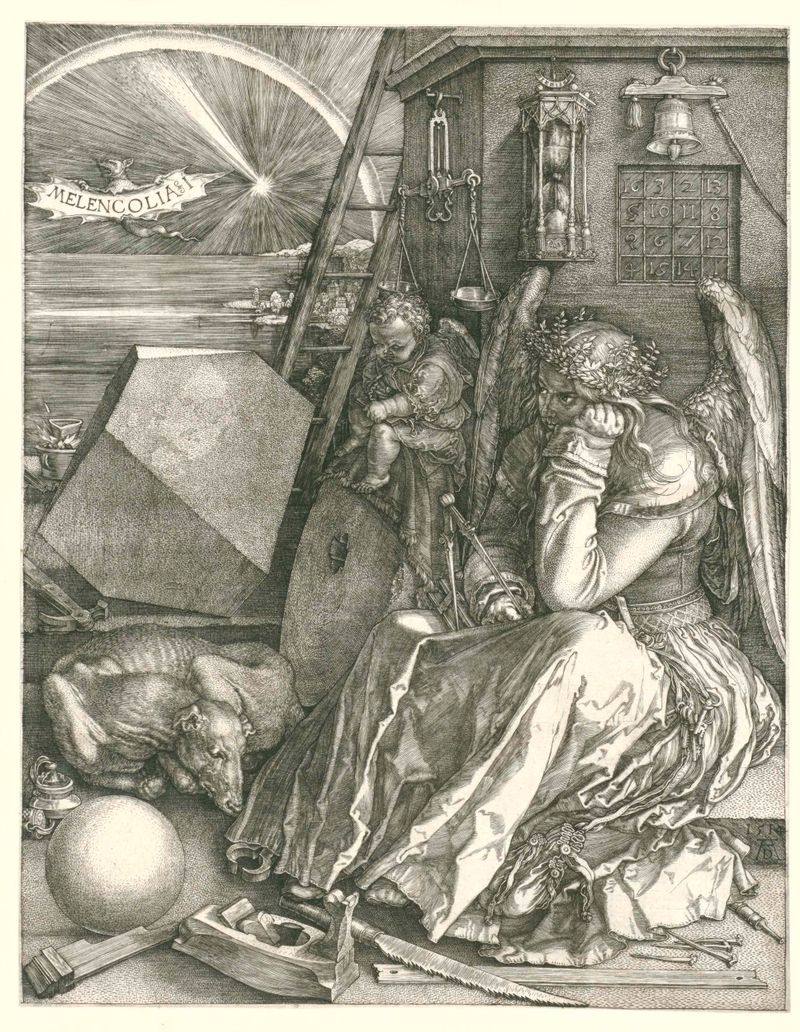
Melancholia
Albrecht Dürer
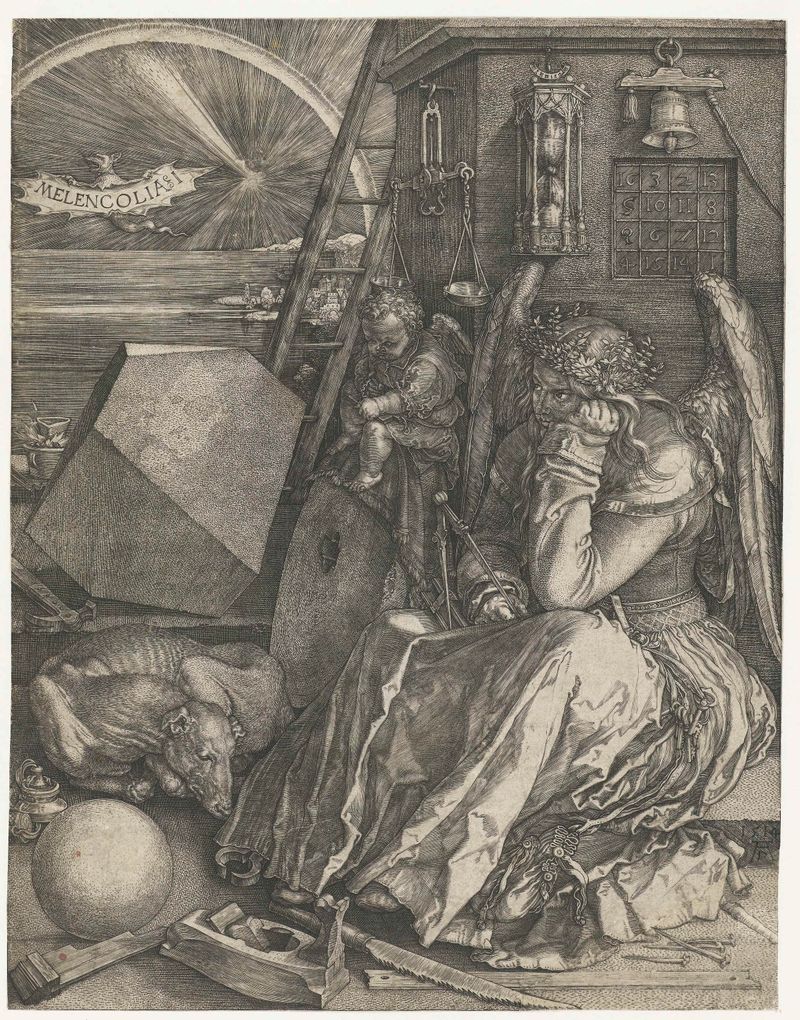
Melancholie
Albrecht Dürer
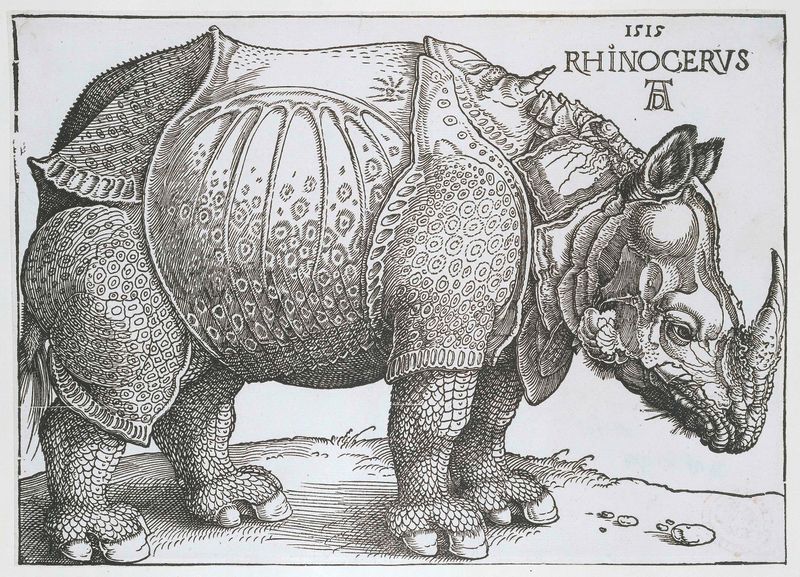
Neushoorn
Albrecht Dürer
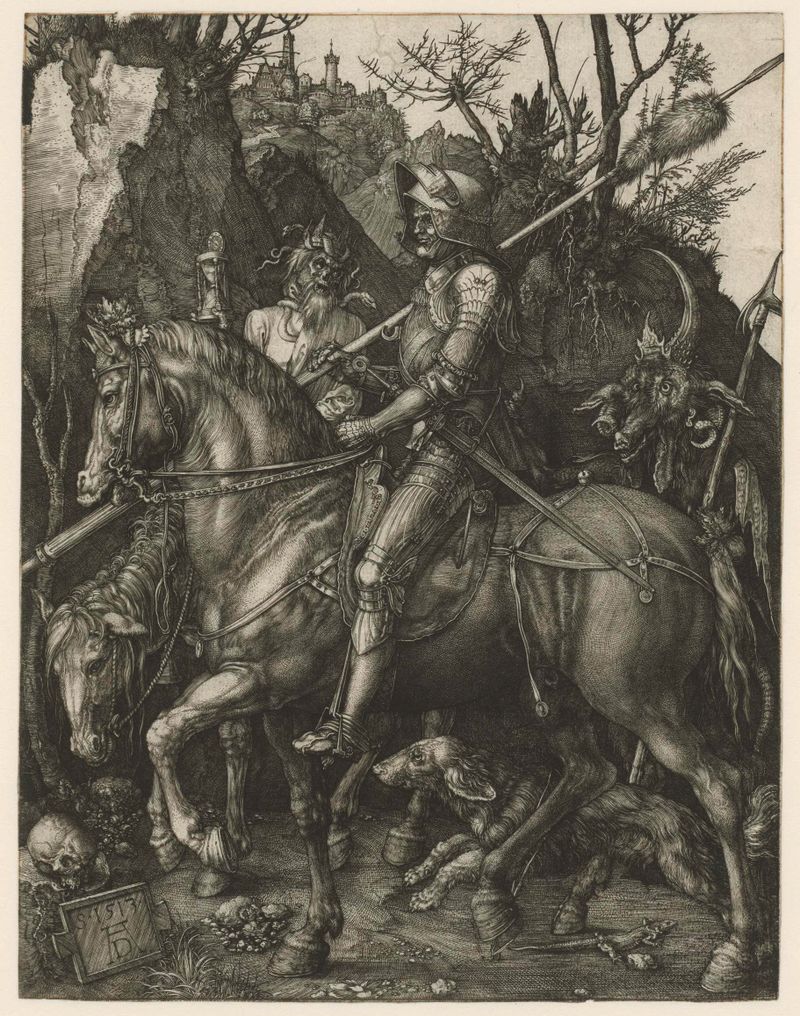
Knight, Death, and the Devil
Albrecht Dürer

De vier ruiters van de apocalyps
Albrecht Dürer

De vier ruiters van de apocalyps
Albrecht Dürer
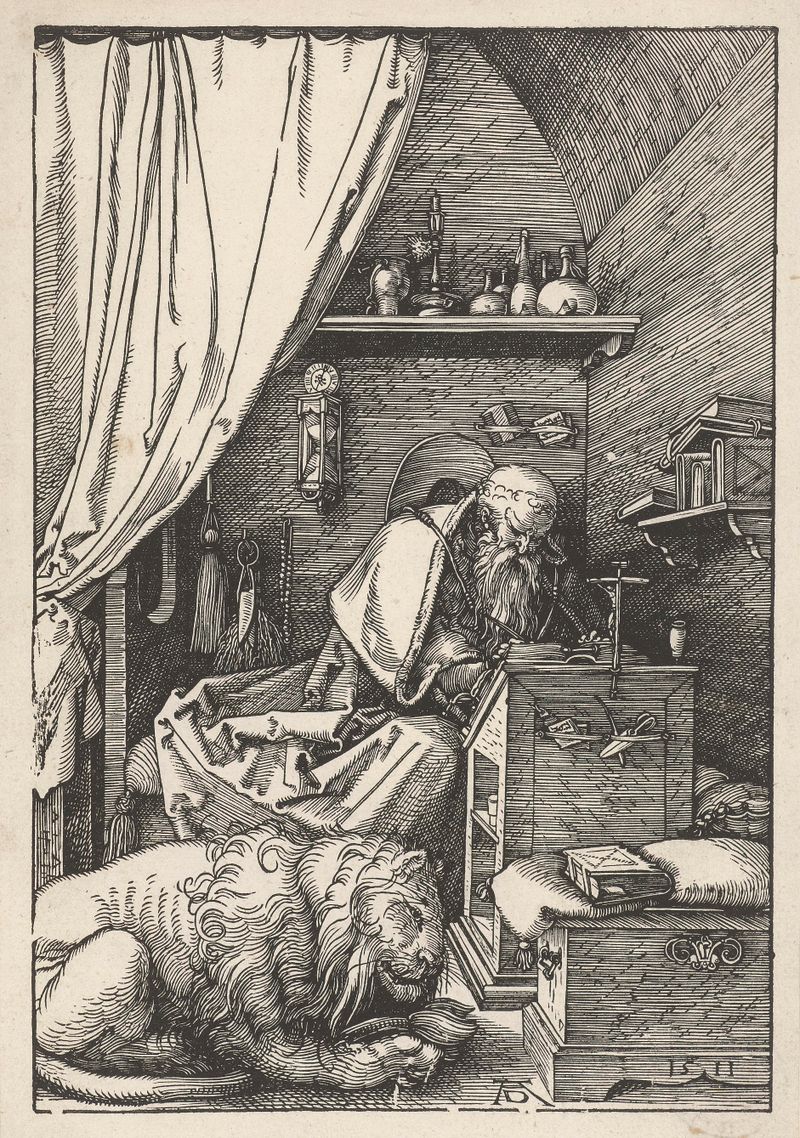
De Heilige Hiëronymus in zijn studeervertrek
Albrecht Dürer
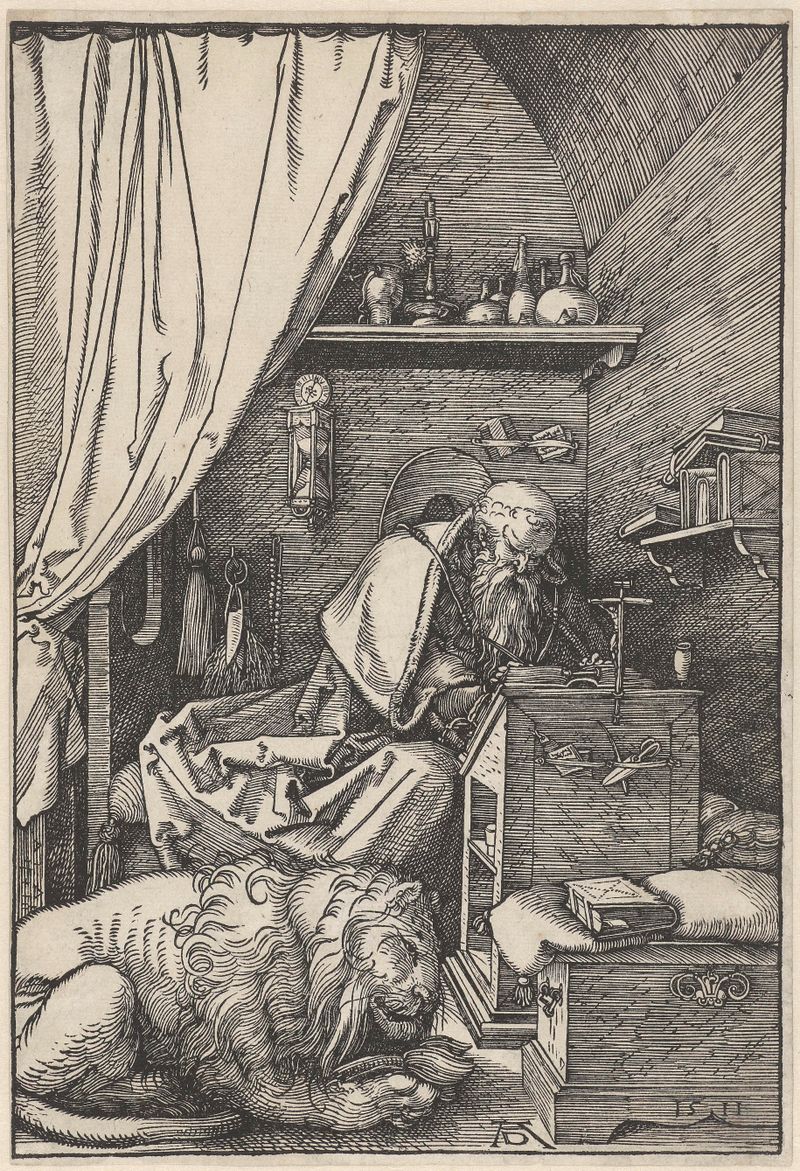
De Heilige Hiëronymus in zijn studeervertrek
Albrecht Dürer
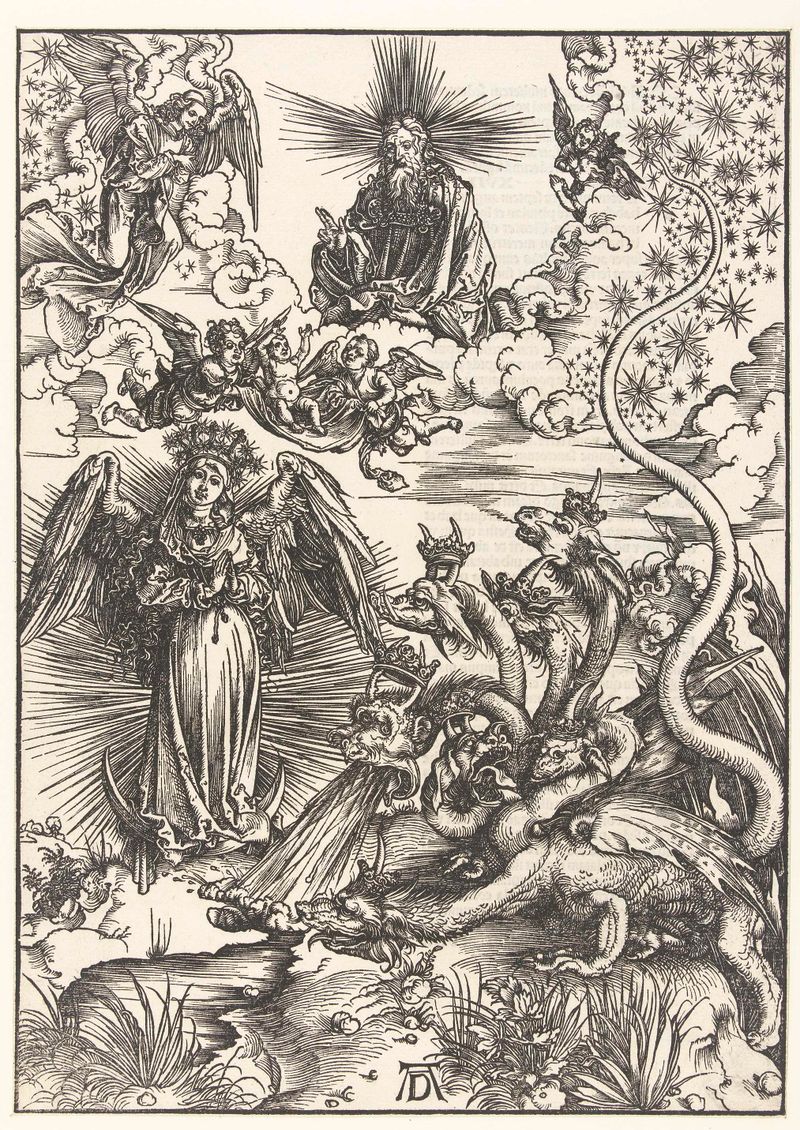
De apocalyptische vrouw en de zevenkoppige draak
Albrecht Dürer
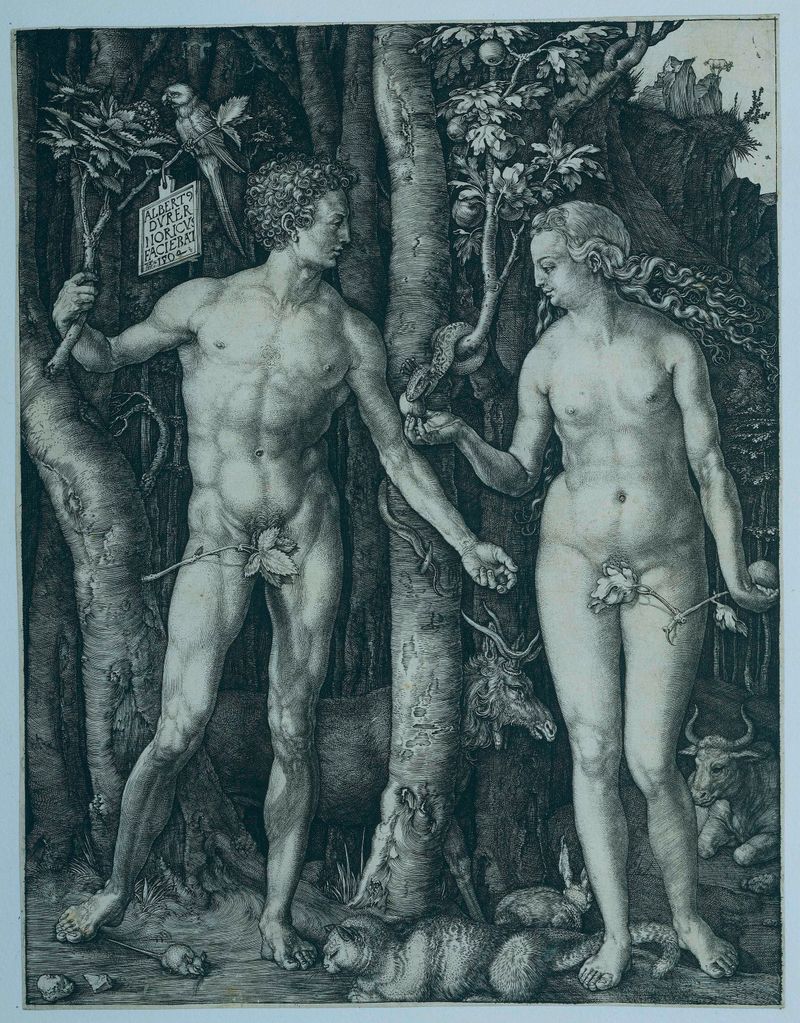
Adam en Eva
Albrecht Dürer
More Religious Art
Browse all →
The Return of the Prodigal Son
Rembrandt van Rijn

The Garden of Earthly Delights
El Bosco

Count Orgaz’ funeral
El Greco

The Hundred Guilder Print: the central piece with Christ preaching, the plate arched
Rembrandt van Rijn

The Descent from the Cross
Rogier van der Weyden

The return of the prodigal son
Rembrandt van Rijn