
Maria met ingebakerd kind — History & Facts
Can paint confess what words never could? In Albrecht Dürer's Maria met ingebakerd kind, a profound moment unfolds, captured in intricate detail and reverent silence. Here, mutual awe is encapsulated; an unspoken bond transcends the canvas, inviting contemplation. Look to the center, where the tender figure of Mary cradles her swaddled child. Notice how the delicate strokes convey the soft contours of their faces, the serenity etched in their expressions.
Surrounding them, the muted palette of earthy tones enhances the intimate space, while subtle highlights draw attention to the gentle curves of the infant's body. The composition creates a protective aura around the figures, reinforcing the sacredness of this maternal moment. In the folds of their garments, one can sense the weight of tradition and the warmth of familial love. The juxtaposition of Mary's calm demeanor against the vulnerability of the child evokes a tension between strength and fragility.
Look closely at the shadows that play across her face; they hint at the complexities of motherhood—joy entwined with the burden of responsibility. This duality resonates deeply, reflecting the societal expectations of women during Dürer’s time. Created in 1520, this work emerged during a transformative period in Northern Renaissance art. Dürer, then based in Nuremberg, was navigating both personal and artistic challenges, responding to the changing currents of spirituality and humanism.
His exploration of emotion and human experience in this piece mirrors a broader movement seeking to express intimate moments in an increasingly complex world.
More Artworks by Albrecht Dürer
Browse all →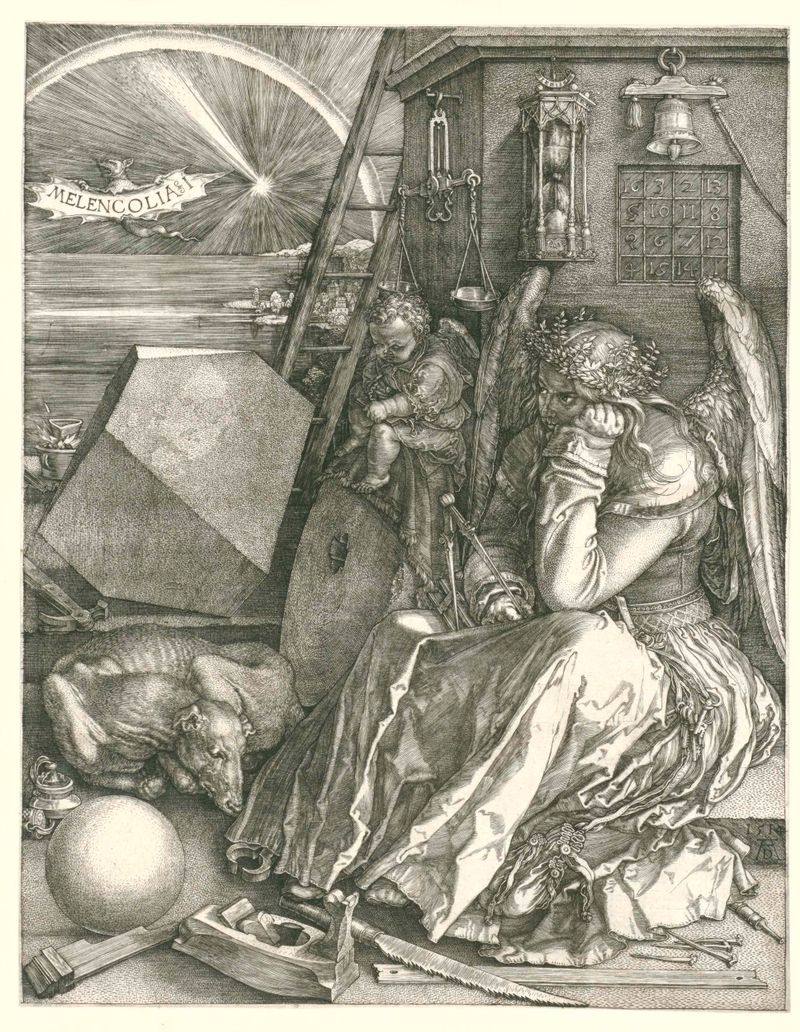
Melancholia
Albrecht Dürer
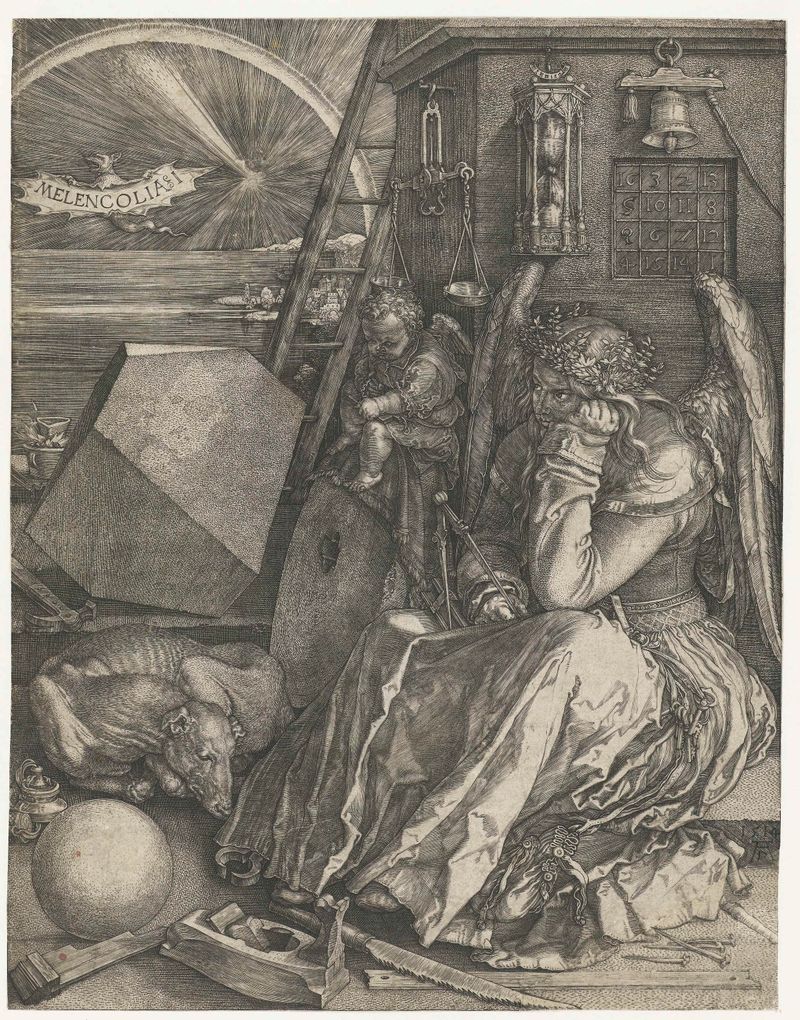
Melancholie
Albrecht Dürer
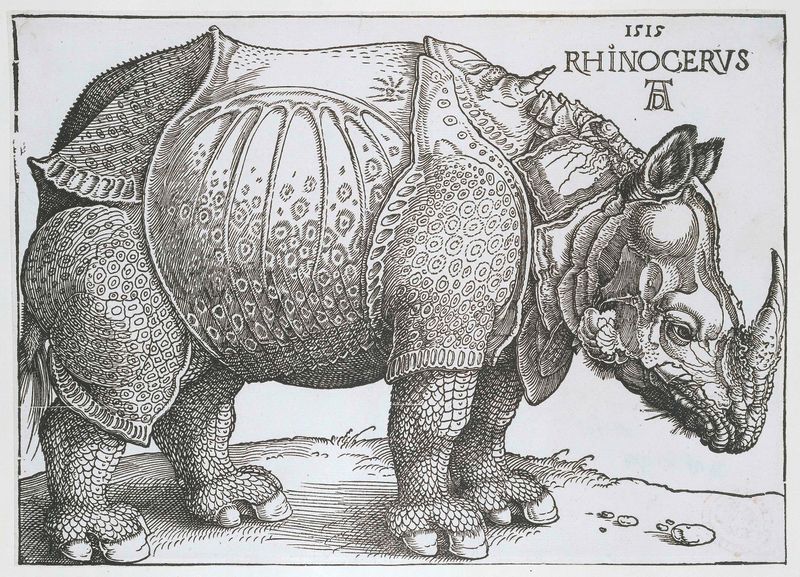
Neushoorn
Albrecht Dürer
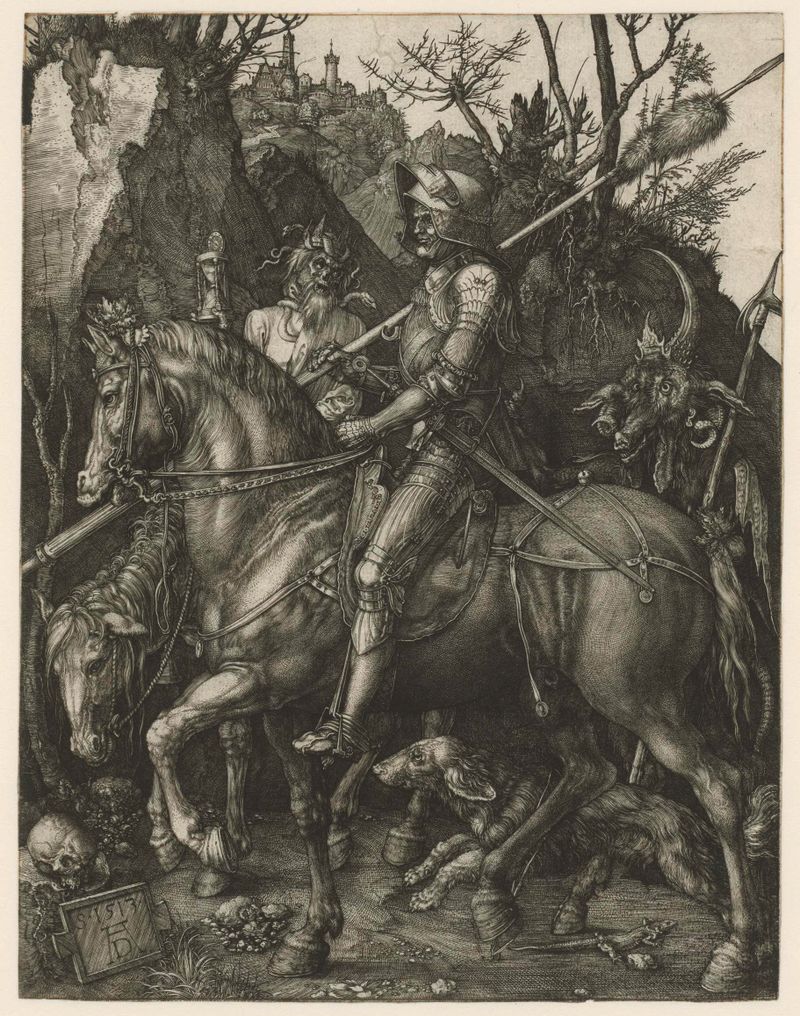
Knight, Death, and the Devil
Albrecht Dürer

De vier ruiters van de apocalyps
Albrecht Dürer

De vier ruiters van de apocalyps
Albrecht Dürer
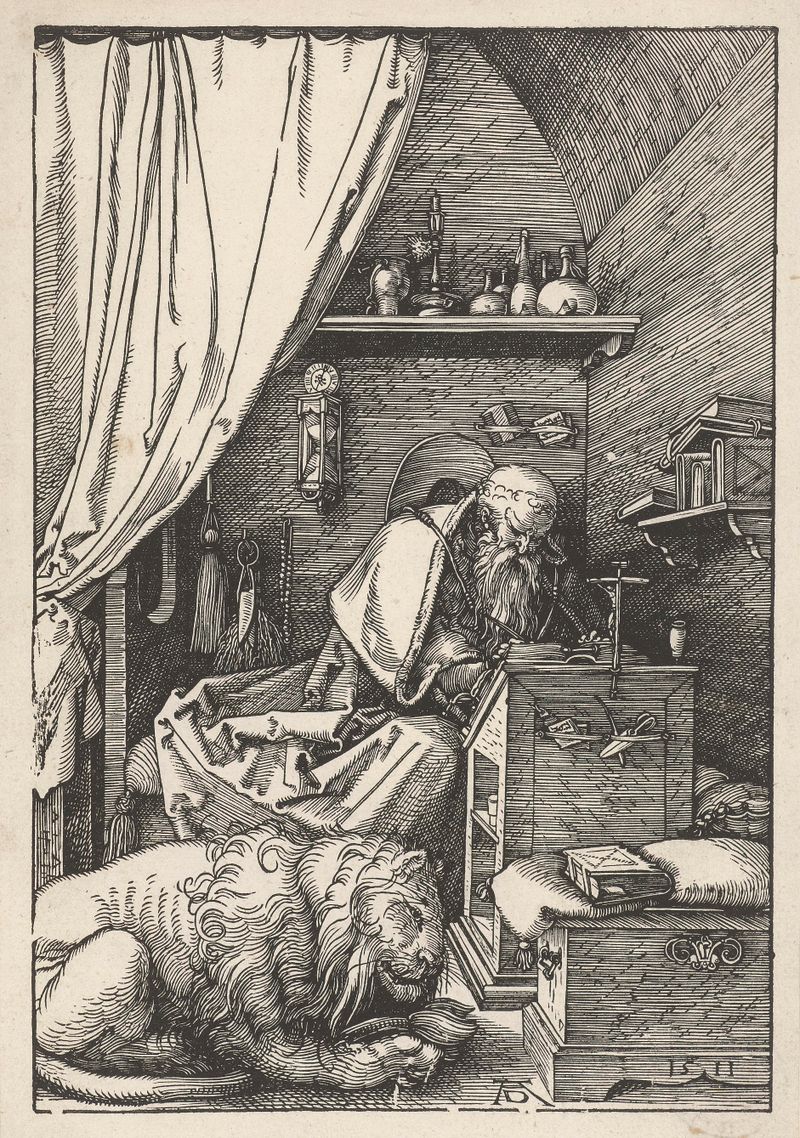
De Heilige Hiëronymus in zijn studeervertrek
Albrecht Dürer
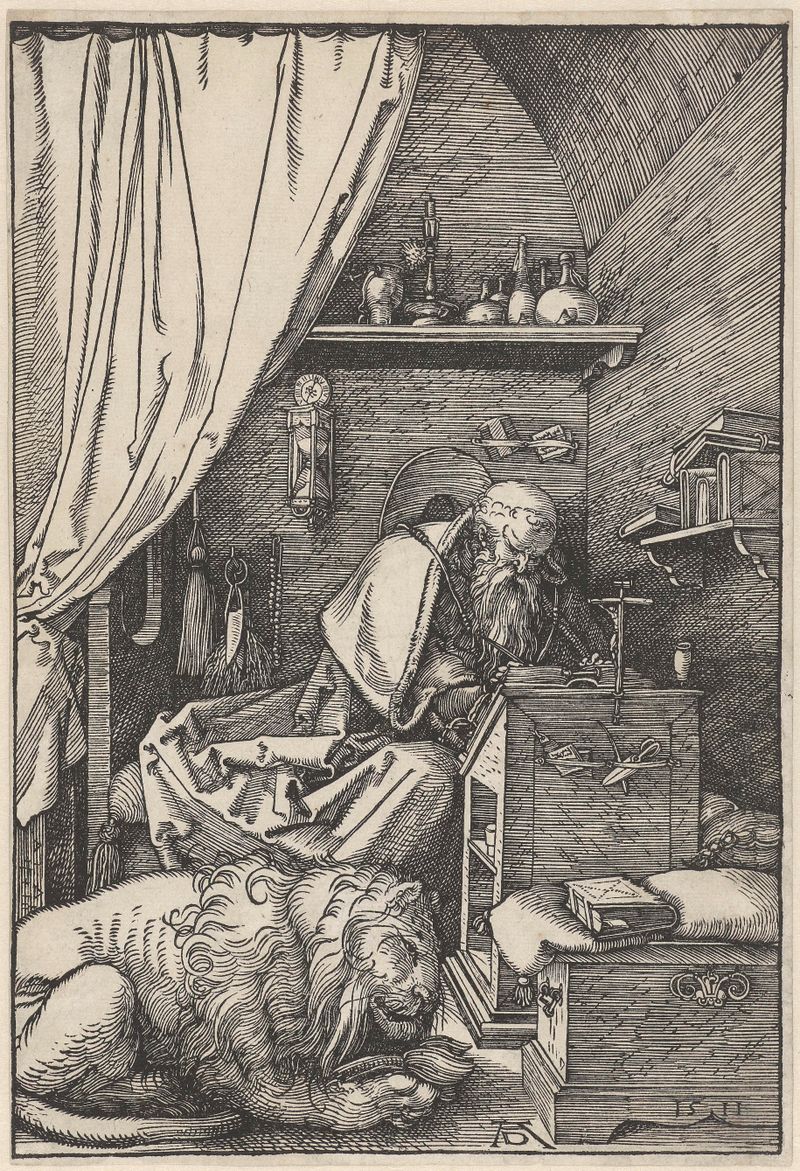
De Heilige Hiëronymus in zijn studeervertrek
Albrecht Dürer
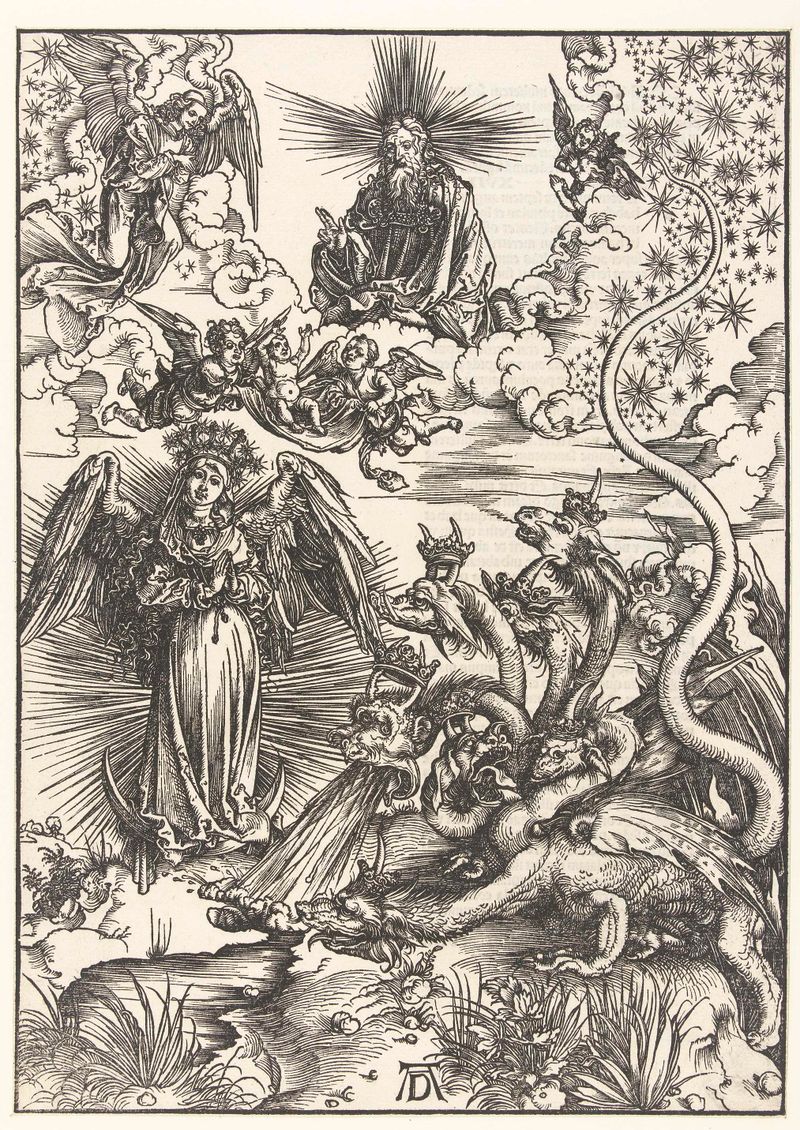
De apocalyptische vrouw en de zevenkoppige draak
Albrecht Dürer
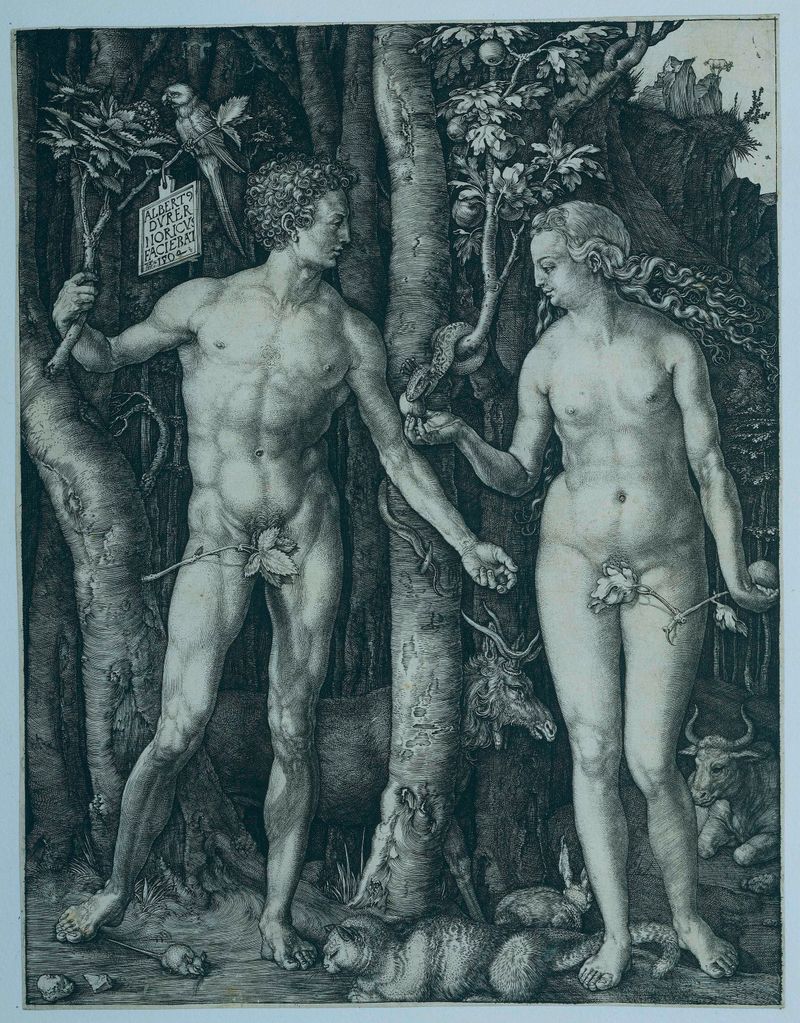
Adam en Eva
Albrecht Dürer
More Religious Art
Browse all →
The Return of the Prodigal Son
Rembrandt van Rijn

The Garden of Earthly Delights
El Bosco

Count Orgaz’ funeral
El Greco

The Hundred Guilder Print: the central piece with Christ preaching, the plate arched
Rembrandt van Rijn

The Descent from the Cross
Rogier van der Weyden

The return of the prodigal son
Rembrandt van Rijn