
Maria met kind aan de borst bij een hek — History & Facts
In the quiet embrace of maternal love, a moment unfolds that invites reflection, questioning the constructs of society and the revolution it stirs within. Look to the left, where a serene figure of Mary cradles her child against a backdrop of a rustic fence, suggesting both protection and the boundaries of the world outside. The soft, earthy hues of Dürer's palette create a harmonious balance between the warmth of flesh and the coolness of nature, while fine details, such as the delicate folds of Mary’s garment, draw the eye inward. The play of light on her face captures an intimate strength, illuminating her serene expression in stark contrast to the wooden structure that encases them. Here lies a powerful juxtaposition: the vulnerability of motherhood against the potential turmoil implied by the fence, a barrier symbolizing societal constraints.
The tension is palpable; the child, a beacon of hope, embodies the promise of change in a world rife with expectation. Every brushstroke speaks to the emotional weight of both protection and the inevitability of growth, suggesting a future where innocence might confront the harshness beyond the confines of this tranquil moment. Created in 1503, this artwork reflects Dürer’s position during a transformative era, as he navigated the complexities of the Northern Renaissance. Living in Nuremberg, he was deeply influenced by the rising Reformation and humanist ideals that questioned traditional norms.
This painting not only showcases his technical mastery but also hints at the revolution in thought occurring around him, as artists began to explore themes of individuality and personal connection in their work.
More Artworks by Albrecht Dürer
Browse all →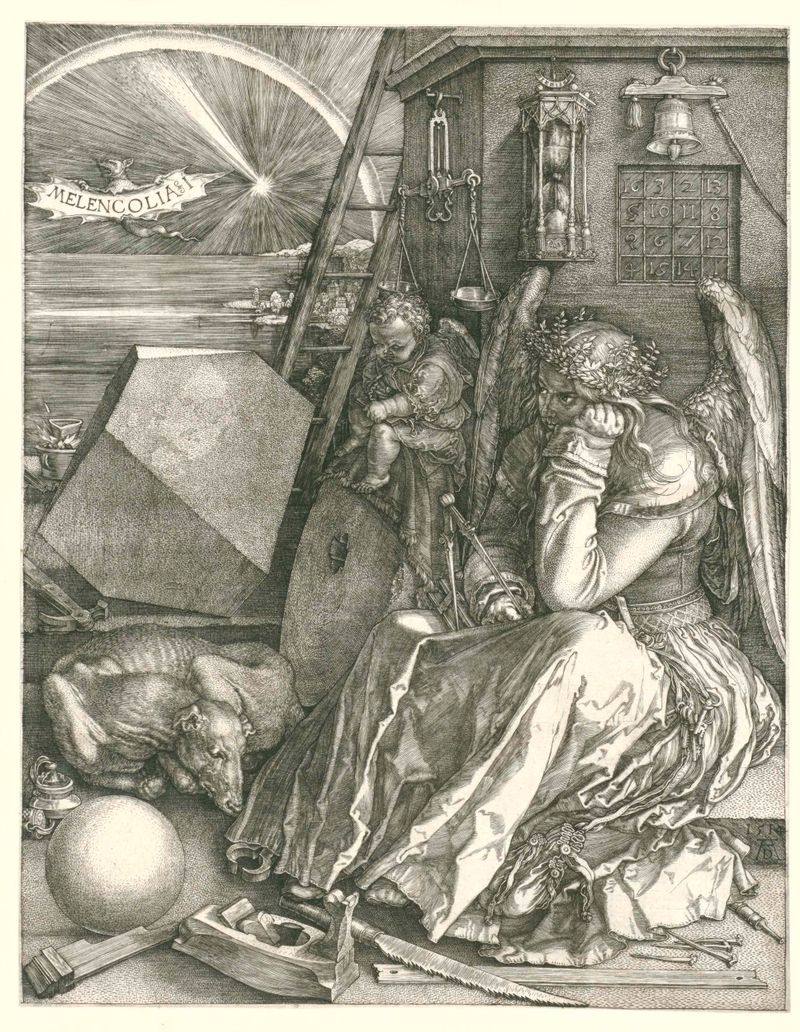
Melancholia
Albrecht Dürer
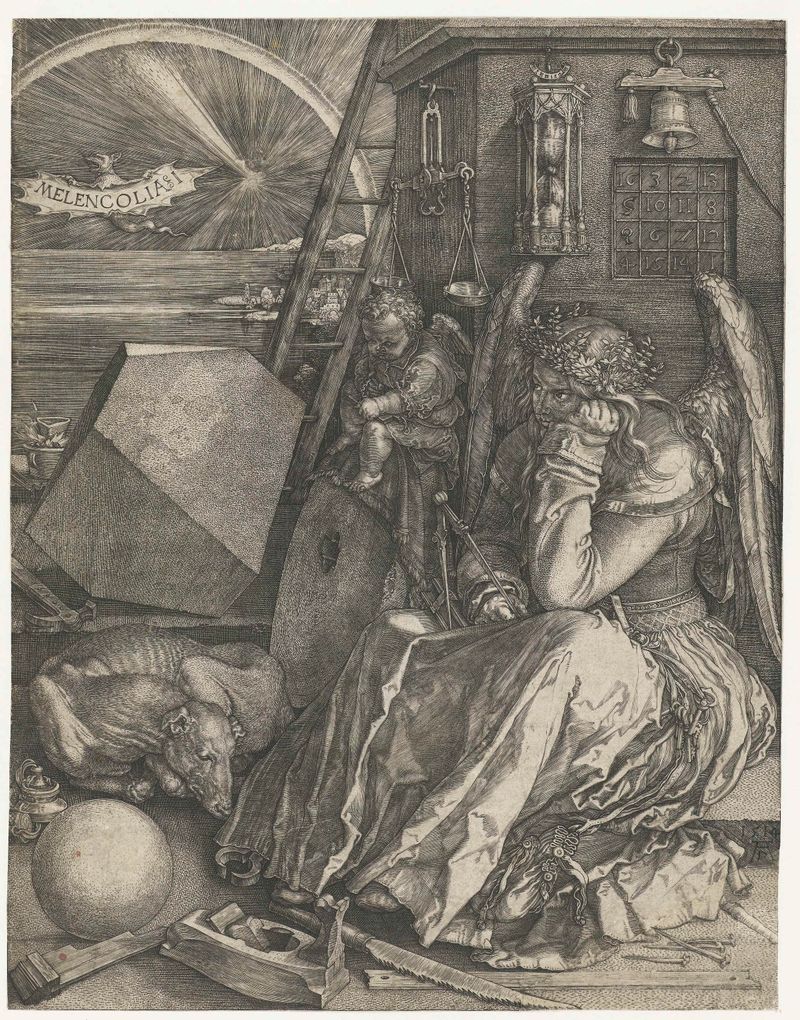
Melancholie
Albrecht Dürer
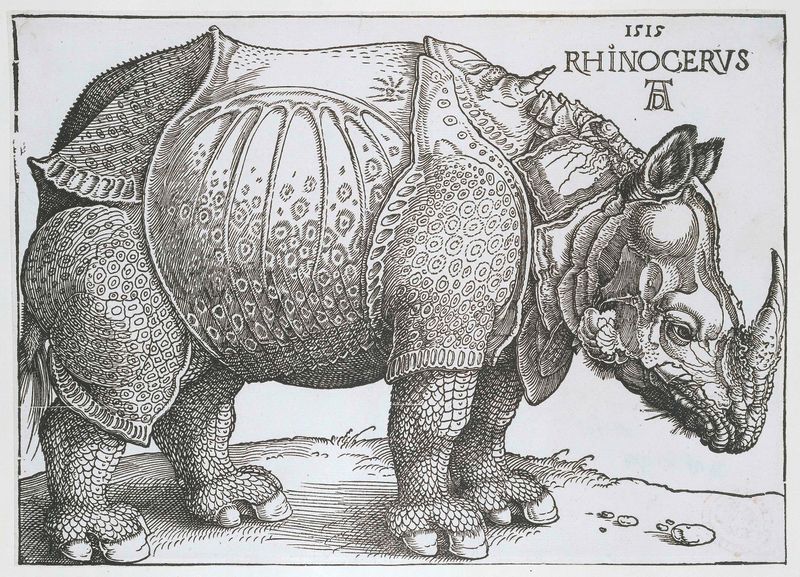
Neushoorn
Albrecht Dürer
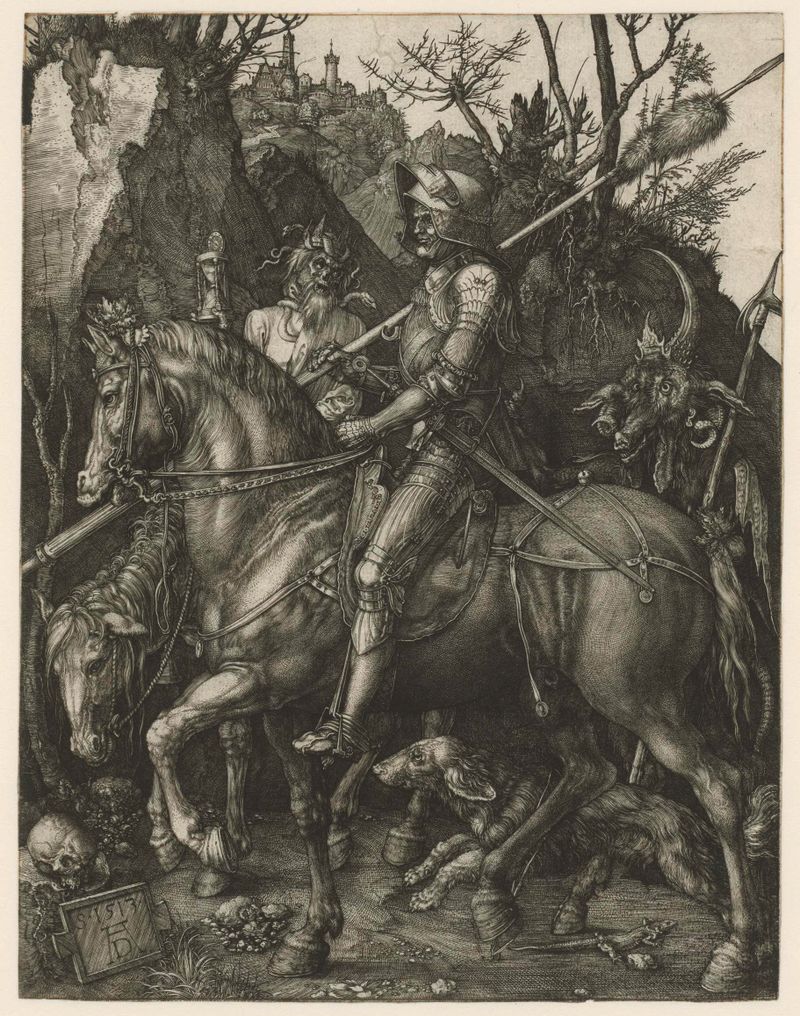
Knight, Death, and the Devil
Albrecht Dürer

De vier ruiters van de apocalyps
Albrecht Dürer

De vier ruiters van de apocalyps
Albrecht Dürer
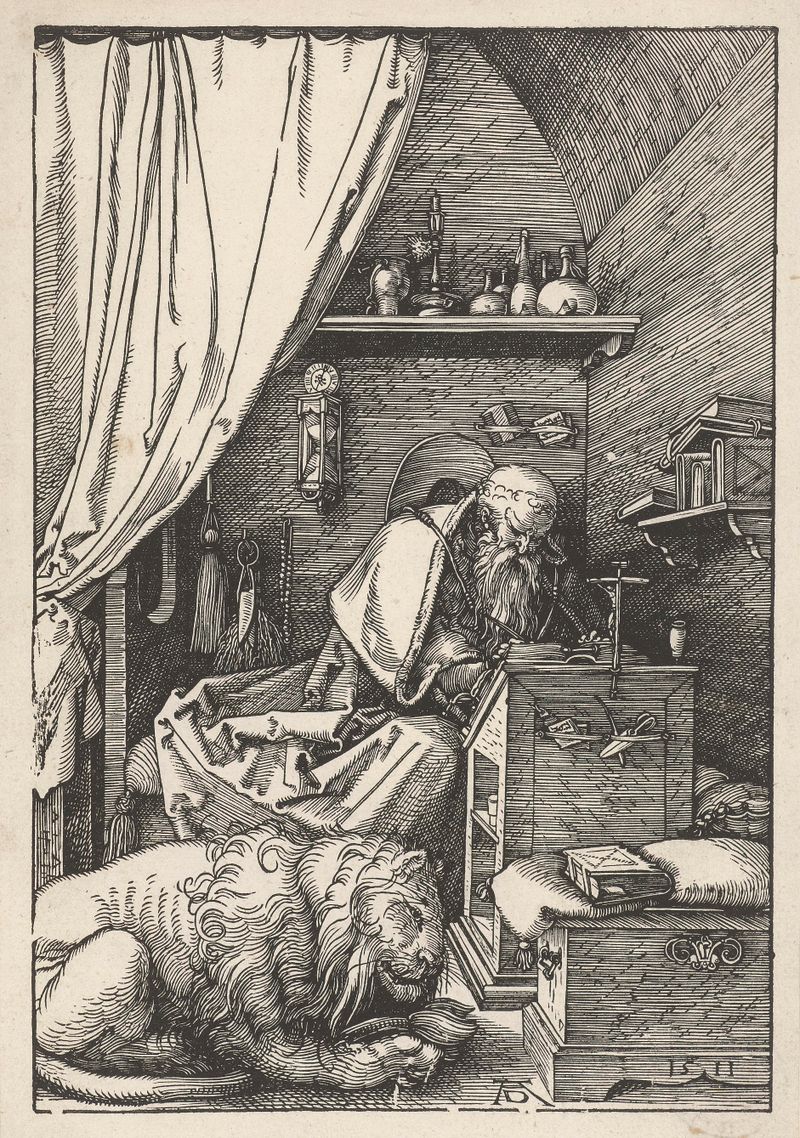
De Heilige Hiëronymus in zijn studeervertrek
Albrecht Dürer
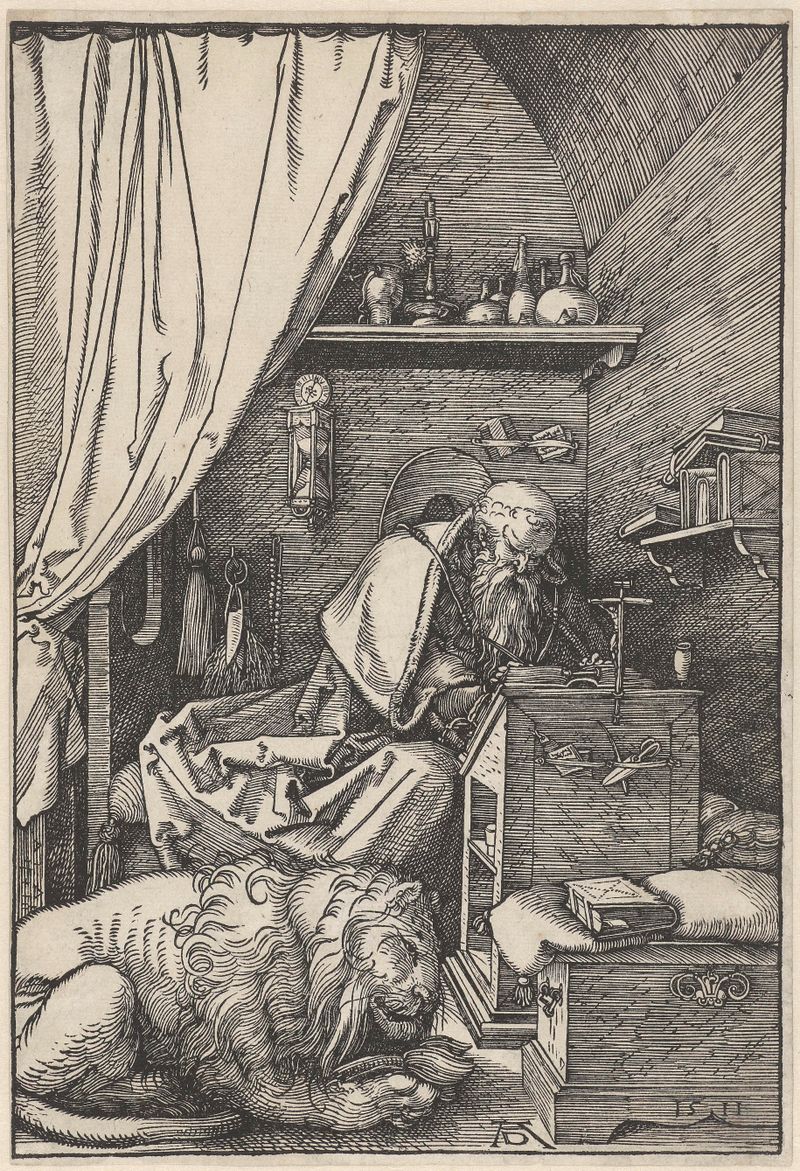
De Heilige Hiëronymus in zijn studeervertrek
Albrecht Dürer
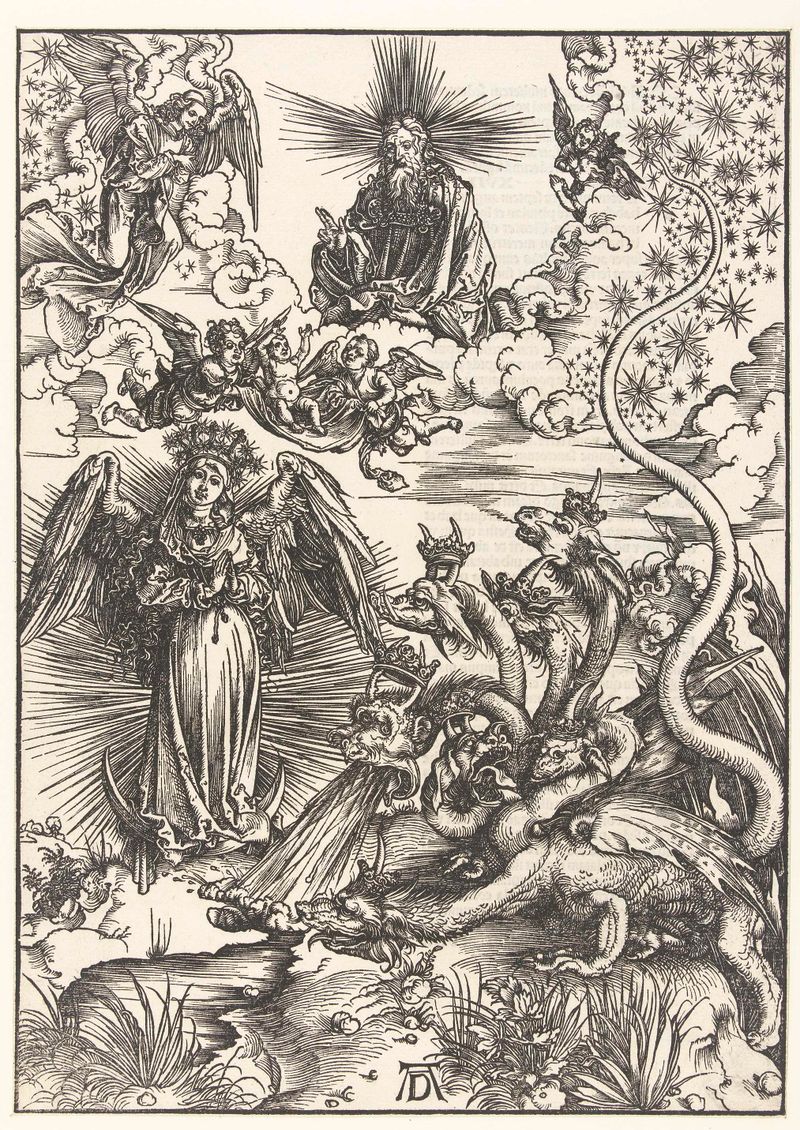
De apocalyptische vrouw en de zevenkoppige draak
Albrecht Dürer
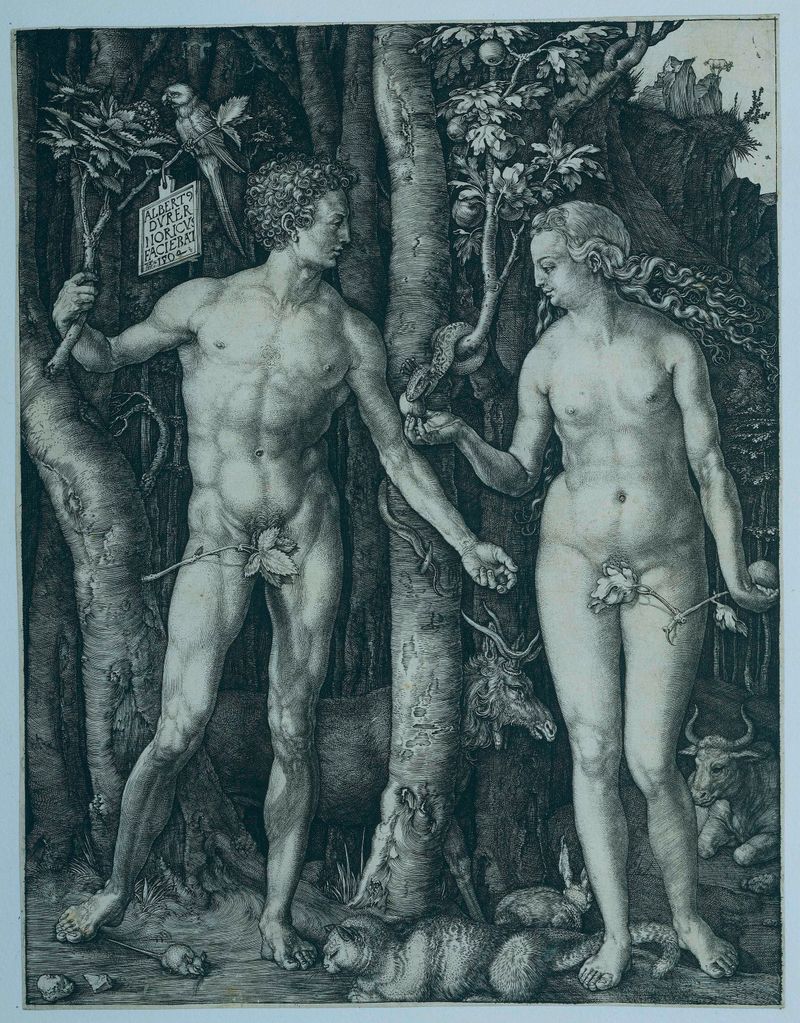
Adam en Eva
Albrecht Dürer
More Religious Art
Browse all →
The Return of the Prodigal Son
Rembrandt van Rijn

The Garden of Earthly Delights
El Bosco

Count Orgaz’ funeral
El Greco

The Hundred Guilder Print: the central piece with Christ preaching, the plate arched
Rembrandt van Rijn

The Descent from the Cross
Rogier van der Weyden

The return of the prodigal son
Rembrandt van Rijn