
Maria met kind en een aap — History & Facts
Did the painter know this moment would outlive them? In Maria met kind en een aap, a delicate interplay of light and shadow reveals the transient nature of life and the enduring legacy of art. Look to the left, where the serene figure of Mary cradles the child, her gentle face aglow with a divine light that seems to radiate peace. Notice the intricate patterns of her garment, rendered with meticulous detail, contrasting beautifully with the soft, muted earth tones of the background. The playful monkey, perched on her shoulder, draws the eye, introducing an element of mischief and curiosity that disrupts the stillness of the scene, underscoring the juxtaposition of innocence and the unpredictability of life. Deeper meanings unfold in the bond between mother and child, symbolizing maternal love and the nurturing aspect of humanity amidst the lurking shadow of the monkey, which represents folly and distraction.
The way light cascades across their forms evokes a sense of divine presence, suggesting that sacredness exists even in the mundane. This shadow plays a crucial role, encapsulating the tension between the sacred and the profane, inviting the viewer to ponder the fragility of existence. Dürer painted this work between 1496 and 1500 during a period of significant artistic development in Germany. He was deeply influenced by the Renaissance ideals of harmony and proportion, while simultaneously exploring the complexities of human emotion.
The art world was shifting, as artists like him began to embrace more naturalistic forms, bridging medieval traditions with new perspectives that would shape the future of Western art.
More Artworks by Albrecht Dürer
Browse all →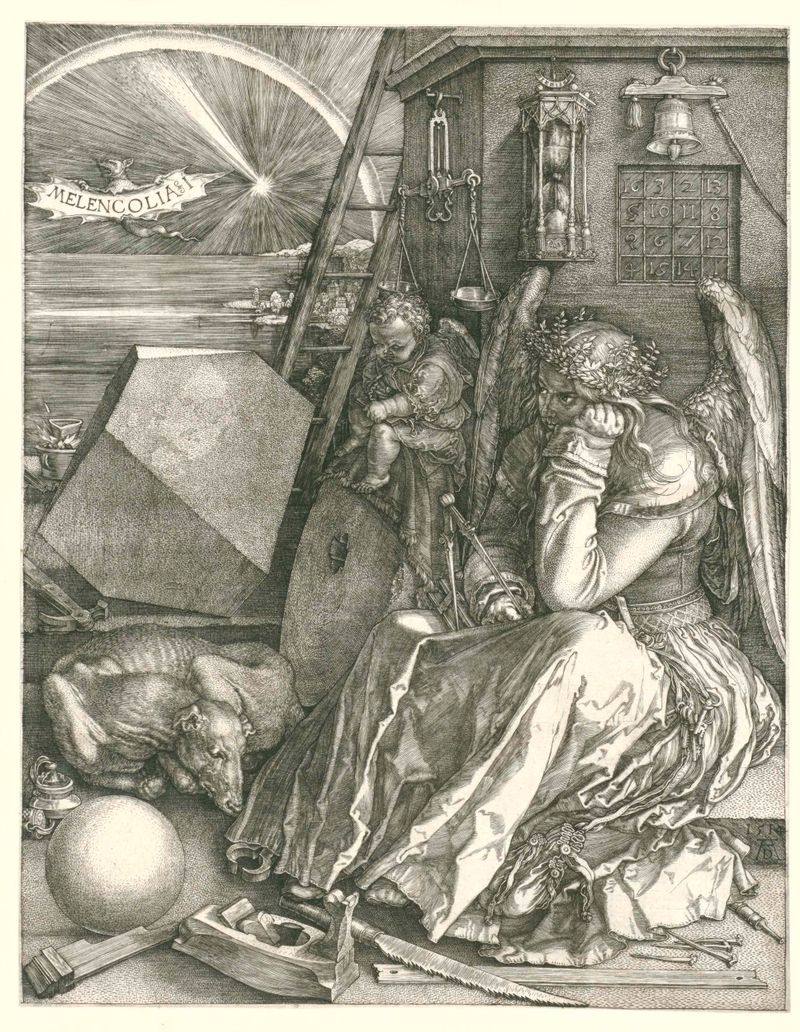
Melancholia
Albrecht Dürer
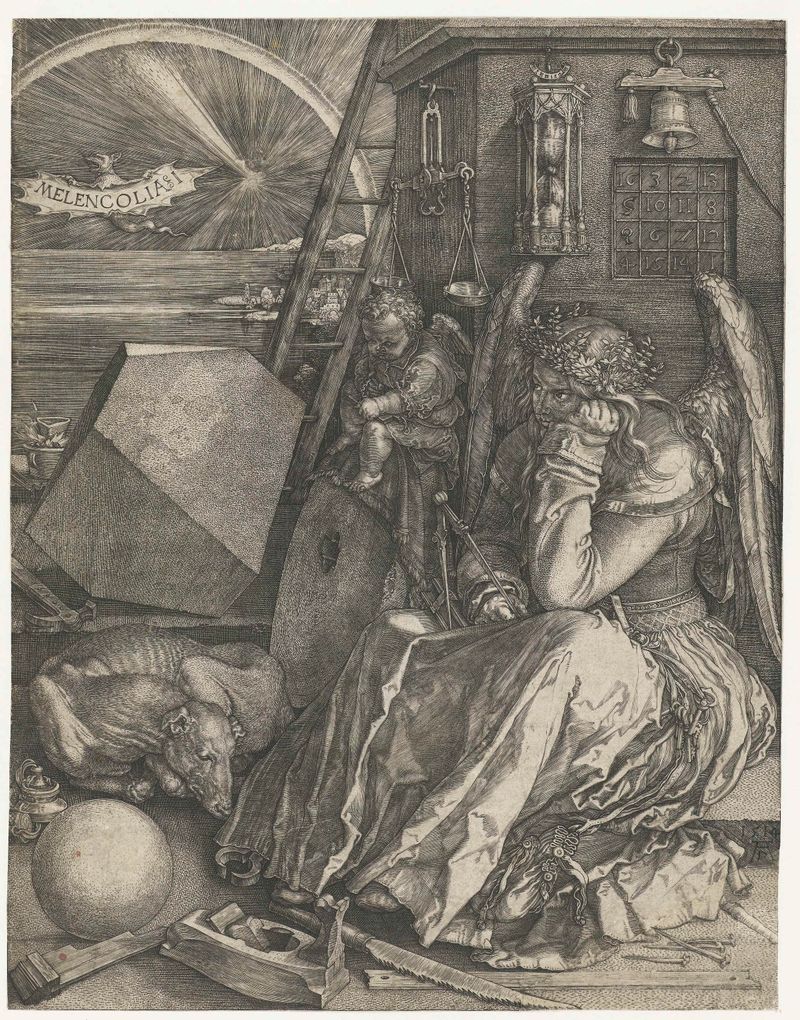
Melancholie
Albrecht Dürer

Neushoorn
Albrecht Dürer
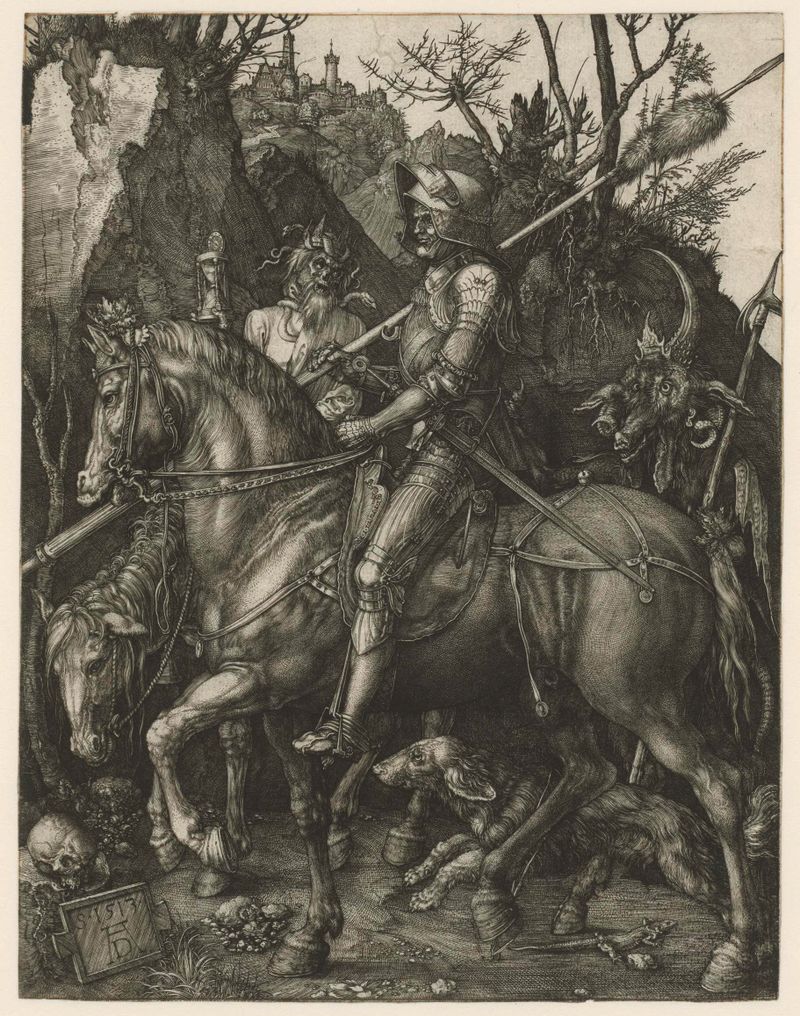
Knight, Death, and the Devil
Albrecht Dürer

De vier ruiters van de apocalyps
Albrecht Dürer

De vier ruiters van de apocalyps
Albrecht Dürer
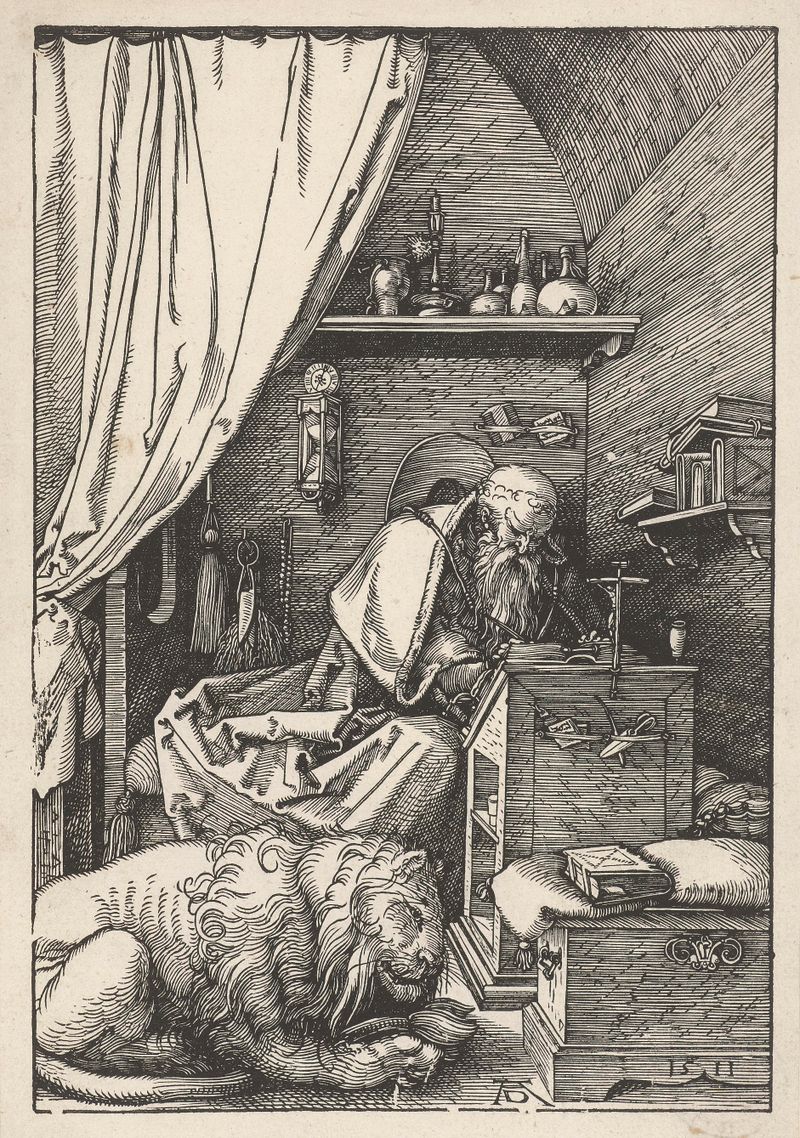
De Heilige Hiëronymus in zijn studeervertrek
Albrecht Dürer
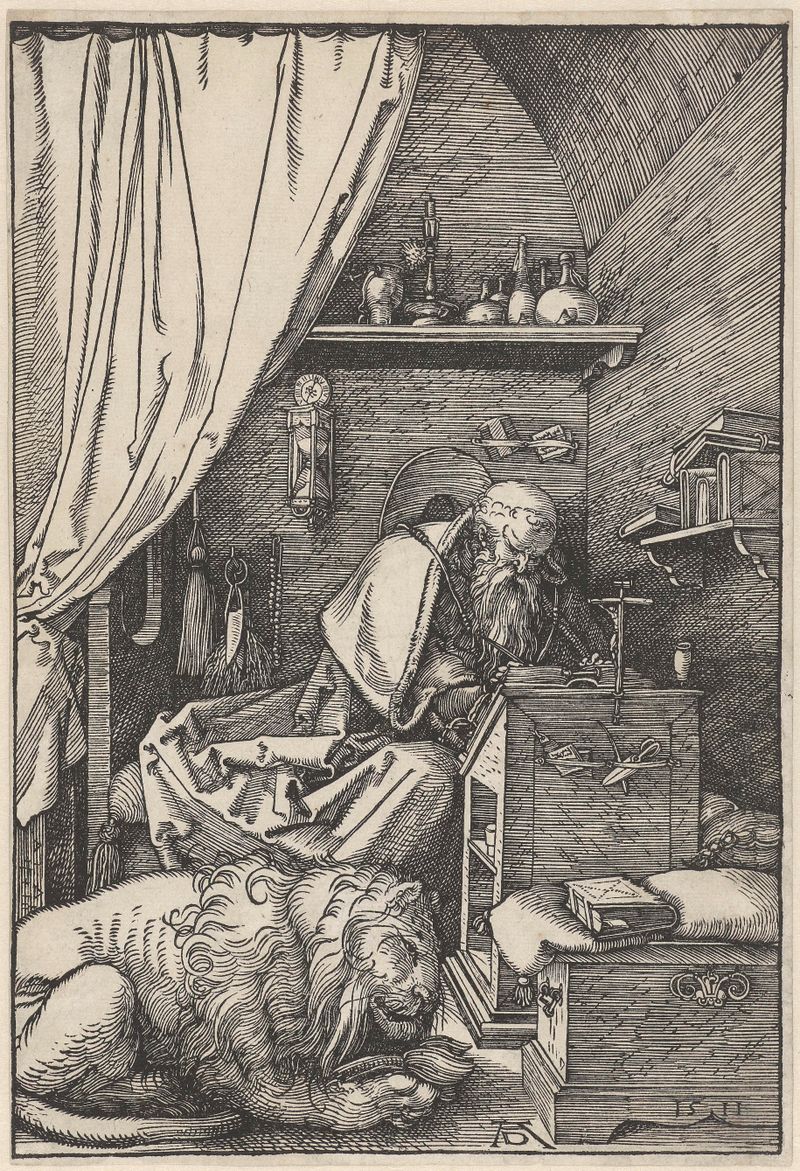
De Heilige Hiëronymus in zijn studeervertrek
Albrecht Dürer
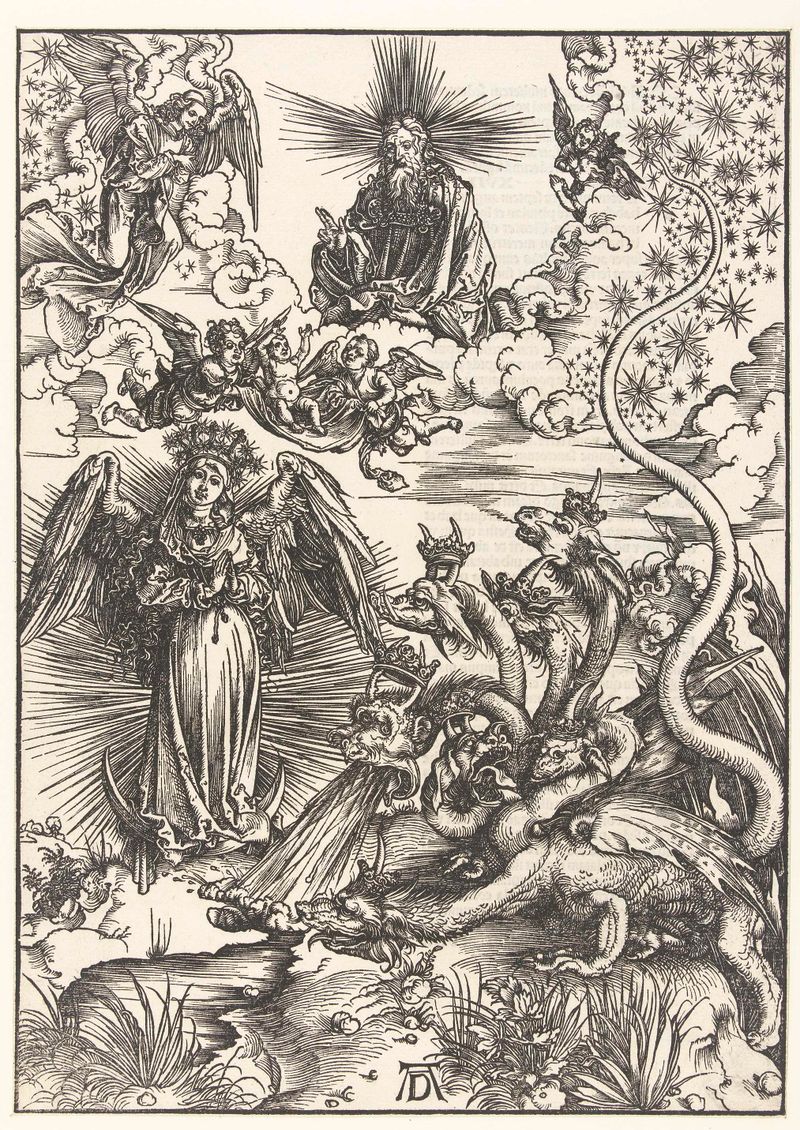
De apocalyptische vrouw en de zevenkoppige draak
Albrecht Dürer
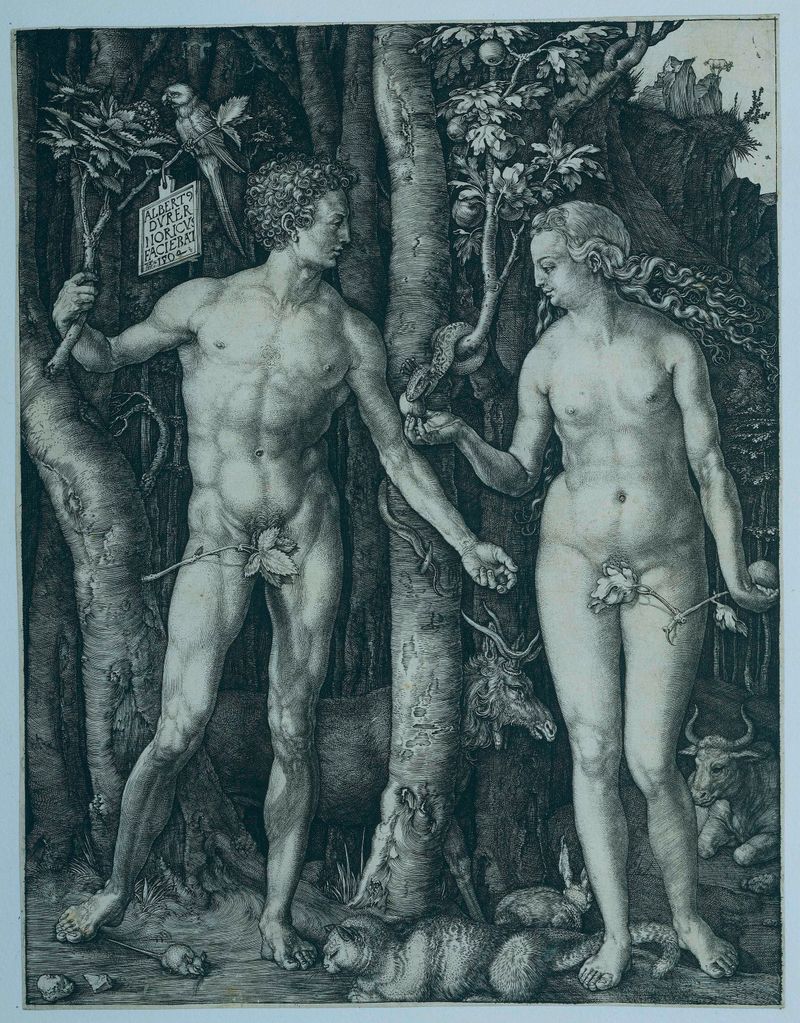
Adam en Eva
Albrecht Dürer
More Religious Art
Browse all →
The Return of the Prodigal Son
Rembrandt van Rijn

The Garden of Earthly Delights
El Bosco

Count Orgaz’ funeral
El Greco

The Hundred Guilder Print: the central piece with Christ preaching, the plate arched
Rembrandt van Rijn

The Descent from the Cross
Rogier van der Weyden

The return of the prodigal son
Rembrandt van Rijn