
Maria met kind op de maansikkel — History & Facts
In a world constantly moving forward, the act of capturing fleeting moments is an eternal yearning woven into the fabric of human existence. Look to the center of the composition, where a delicate figure of a woman cradles an infant, both figures poised gracefully against a luminous crescent moon. The soft, ethereal light imbues the scene with a dreamlike quality, emphasizing their serene connection. The warm tones of the figures contrast with the cooler hues of the night sky, drawing our eye to their intimate embrace while the stars shimmer faintly in the background. As we delve deeper, the juxtaposition of the moon's radiance and the shadows surrounding them speaks to the duality of desire—the yearning for both connection and solitude.
The mother’s gaze, filled with a mixture of tenderness and longing, mirrors the viewer’s own contemplation of love and loss. The child, bathed in light, symbolizes hope, innocence, and the continuation of life amidst the impermanence of existence. This artwork emerged between 1497 and 1501, a period of notable transition in Northern Renaissance art, characterized by an emphasis on naturalism and intricate detail. The artist, whose identity remains elusive, worked during an era marked by profound religious and cultural shifts.
Artistic innovation flourished, as creators sought to explore and express deeper human emotions, setting the stage for masterpieces that would resonate through the ages.
More Artworks by Unknown Artist
Browse all →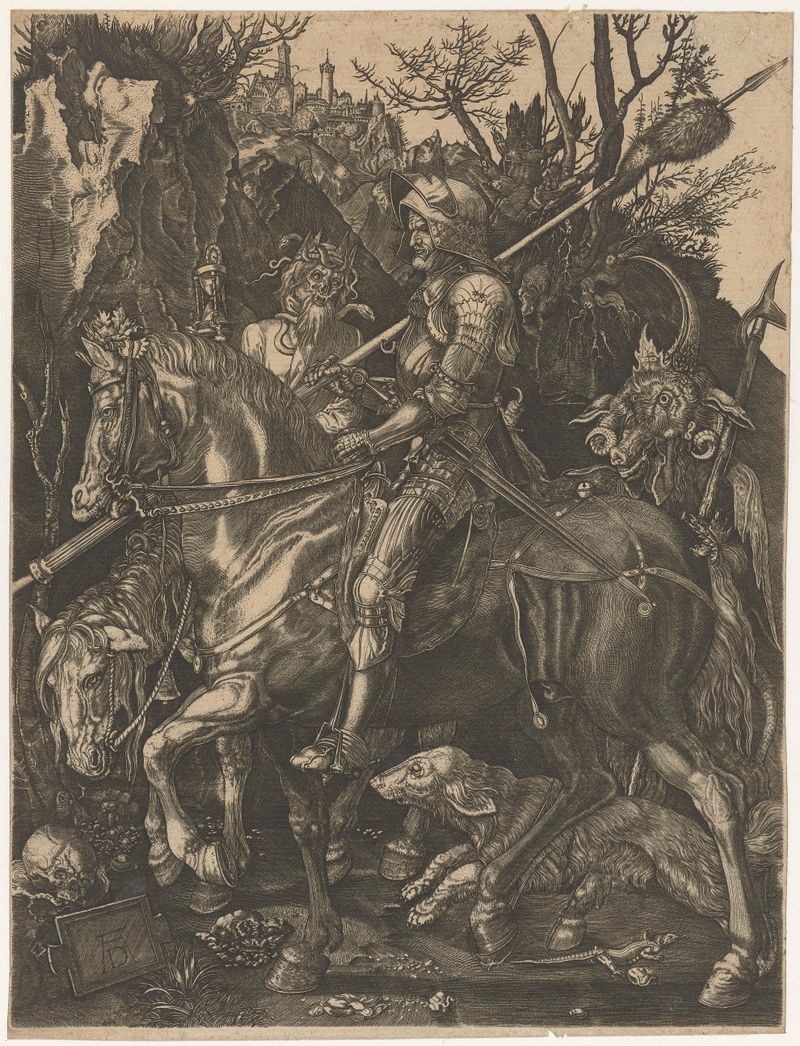
Ridder, Dood en Duivel
Unknown Artist
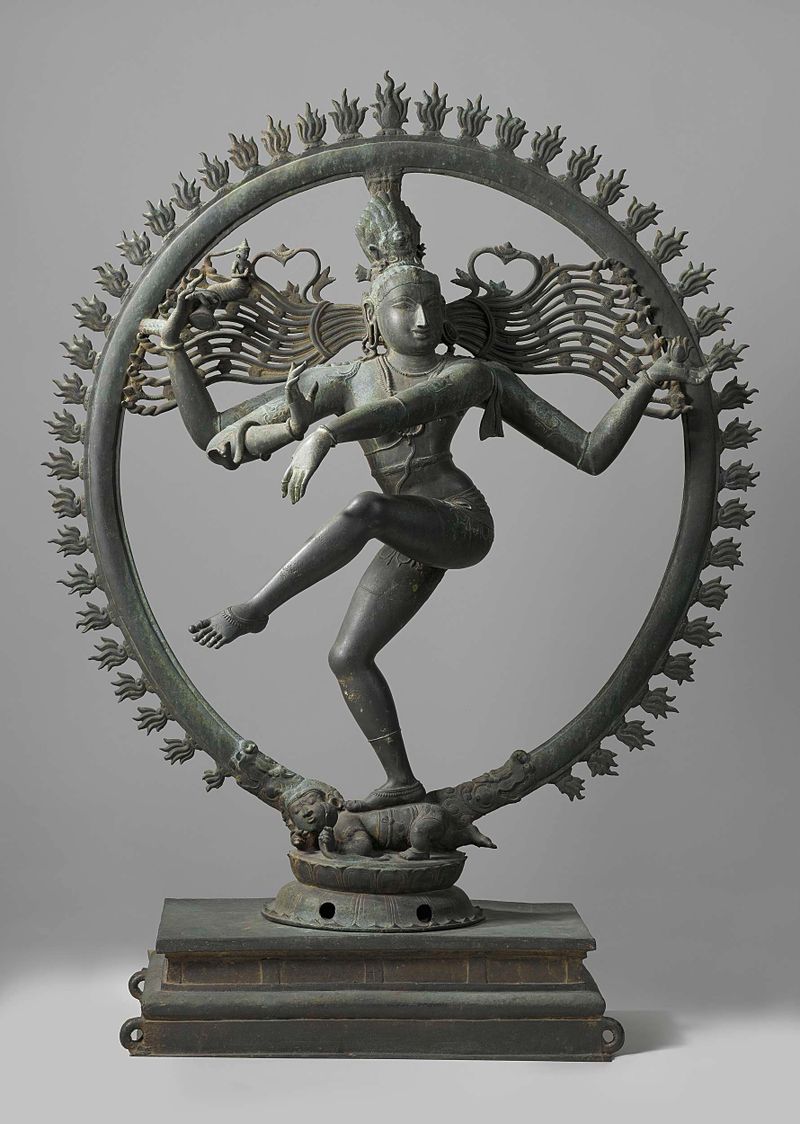
Shiva Nataraja
Unknown Artist
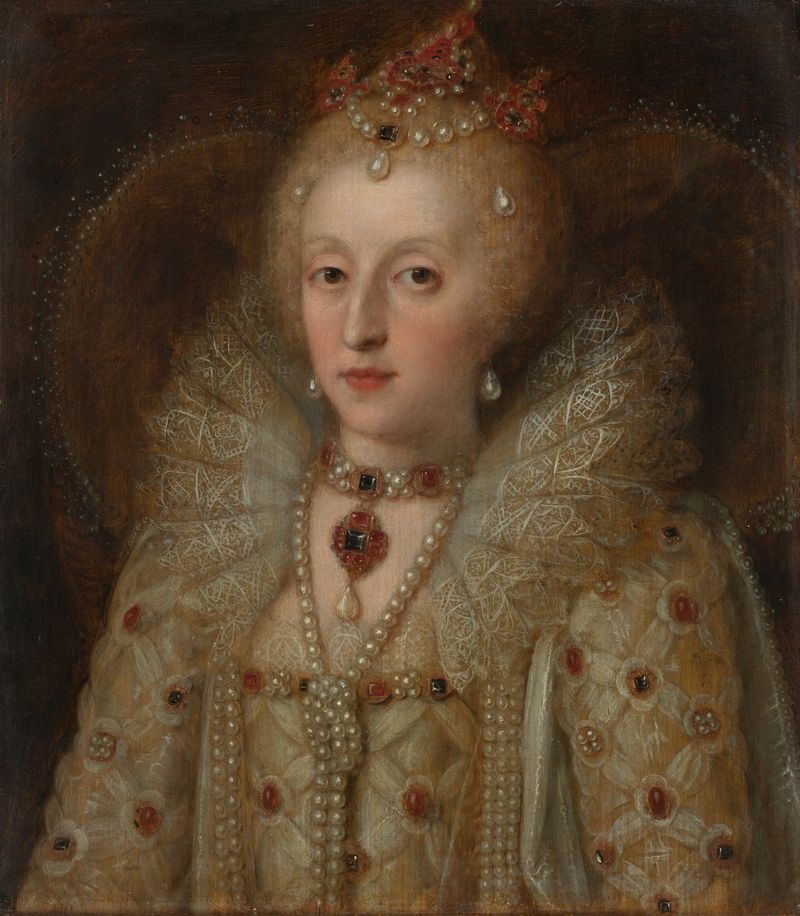
Portrait of Elizabeth I, Queen of England
Unknown Artist
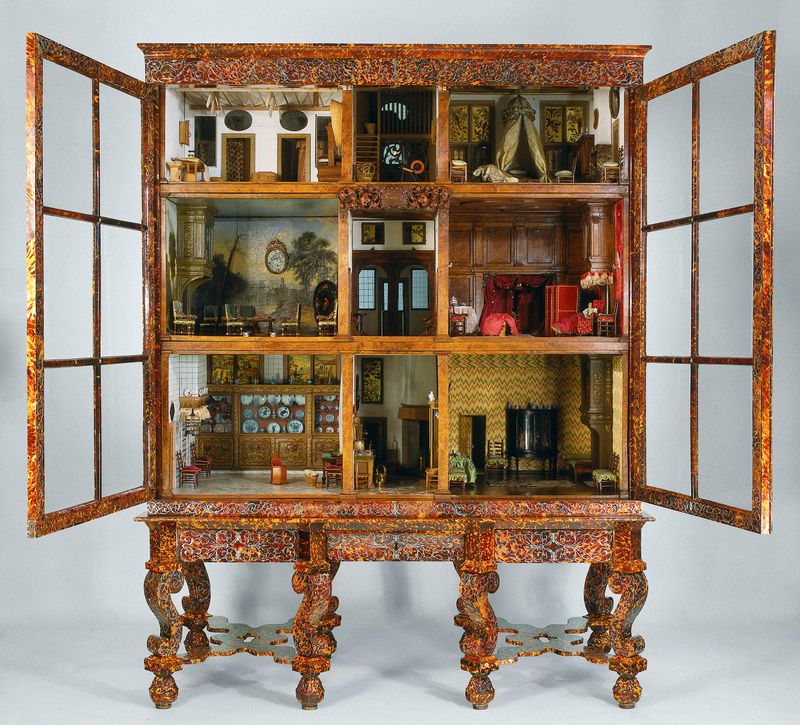
Dolls’ house of Petronella Oortman
Unknown Artist
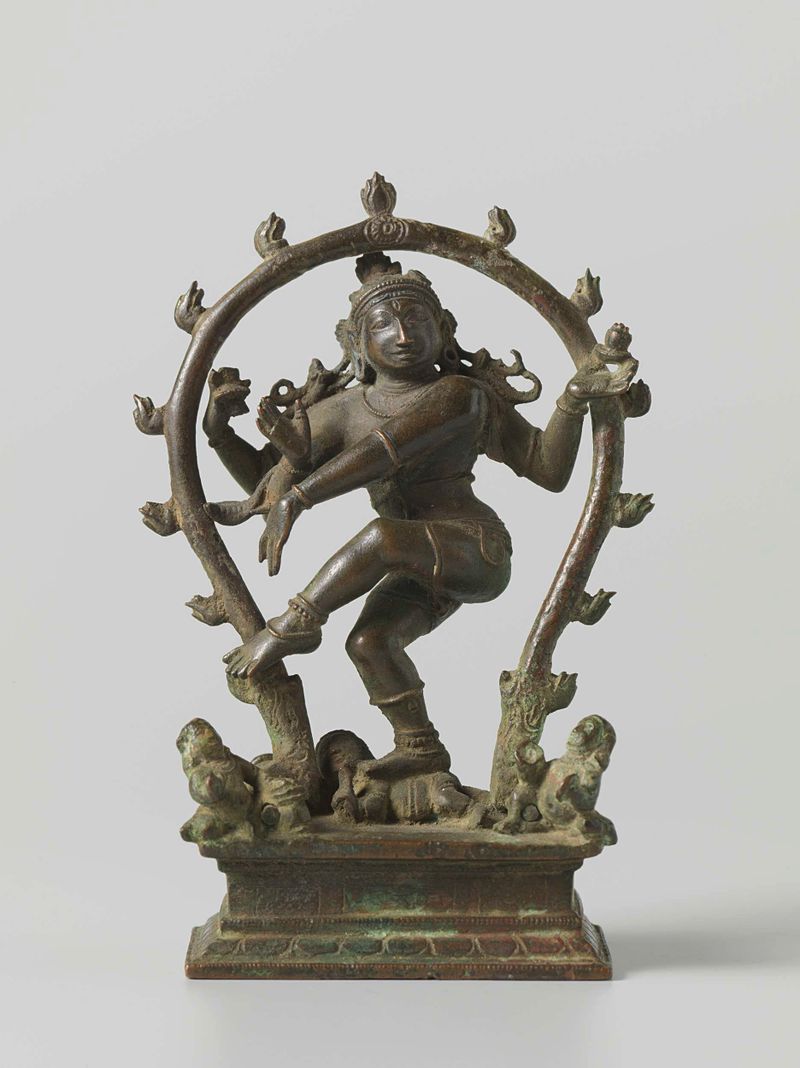
Shiva Nataraja
Unknown Artist

The Tale of Genji
Unknown Artist

The Tale of Genji
Unknown Artist
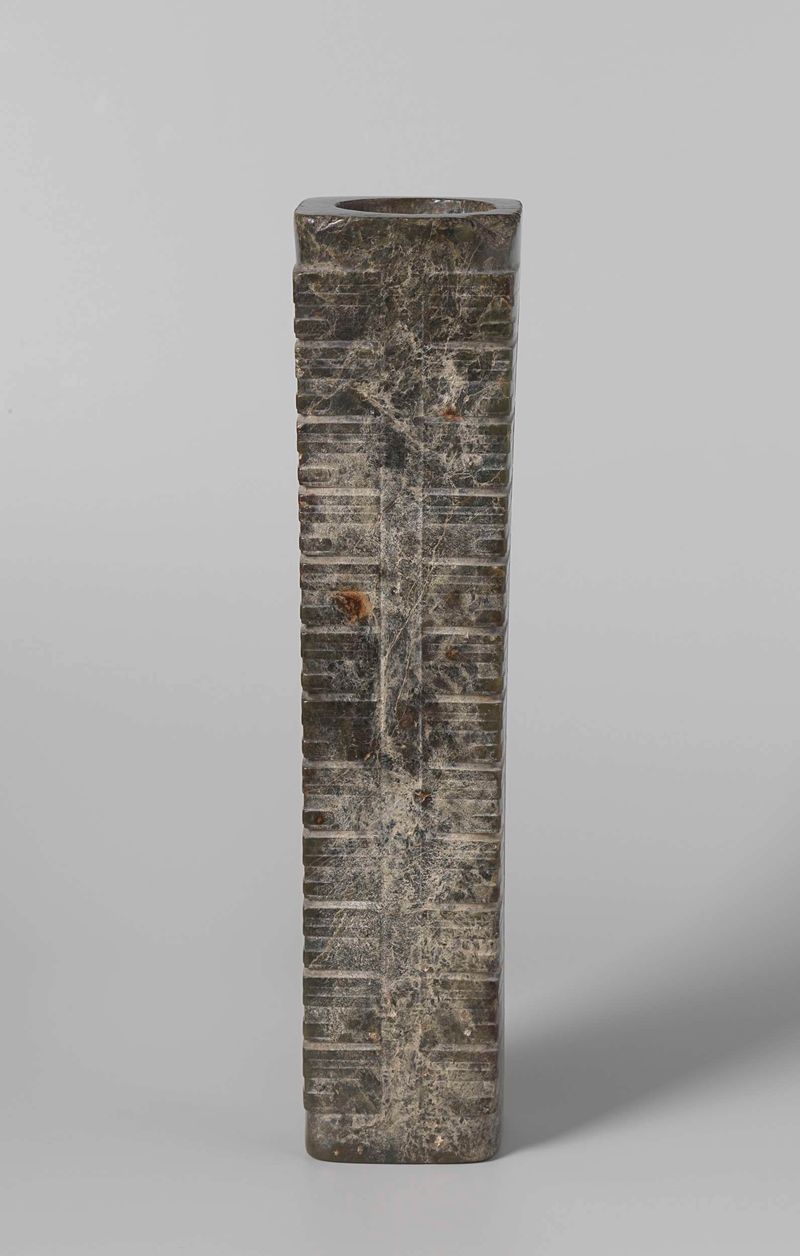
Cong
Unknown Artist
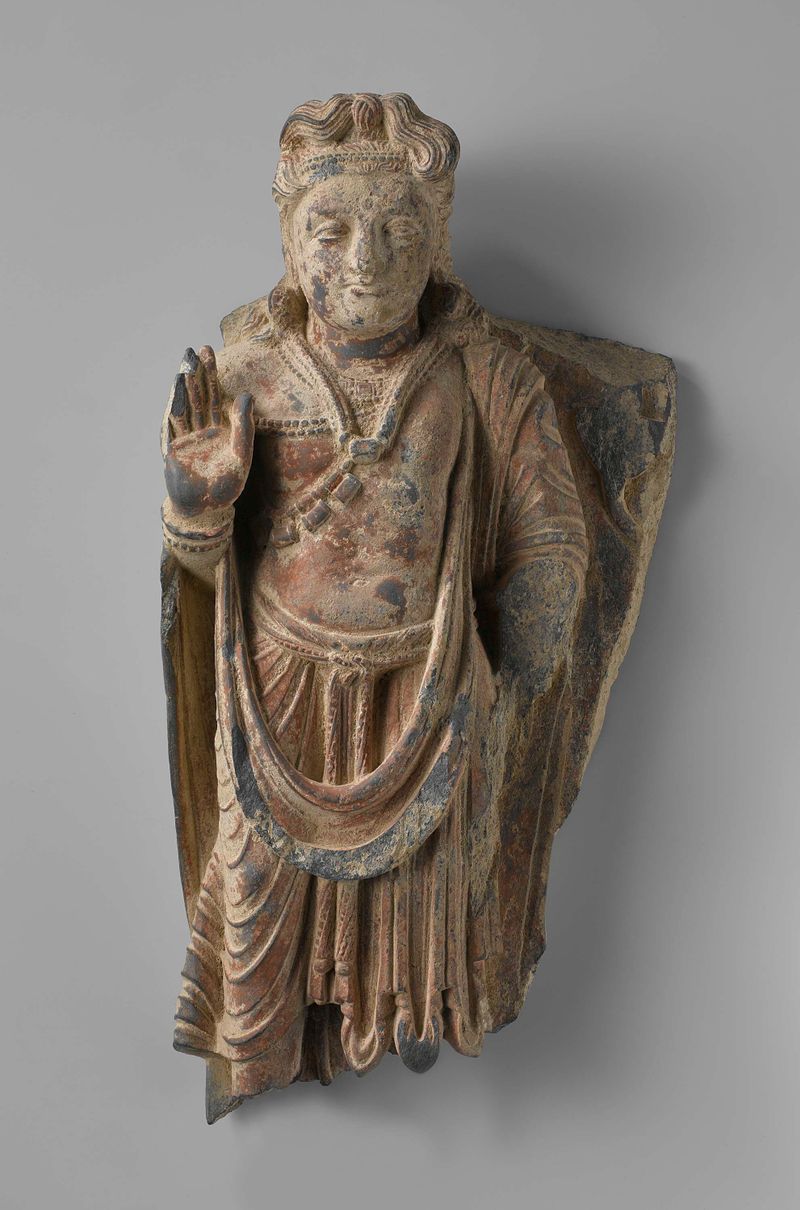
The bodhisattva Maitreya
Unknown Artist
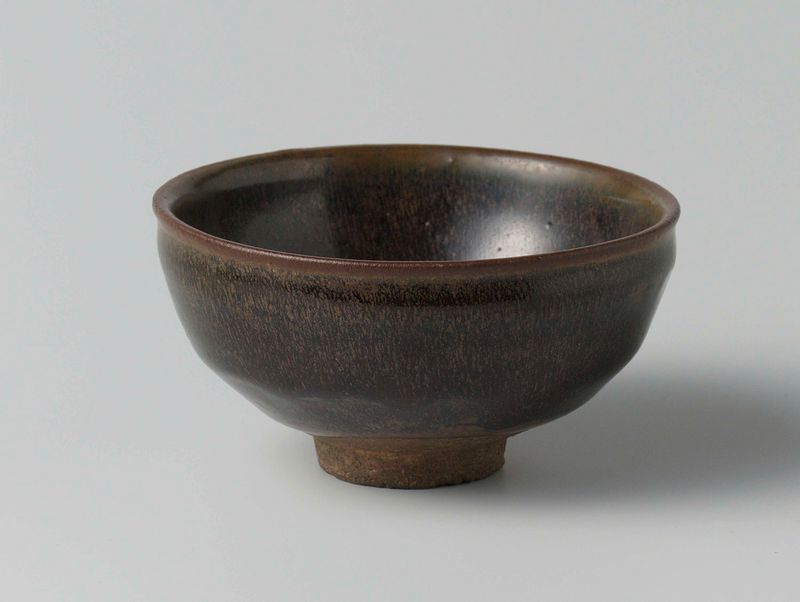
Teabowl with a 'hare's fur' glaze
Unknown Artist
More Religious Art
Browse all →
The Return of the Prodigal Son
Rembrandt van Rijn

The Garden of Earthly Delights
El Bosco

Count Orgaz’ funeral
El Greco

The Hundred Guilder Print: the central piece with Christ preaching, the plate arched
Rembrandt van Rijn

The Descent from the Cross
Rogier van der Weyden

The return of the prodigal son
Rembrandt van Rijn