
Mariko — History & Facts
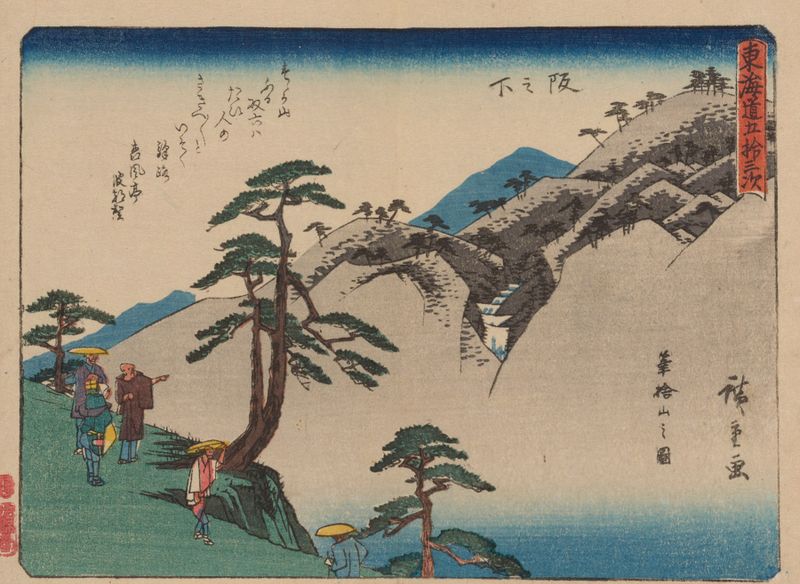
Did the painter know this moment would outlive them? In Mariko, the essence of fleeting beauty is captured in an exquisite interplay of nature and humanity, inviting us to ponder the revelations tucked within each brushstroke. Look to the right at the delicate figures of travelers, their silhouettes framed against the vibrant hues of a twilight sky. The warm oranges and soft blues meld seamlessly, guiding your gaze across the composition. Notice how the light falls upon the subtle curves of the mountains, echoing the gentle undulations of the flowing river below.
Each brushstroke reveals Hiroshige's masterful technique—his use of ukiyo-e woodblock printing creates a textured depth that invites the viewer to step into this tranquil moment. Beneath the serene surface, layers of meaning emerge. The travelers appear both connected and solitary, embodying the tension between companionship and solitude in life's journey. The river, a symbol of time's passage, reflects the transient nature of existence, while the distant mountains suggest permanence amidst the fleeting.
This juxtaposition captures the human experience—our pursuit of moments that feel eternal even as they slip away. During the years 1841–1842, Hiroshige was deeply engaged in his work in Edo (now Tokyo), a time when the ukiyo-e genre was flourishing as Japan opened to new ideas while grappling with its traditions. The artist's focus on landscapes and scenes from daily life resonated with an audience eager to find beauty in the everyday. This period marked a pivotal point in his career, allowing him to explore themes of nature and emotion that continue to resonate with viewers today.
More Artworks by Utagawa Hiroshige
Browse all →
Sudden Shower over Shin Ohashi Bridge and Atake (Ohashi Atake no yudachi), from the series "One Hundred Famous Views of Edo (Meisho Edo hyakkei)"
Utagawa Hiroshige
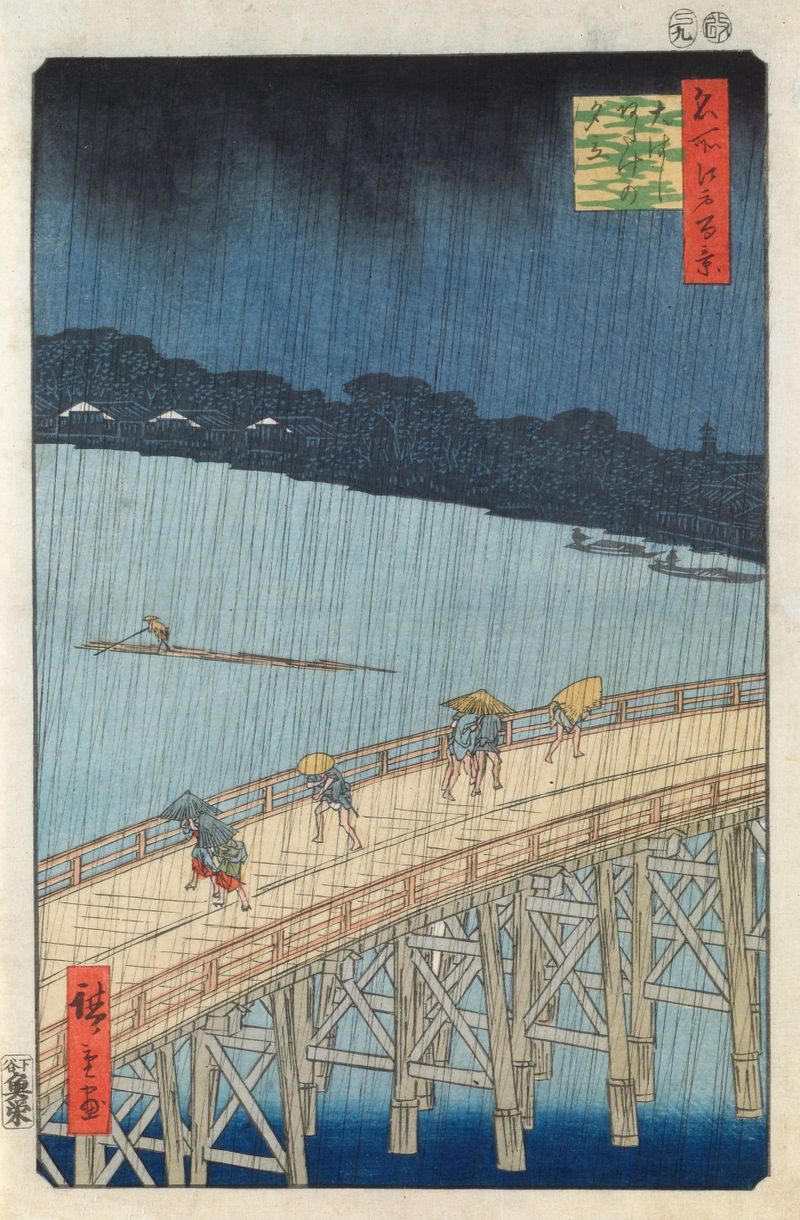
Sudden Shower Over Ohashi Bridge and Atake
Utagawa Hiroshige
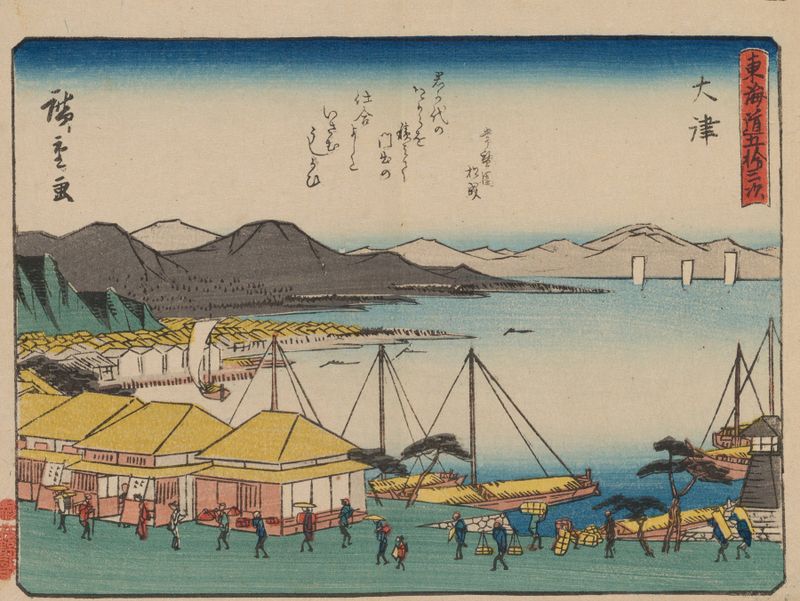
Tokaido gojusantsugi, Pl.54
Utagawa Hiroshige
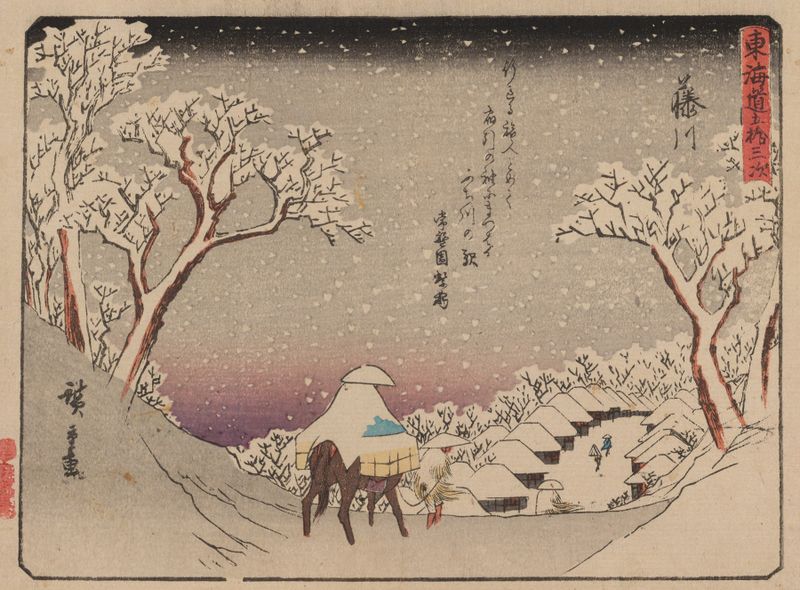
Tokaido gojusantsugi, Pl.38
Utagawa Hiroshige
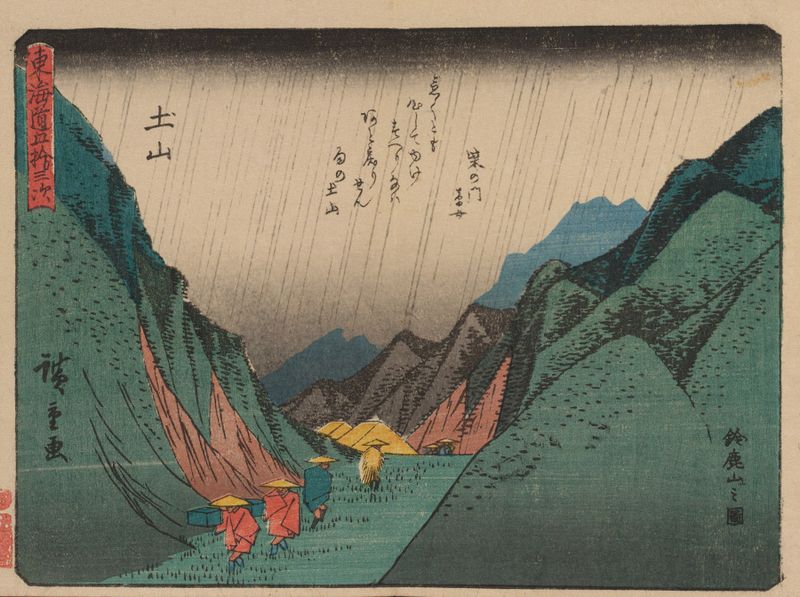
Tokaido gojusantsugi, Pl.50
Utagawa Hiroshige
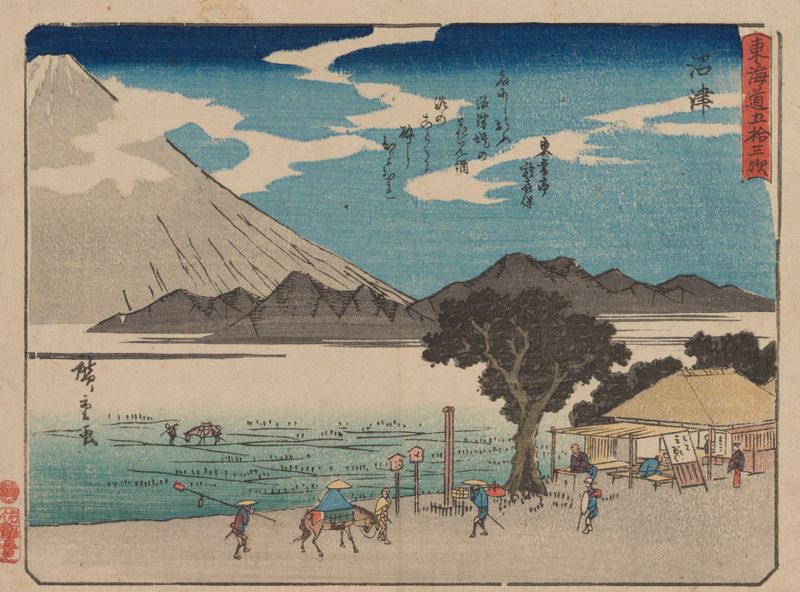
Tokaido gojusantsugi, Pl.13
Utagawa Hiroshige
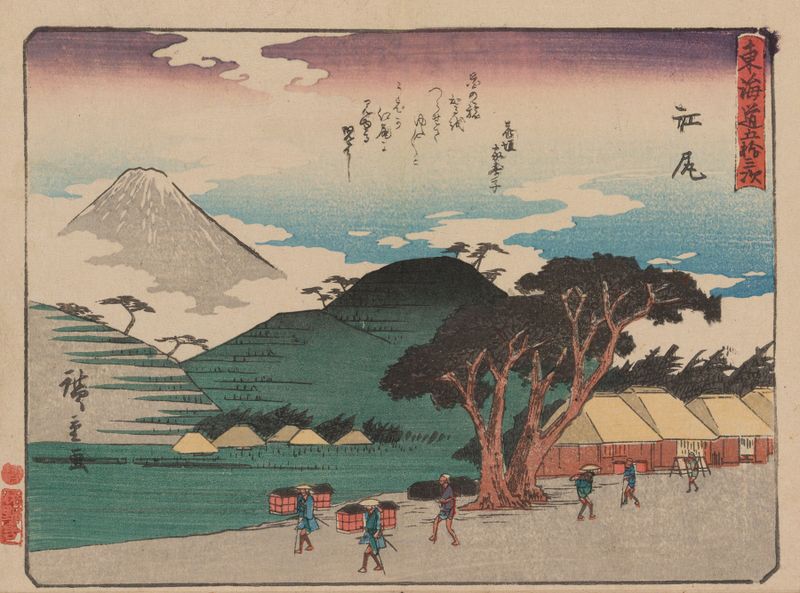
Tokaido gojusantsugi, Pl.19
Utagawa Hiroshige
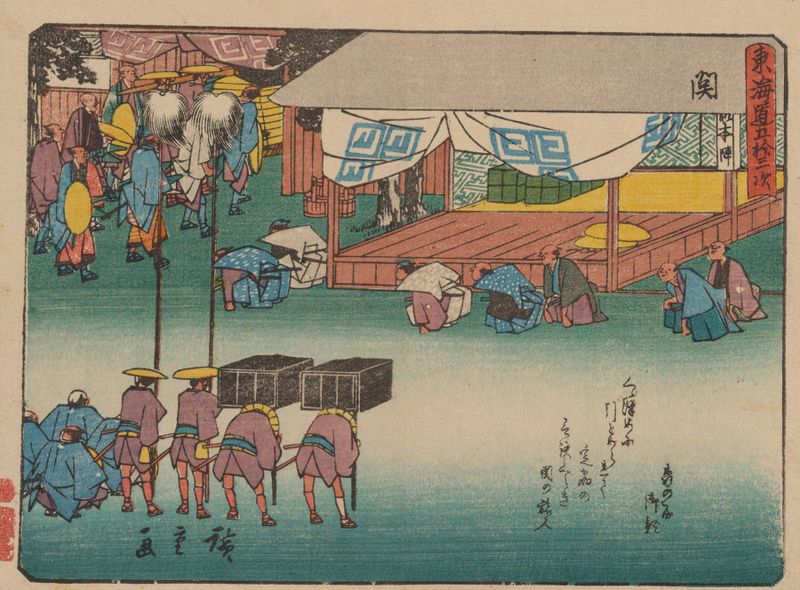
Tokaido gojusantsugi, Pl.48
Utagawa Hiroshige
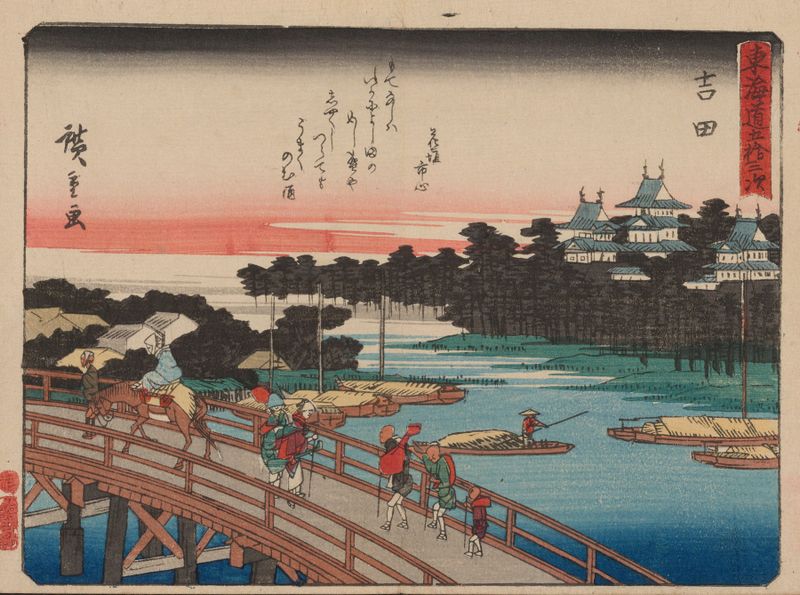
Tokaido gojusantsugi, Pl.35
Utagawa Hiroshige
Tokaido gojusantsugi, Pl.49
Utagawa Hiroshige





