
Marina piccola, Capri — History & Facts
Who listens when art speaks of silence? In Marina piccola, Capri, the stillness of a Mediterranean cove whispers stories of transformation, drawing viewers into its tranquil embrace. Focus on the azure waters that cradle the rocky shore; the delicate brushstrokes reveal a shimmering surface reflecting the sun's soft embrace. Notice how the cliffs rise majestically on the left, their rugged texture captured with a sense of both strength and fragility. The palette, a harmonious blend of blues and earthy tones, invites contemplation while the gentle undulation of the sea evokes a soothing rhythm, making it impossible to look away. In this serene setting, small details come alive — the distant fishing boats hint at the persistence of local life, while the fluttering seagulls speak of freedom amidst the weight of silence.
The contrast between the vibrant sea and the solid cliffs reflects the balance of human existence within nature’s vastness, reminding us of the transient beauty found in quiet moments. This scene is not just a place but a metaphor for transformation; it captures the essence of stillness as a catalyst for change. Edward Theodore Compton painted Marina piccola, Capri in 1874 during a time when he was deeply engaged with the natural beauty of coastal landscapes. Living in England but frequently traveling to Italy, he found inspiration in the interplay of light and color.
This period marked significant shifts in the art world, with a growing appreciation for plein air painting and a focus on capturing landscapes that convey emotion and atmosphere.
More Artworks by Edward Theodore Compton
Browse all →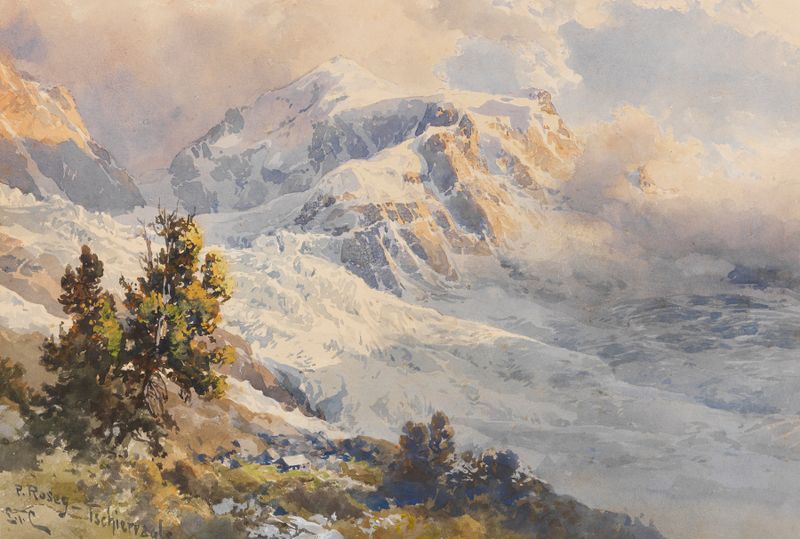
Piz Roseg – Tschiervagletscher
Edward Theodore Compton
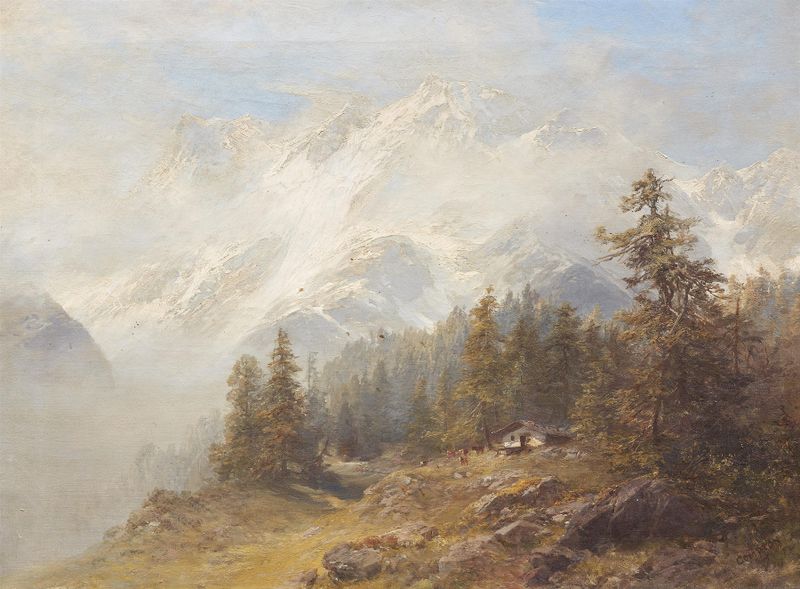
Alpenlandschaft vor schneebedecktem Massiv
Edward Theodore Compton
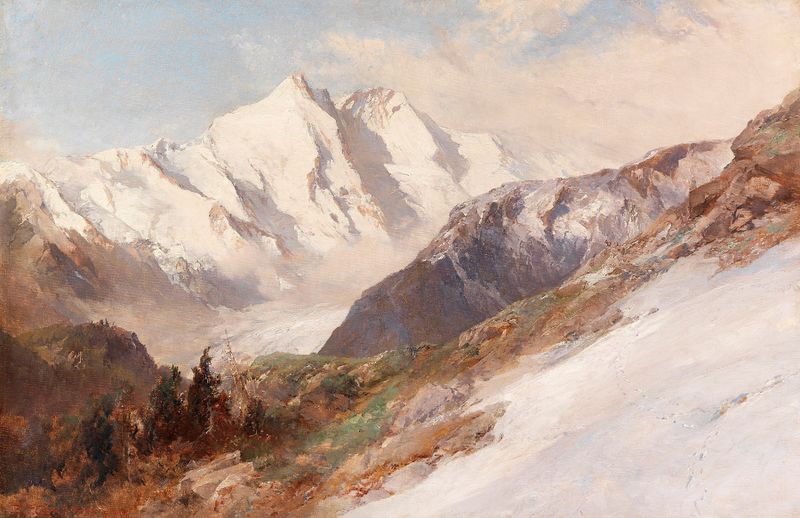
Blick auf die Nordseite des Großglockners
Edward Theodore Compton
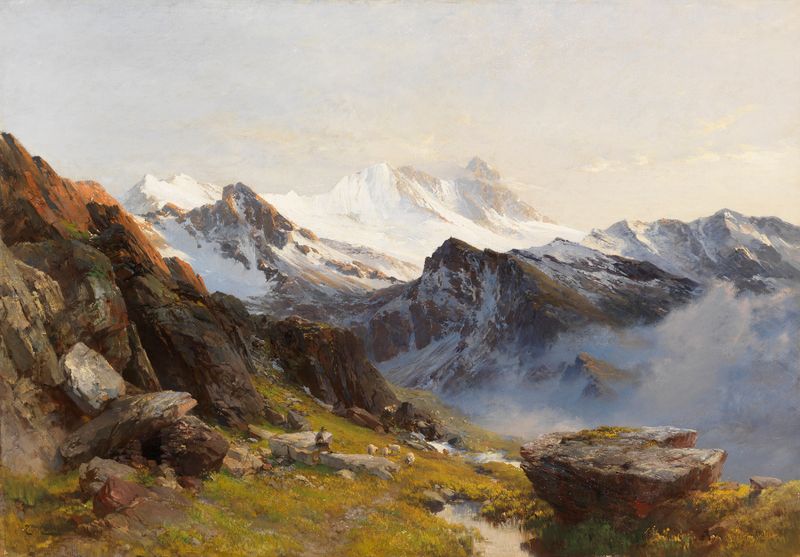
Großglockner von der Prager Hütte aus, früh
Edward Theodore Compton
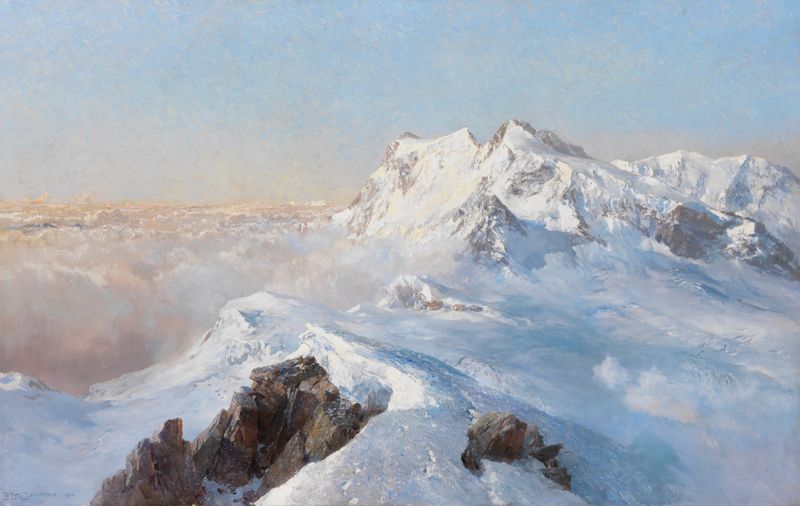
Über dem Nebelmeer (Monte Rosa vom Rimpfischhorn)
Edward Theodore Compton
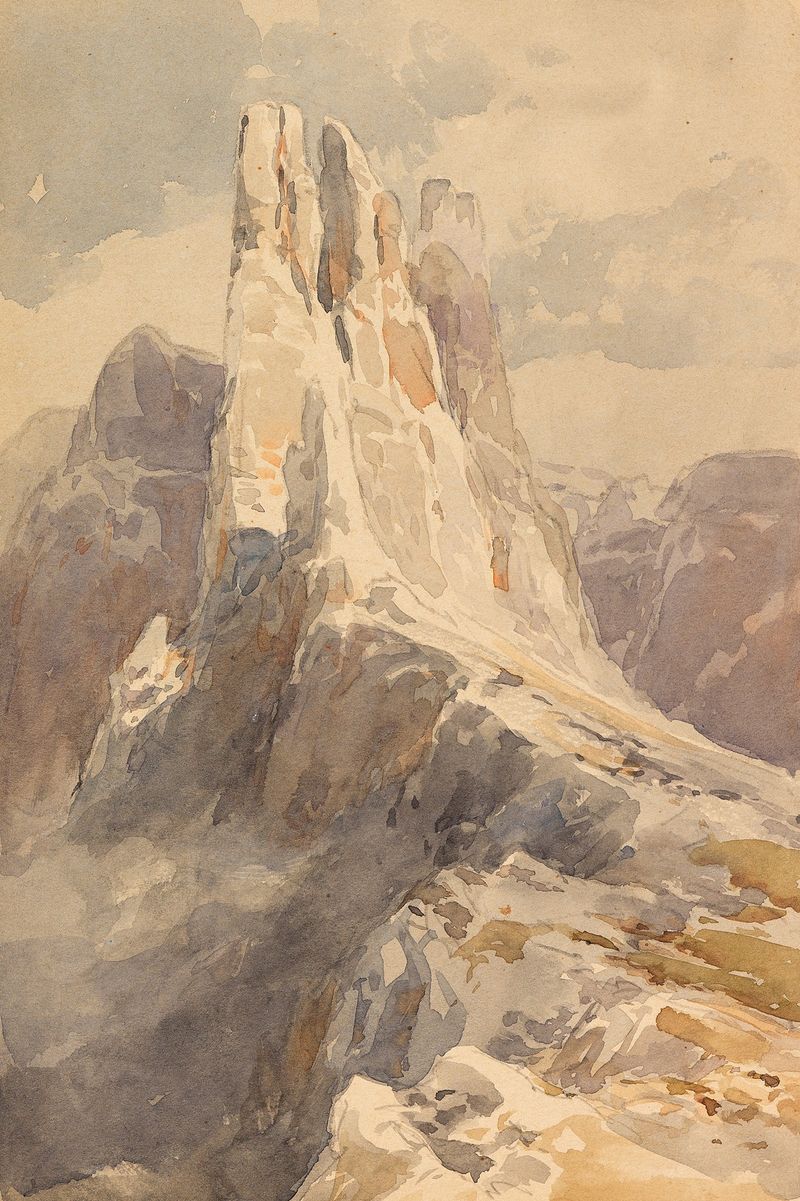
Blick auf die Vajolet-Türme in den Dolomiten
Edward Theodore Compton
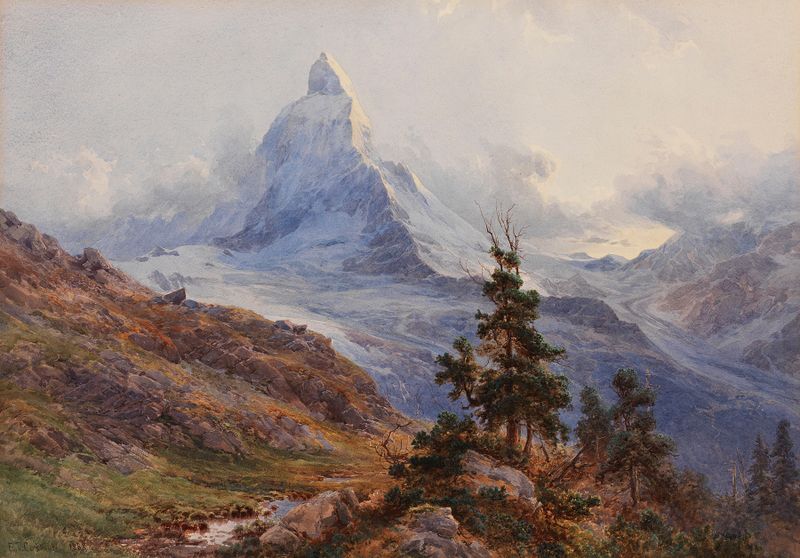
View of the Matterhorn
Edward Theodore Compton
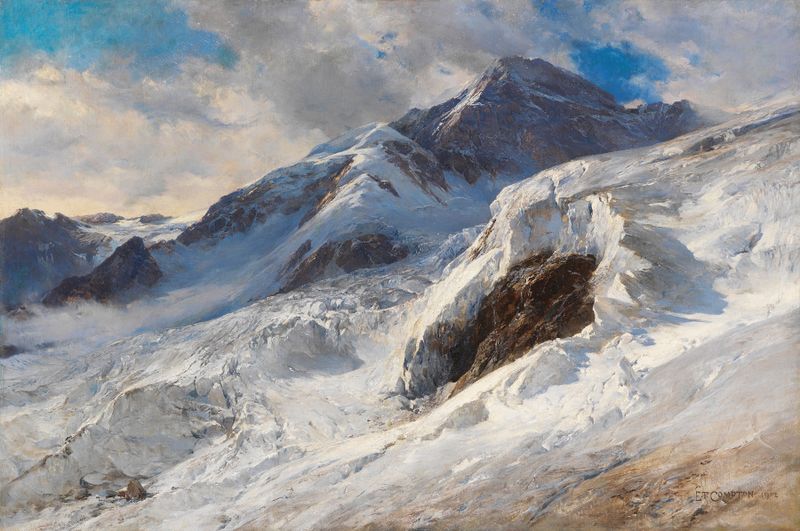
Lyskamm (Monte-Rosa)
Edward Theodore Compton
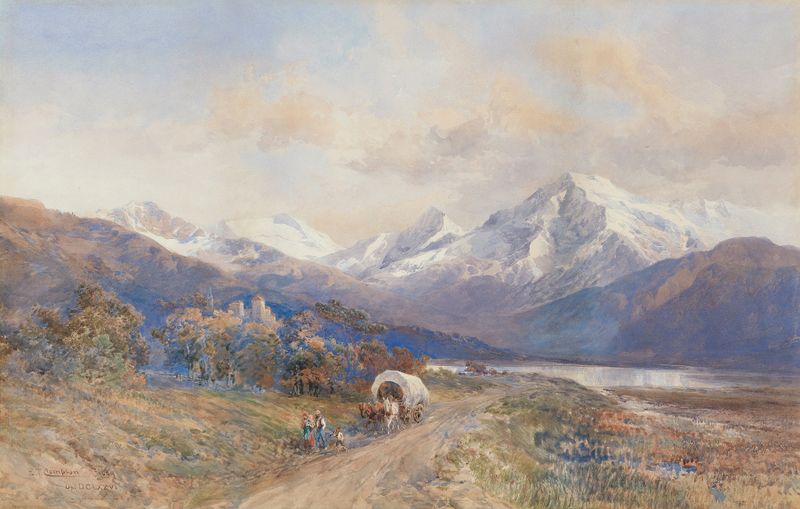
Blick auf den Ortler von St. Valentin
Edward Theodore Compton
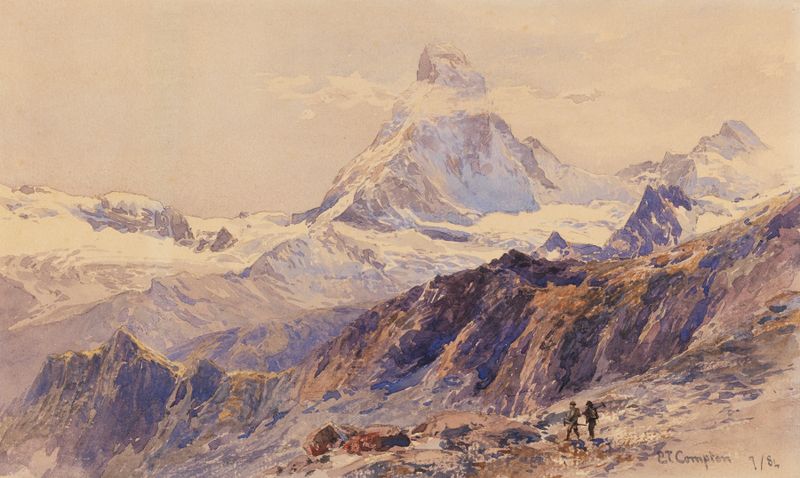
Das Matterhorn von der Triftkumme
Edward Theodore Compton





