Marine — History & Facts
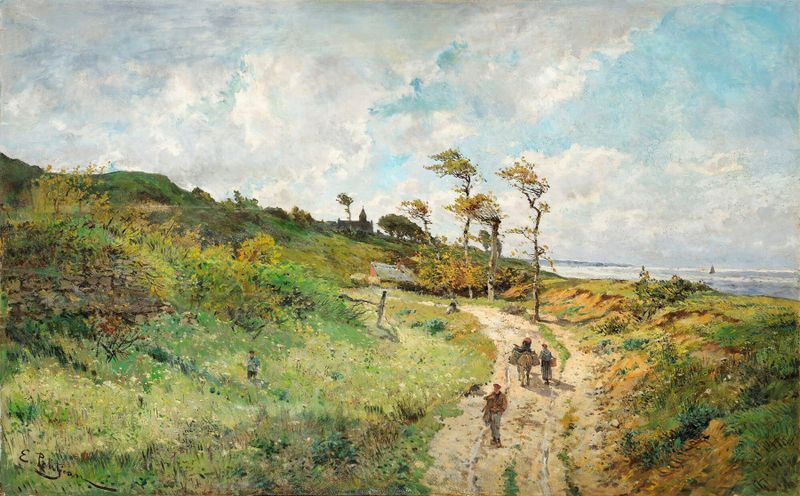
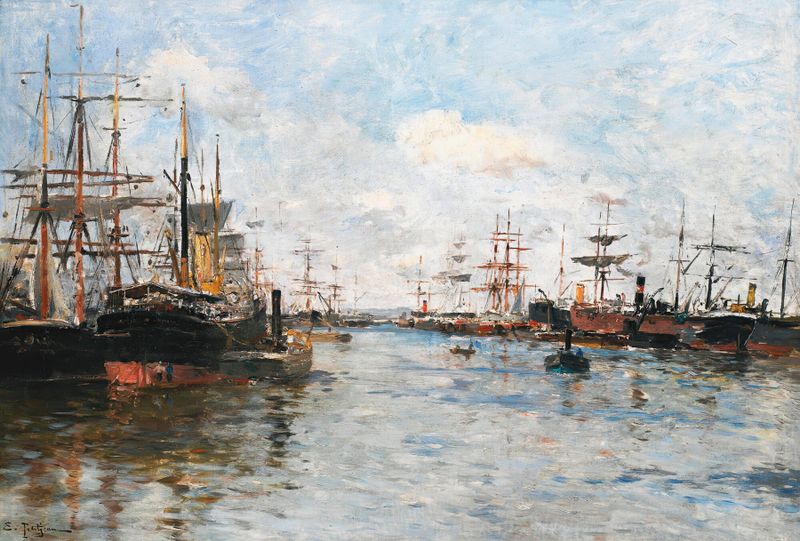
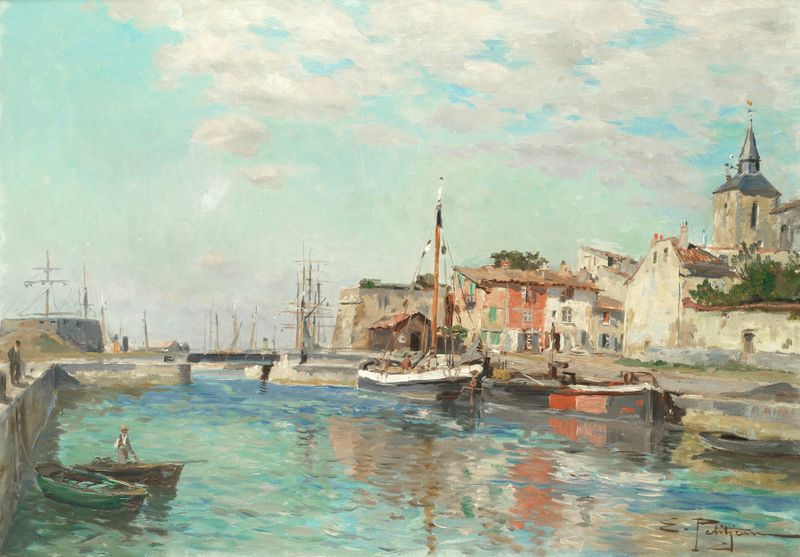
In the depths of decay, beauty and melancholy intertwine, inviting us to peer closer into the fragility of existence. Look to the canvas, where the horizon blurs into a gentle gradient of blues and grays. The water, a mirror of the fading sky, ripples softly, reflecting the muted light of twilight. Ethereal brush strokes meld the elements together, creating an atmosphere that feels both weighty and ephemeral.
Notice how the subtle variations of color evoke a sense of movement, guiding your gaze toward the distant shores, almost veiled in mist. The interplay of decay and tranquility pulses throughout the scene. Fragments of life—perhaps remnants washed ashore—hint at past vibrancy, now surrendering to nature’s relentless embrace. Each stroke seems to whisper of time passing, of memories lingering like shadows on a fading canvas, inviting the viewer to contemplate the transient beauty of what once was.
The calmness of the sea contrasts starkly with the inevitable decay, producing an emotional tension that resonates deeply. In 1889, Edmond-Marie Petitjean created this piece amidst a burgeoning interest in Impressionism, capturing the fleeting moments of nature's beauty. Living in France during an era of artistic revolution, he was exploring new techniques that diverged from traditional academic painting. The influence of light and color on perception was a central theme of his work, as he sought to evoke feelings tied to the profound depths of existence and decay.