Path By The Seaside — History & Facts
What secret hides in the quiet of the canvas? In the gentle embrace of a seaside path, we find an invitation to wander through a dreamscape where tranquility reigns and the whispers of nature beckon. Focus on the horizon where the soft pastels of dawn collide with the deep blues of the ocean. To your left, a meandering path leads the viewer's eye toward the unknown, flanked by blossoming wildflowers that seem to dance in the breeze. Notice how the light delicately catches the water’s surface, creating an ethereal glow that blurs the boundaries between land and sea, reality and reverie.
The brushstrokes evoke a sense of movement, as if the scene is alive, breathing in the salty air. Yet beneath this serene facade lies a deeper contrast. The path, while inviting, suggests both a journey and a choice — a metaphor for life's winding roads. The vibrant flowers symbolize hope and dreams, yet their ephemeral beauty reminds us of the transience of existence.
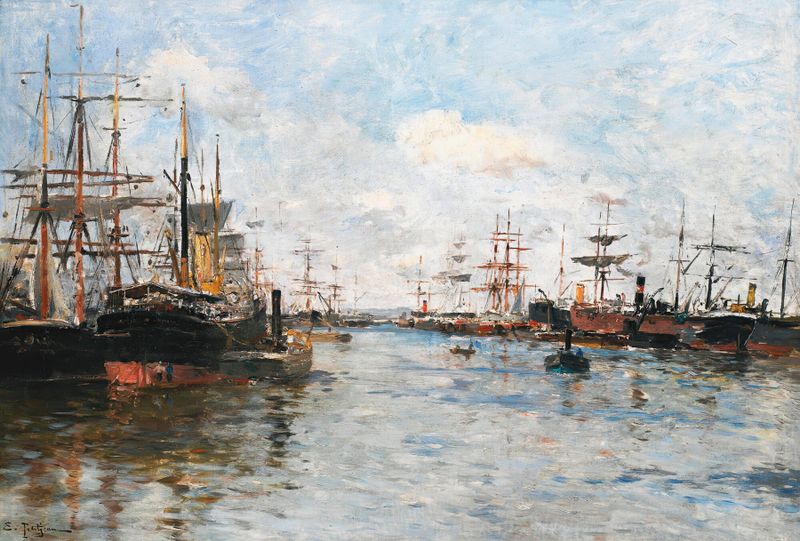
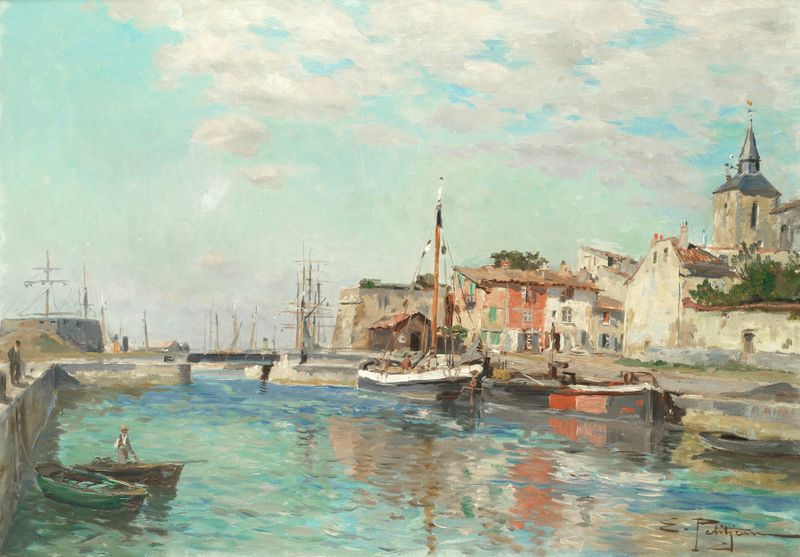
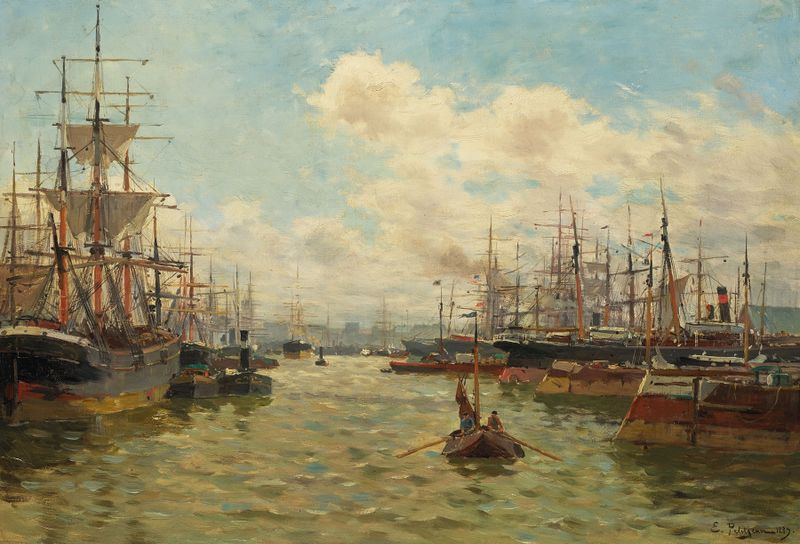
This interplay of beauty and fragility underscores the emotional gravity of the scene, inviting contemplation on what lay just beyond the horizon. Edmond-Marie Petitjean created this work during a period of artistic exploration, possibly in the late 19th century, a time when he was deeply influenced by Impressionism and its emphasis on light and color. While specifics about the exact date of Path By The Seaside remain elusive, it reflects the artist's desire to capture the ephemeral beauty of nature, embodying a philosophy that celebrated the simplicity and depth of the everyday landscape.