Markt in Sofia — History & Facts
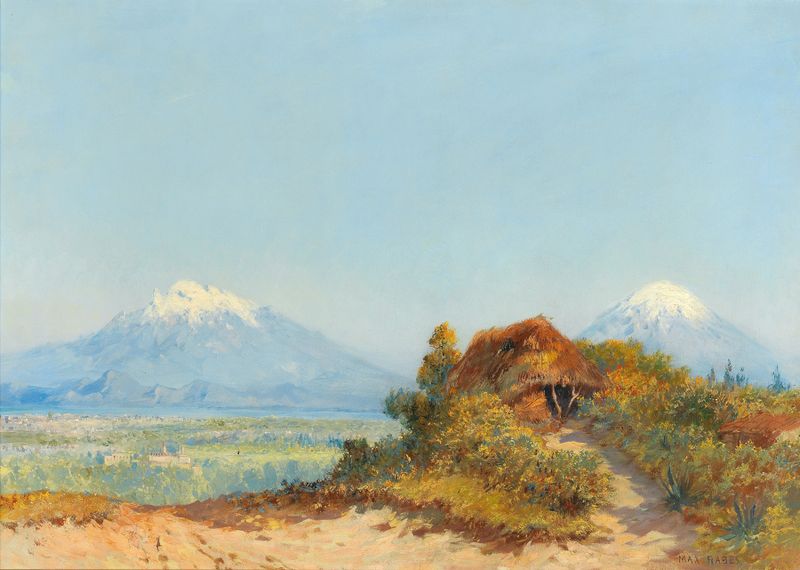
Could a single brushstroke hold eternity? In the chaotic embrace of urban life, fear and vibrancy intertwine, echoing in the contours of each figure, each shadow. Focus on the bustling market scene, where the eye is immediately drawn to the central figure, a vendor, whose face is etched with both weariness and determination. Notice how the warm, earthy palette breathes life into the canvas, with deep browns and muted greens reflecting the roughness of the cobblestones beneath. The light plays delicately, illuminating the seller's wares while casting elongated shadows that hint at the weight of uncertainty looming over the market. Hidden in the folds of this lively depiction are threads of anxiety that grip the scene.
The angular shapes and tight compositions evoke a sense of claustrophobia amidst the crowd, as if the figures are trapped within their own lives. There is a stark contrast between the jovial exchanges of the buyers and the underlying dread that permeates the atmosphere, suggesting a community grappling with broader societal fears. Look closely, and you'll find individuals subtly turned away from one another, their body language hinting at isolation even in a crowded space. The artist painted this work during a turbulent period in the early 20th century, when Europe was rife with socio-political upheaval.
Rabes, working from his studio in Germany, sought to capture the essence of urban life, reflecting not only the bustle of the marketplace but also the underlying tensions that defined the human experience of his time.