
Markttag — History & Facts
In the gentle embrace of decay, moments of life flicker, echoing the inevitability of change. How do we capture the ephemeral beauty of what once was, even as it slips through our fingers? Focus your gaze on the soft, muted colors that dominate the canvas, where shadowy hues blend seamlessly with the earth-toned textures. The arrangement draws you into a bustling market scene, where the faint outlines of figures meander among stalls, their faces partially obscured by time and wear.
The composition conveys a sense of movement, as the viewer's eye dances from the fading vegetables scattered across the ground to the fragile beauty of the aging structures that frame the scene. Within this bustling market, the subtle contrast between vibrancy and decay speaks to the transient nature of existence. The vibrant reds and greens of the produce serve as a stark reminder of life's vitality, juxtaposed against the weathered surfaces of the market stalls. This visual synergy invites contemplation on the cycle of life, how abundance ultimately yields to the passage of time, and the whispers of nostalgia that linger in the air. Created in a time of artistic upheaval, the painter was active in the late 19th century, a period marked by significant societal change and a growing interest in capturing everyday life.
The world was rapidly evolving, and as an artist, he sought to immortalize the fleeting moments that define human experience. In Markttag, we find a testament to the beauty of life as it fades, a reflection of both personal and collective memory woven into the fabric of the market's decay.
More Artworks by Emil Barbarini
Browse all →
Blick auf den Dobratsch
Emil Barbarini
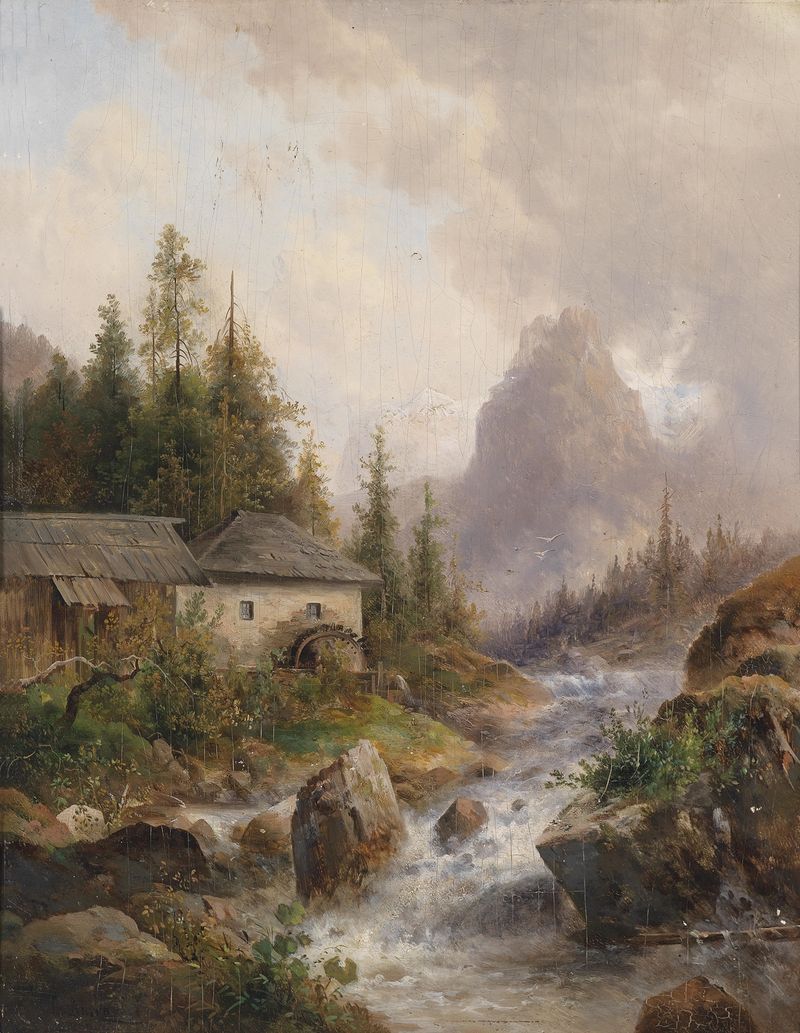
Mühle aus dem Hollthall
Emil Barbarini

Market before the Church of St. Charles, Vienna
Emil Barbarini

A flower market in Paris
Emil Barbarini

Der Haider See
Emil Barbarini
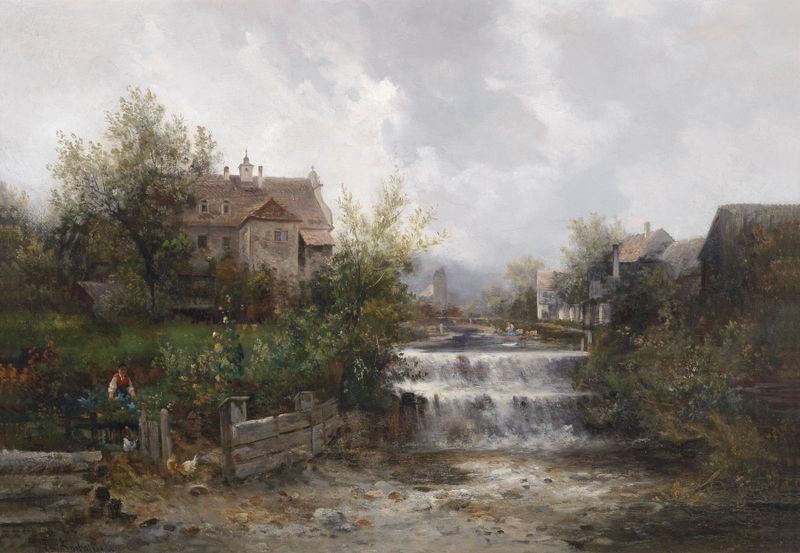
Motiv aus Zell an der Ybbs
Emil Barbarini

On the boulevard
Emil Barbarini
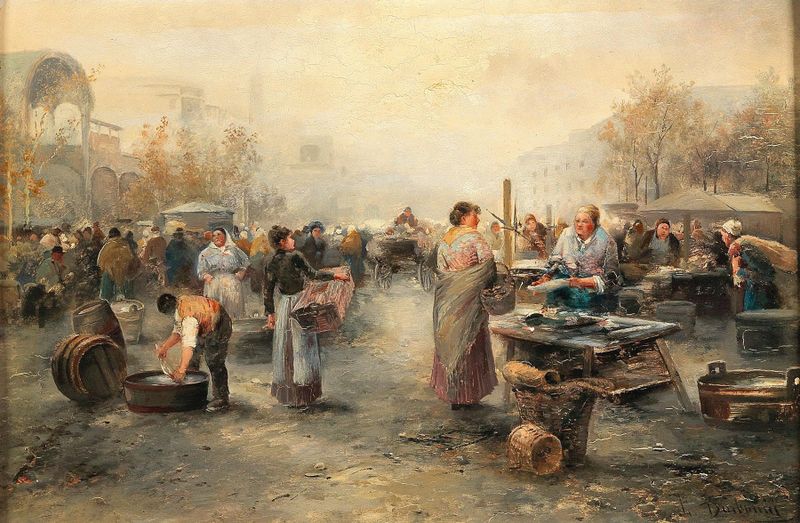
Fish Market
Emil Barbarini
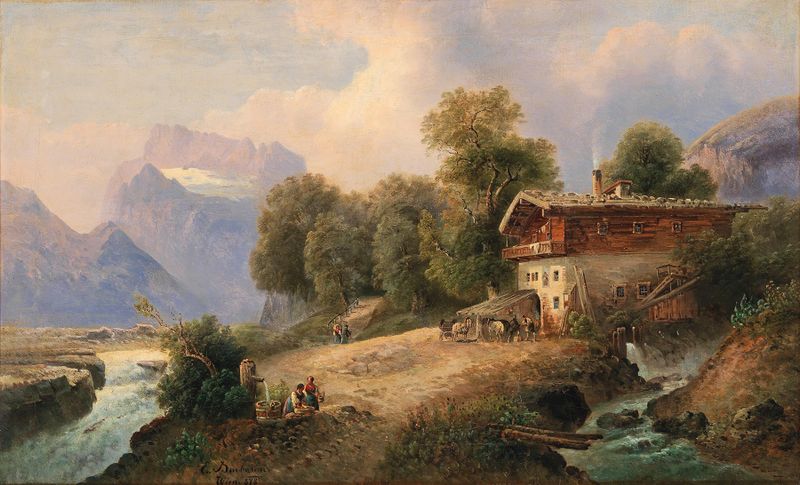
Bei Berchtesgaden
Emil Barbarini

Farmers with cattle
Emil Barbarini





