Meadow at Giverny — History & Facts
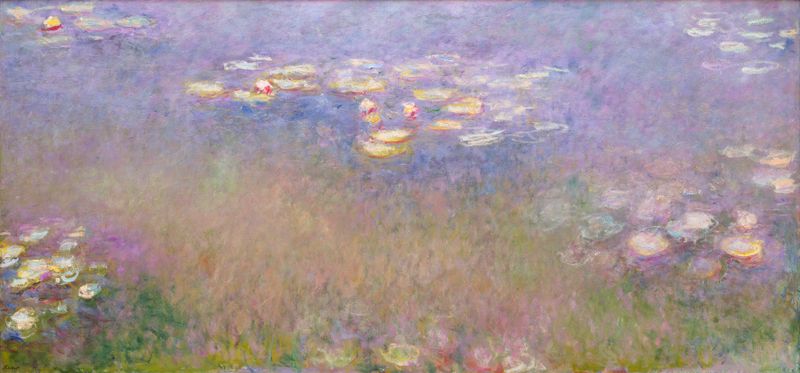
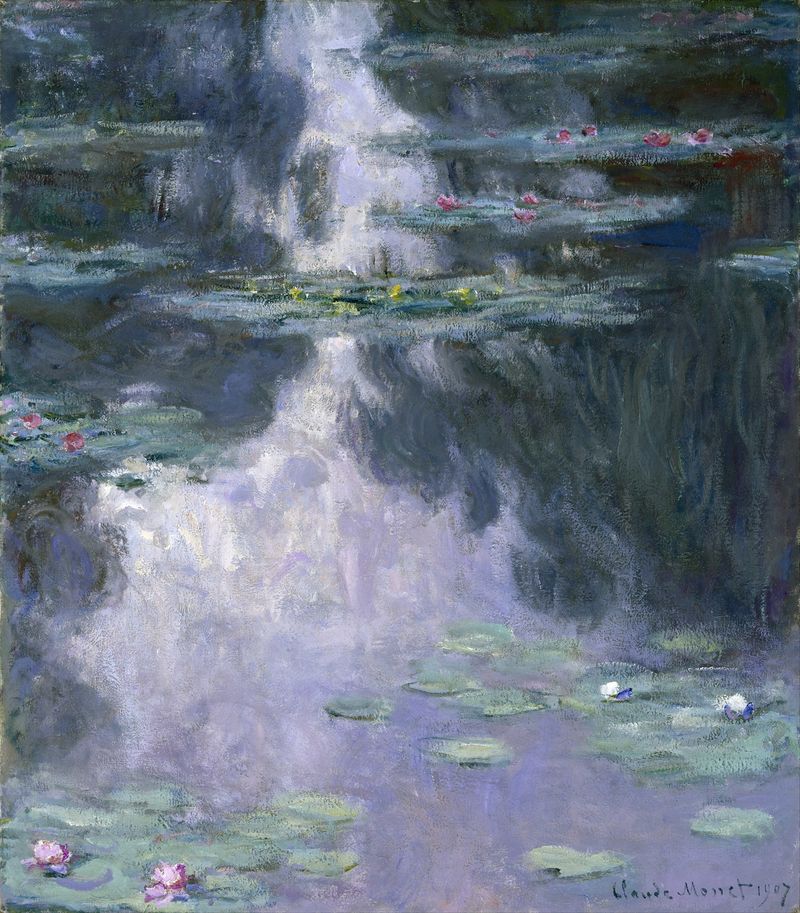
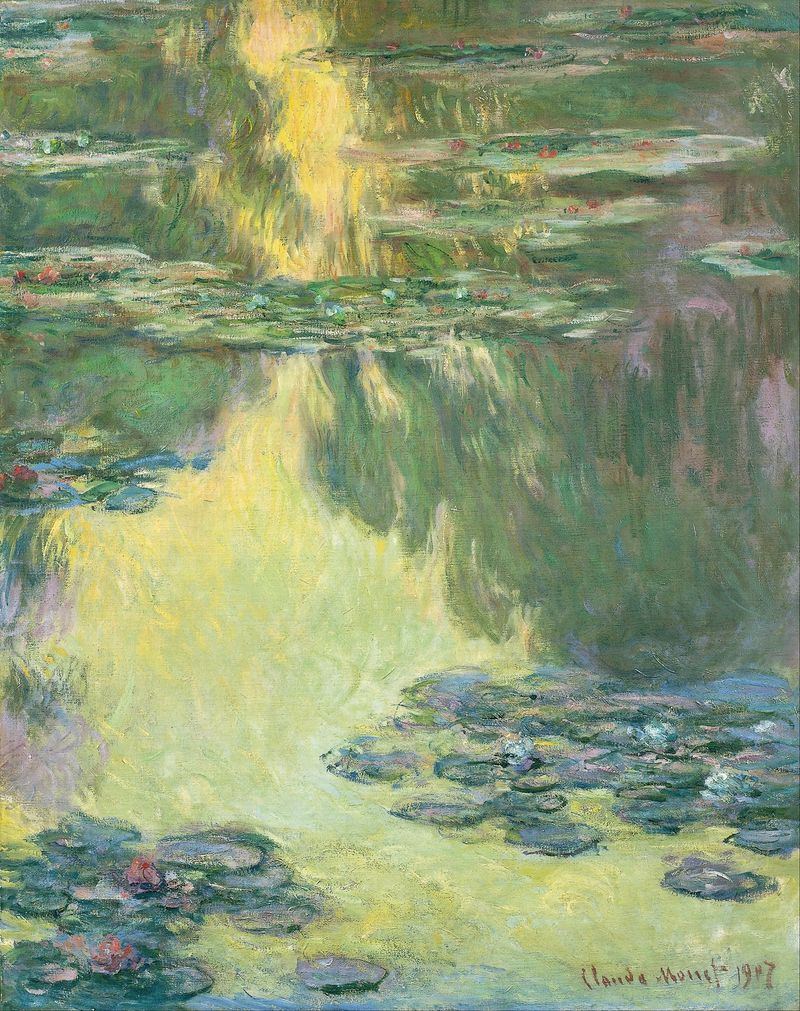
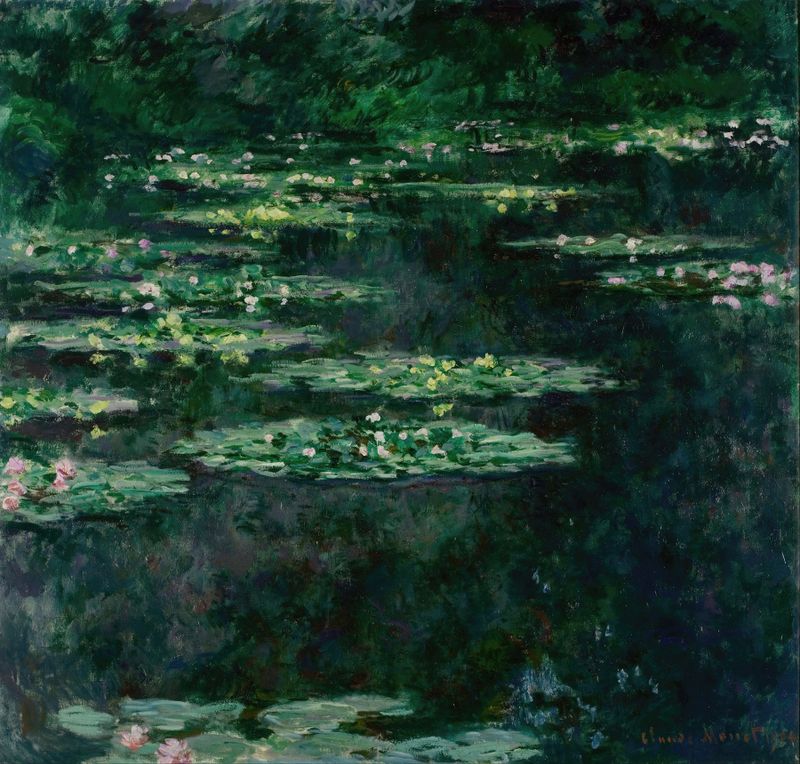
Did the painter know this moment would outlive them? As the dappled sunlight filters through the leaves, a world bursts alive, echoing a timeless nostalgia that transcends the fleeting moment of creation. Look to the left at the lush greens, where Monet's deft brushwork creates a sense of movement in the grass, inviting the viewer into this serene expanse. The gentle strokes weave together various shades of green, punctuated by splashes of color from wildflowers scattered across the meadow. Notice how the light plays across the canvas, not simply illuminating the scene but breathing life into it, reflecting the vibrancy of nature in a way that feels both intimate and expansive. In this tranquil scene, contrasts emerge—between shadow and light, stillness and the implied motion of the swaying grass.
The interplay evokes a feeling of fleeting time, a reminder of nature’s transient beauty. Each brushstroke carries whispers of memory, reflecting the artist's deep connection to his surroundings and hinting at the emotional weight of nostalgia inherent in the very act of painting. Created in 1894, this work emerged during a pivotal period for Claude Monet, who was deeply engaged in his quest to capture the essence of light and color. Living in Giverny, he was surrounded by an environment that inspired his revolutionary approach to impressionism, a movement that sought to convey the ephemeral qualities of nature.
During this time, Monet was solidifying his legacy, paving the way for a new artistic vision that would resonate far beyond his own life.