Meadow with Flowers — History & Facts
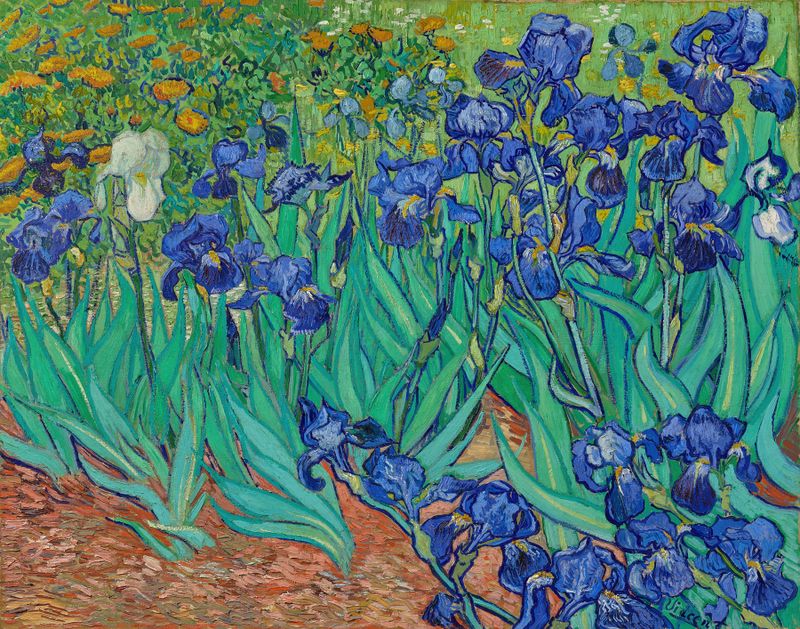
Where does light end, and longing begin? In the delicate balance of nature, beneath a serene facade, lies a world where beauty can be deceptive and yearning can be violent. Look to the foreground, where a riot of flowers bursts forth in a tapestry of colors, each bloom fighting for its place in the sun. Notice how the brushstrokes ripple across the canvas, evoking the gentle sway of petals in a soft breeze. The sunlight dapples the scene, casting a warm glow that dances on the vibrant reds and yellows, yet hints at the shadows lurking at the edges.
The composition invites the eye to wander, creating a sense of tranquility that subtly masks the underlying tension of existence. As you linger on details, the interplay between light and shadow reveals deeper emotional currents. The lush greens symbolize life and vitality, but they also evoke a longing for something elusive, perhaps a fleeting moment or lost time. The vibrant flowers, while alive, carry a hint of fragility, suggesting that beauty is often intertwined with the threat of decay.
This duality mirrors the human experience, where desire frequently clashes with the harshness of reality. Franz Xaver Gräßel painted this piece in 1904 during a time of significant change in Europe, as artists began to explore new movements and ideologies. Living in Germany, Gräßel was influenced by the burgeoning expressions of impressionism, yet remained tethered to traditional representations of nature. This work reflects his quest to capture the essence of fleeting beauty while navigating the turbulent emotions of his era, hinting at the complex relationship between art and the passage of time.