
Meisje met brief — History & Facts
What draws the eye first in Meisje met brief by Adriaan de Lelie is the gentle, unguarded pause in the young woman’s day—a moment suspended between thought and action. Her elbow rests on the table, fingers cradling her cheek, as if she is caught between the words she has just written and the ones she cannot quite bring herself to set down. The light, falling softly from the left, traces her face and bonnet, illuminating the delicate green ribbon and the crisp white of her collar.
On the table, a folded letter and an inkwell hint at recent or unfinished correspondence, while her other hand loosely holds a sheet, suggesting messages received or perhaps unsent drafts. The palette—warm reds, creamy whites, and the gentle play of shadow—invites the viewer into her private reverie, making us wonder at the story behind her thoughtful gaze. Works like this, painted in the spirit of late eighteenth- and early nineteenth-century Dutch portraiture, often served as intimate records of domestic life and personal sentiment. Artists such as Adriaan de Lelie were celebrated for their ability to capture not only likeness but also the subtle drama of everyday moments, appealing to a rising middle class eager to see their own experiences reflected in art.
While little is documented about this specific painting’s commission or journey, its presence today in the collection of Rijksmuseum Twenthe speaks to a continued appreciation for these quiet, narrative scenes. In an age marked by the spread of literacy and the importance of personal correspondence, the act of letter-writing became a favored subject, a symbol of introspection and connection. Look again at her expression, and consider what secrets or hopes might be sealed within that letter—her story, like the painting itself, remains open to the viewer’s imagination.
More Artworks by Adriaan de Lelie
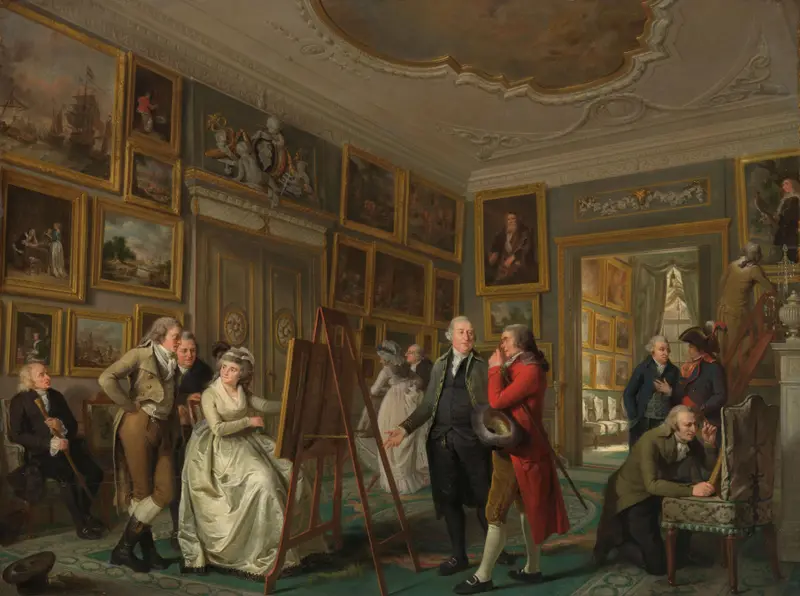
The Art Gallery of Jan Gildemeester Jansz
Adriaan de Lelie
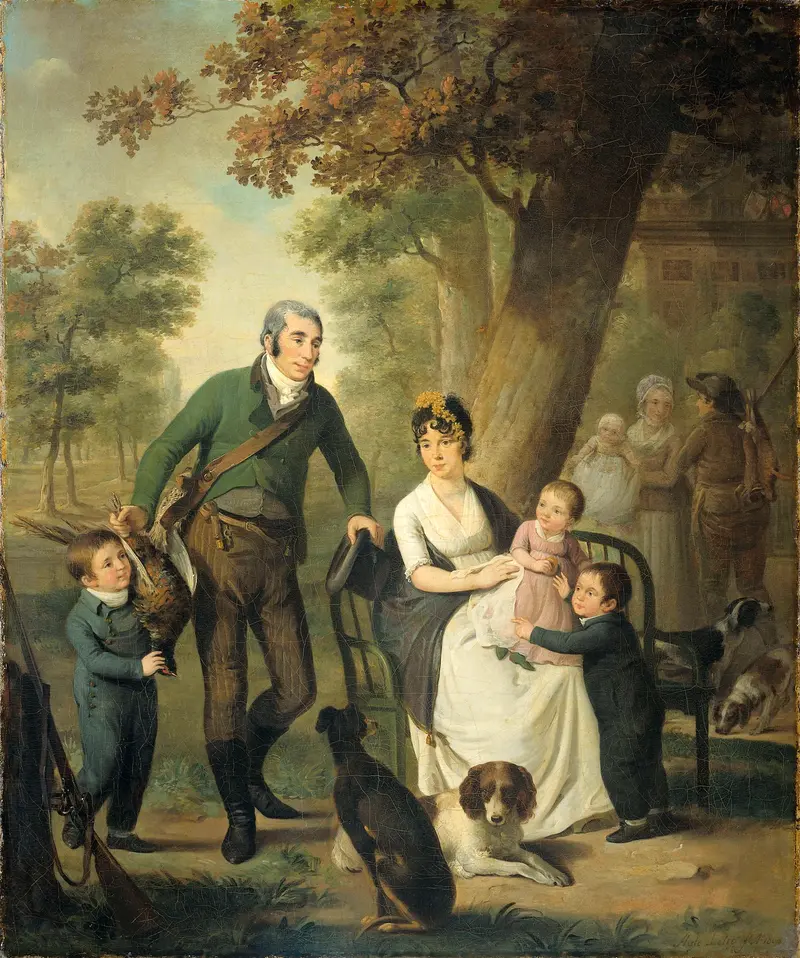
Jonkheer Gysbert Carel Rutger Reinier van Brienen van Ramerus(1771-1821), with his Wife and four of their Children
Adriaan de Lelie
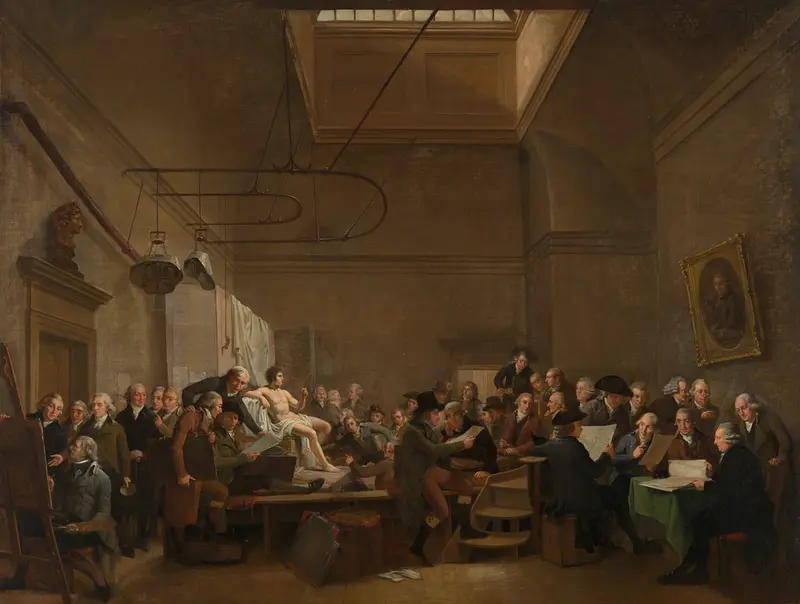
The Drawing Gallery of the Felix Meritis Society
Adriaan de Lelie
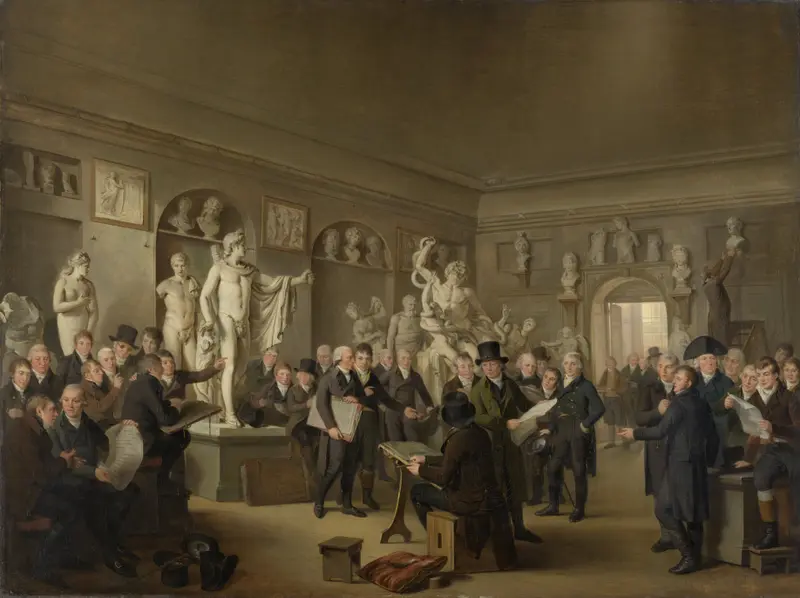
The Sculpture Gallery of the Felix Meritis Society
Adriaan de Lelie
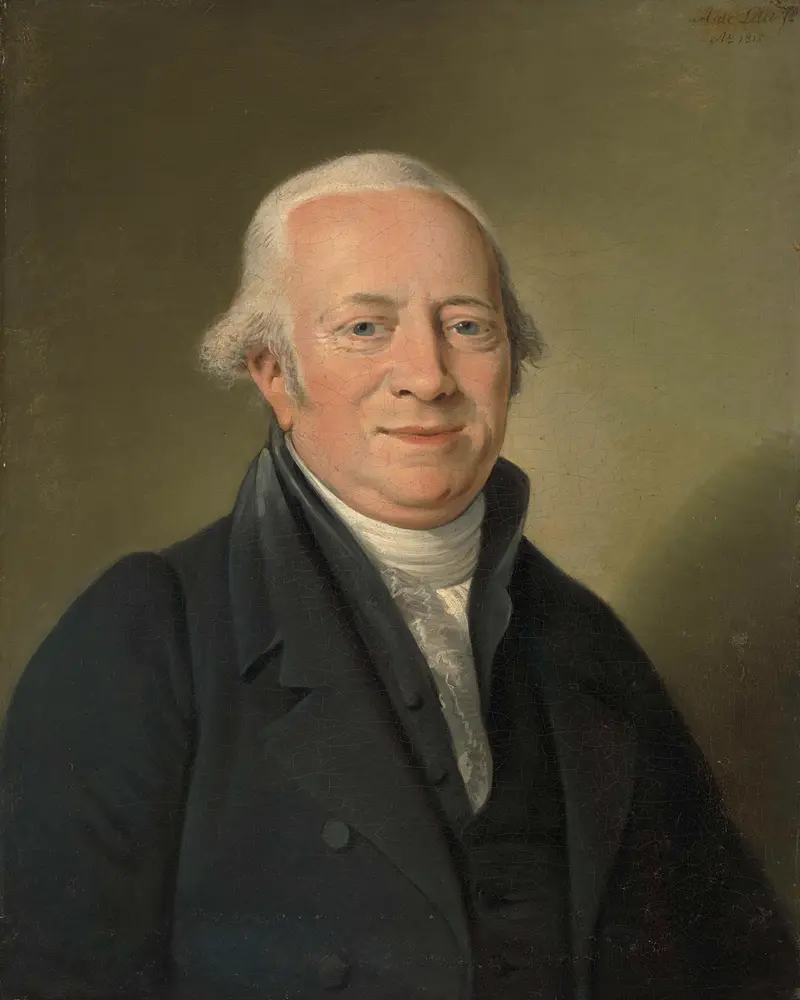
Cornelis Sebille Roos (1754-1820), Amsterdam Art Dealer and Keeper of the Nationale Konst-Gallery in Huis ten Bosch, The Hague
Adriaan de Lelie
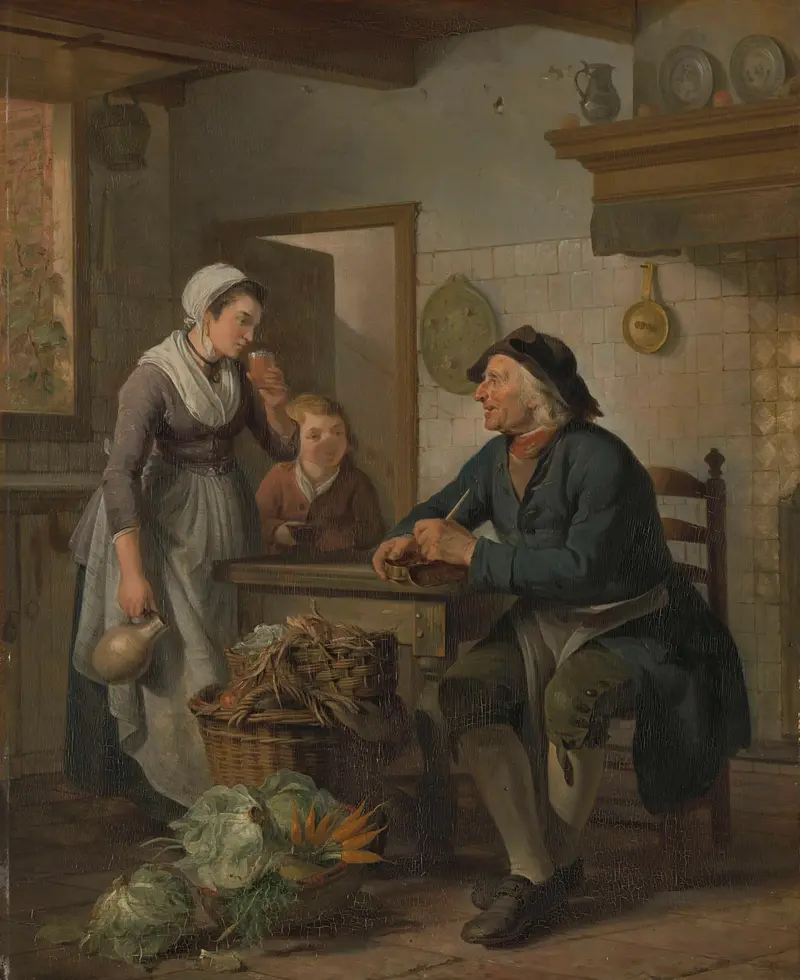
Morning Visit
Adriaan de Lelie
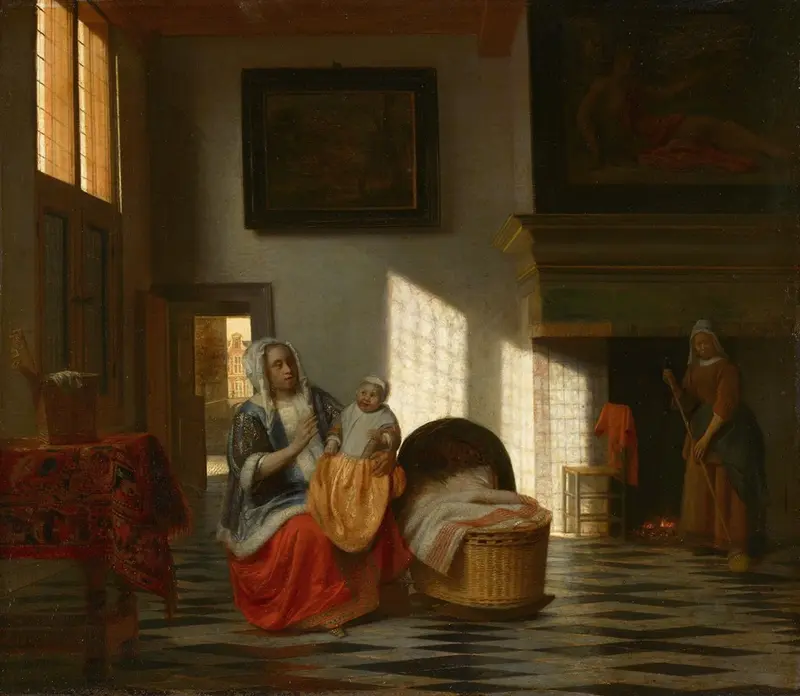
Mother and Two Children with Still Life
Adriaan de Lelie
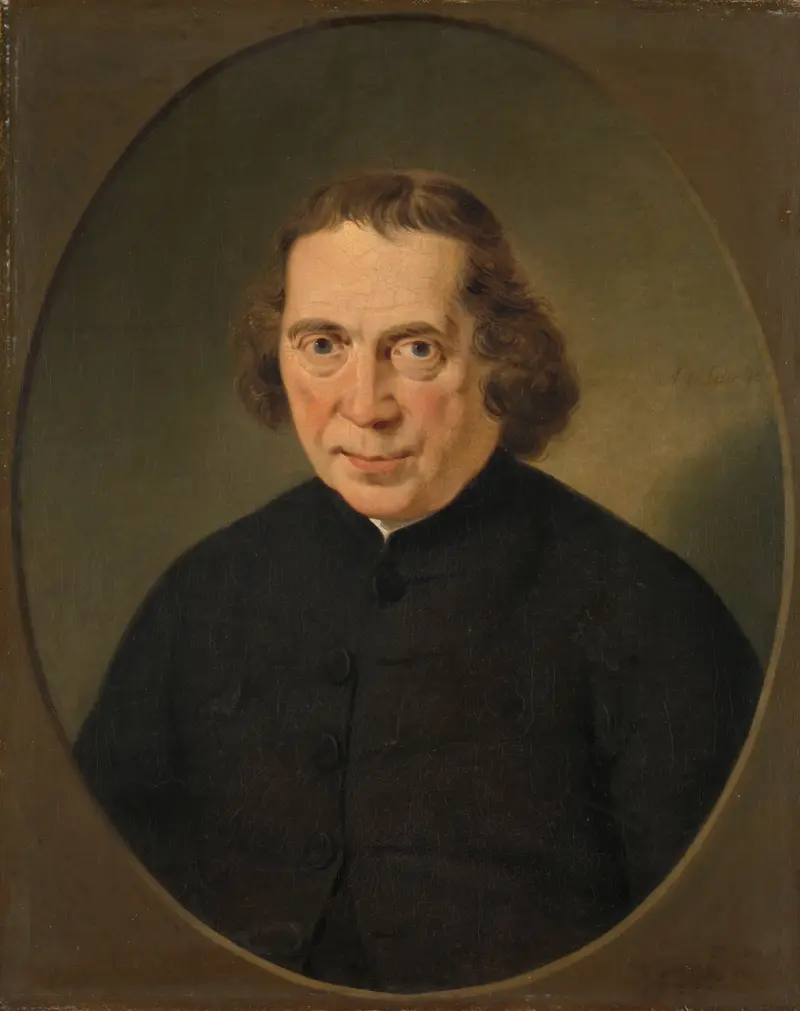
Portrait of Jan Nieuwenhuyzen
Adriaan de Lelie
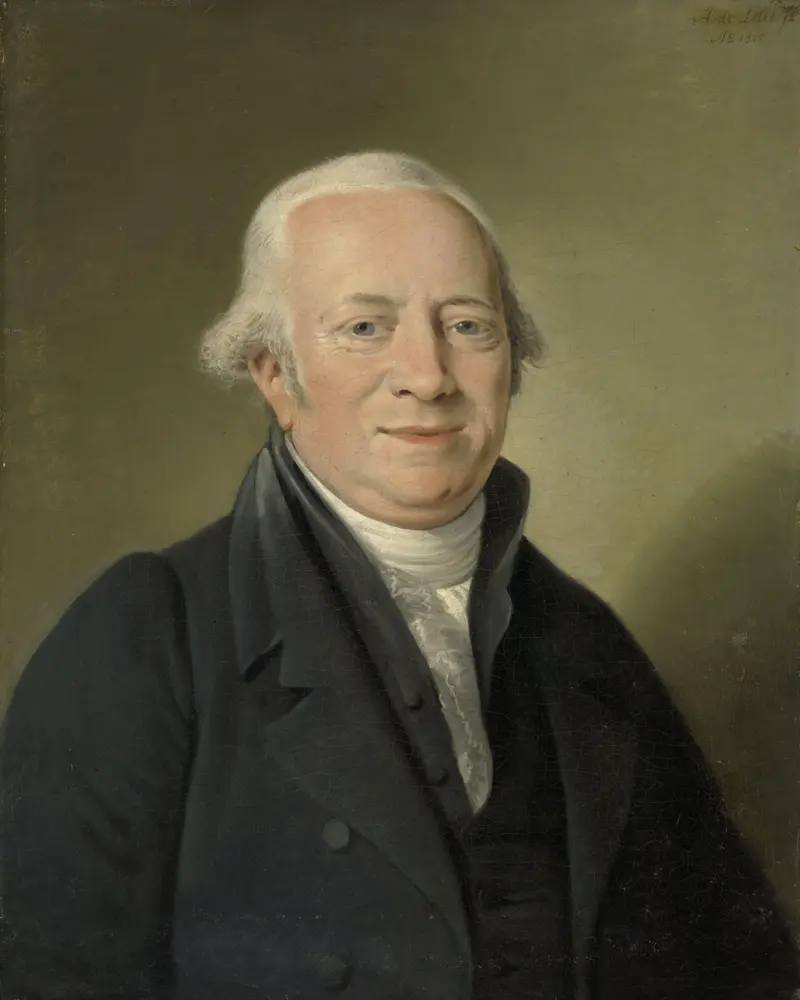
Portrait of Cornelis Sebille Roos, Art Dealer in Amsterdam and Inspector of the National Konst-Gallery and the Huis ten Bosch in The Hague
Adriaan de Lelie
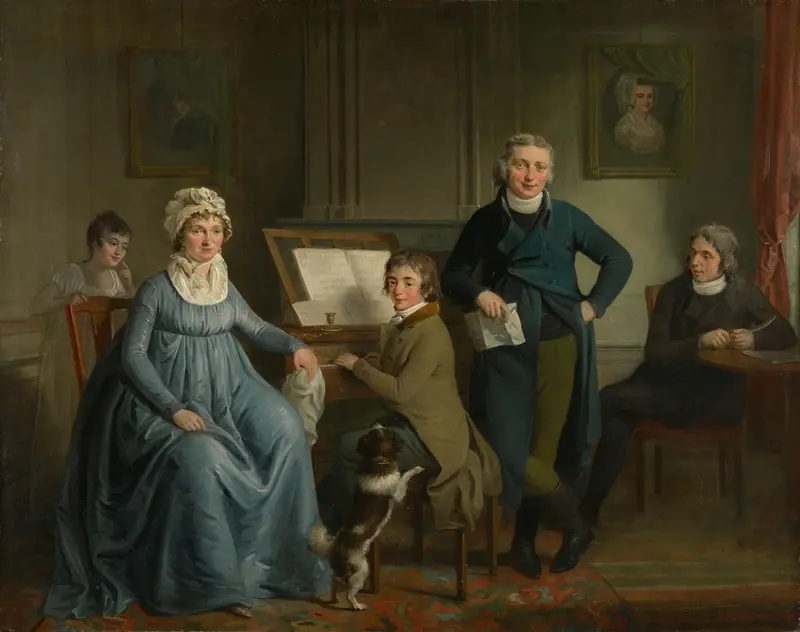
Musical family
Adriaan de Lelie





