
Meisjesjurk met lange mouw, lage taille en achtersluiting van wit katoen, versierd met oprijgen, ajournaden en onderaan met een zeer brede strook Engels borduurwerk — History & Facts
Can paint confess what words never could? In Meisjesjurk met lange mouw, lage taille en achtersluiting van wit katoen, versierd met oprijgen, ajournaden en onderaan met een zeer brede strook Engels borduurwerk, the fabric bears silent witness to the violence of expectation and the fragility of innocence. Look closely at the immaculate white cotton; it radiates purity, yet the intricate embroidery speaks of tradition's weight. Notice how the gentle pleats form a delicate silhouette, drawing the viewer's eye toward the waist, where innocence meets societal demands. The craftsmanship is meticulous, with ajour patterns weaving a story of skillful hands, creating a stark contrast between the softness of the garment and the harsh realities it signifies. In this work, the juxtaposition of beauty and oppression is palpable.
The ornate embellishments serve not merely as decoration but as a metaphor for the restrictions placed upon young girls. Each stitch and fold captures the tension between the desire for freedom and the suffocating expectations of femininity. The dress, while appearing charming, hints at the violence that lies beneath—the violence of imposed roles and societal norms that shape the lives of women. This piece, created around 1909 by an unknown artist, reflects a time when the world was grappling with the implications of gender roles and domesticity.
It emerged in an era marked by rapid changes in society, where traditional values often clashed with the burgeoning ideas of women's independence. The artist, though anonymous, captured a poignant narrative that resonates even today, reminding us of the layers of meaning that can exist within a seemingly simple garment.
More Artworks by Unknown Artist
Browse all →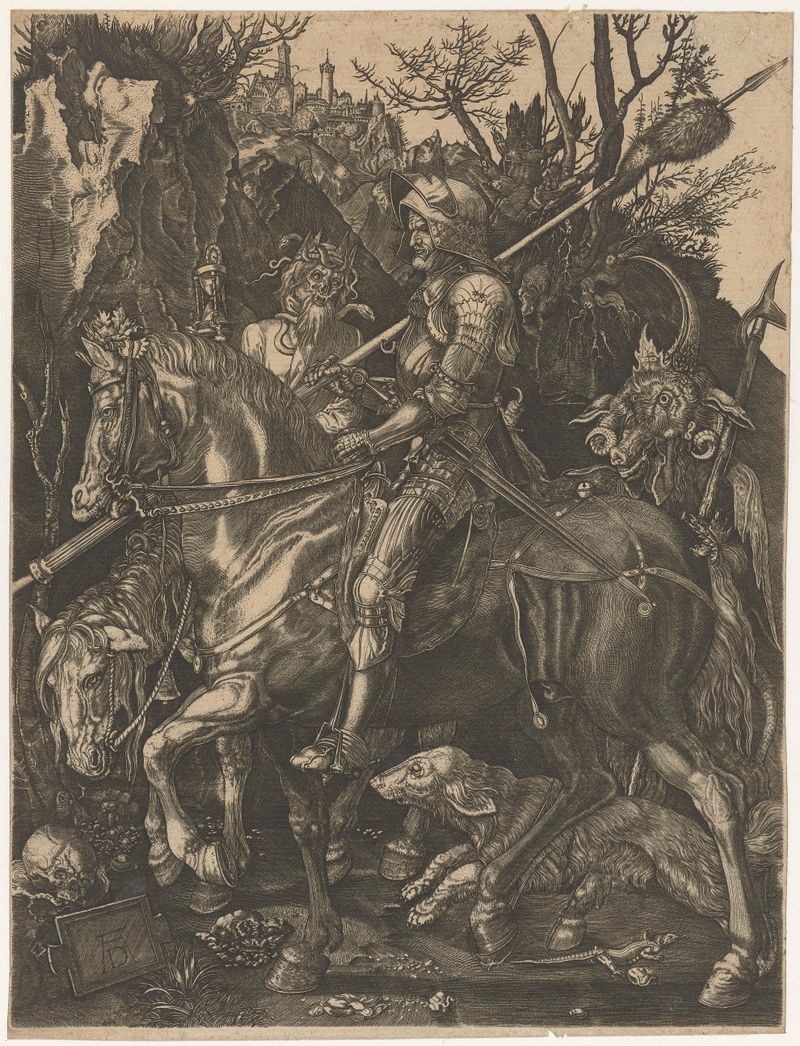
Ridder, Dood en Duivel
Unknown Artist
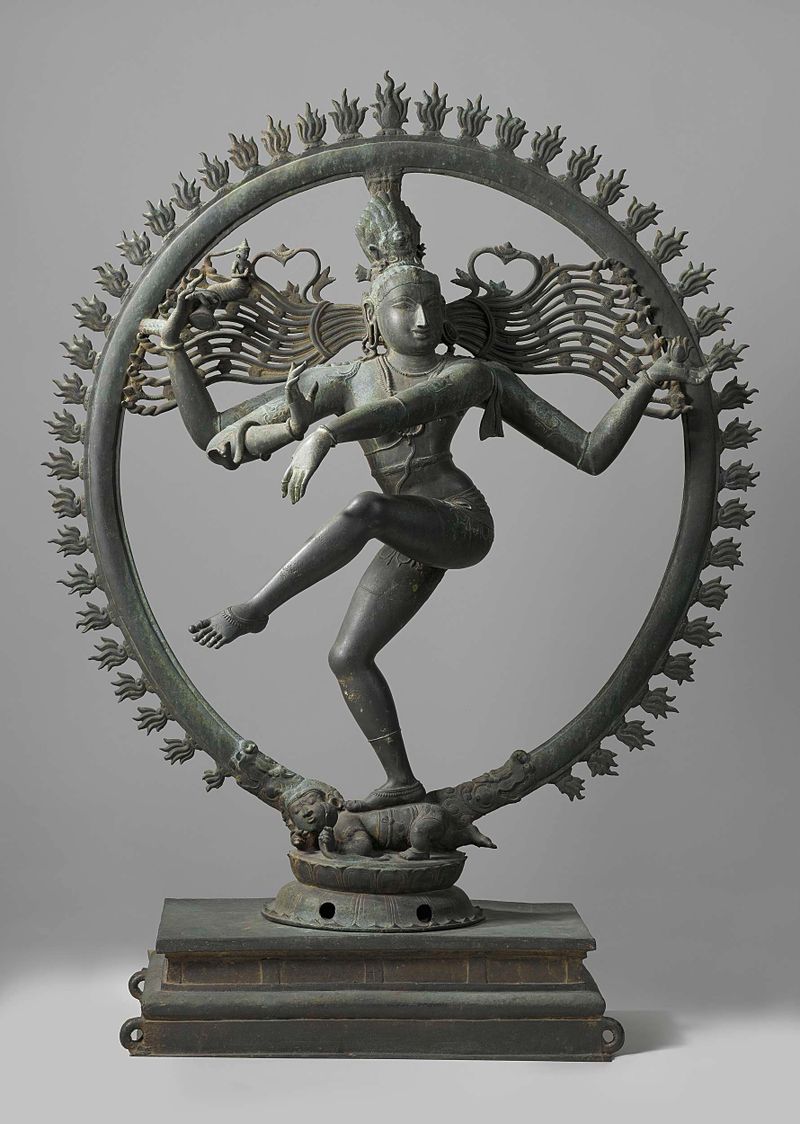
Shiva Nataraja
Unknown Artist
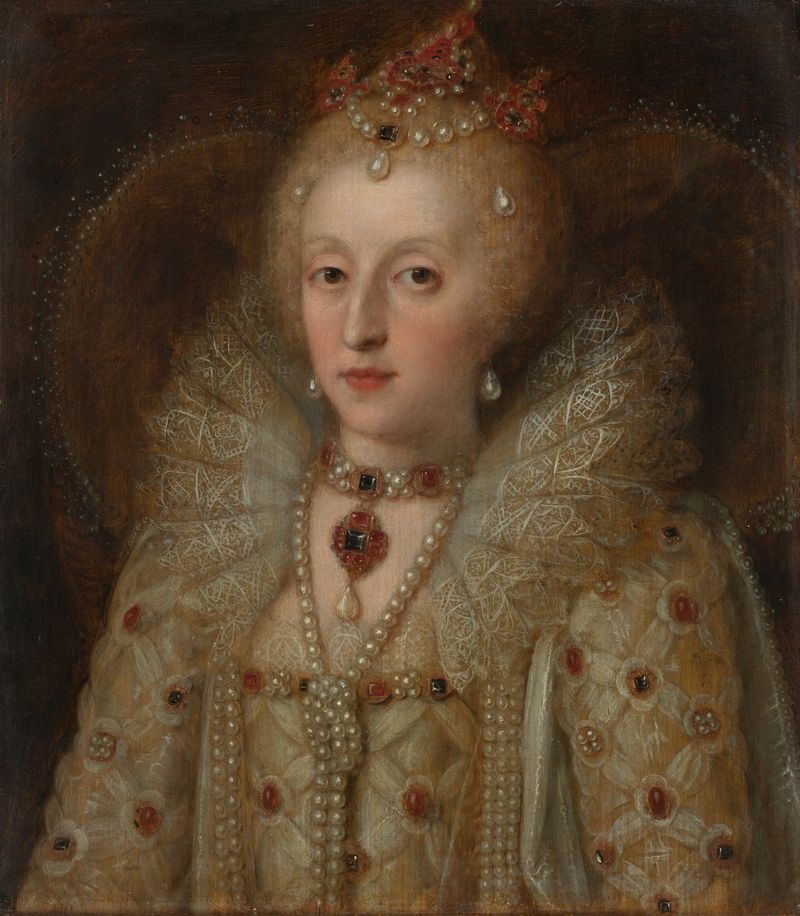
Portrait of Elizabeth I, Queen of England
Unknown Artist
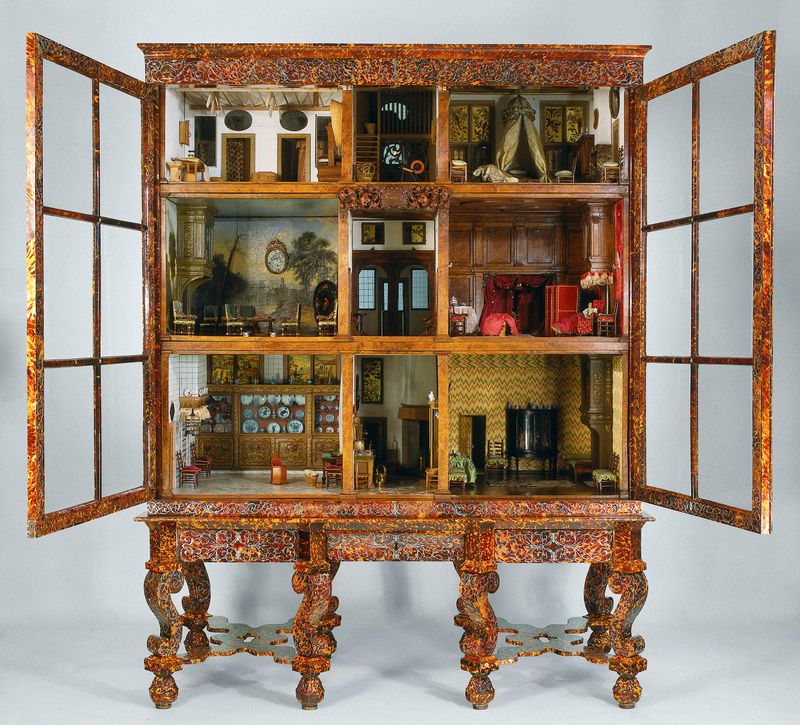
Dolls’ house of Petronella Oortman
Unknown Artist
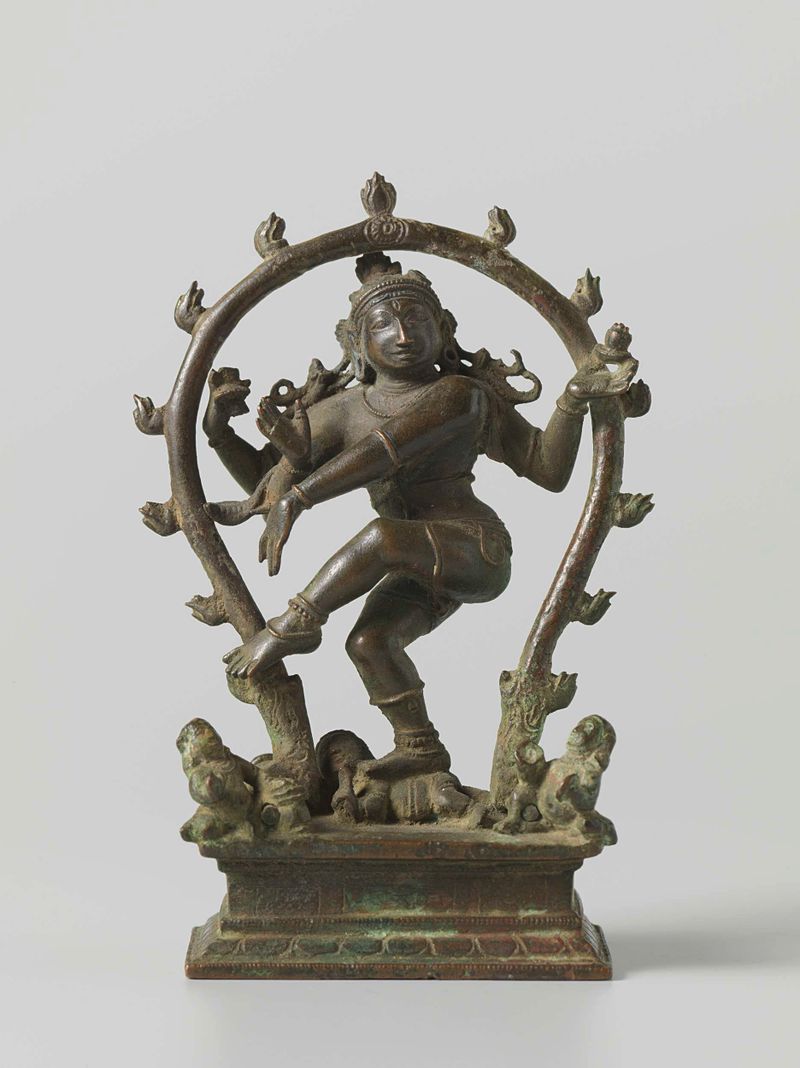
Shiva Nataraja
Unknown Artist

The Tale of Genji
Unknown Artist

The Tale of Genji
Unknown Artist

Cong
Unknown Artist
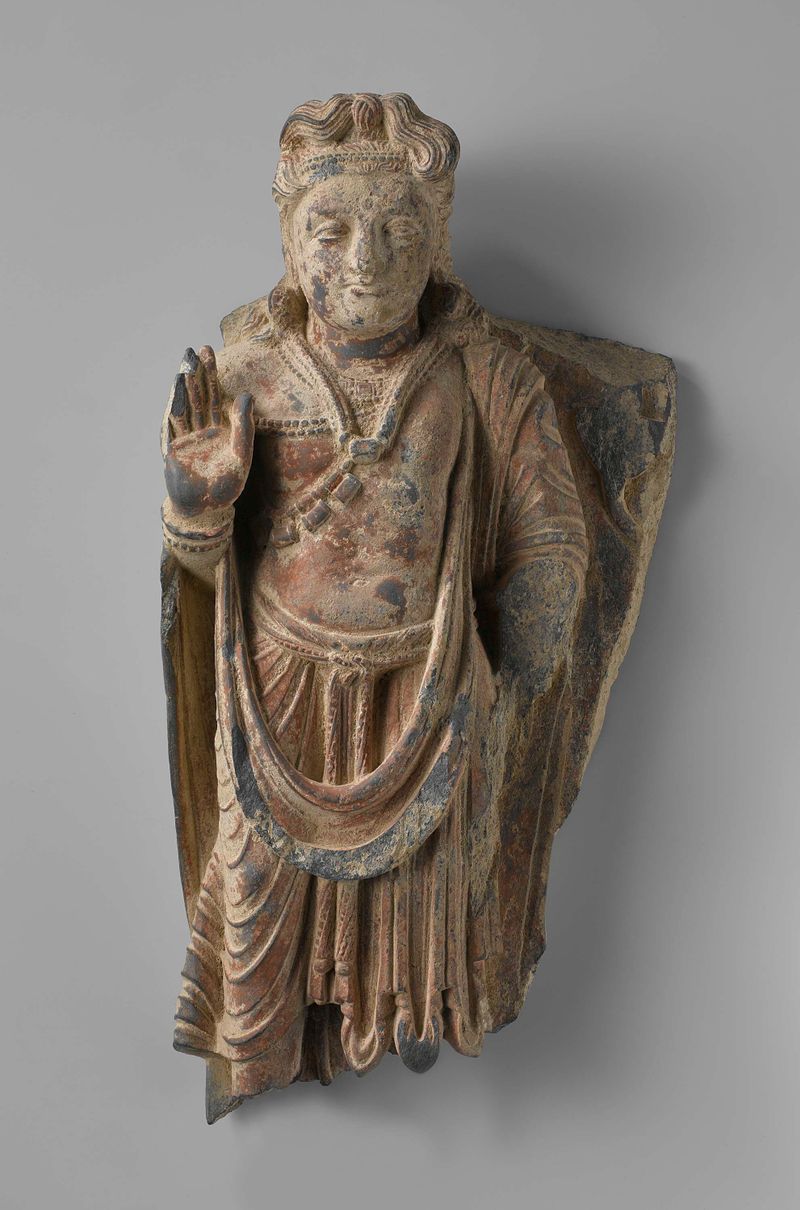
The bodhisattva Maitreya
Unknown Artist

Teabowl with a 'hare's fur' glaze
Unknown Artist





