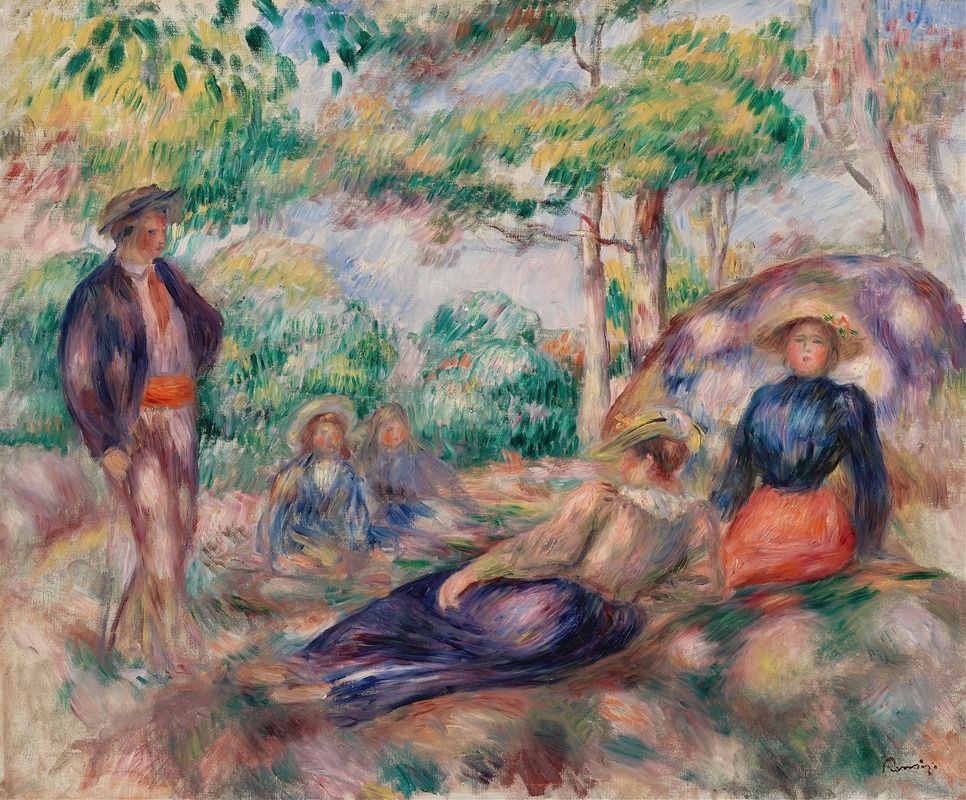
Discover insights about this artwork
Mejor es holgar. (It is better to be lazy.) — History & Facts
In Mejor es holgar, Francisco de Goya presents a scene filled with warm earth tones and soft shadows. The painting depicts a relaxed figure lounging in a natural setting, embodying the essence of laziness. Surrounding the figure are lush greenery and a tranquil atmosphere, enhancing the sense of leisure.
The overall composition invites the viewer to reflect on the beauty of idleness. Goya employs oil on canvas to create this work, using a palette that emphasizes warmth and comfort. The brushwork is fluid, capturing the softness of the figure's posture and the surrounding environment. The painting's dimensions are approximately 60 x 80 cm, making it a medium-sized piece that draws the viewer in.
The use of light and shadow adds depth, creating a sense of space around the figure. Francisco de Goya was a prominent Spanish painter known for his critical and often dark commentary on society. Mejor es holgar reflects a lighter side of his work, focusing on the theme of leisure rather than the struggles of life. Interestingly, this painting was created during a time when Goya was exploring various themes, including the contrast between work and idleness.
It serves as a reminder of the importance of relaxation in a busy world.
More Artworks by Francisco de Goya
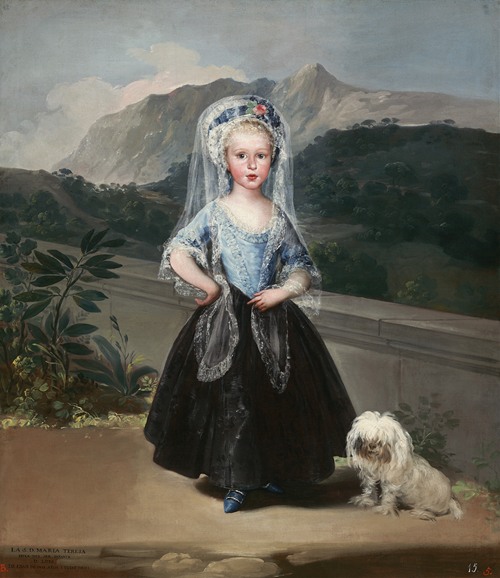
María Teresa de Borbón y Vallabriga,later Condesa de Chinchón
Francisco de Goya
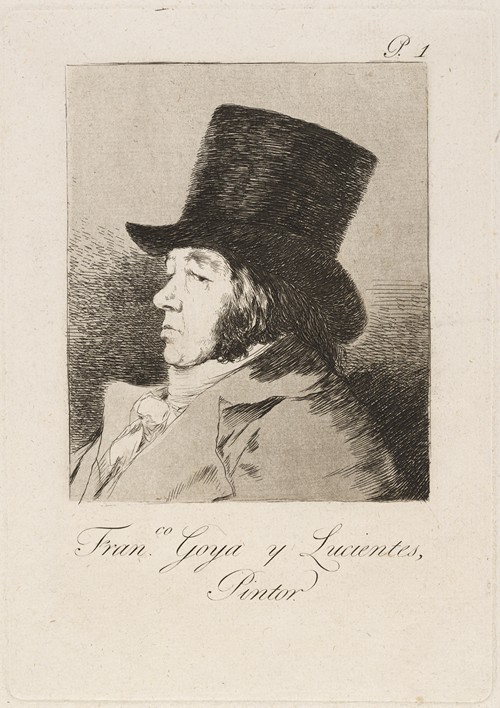
Francisco Goya y Lucientes, Pintor (Francisco Goya y Lucientes, painter)
Francisco de Goya
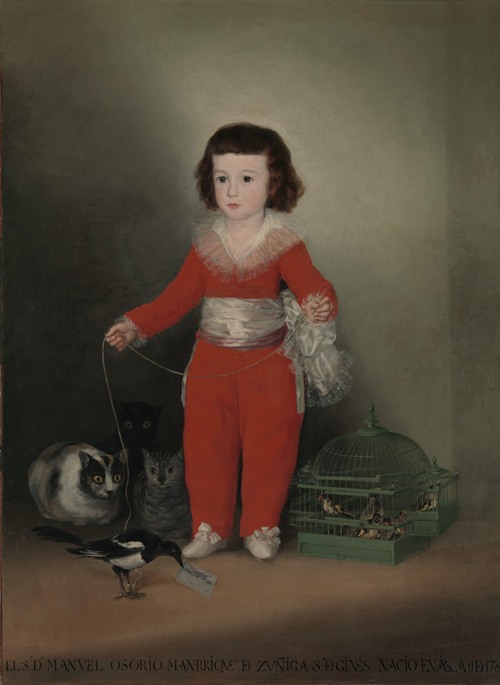
Manuel Osorio Manrique de Zuñiga (1784–1792)
Francisco de Goya
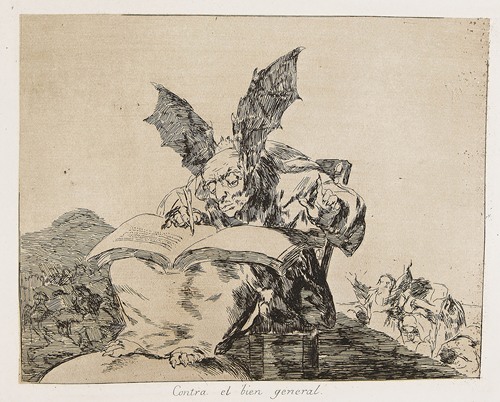
Los desastres de la guerra
Francisco de Goya
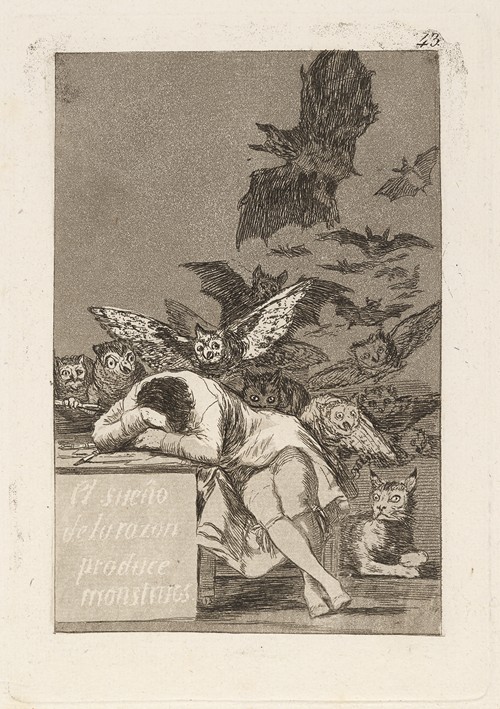
El sueño de la razon produce monstruos. (The sleep of reason produces monsters.)
Francisco de Goya
El sueño de la razon produce moustruos (Serie Caprichos)
Francisco de Goya
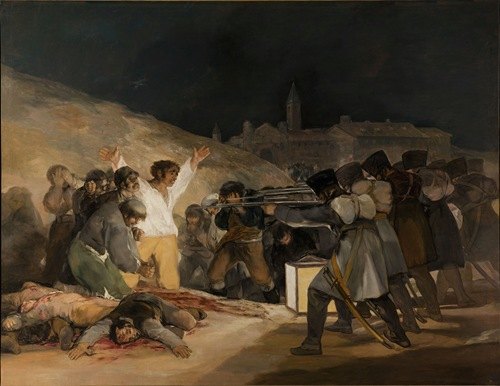
The Third of May
Francisco de Goya
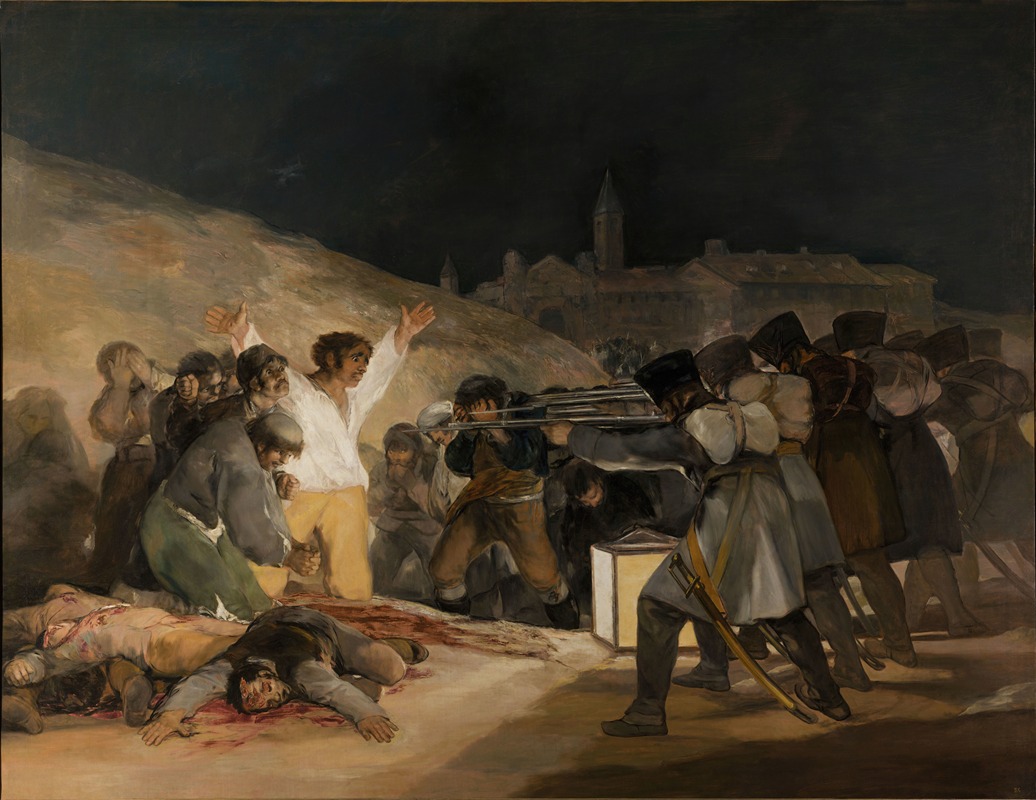
The Third of May 1808
Francisco de Goya
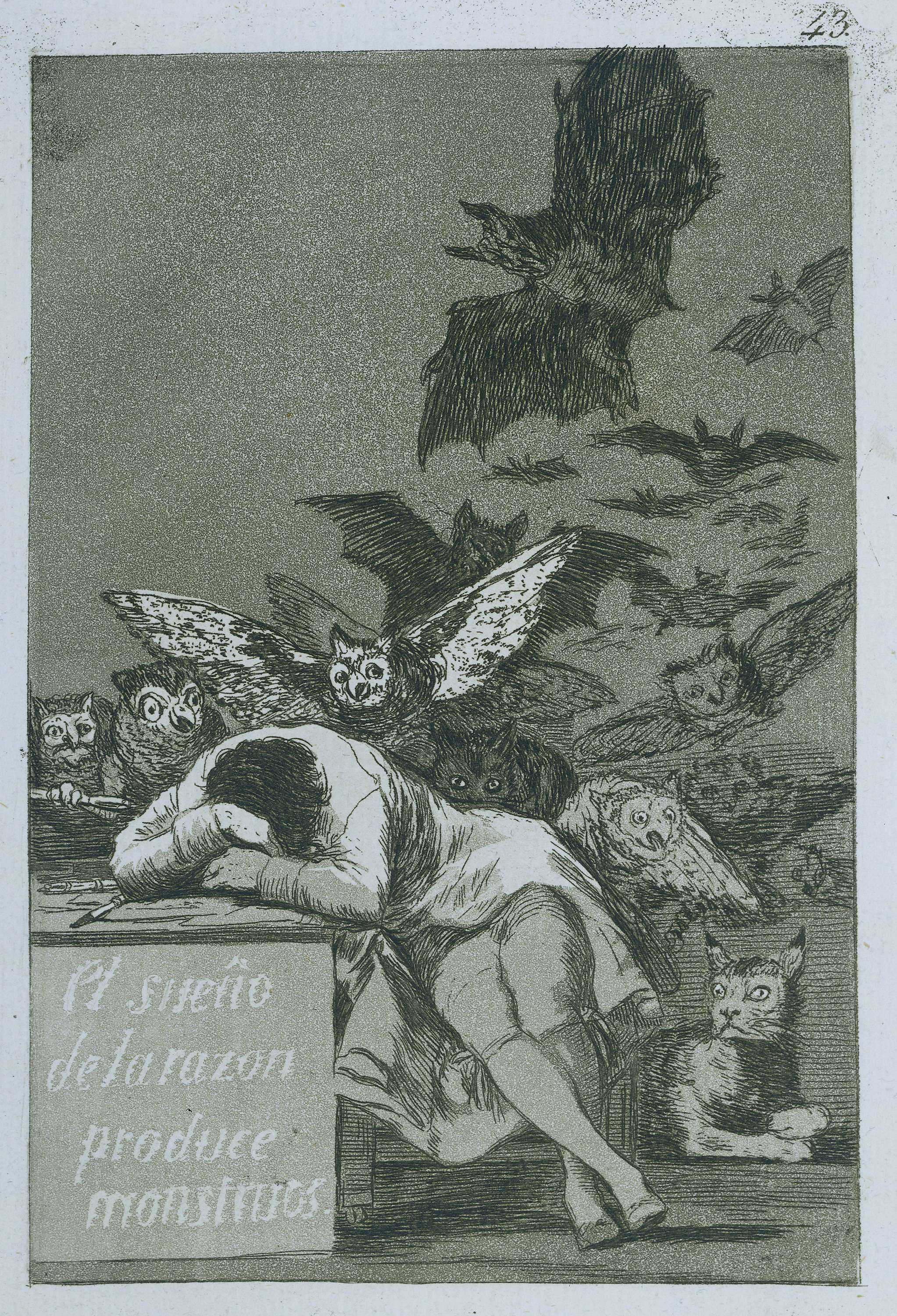
De slaap van de rede brengt monsters voort
Francisco de Goya
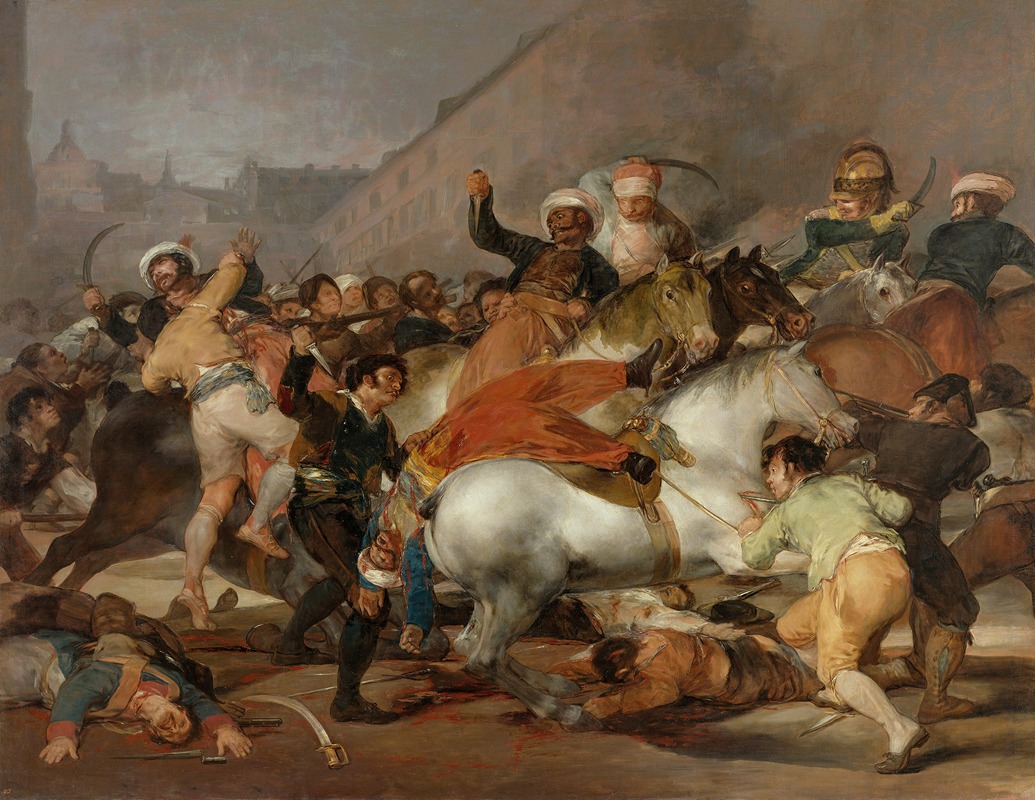
The Charge of the Mamelukes (1814)
Francisco de Goya