
Meleager and Atalante — History & Facts
In Meleager and Atalante, Jacob Jordaens presents a vibrant scene filled with rich colors. The figures of Meleager and Atalante are depicted in a dramatic moment, surrounded by lush greenery and dynamic movement. Jordaens uses a warm palette dominated by reds and greens, enhancing the emotional intensity of the scene.
The muscular forms of the characters convey strength and action, drawing the viewer's eye across the canvas. The painting is executed in oil on canvas, a common medium for the Baroque period. Jordaens' technique showcases his skill in rendering textures, particularly in the depiction of skin and fabric. The composition is balanced yet dynamic, with figures arranged in a way that leads the viewer's gaze throughout the work.
The use of light and shadow adds depth, emphasizing the three-dimensionality of the figures. Jacob Jordaens was a prominent Flemish painter known for his vibrant and expressive works. This painting, created in the 1620s, reflects the Baroque style's emphasis on drama and movement. An interesting fact about this work is that it draws from classical mythology, illustrating the story of Meleager and Atalante, which highlights themes of love and heroism.
Jordaens often incorporated elements of everyday life into his mythological scenes, making them relatable to contemporary audiences.
More Artworks by Jacob Jordaens

The Temptation of the Magdalene
Jacob Jordaens
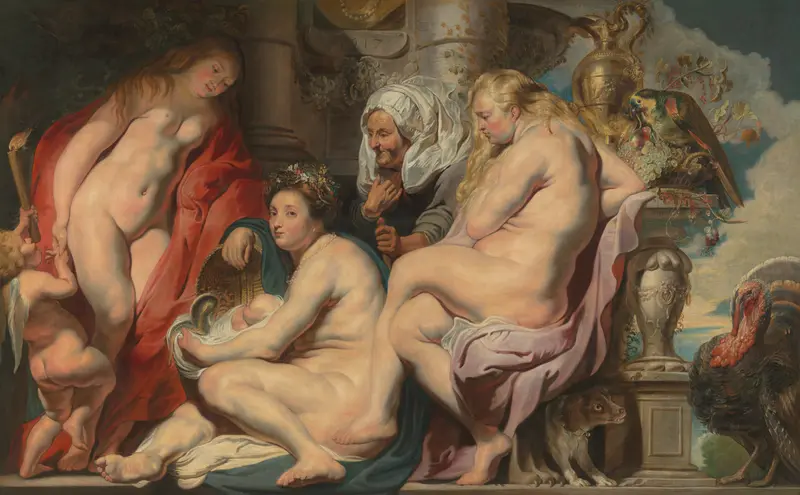
The Daughters of Cecrops Finding the Child Erichthonius
Jacob Jordaens
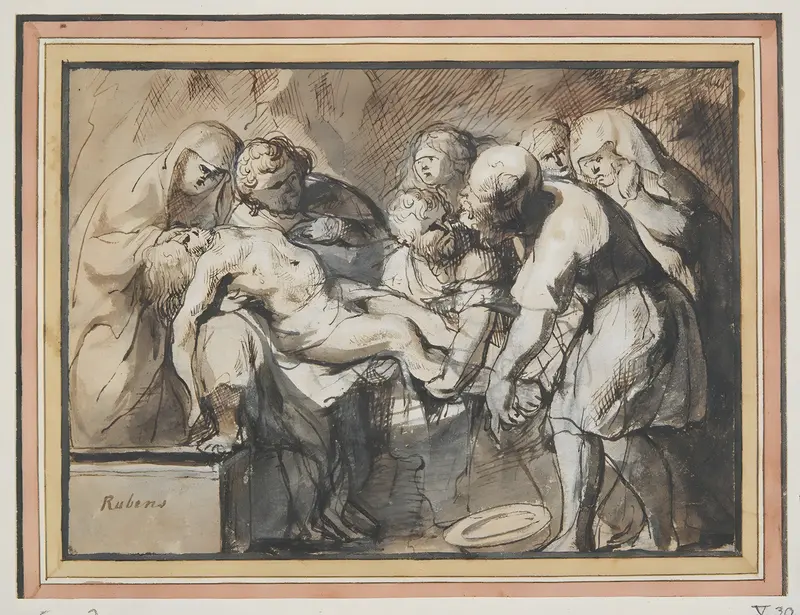
The Entombment
Jacob Jordaens
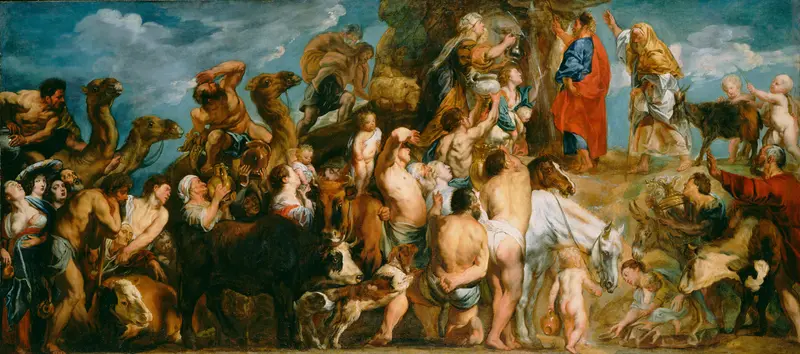
Moses Striking Water from the Rock
Jacob Jordaens
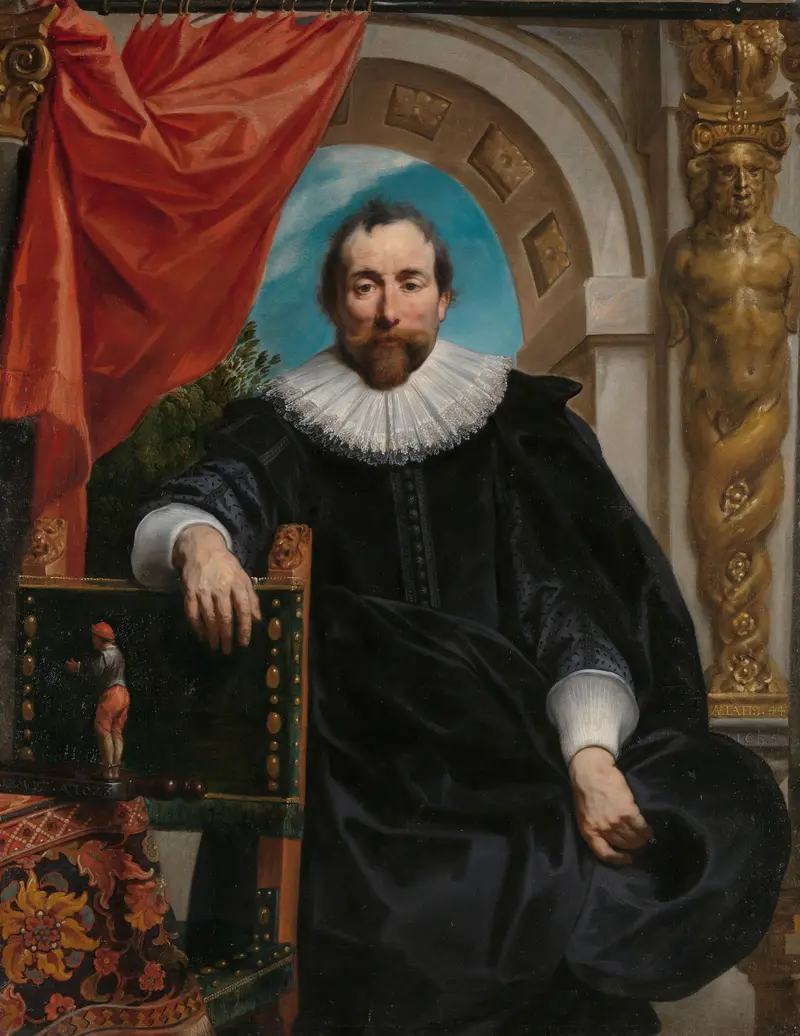
Portrait of Rogier Le Witer
Jacob Jordaens
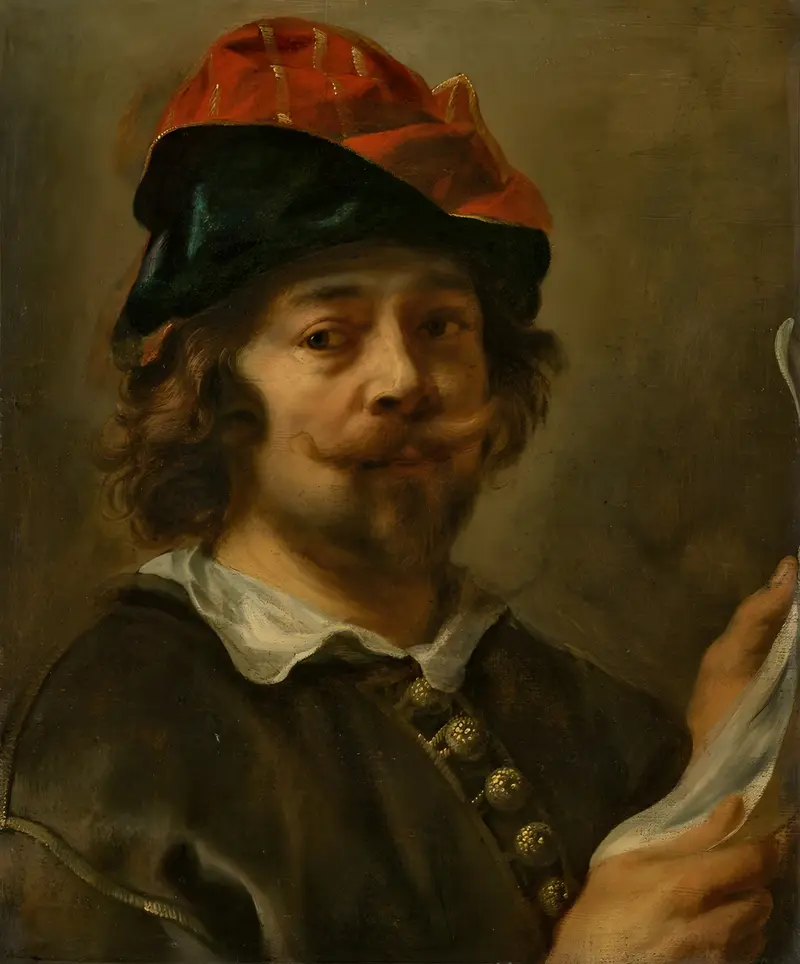
Portrait of the artist
Jacob Jordaens
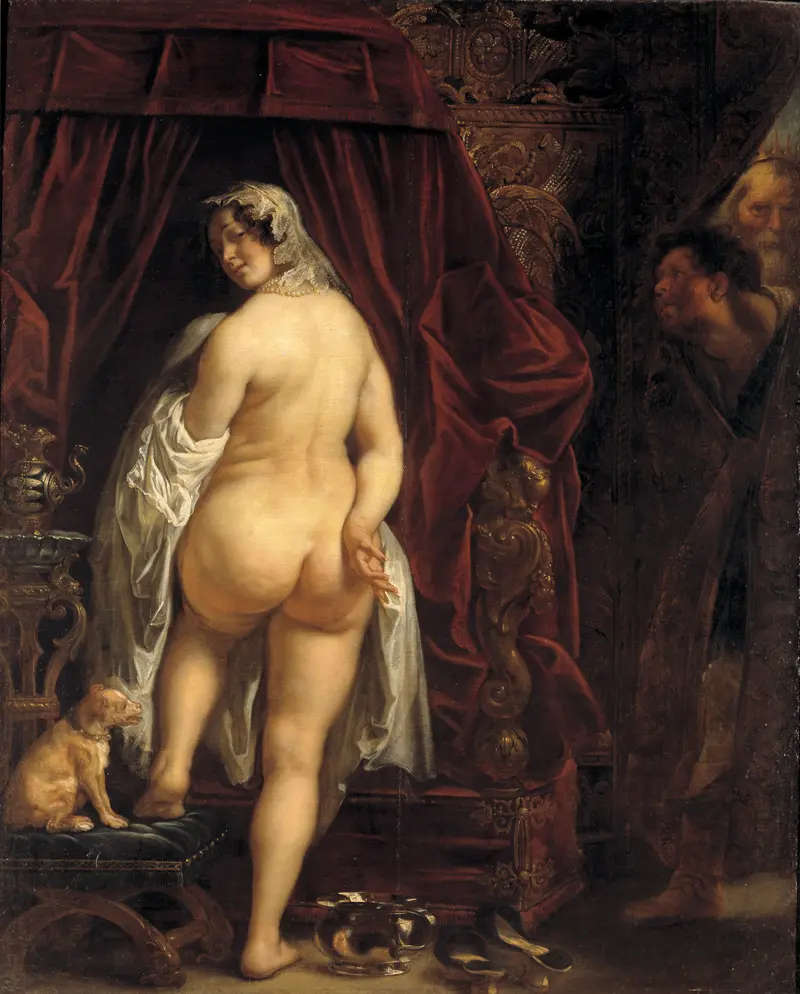
King Candaules of Lydia Showing his Wife to Gyges
Jacob Jordaens
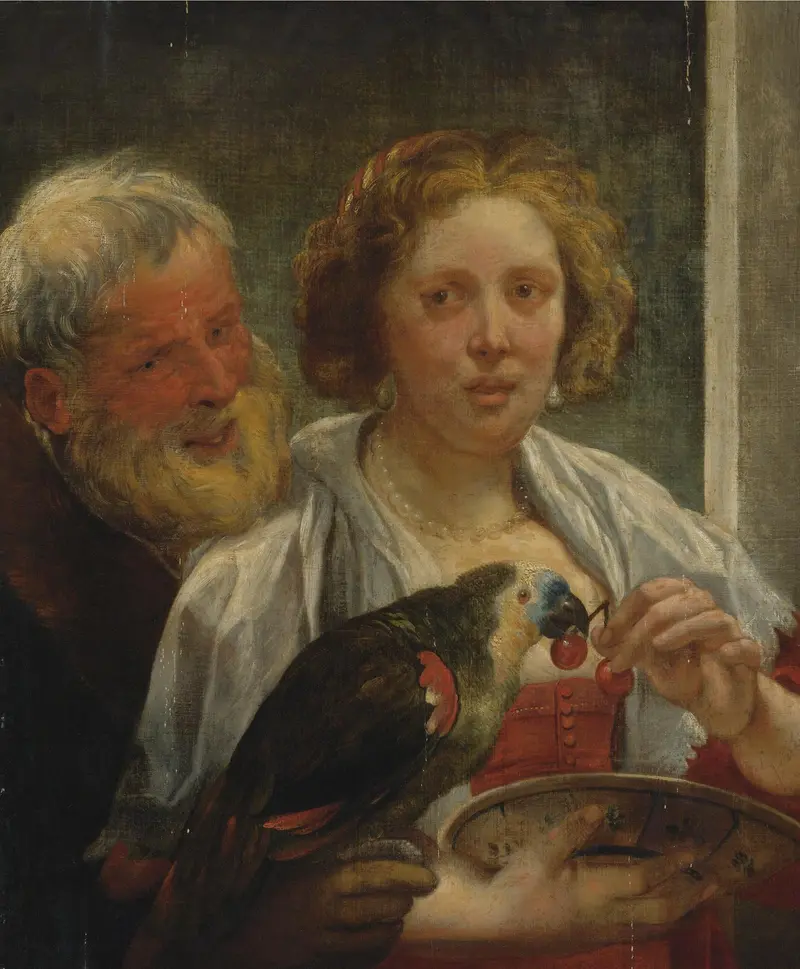
A Bearded Man And a Woman With a Parrot; ‘unrequited Love’
Jacob Jordaens
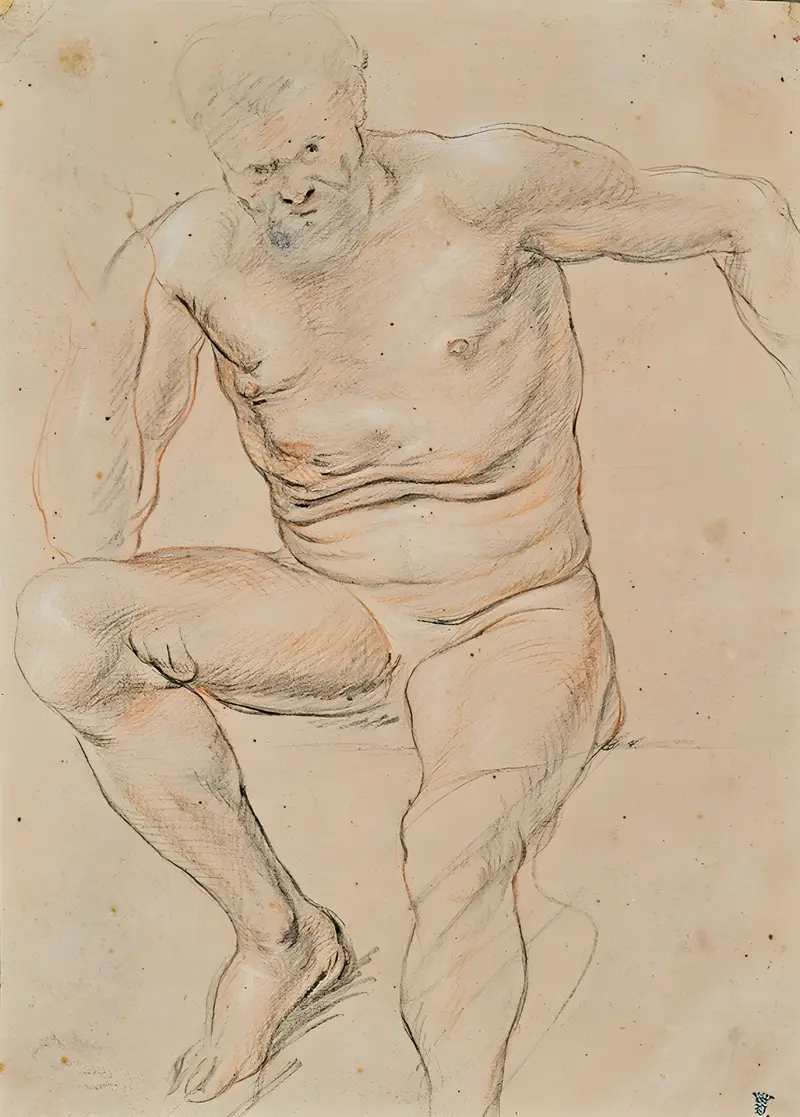
An academy of a male nude seated
Jacob Jordaens
Christ Healing the Paralytic
Jacob Jordaens





