
Melrose Abbey — History & Facts
Could beauty survive in a century of chaos? This question reverberates throughout the intricate landscape captured in this work, where ancient architecture and nature engage in a delicate dance that speaks to the resilience of art and life. Look to the center of the canvas, where the majestic ruins of Melrose Abbey rise against a soft, cloudy sky. Notice the intricate details of the stonework, each craggy surface reflecting the passage of time, while the vibrant greens of the surrounding foliage provide a stark contrast to the somber gray. The artist employs a subtle play of light, illuminating certain architectural features, inviting the viewer’s gaze to wander from the foreground to the distant horizon, where the remnants of civilization meet the wild beauty of the landscape. Amidst the serene beauty lies a tension between ruin and rejuvenation.
The crumbling stones of the abbey symbolize the wear of history, yet the flourishing plants wrapping around them suggest nature’s relentless ability to reclaim what was lost. This interplay highlights a profound balance—between decay and growth, silence and life—capturing a moment that whispers of endurance in the face of time's inevitable march. During this period, the artist worked in the early 19th century, a time marked by significant upheaval in Britain and its artistic realms. As an antiquarian landscape painter, he sought to evoke a sense of nostalgia and reverence for the past, while reflecting broader societal shifts.
The romanticism of his approach echoes the longing of a generation grappling with change, urging viewers to appreciate beauty while acknowledging the transience of both nature and history.
More Artworks by Thomas Hearne
Browse all →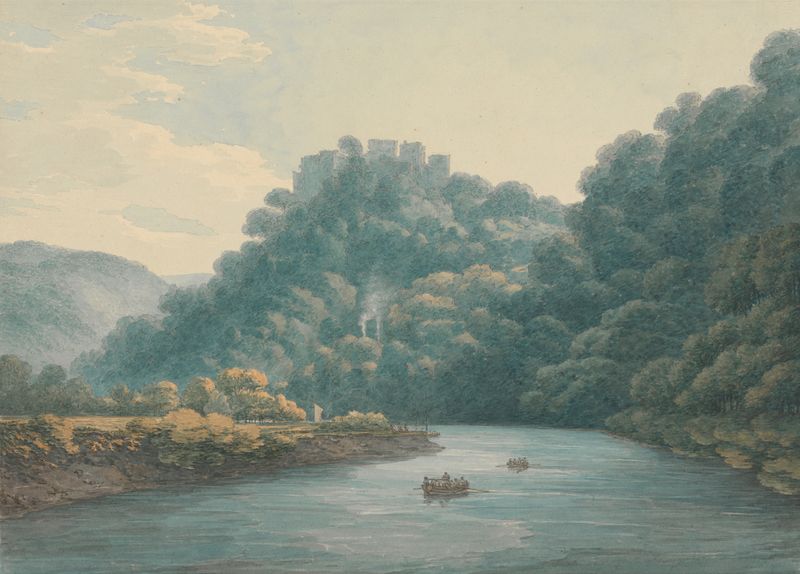
Goodrich Castle on the Wye
Thomas Hearne
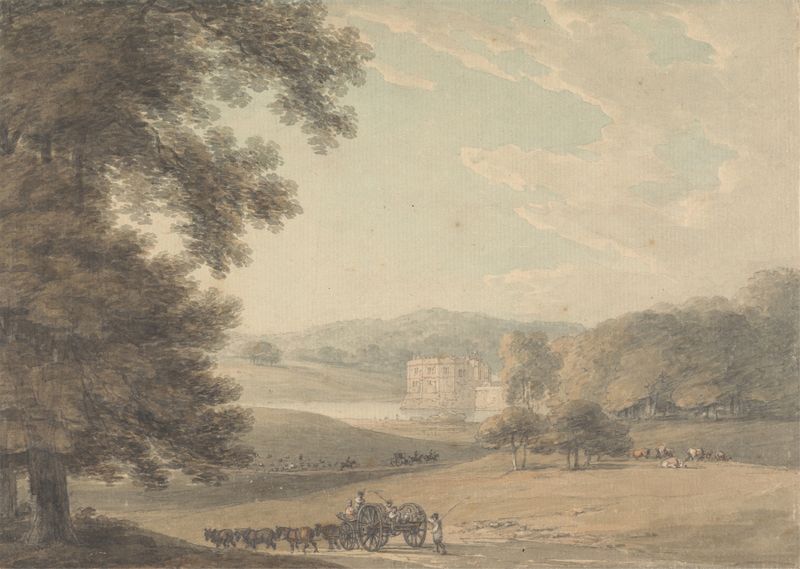
Leeds Castle, Kent
Thomas Hearne

The Ruins of Leiston Abbey
Thomas Hearne
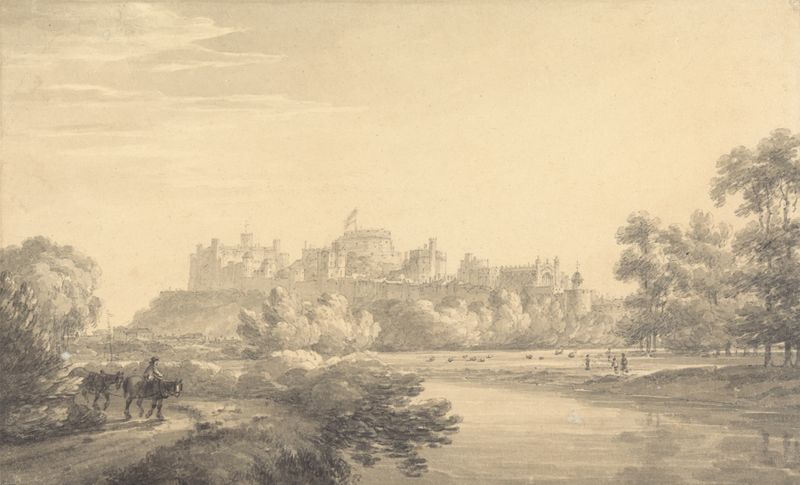
Windsor Castle
Thomas Hearne
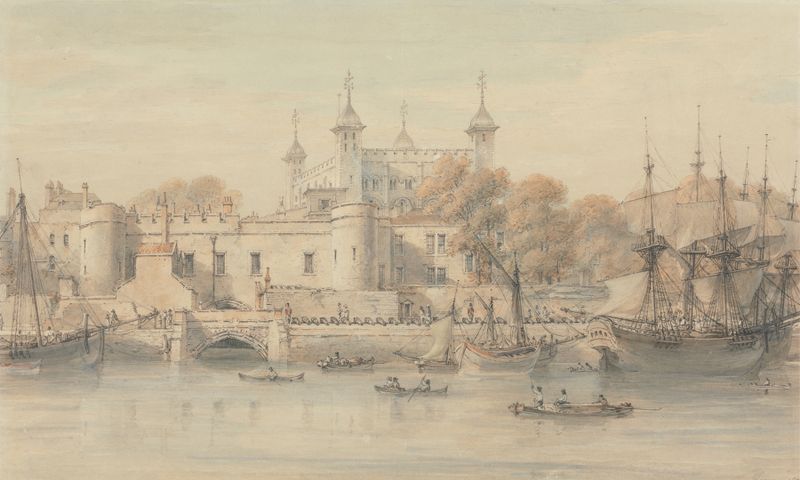
The Tower of London
Thomas Hearne
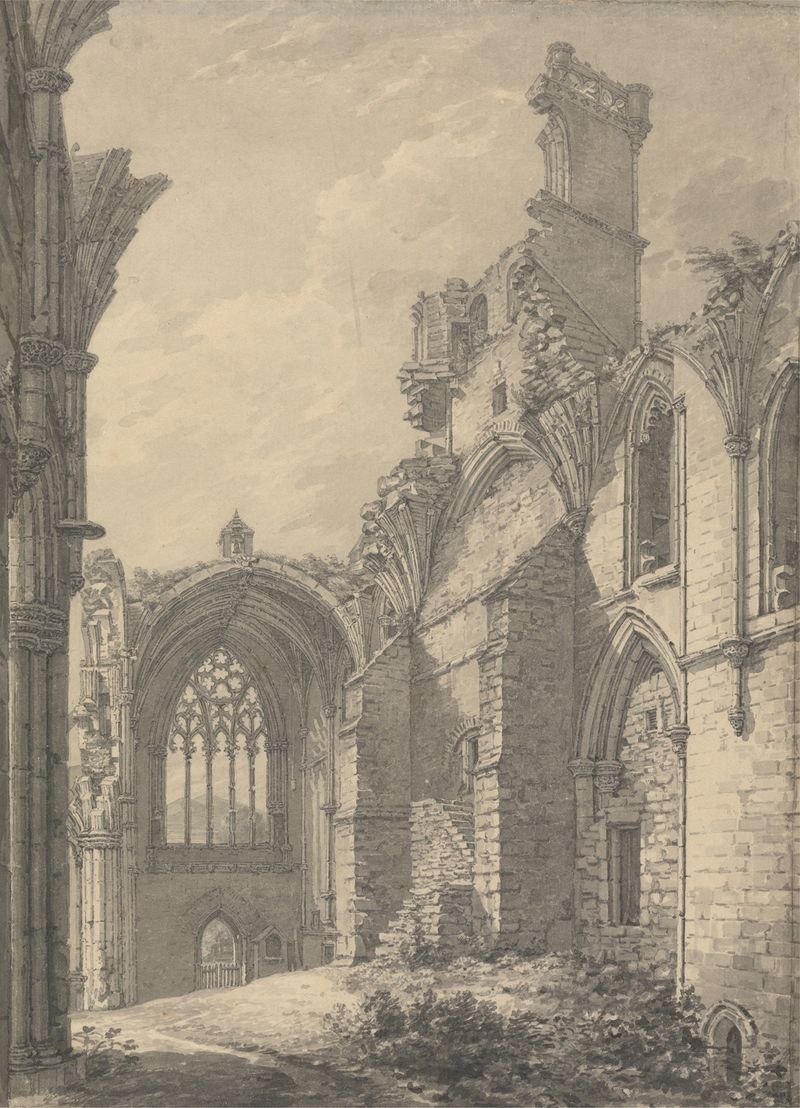
Transept of Melrose Abbey, 1778 Near Old Melrose on the River Tweed, Roxburgh
Thomas Hearne
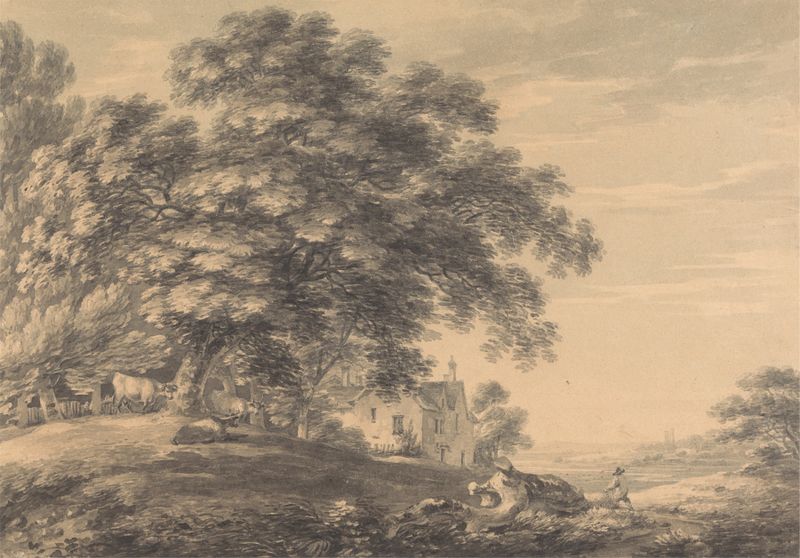
Landscape
Thomas Hearne
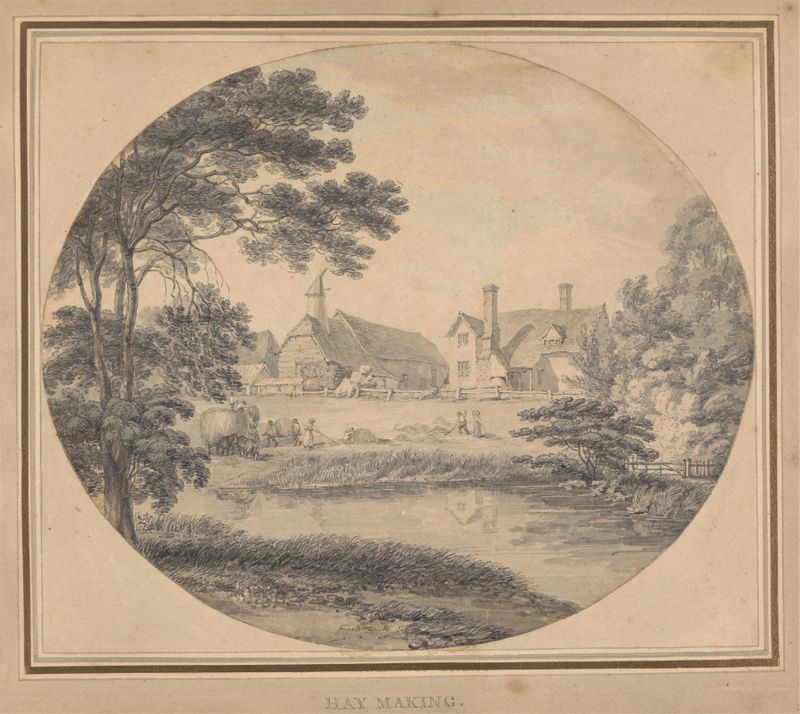
Haymaking
Thomas Hearne

Castle Acre Priory
Thomas Hearne
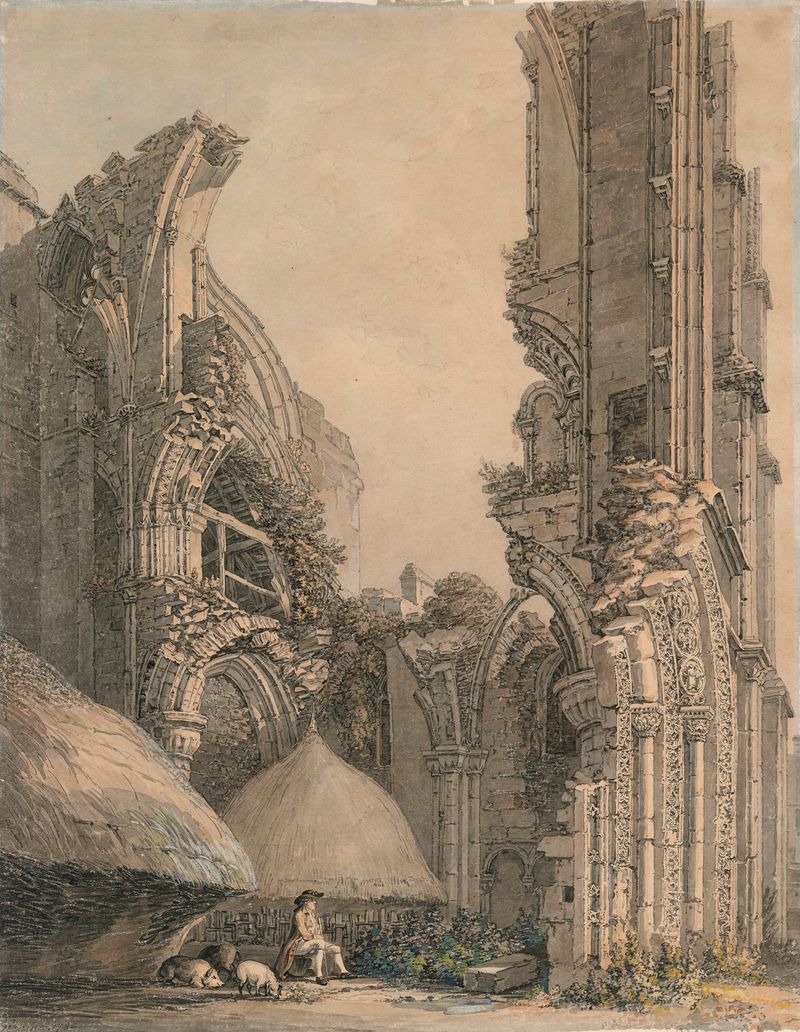
The Ruins of Malmesbury Abbey, Somerset, from the West Front (ill. for ‘The Antiquities of Great Britan’ 1807)
Thomas Hearne
More Architecture Art
Browse all →
The statue of Liberty
Frédéric Auguste Bartholdi

View of Houses in Delft, Known as ‘The Little Street’
Johannes Vermeer

View of Houses in Delft, Known as ‘The Little Street’
Johannes Vermeer

The Cathedral in Rouen. The portal, Grey Weather
Claude Monet

The yellow house
Vincent van Gogh

The Church in Auvers-sur-Oise, View from the Chevet
Vincent van Gogh