
The Ruins of the College of Lincluden, Near Dumfries — History & Facts
This sentiment vibrates through the essence of art, where each brushstroke seeks to transcend the temporal. The power of memory and decay intertwines, capturing the bittersweet beauty of ruins and the stories they cradle within their crumbling walls. Focus on the left side of the canvas, where the remnants of a once-grand structure rise against the backdrop of a muted sky. The earthy tones of the bricks mingle with the rich greens of nature reclaiming its territory, creating a harmony that evokes both melancholy and resilience.
Notice how the light gently falls upon the weathered stones, illuminating textures that speak of history and time's relentless passage, inviting the viewer to explore the depths of each shadow and highlight. This work pulsates with the tension between civilization and the inexorable forces of nature. The juxtaposition of the enduring stones against the encroaching foliage symbolizes the struggle for permanence in an impermanent world. Small details, like the wisps of grass growing through the cracks, reflect the idea of rebirth amid destruction, suggesting that even in decay there lies a poignant beauty and a testament to the human experience. In 1778, Thomas Hearne created this piece while residing in England, reflecting the Romantic preoccupation with nature and ruins following the Enlightenment.
At this time, artists were beginning to explore deeper emotional connections to landscapes, punctuated by a growing sense of nostalgia for the past. Hearne’s delicate brushwork and keen observation of natural light signal a pivotal moment in the evolution of British landscape painting, revealing how art can echo the whispers of history.
More Artworks by Thomas Hearne
Browse all →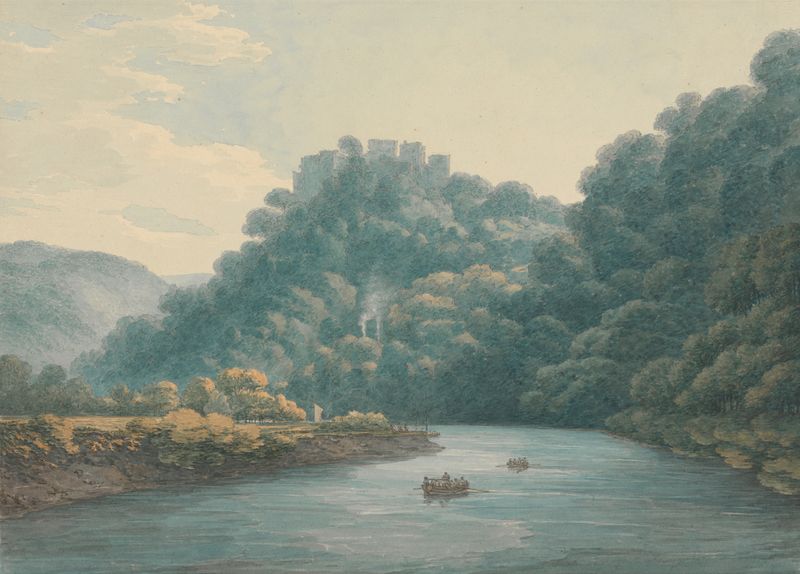
Goodrich Castle on the Wye
Thomas Hearne
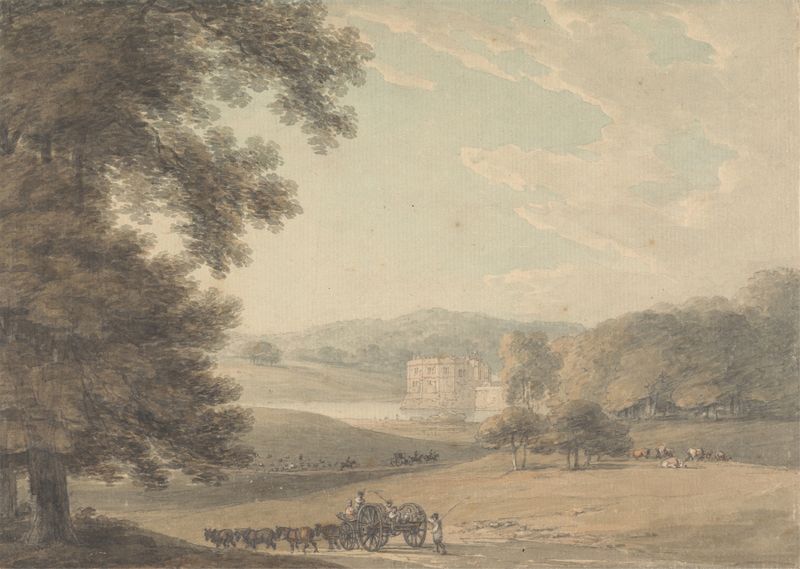
Leeds Castle, Kent
Thomas Hearne

The Ruins of Leiston Abbey
Thomas Hearne
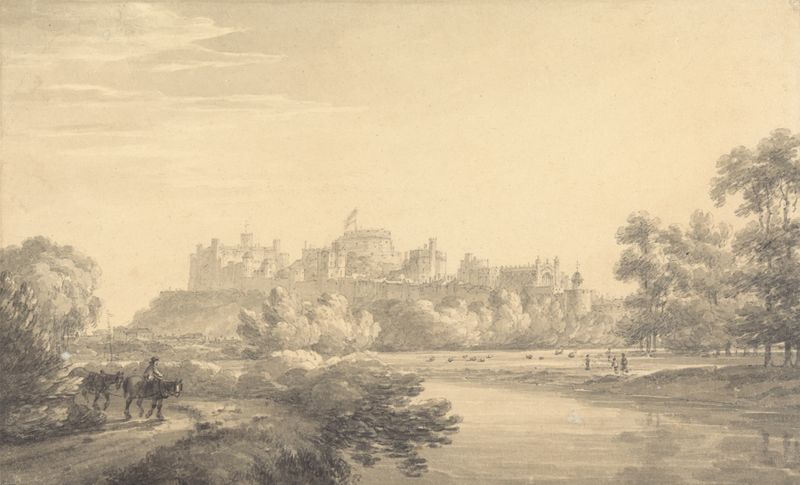
Windsor Castle
Thomas Hearne
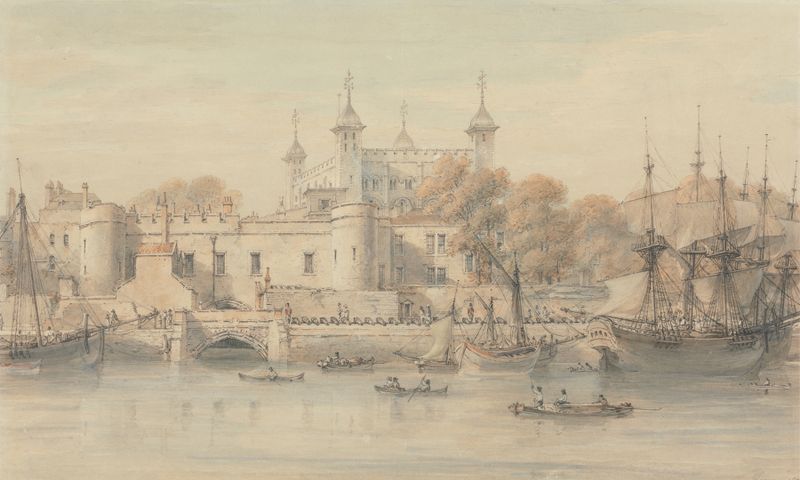
The Tower of London
Thomas Hearne
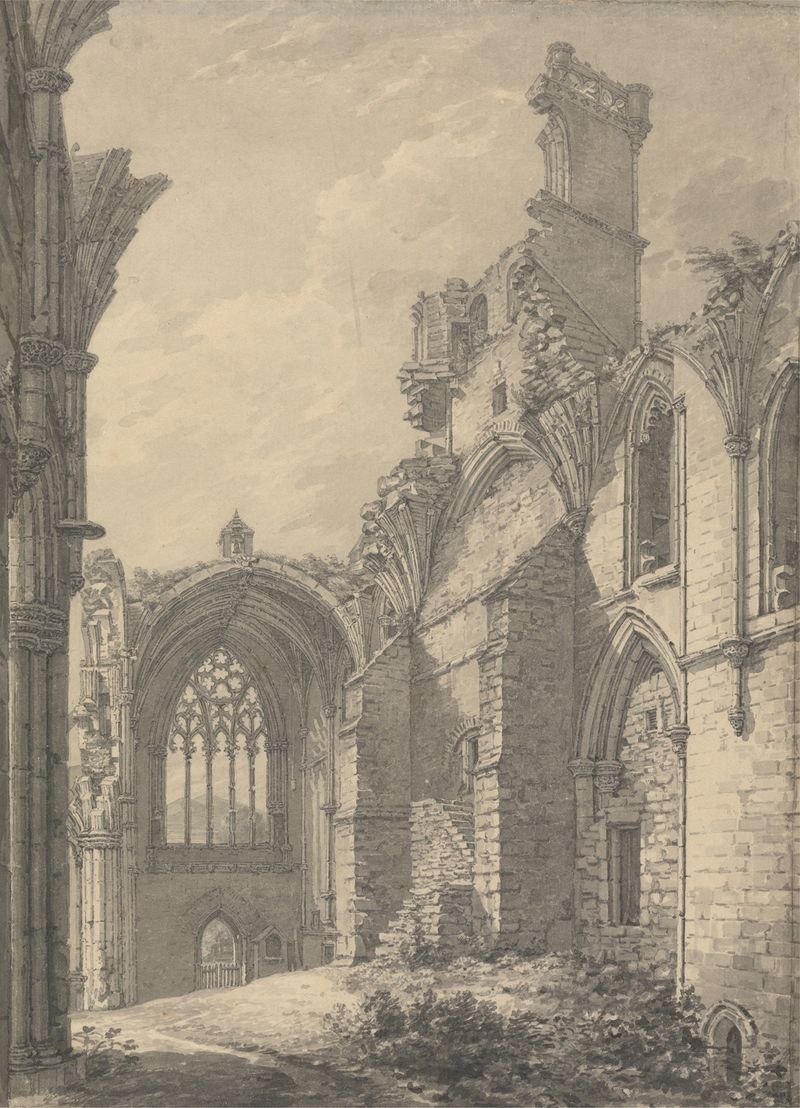
Transept of Melrose Abbey, 1778 Near Old Melrose on the River Tweed, Roxburgh
Thomas Hearne
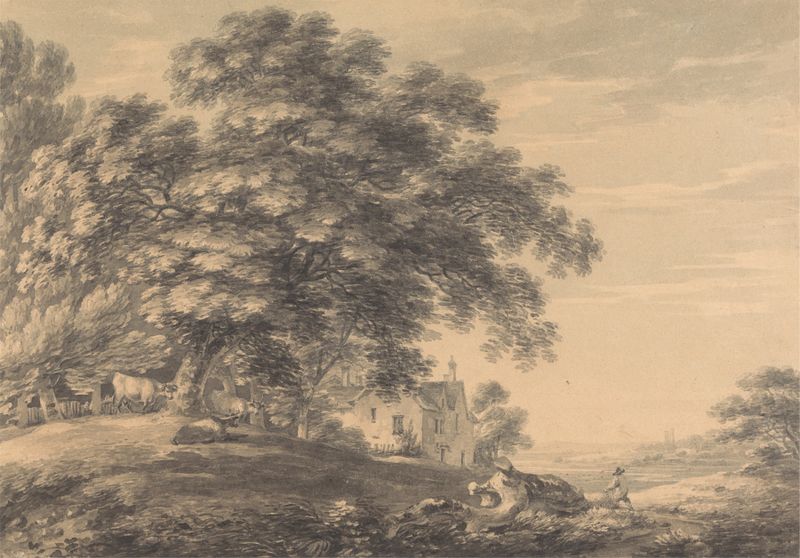
Landscape
Thomas Hearne
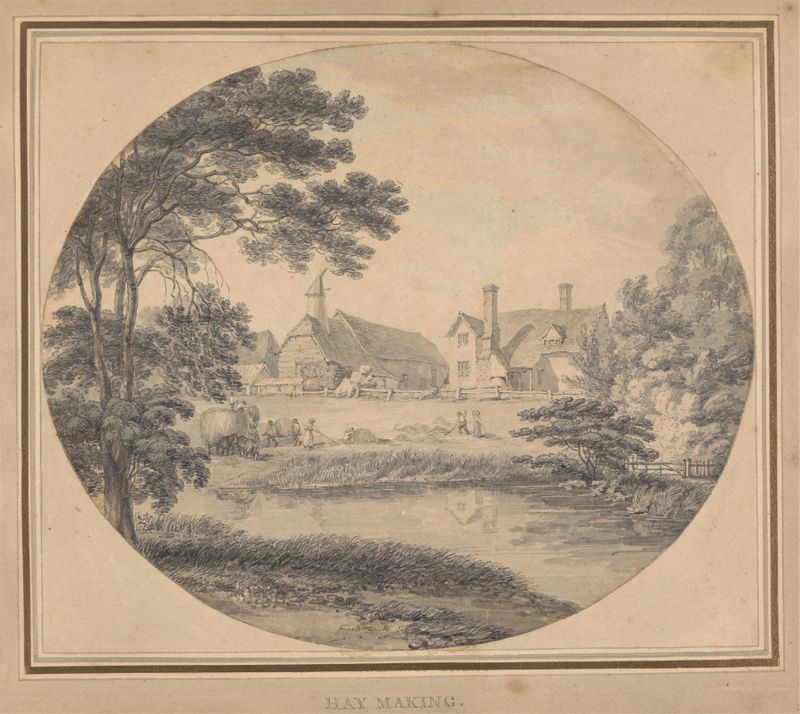
Haymaking
Thomas Hearne

Castle Acre Priory
Thomas Hearne
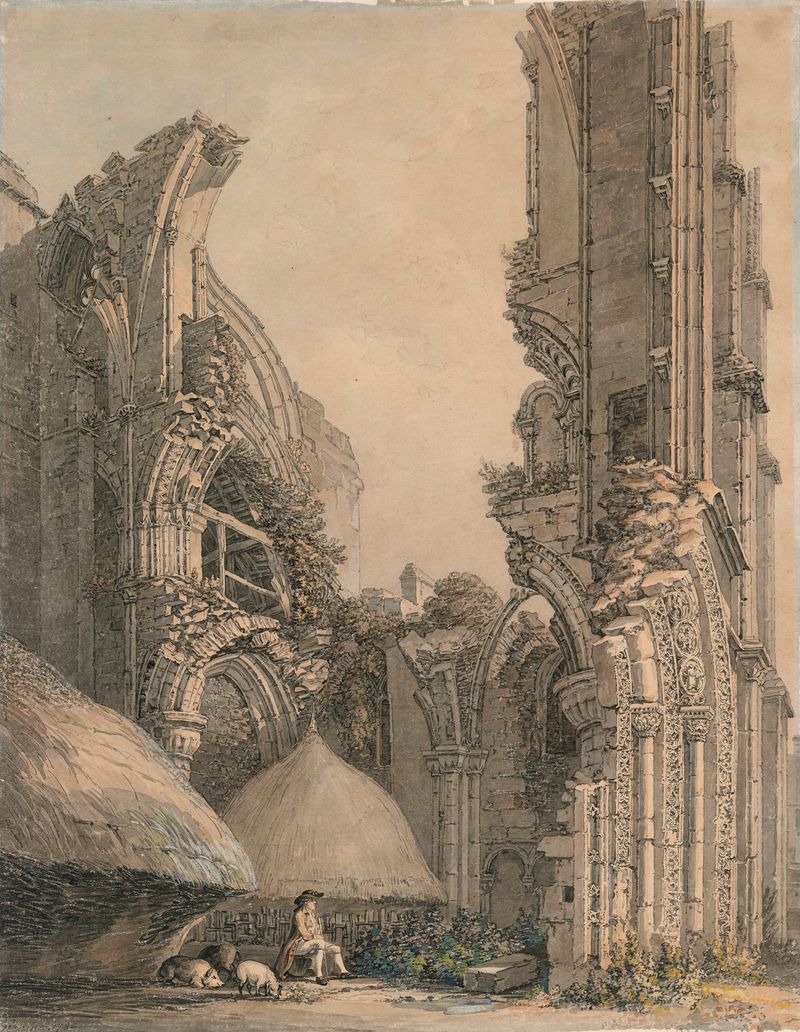
The Ruins of Malmesbury Abbey, Somerset, from the West Front (ill. for ‘The Antiquities of Great Britan’ 1807)
Thomas Hearne
More Architecture Art
Browse all →
The statue of Liberty
Frédéric Auguste Bartholdi

View of Houses in Delft, Known as ‘The Little Street’
Johannes Vermeer

View of Houses in Delft, Known as ‘The Little Street’
Johannes Vermeer

The Cathedral in Rouen. The portal, Grey Weather
Claude Monet

The yellow house
Vincent van Gogh

The Church in Auvers-sur-Oise, View from the Chevet
Vincent van Gogh