
Gezicht op Derwent Water, in de richting van Borrowdale (Cumberland) — History & Facts
Could beauty survive in a century of chaos? In Thomas Hearne's Gezicht op Derwent Water, in de richting van Borrowdale (Cumberland), tranquility reigns, whispering secrets of nature's solace amid the tumult of the 18th century. Look to the serene waters that dominate the foreground, reflecting an ethereal blue sky punctuated by soft cotton clouds. Notice how Hearne’s delicate brushwork captures the gentle ripples, leading your gaze to the verdant hills that cradle the lake. The palette is a harmonious blend of greens, browns, and blues, coaxing the eye to explore every nook of this idyllic landscape.
The composition invites you not just to observe, but to breathe in the calm—that sense of stillness that defies the chaos of the surrounding world. Yet, beneath this serene surface lies an undercurrent of obsession—a yearning for a perfect moment that eludes permanence. The juxtaposition of the vivid natural beauty and the meticulously painted details of the foreground hints at a deeper longing for connection to a rapidly changing world. Hearne’s careful attention to the intricate foliage reflects not only the artist's skill, but also a desire to capture fleeting beauty in an era marked by industrialization and conflict. Created between 1754 and 1817, the painting finds its roots in the idyllic landscapes popularized by the Romantic movement.
At this time, Hearne was immersed in the picturesque tradition, focusing on landscapes that offered solace from the chaos of modernity. His work captures a moment suspended in time, a longing for a harmony that would soon be overshadowed by the relentless march of change.
More Artworks by Thomas Hearne
Browse all →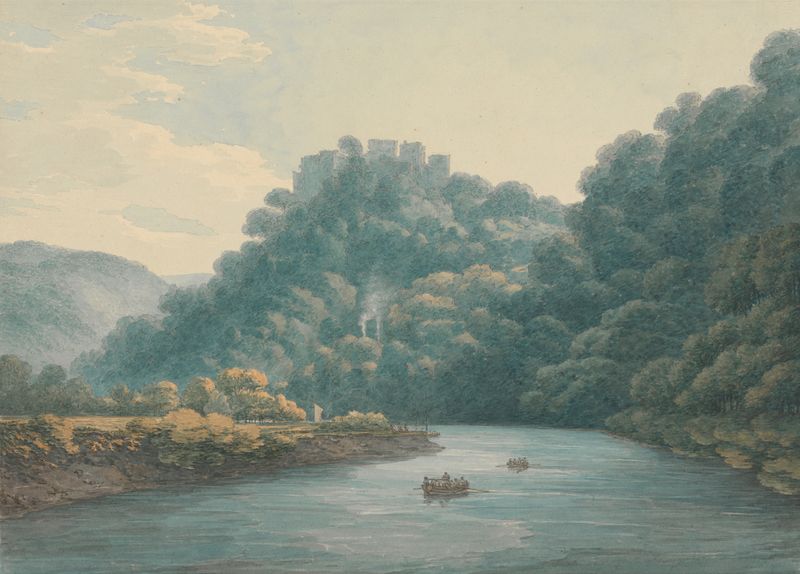
Goodrich Castle on the Wye
Thomas Hearne
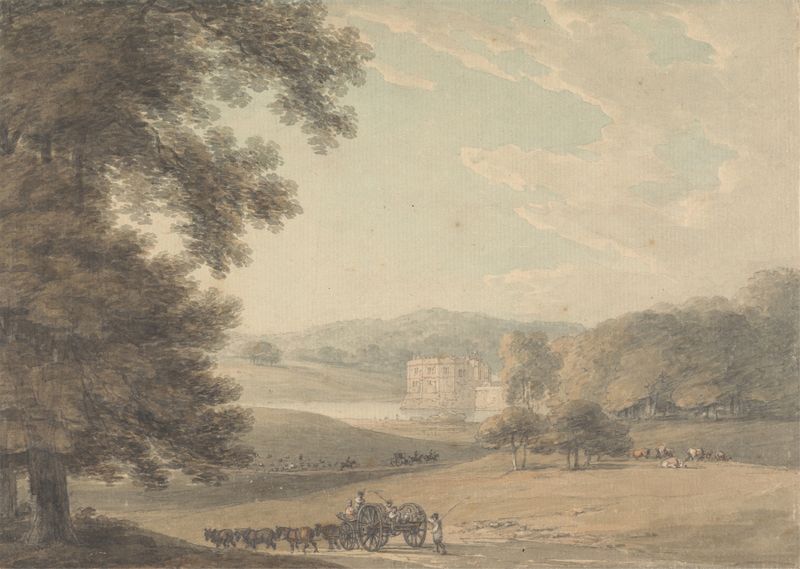
Leeds Castle, Kent
Thomas Hearne

The Ruins of Leiston Abbey
Thomas Hearne
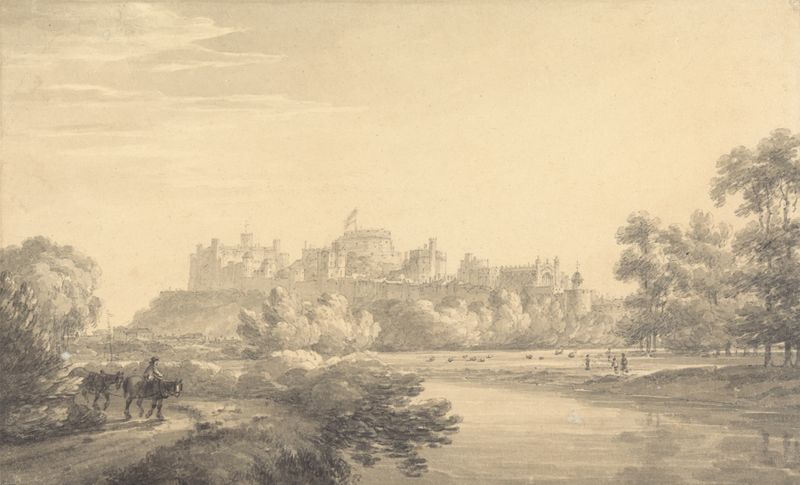
Windsor Castle
Thomas Hearne
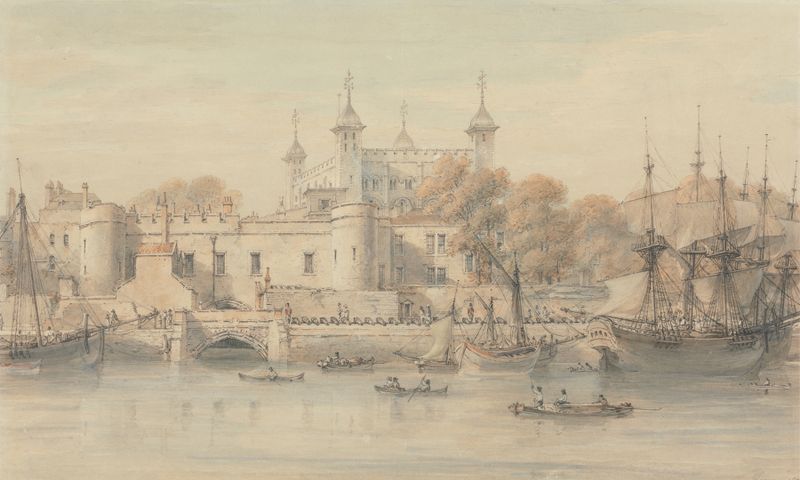
The Tower of London
Thomas Hearne
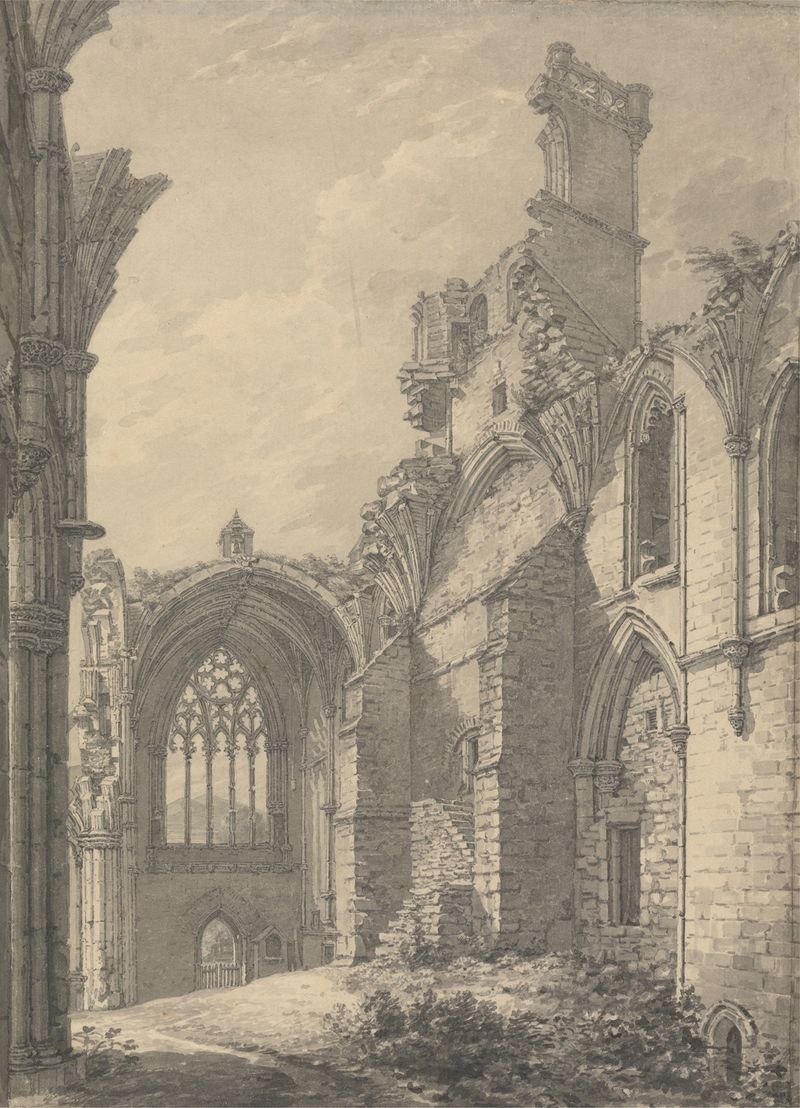
Transept of Melrose Abbey, 1778 Near Old Melrose on the River Tweed, Roxburgh
Thomas Hearne
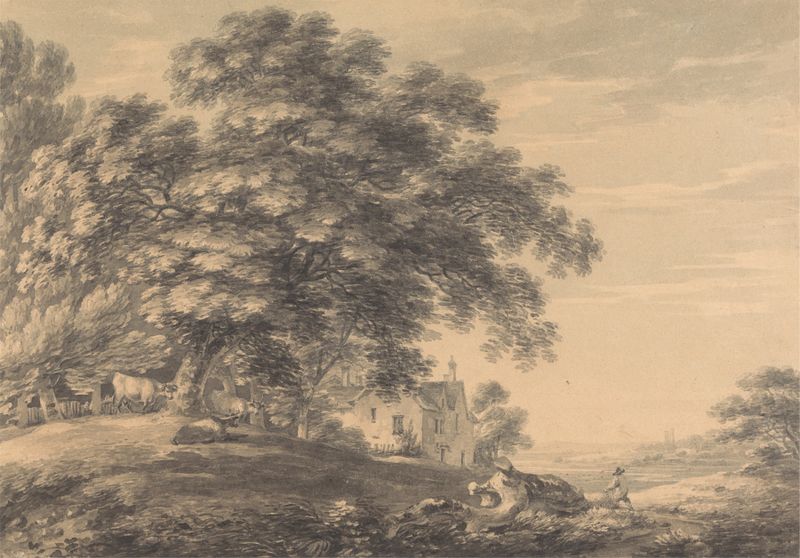
Landscape
Thomas Hearne
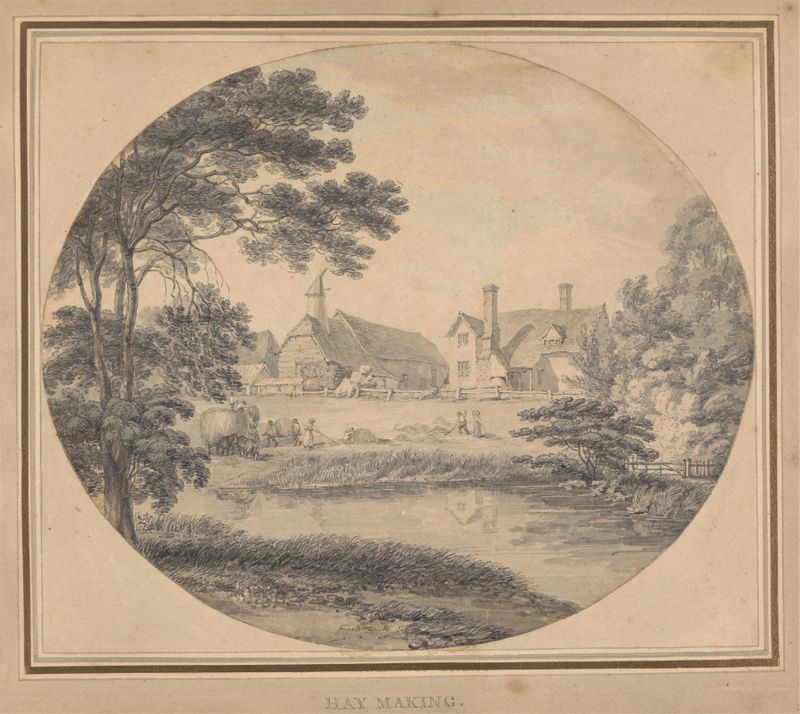
Haymaking
Thomas Hearne

Castle Acre Priory
Thomas Hearne
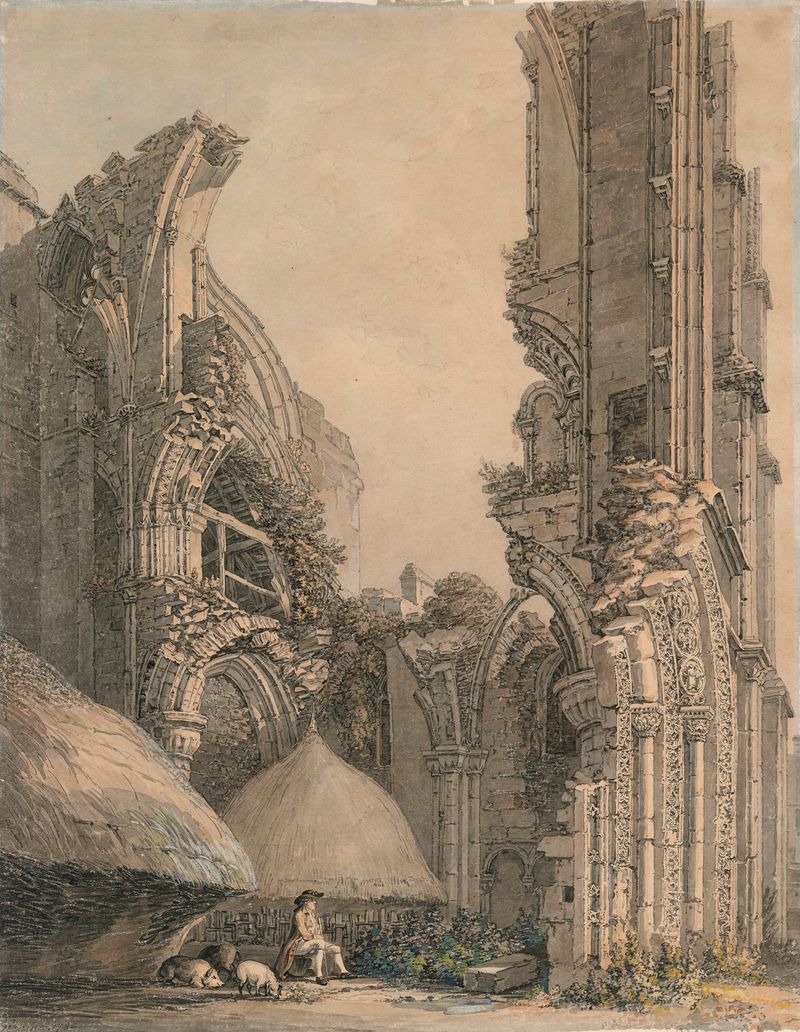
The Ruins of Malmesbury Abbey, Somerset, from the West Front (ill. for ‘The Antiquities of Great Britan’ 1807)
Thomas Hearne





